Search
Ethan Siegel
A theoretical astrophysicist and science writer, host of popular podcast “Starts with a Bang!”
Ethan Siegel is a Ph.D. astrophysicist and author of "Starts with a Bang!" He is a science communicator, who professes physics and astronomy at various colleges. He has won numerous awards for science writing since 2008 for his blog, including the award for best science blog by the Institute of Physics. His two books "Treknology: The Science of Star Trek from Tricorders to Warp Drive" and "Beyond the Galaxy: How humanity looked beyond our Milky Way and discovered the entire Universe" are available for purchase at Amazon. Follow him on Twitter @startswithabang.
Read Less
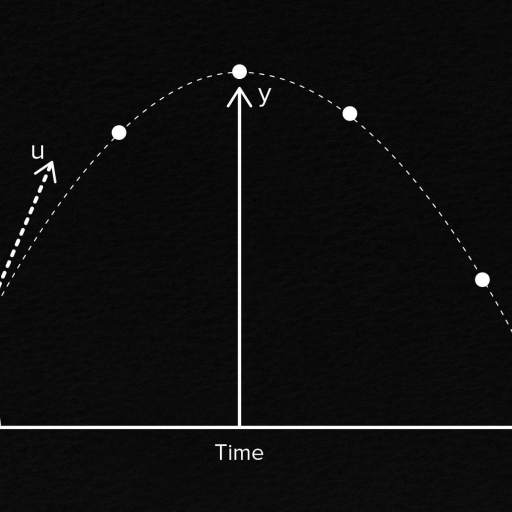
Taught in every introductory physics class for centuries, the parabola is only an imperfect approximation for the true path of a projectile.
Inflation, dark matter, and string theory are all proposed extensions to the prior consensus picture. But what does the evidence say?
The observation that everything we know is made out of matter and not antimatter is one of nature's greatest puzzles. Will we ever solve it?
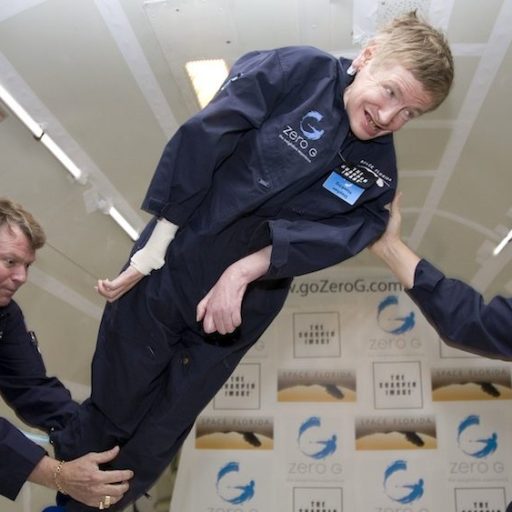
The mass that gravitates and the mass that resists motion are, somehow, the same mass. But even Einstein didn't know why this is so.
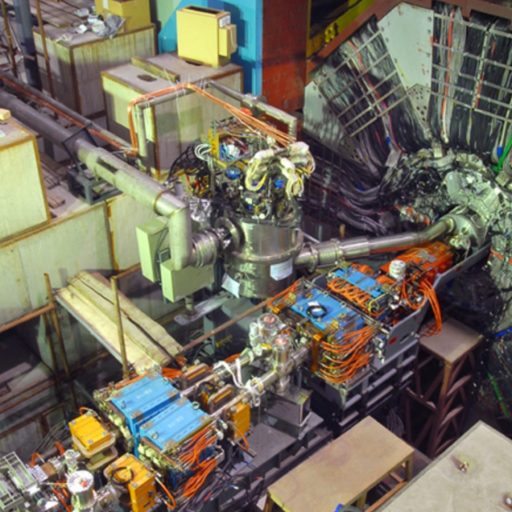
Scientific surprises, driven by experiment, are often how science advances. But more often than not, they’re just bad science.
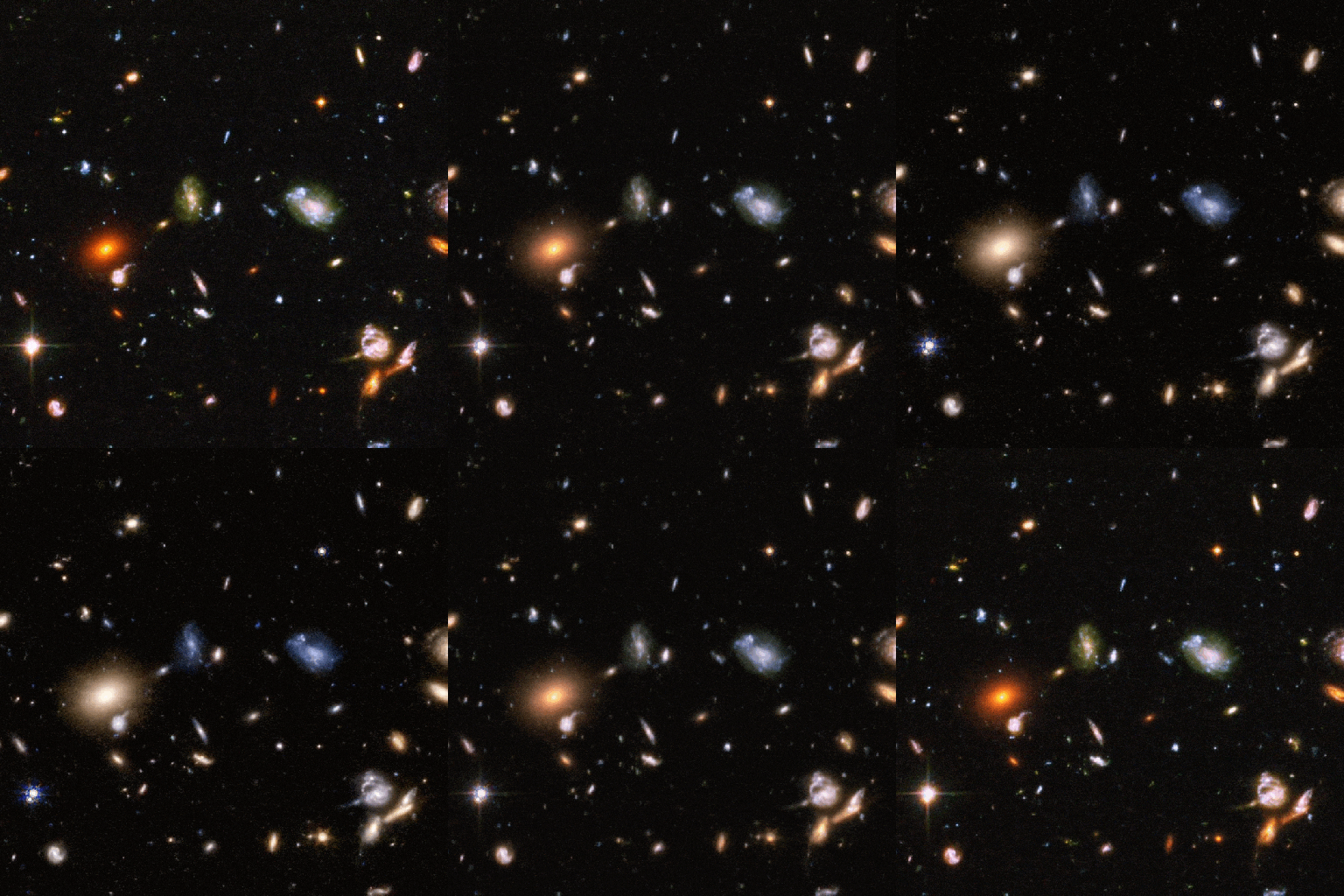
The "little red dots" were touted as being too massive, too early, for cosmology to explain. With new knowledge, everything adds up.
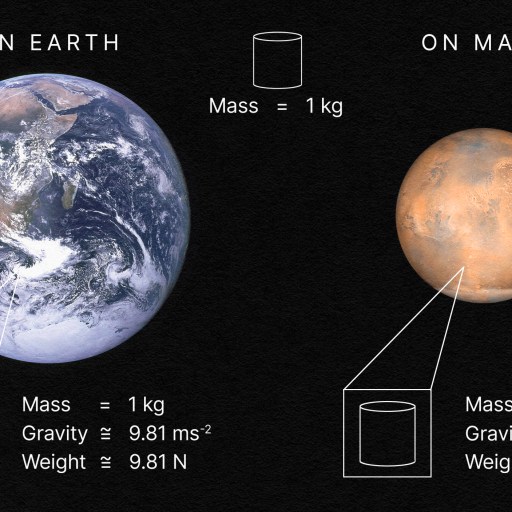
Here on Earth, we commonly use terms like weight (in pounds) and mass (in kilograms) as though they're interchangeable. They're not.
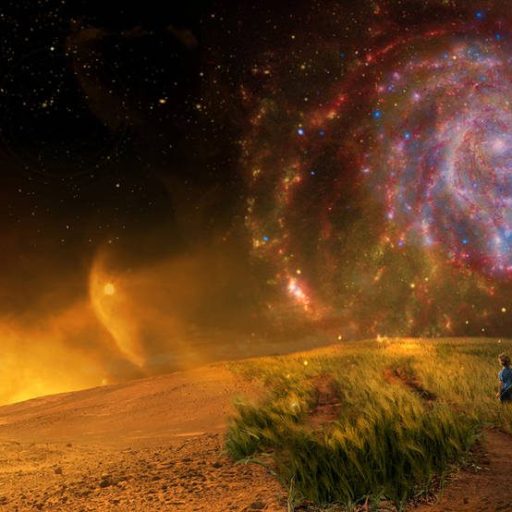
So far, Earth is the only planet that we're certain possesses active life processes. Here's what we shouldn't assume about life elsewhere.

The Universe isn't just expansion, but the expansion itself is accelerating. So why can't we feel it in any measurable way?
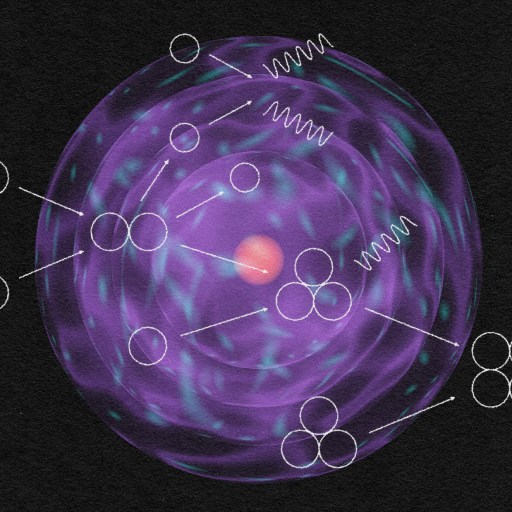
No matter how good our measurement devices get, certain quantum properties always possess an inherent uncertainty. Can we figure out why?

Life arose on Earth early on, eventually giving rise to us: intelligent and technologically advanced. "First contact" still remains elusive.
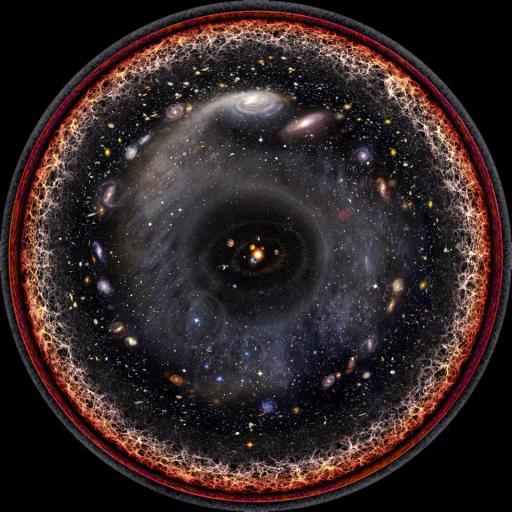
If you think of the Big Bang as an explosion, we can trace it back to a single point-of-origin. But what if it happened everywhere at once?
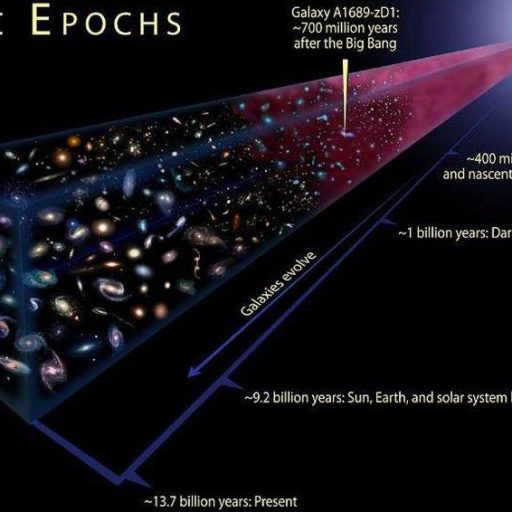
The Universe is 13.8 billion years old, going back to the hot Big Bang. But was that truly the beginning, and is that truly its age?
Many contrarians dispute that cosmic inflation occurred. The evidence says otherwise.
In all the Universe, only a few particles are eternally stable. The photon, the quantum of light, has an infinite lifetime. Or does it?
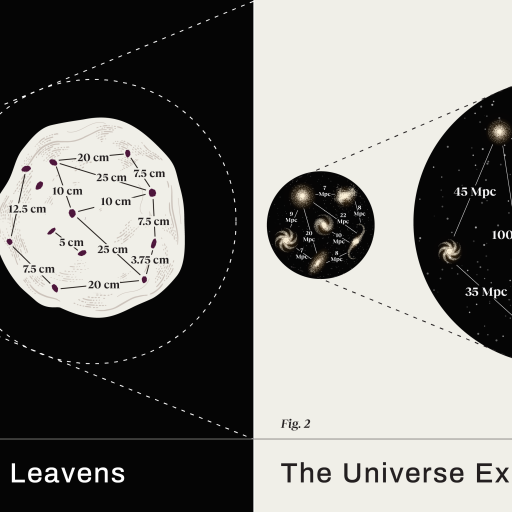
The big question isn't whether the Universe is expanding at 67 or 73 km/s/Mpc. It's why different methods yield such different answers.
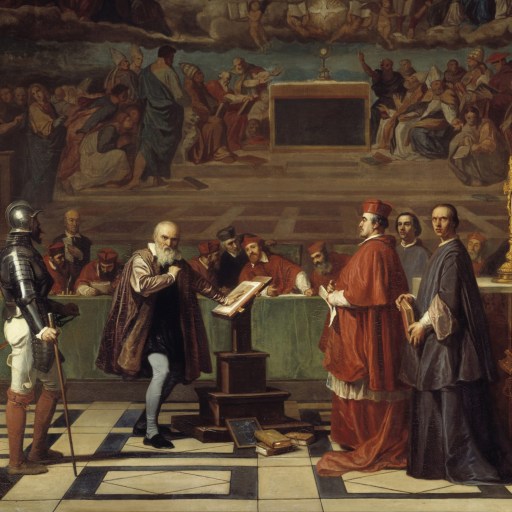
The original principle of relativity, proposed by Galileo way back in the early 1600s, remains true in its unchanged form even today.
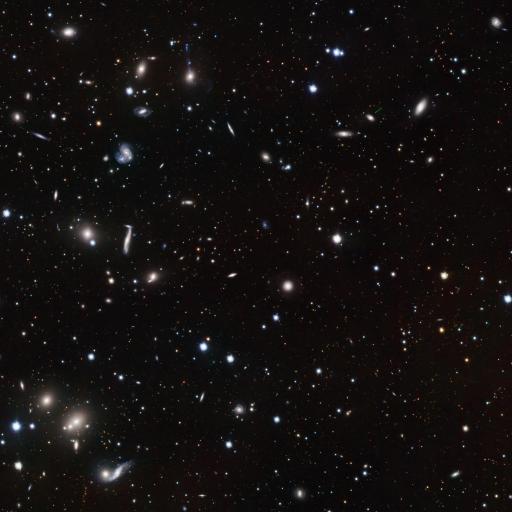
Most stars in the Universe are located in big, massive, Milky Way-like galaxies. But most galaxies aren't like ours at all.
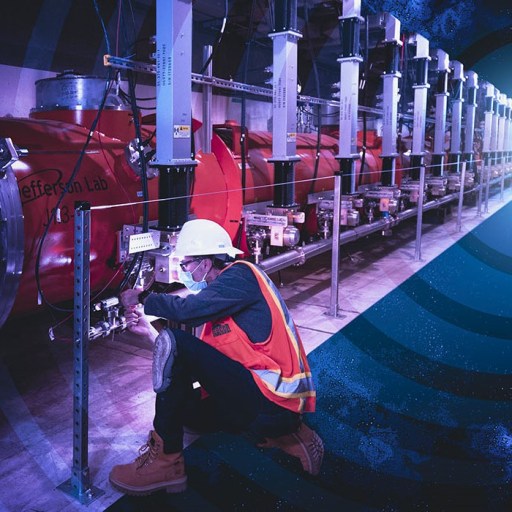
The largest particle accelerator and collider ever built is the Large Hadron Collider at CERN. Why not go much, much bigger?
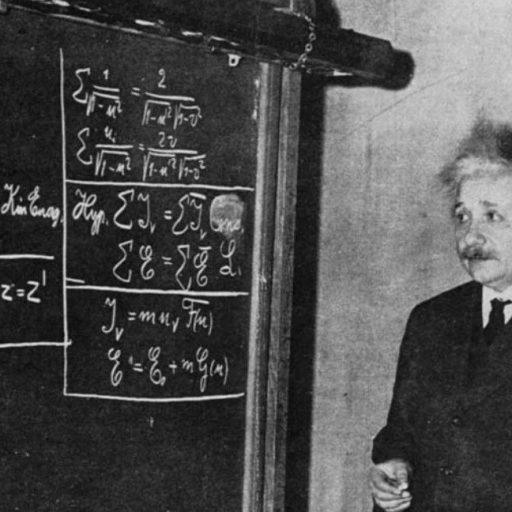
More than any other equation in physics, E = mc² is recognizable and profound. But what do we actually learn about reality from it?