Search
Ethan Siegel
A theoretical astrophysicist and science writer, host of popular podcast “Starts with a Bang!”

Ethan Siegel is a Ph.D. astrophysicist and author of "Starts with a Bang!" He is a science communicator, who professes physics and astronomy at various colleges. He has won numerous awards for science writing since 2008 for his blog, including the award for best science blog by the Institute of Physics. His two books "Treknology: The Science of Star Trek from Tricorders to Warp Drive" and "Beyond the Galaxy: How humanity looked beyond our Milky Way and discovered the entire Universe" are available for purchase at Amazon. Follow him on Twitter @startswithabang.
Read Less
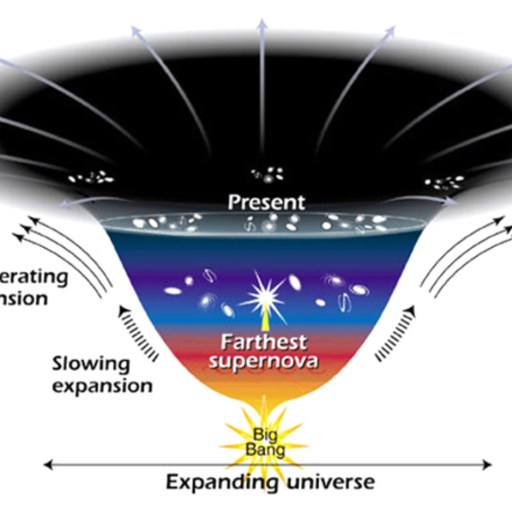
Just 13.8 billion years after the hot Big Bang, we can see objects up to 46.1 billion light-years away. No, this doesn't violate relativity.
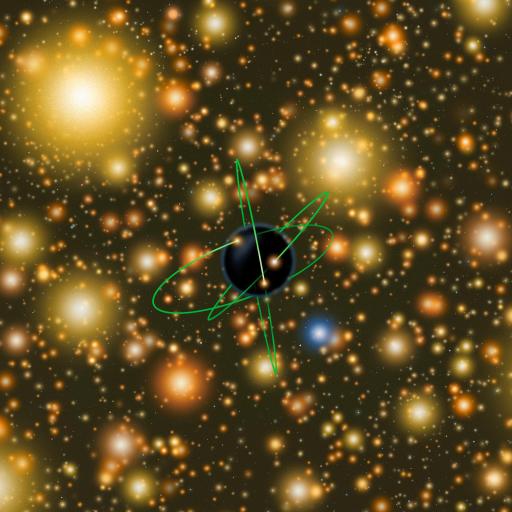
We know of stellar mass and supermassive black holes, but intermediate mass ones have long proved elusive. Until now.
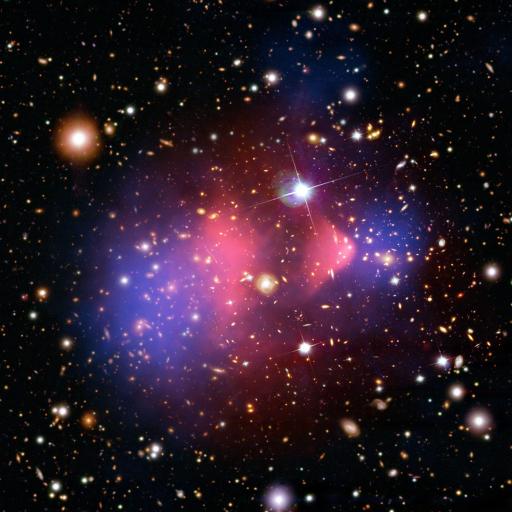
The Bullet Cluster has, for nearly 20 years, been hailed as an empirical "proof" of dark matter. Can their detractors explain it away?
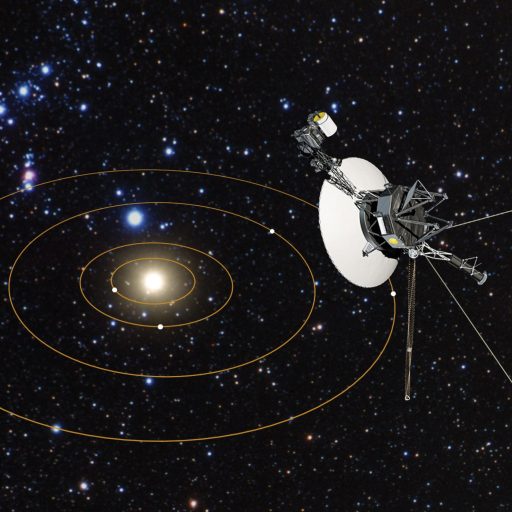
On a cosmic scale, our existence seems insignificant and inconsequential. But from another perspective, humans are completely remarkable.
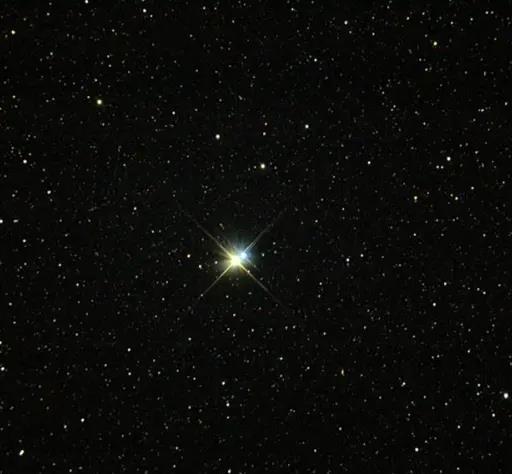
The standard picture of our Universe is that it's dominated by dark matter and dark energy. But this alternative is also worth considering.
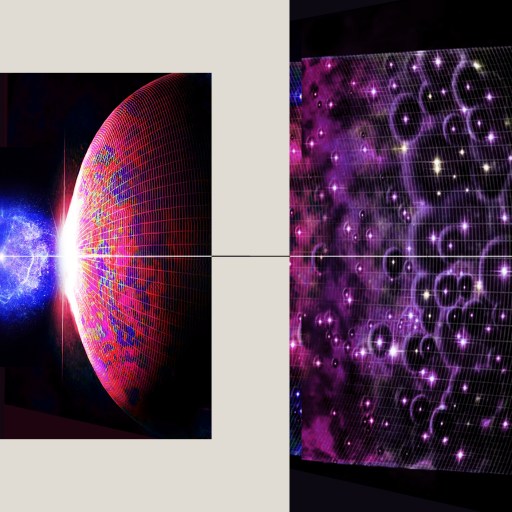
On the largest of cosmic scales, the Universe is expanding. But it isn't all-or-nothing everywhere, as "collapse" is also part of the story.

From the explosions themselves to their unique and vibrant colors, the fireworks displays we adore require quantum physics.
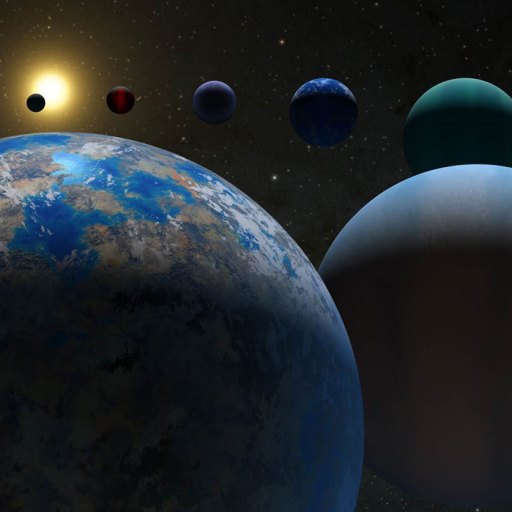
The structure of our Solar System has been known for centuries. When we finally started finding exoplanets, they surprised everyone.
There are many things that separate science from ideology, politics, philosophy, or religion. Follow these 10 commandments to get it right.
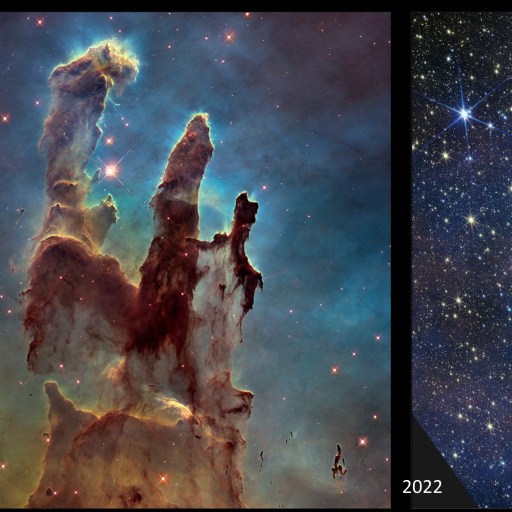
The last infant stars are finishing their formation inside these pillars of gas. The evaporation of those columns is almost complete.

Sure, there's less daylight during winter than summer, as your hemisphere is tilted away from the Sun. But darkness goes deeper than that.
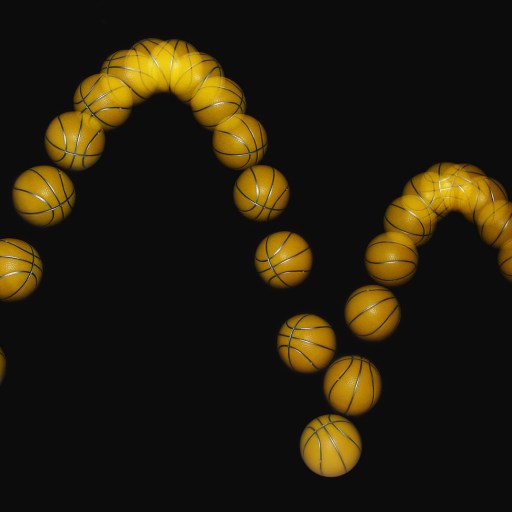
Our thermodynamic arrow of time explains why the entropy of any isolated system always increases. But it can't explain what we perceive.
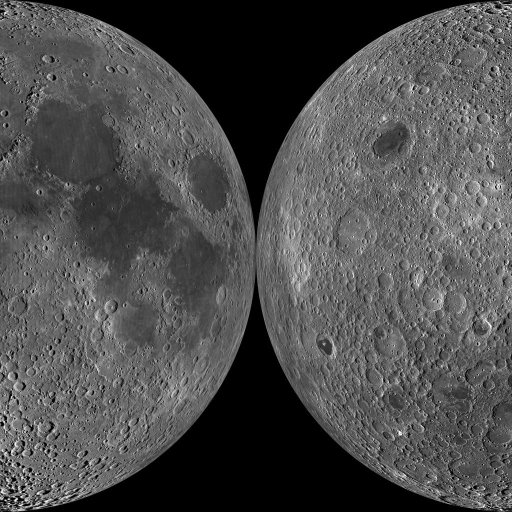
The near and far sides of the Moon are so different from each other, and no one is sure why. New lunar samples could confirm a wild theory.
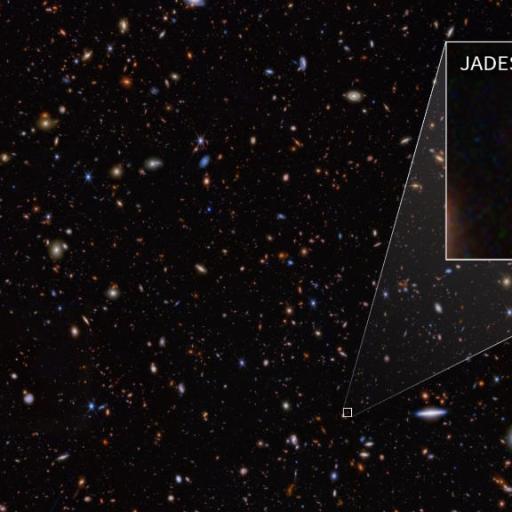
All telescopes are fundamentally limited in what they can see. JWST reveals more distant galaxies than Hubble, but still can't see them all.
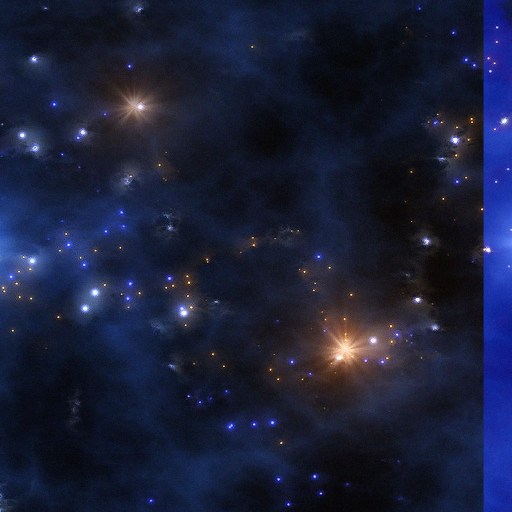
There was a time where no starlight was visible throughout the entire cosmos. That time was short-lived: shorter than astronomers imagined.
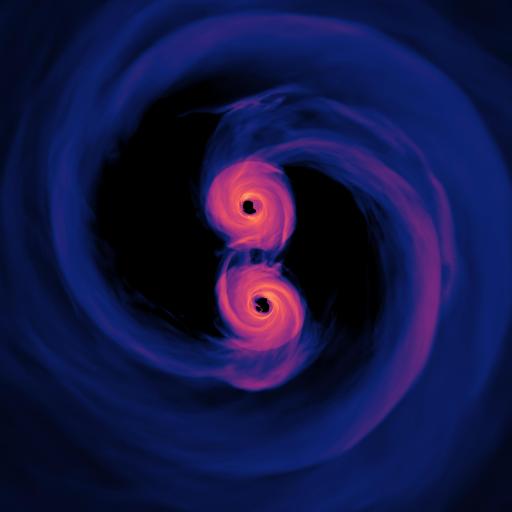
Gravitational waves carry enormous amounts of energy, but spread out quickly once they leave the source. Could they ever create black holes?

Traveling back in time is a staple of science fiction movies. But according to Einstein, it's a physical possibility that's truly allowed.
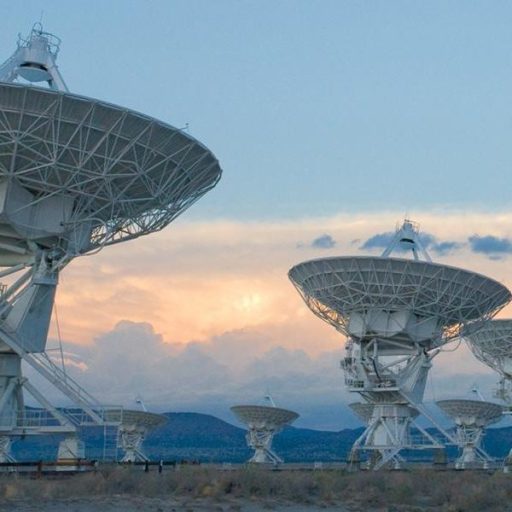
The sharpest optical images, for now, come from the Hubble Space Telescope. A ground-based technique can make images over 100 times sharper.
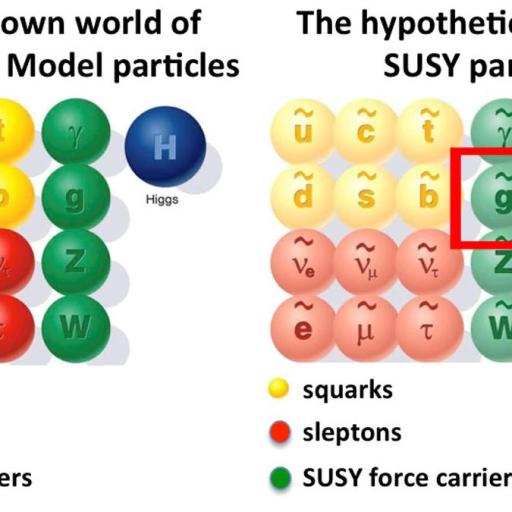
Almost 100 years ago, an asymmetric pathology led Dirac to postulate the positron. A similar pathology could lead us to supersymmetry.

From the coldest planets to spacecraft that have exited the Solar System, these little-known facts stump even many professional astronomers.