Search
Ethan Siegel
A theoretical astrophysicist and science writer, host of popular podcast “Starts with a Bang!”

Ethan Siegel is a Ph.D. astrophysicist and author of "Starts with a Bang!" He is a science communicator, who professes physics and astronomy at various colleges. He has won numerous awards for science writing since 2008 for his blog, including the award for best science blog by the Institute of Physics. His two books "Treknology: The Science of Star Trek from Tricorders to Warp Drive" and "Beyond the Galaxy: How humanity looked beyond our Milky Way and discovered the entire Universe" are available for purchase at Amazon. Follow him on Twitter @startswithabang.
Read Less
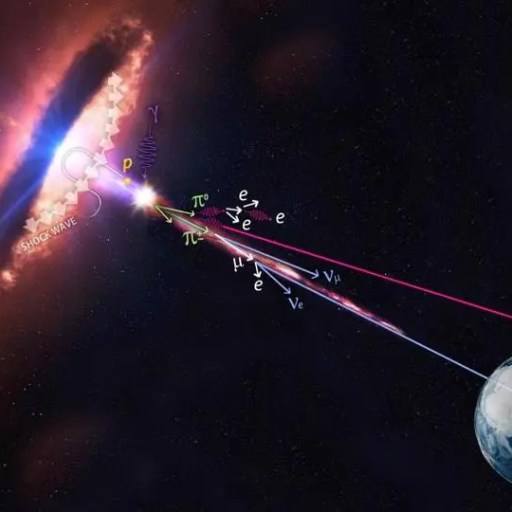
Our Universe requires dark matter in order to make sense of things, astrophysically. Could massive photons do the trick?
Practically all of the matter we see and interact with is made of atoms, which are mostly empty space. Then why is reality so... solid?
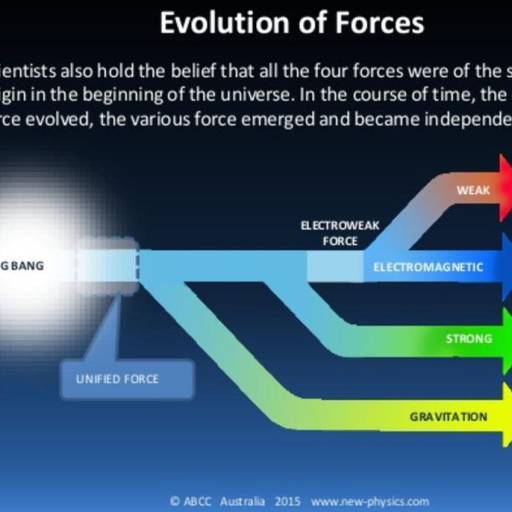
If the electromagnetic and weak forces unify to make the electroweak force, maybe, at higher energies, something even grander happens?
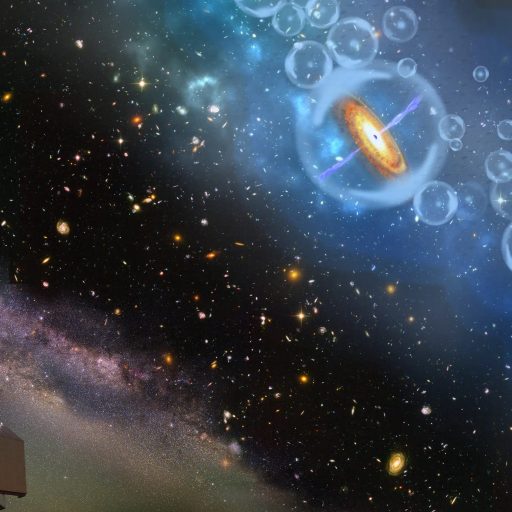
The Universe is expanding, and the Hubble constant tells us how fast. But how can it be a constant if the expansion is accelerating?
In all the Universe, only a few particles are eternally stable. The photon, the quantum of light, has an infinite lifetime. Or does it?

Yes, the Universe is expanding, but if you've ever wondered, "How fast is it expanding," the answer isn't in terms of a speed at all.
Is the Universe finite or infinite? Does it go on forever or loop back on itself? Here's what would happen if you traveled forever.
No matter how good our measurement devices get, certain quantum properties always possess an inherent uncertainty. Can we figure out why?
There are so many problems, all across planet Earth, that harm and threaten humanity. Why invest in researching the Universe?
The majority of the matter in our Universe isn't made of any of the particles in the Standard Model. Could the axion save the day?
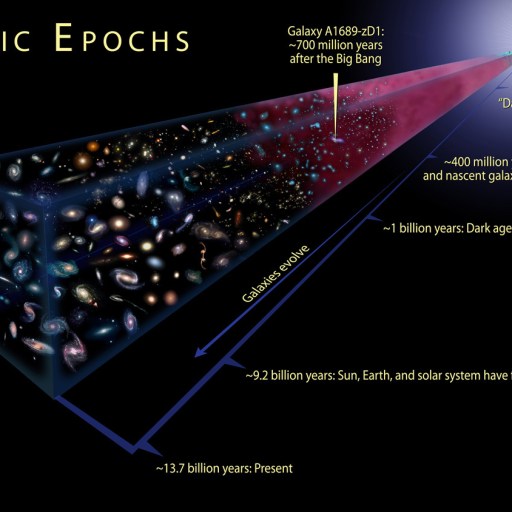
The Universe is 13.8 billion years old, going back to the hot Big Bang. But was that truly the beginning, and is that truly its age?
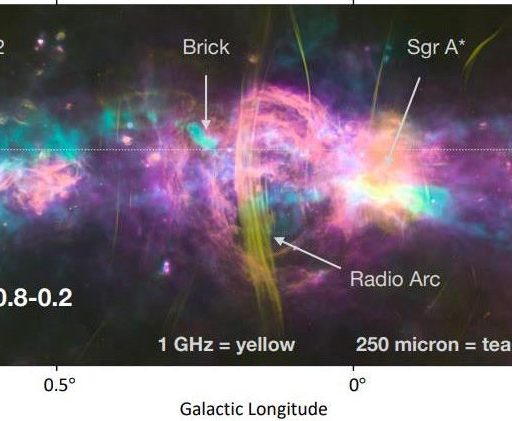
The center of the galaxy doesn't just host stars and a black hole, but an enormous set of rich gassy and dusty features. Find out more!
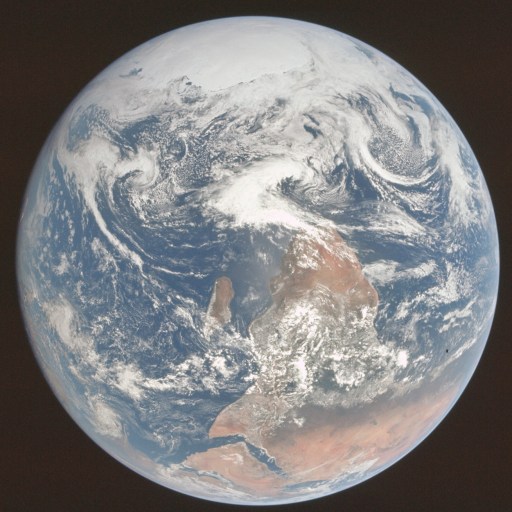
Although human beings arrived on Earth just ~300,000 years ago, we've transformed the entire planet completely. Here's how we did it.
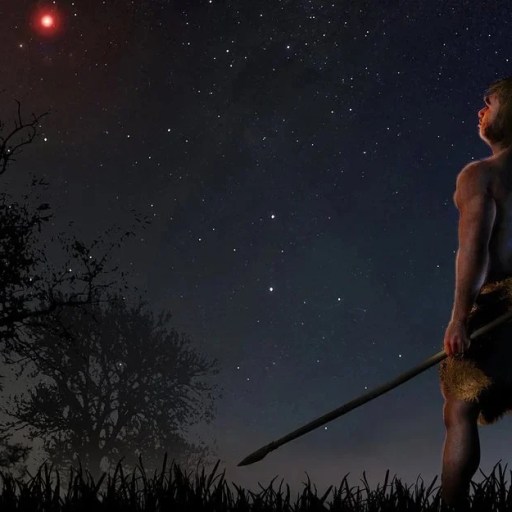
Despite billions of years of life on Earth, humans first arose only ~300,000 years ago. It took all that time to make our arrival possible.
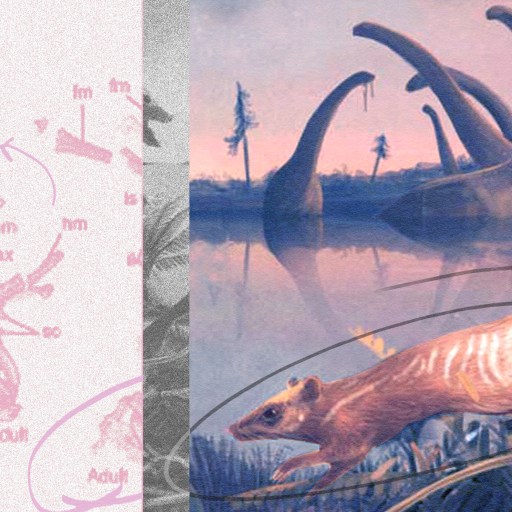
Although mammals may be the dominant form of life today, we're relative newcomers on planet Earth. Here's our place in natural history.
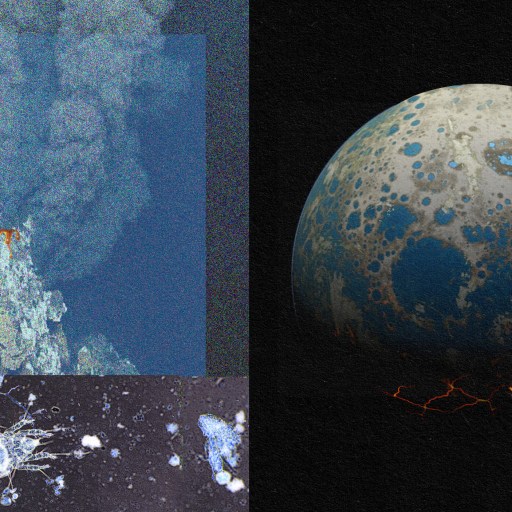
For billions of years on Earth, life was limited to simple unicellular, non-differentiated organisms. In a mere flash, that changed forever.
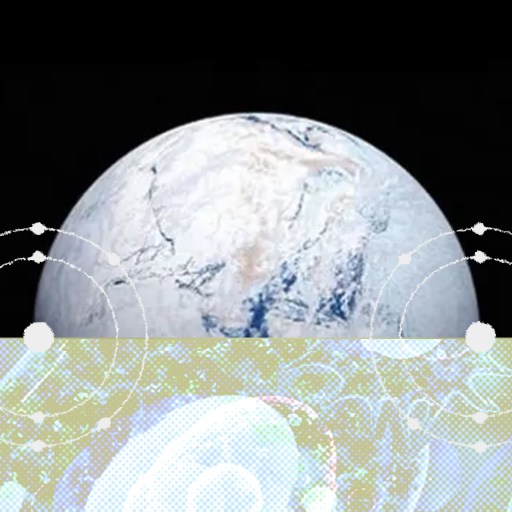
Known as the Great Oxygenation Event, Earth froze over as oxygen accumulated in our atmosphere, nearly driving all life extinct.
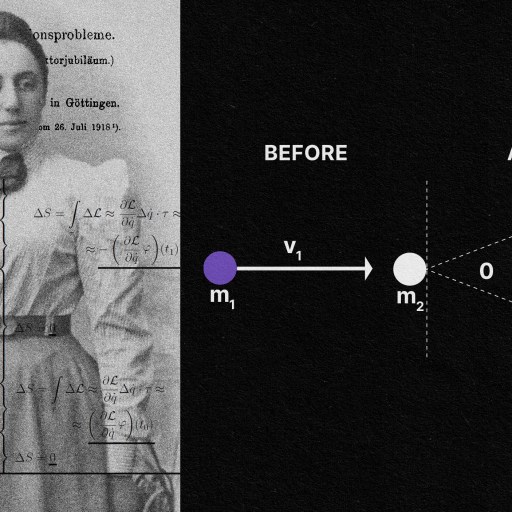
First derived by Emmy Noether, for every symmetry a theory possesses, there's an associated conserved quantity. Here's the profound link.
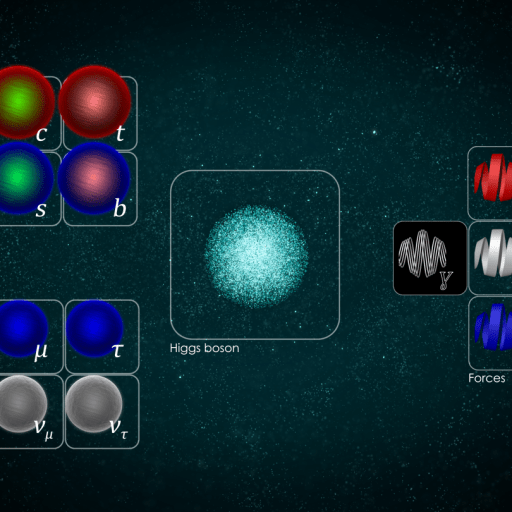
A great many cosmic puzzles still remain unsolved. By embracing a broad and varied approach, particle physics heads toward a bright future.
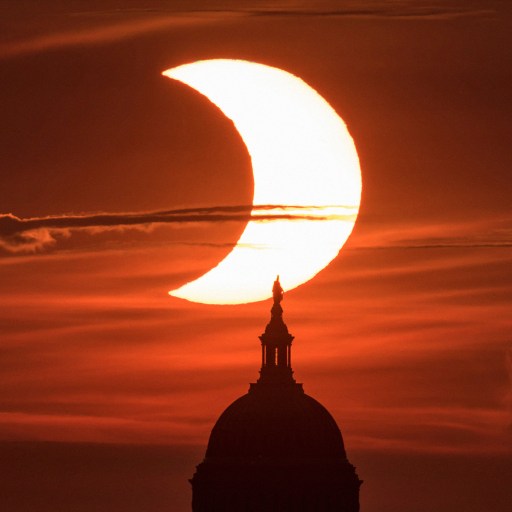
Even if you aren't in the path of totality, you can still use the solar eclipse to measure how long it takes the Moon to orbit Earth.