Search
Ethan Siegel
A theoretical astrophysicist and science writer, host of popular podcast “Starts with a Bang!”
Ethan Siegel is a Ph.D. astrophysicist and author of "Starts with a Bang!" He is a science communicator, who professes physics and astronomy at various colleges. He has won numerous awards for science writing since 2008 for his blog, including the award for best science blog by the Institute of Physics. His two books "Treknology: The Science of Star Trek from Tricorders to Warp Drive" and "Beyond the Galaxy: How humanity looked beyond our Milky Way and discovered the entire Universe" are available for purchase at Amazon. Follow him on Twitter @startswithabang.
Read Less
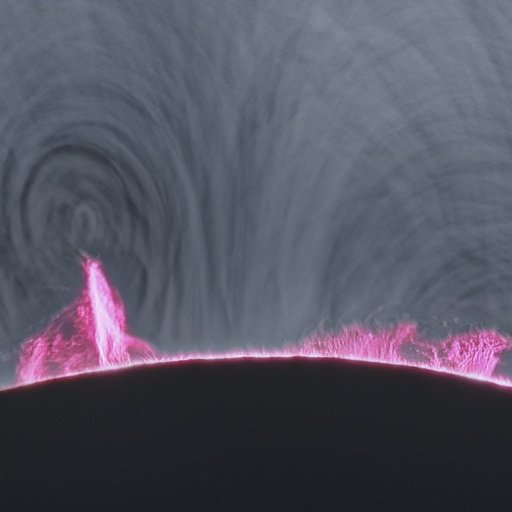
There are only a precious few minutes of totality during even the best solar eclipses. Don't waste yours making these avoidable mistakes.
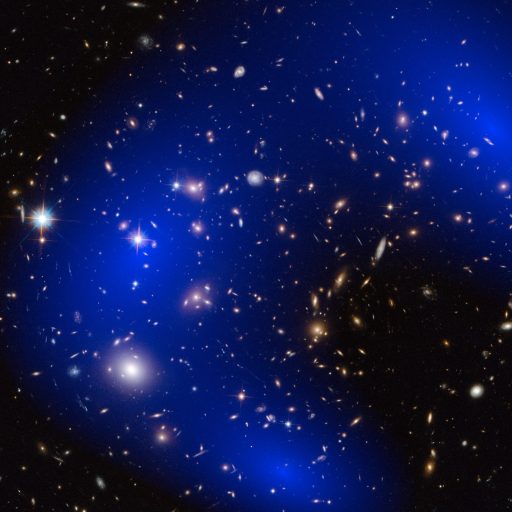
There are a wide variety of theoretical studies that call our Standard Model of cosmology into question. Here's what they really mean.
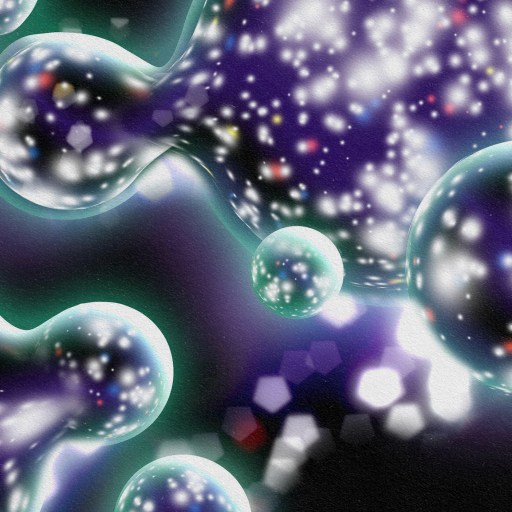
In logic, 'reductio ad absurdum' shows how flawed arguments fall apart. Our absurd Universe, however, often defies our intuitive reasoning.
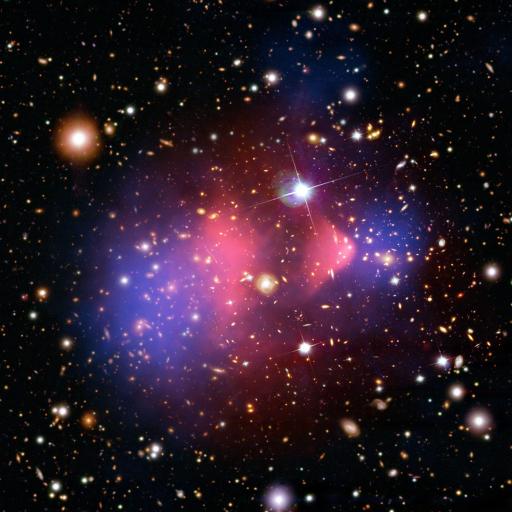
NASA's only flagship X-ray telescope ever, Chandra, still works and has no planned successor. So why does the President want to kill it?

Physicists just can't leave an incomplete theory alone; they try to repair it. When nature is kind, it can lead to a major breakthrough.
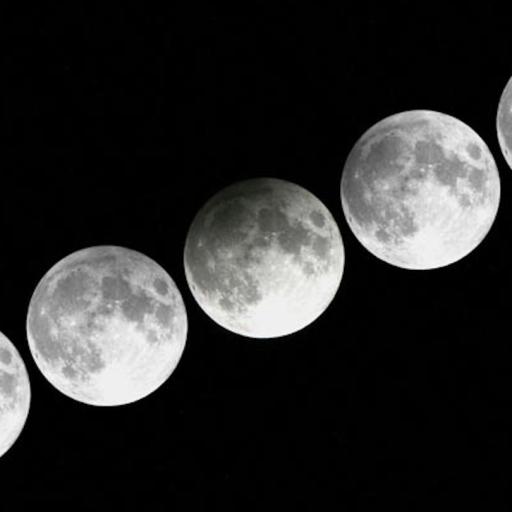
The least exciting of all eclipses, a penumbral lunar eclipse, foreshadows the spectacular show that April 8th's total eclipse will bring.
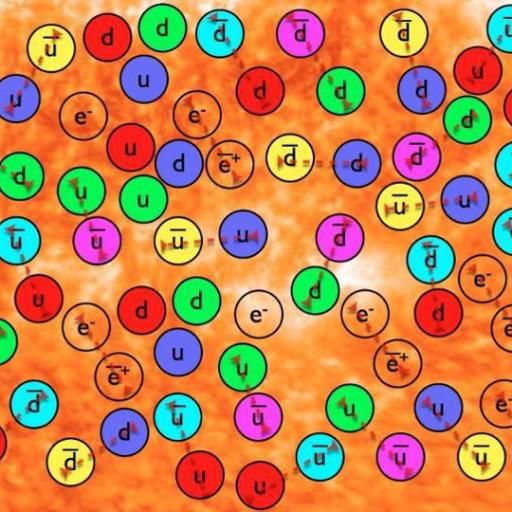
You can only create or destroy matter by creating or destroying equal amounts of antimatter. So how did we become a matter-rich Universe?
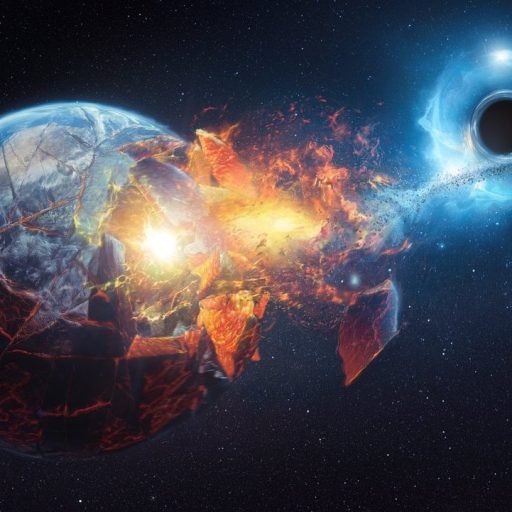
No matter how you define the end, including the demise of humanity, all life, or even the planet itself, our ultimate destruction awaits.
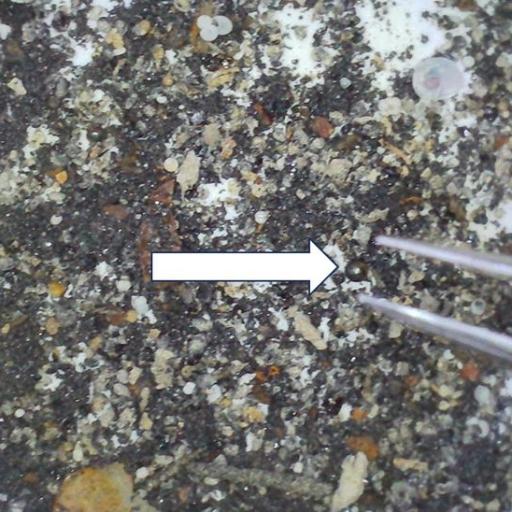
Harvard astronomer Avi Loeb claimed to track down and find alien spherules on the ocean bottom. Here's the sober truth.
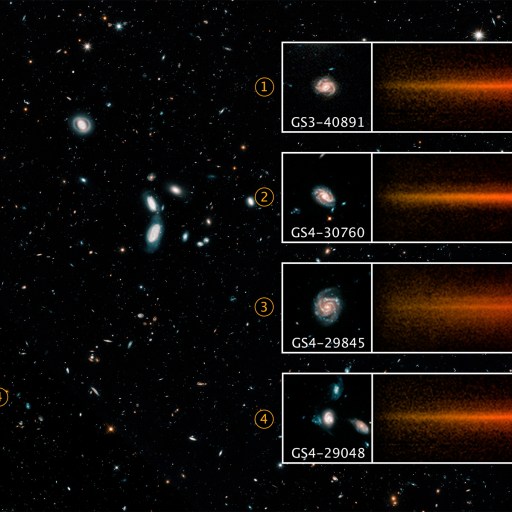
Because of dark energy, distant objects speed away from us faster and faster as time goes on. How long before every galaxy is out of reach?
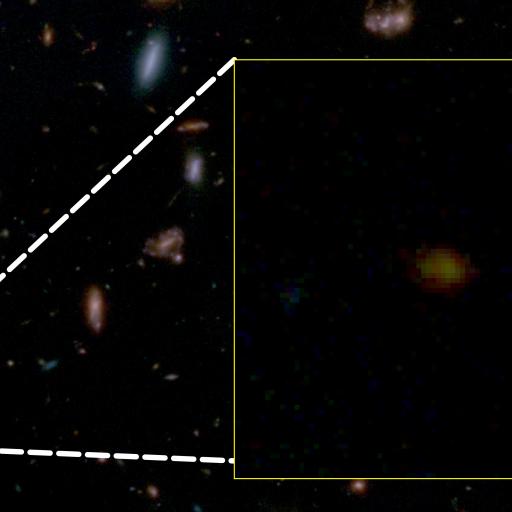
Given enough time, all galaxies will expel their star-forming material and wind up dead. Is this the earliest one, or is it just asleep?
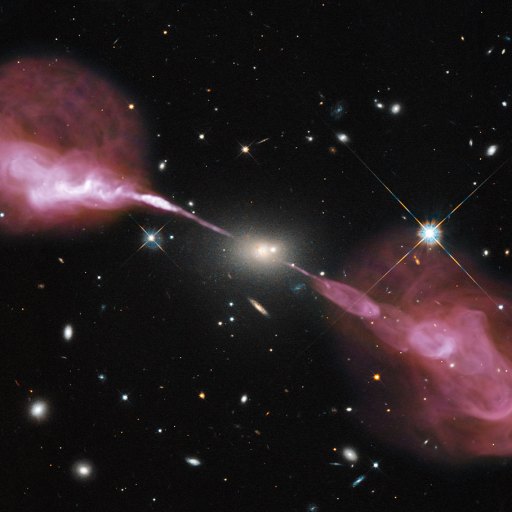
Galaxies don't simply feed their central supermassive black holes, but the activity generated inside affects the entire galaxy and more.

Symmetries aren't just about folding or rotating a piece of paper, but have a profound array of applications when it comes to physics.
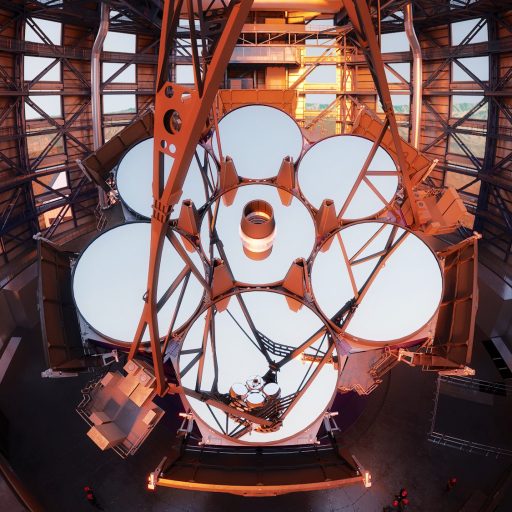
Ground-based facilities enable the greatest scientific production in all of astronomy. The NSF needs to be ambitious, and it's now or never.
The Multiverse fuels some of the 21st century's best fiction stories. But its supporting pillars are on extremely stable scientific footing.
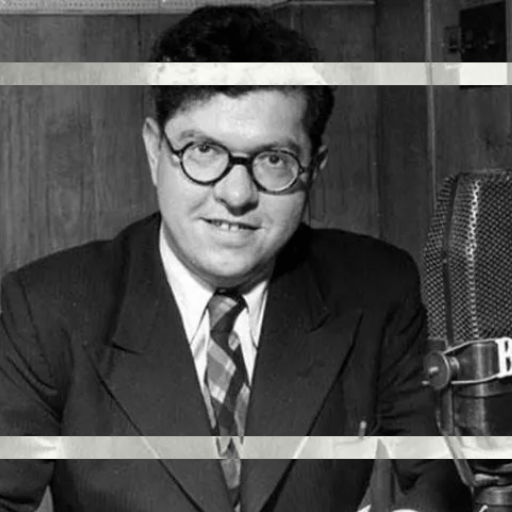
To Fred Hoyle, the Big Bang was nothing more than a creationist myth. 75 years later, it's cemented as the beginning of our Universe.
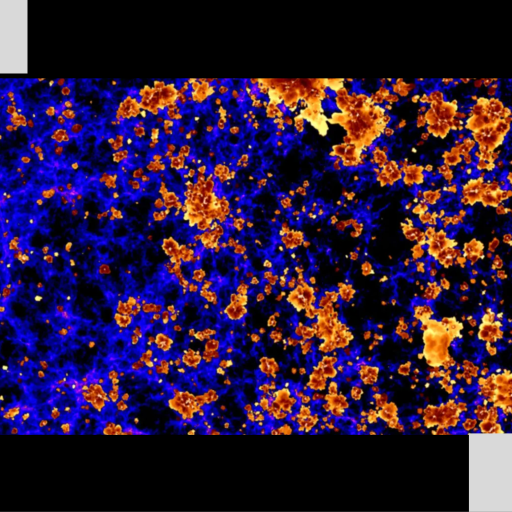
JWST has puzzled astronomers by revealing large, bright, massive early galaxies. But the littlest ones pack the greatest cosmic punch.
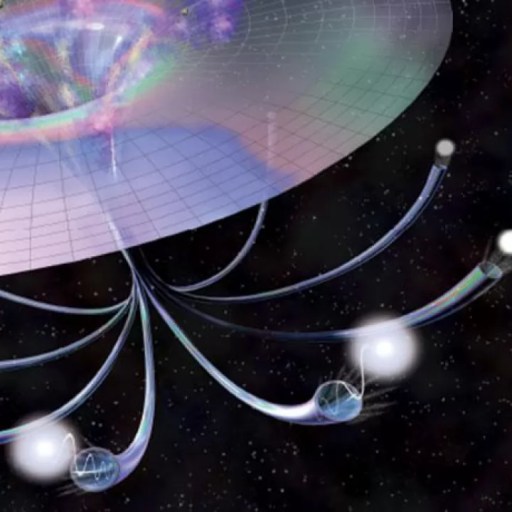
When cosmic inflation came to an end, the hot Big Bang ensued as a result. If our cosmic vacuum state decays, could it all happen again?
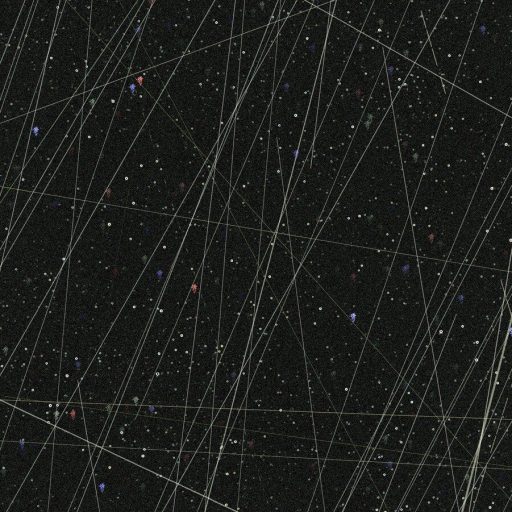
In 1957, humanity launched our first satellite; today's number is nearly 10,000, with 500,000+ more planned. Space is no longer pristine.
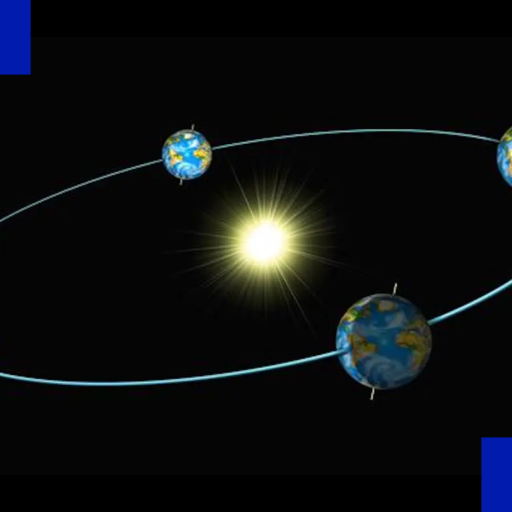
Leap day only comes once every four years, including in 2024. But the reason we have it, including when we do and don't, may surprise you.