Search
Ethan Siegel
A theoretical astrophysicist and science writer, host of popular podcast “Starts with a Bang!”

Ethan Siegel is a Ph.D. astrophysicist and author of "Starts with a Bang!" He is a science communicator, who professes physics and astronomy at various colleges. He has won numerous awards for science writing since 2008 for his blog, including the award for best science blog by the Institute of Physics. His two books "Treknology: The Science of Star Trek from Tricorders to Warp Drive" and "Beyond the Galaxy: How humanity looked beyond our Milky Way and discovered the entire Universe" are available for purchase at Amazon. Follow him on Twitter @startswithabang.
Read Less

There are many problems with relying on SAT and ACT scores for college admissions. But removing them entirely creates less opportunity.
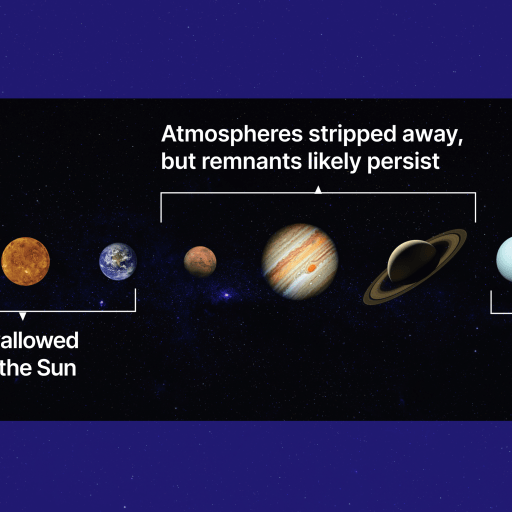
For now, our Solar System's eight planets are all safe, and relatively stable. Billions of years from now, everything will be different.
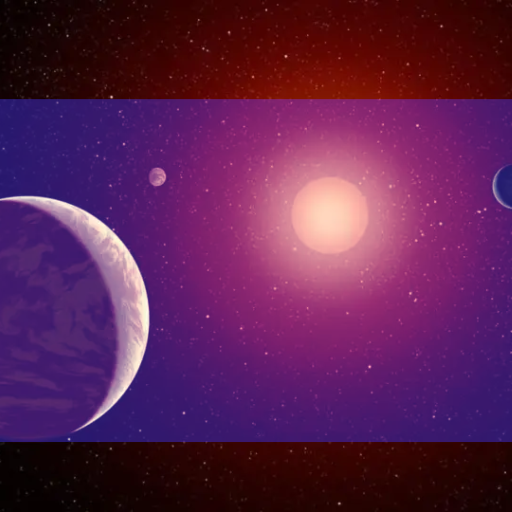
There are plenty of life-friendly stellar systems in the Universe today. But at some point in the far future, life's final extinction will occur.
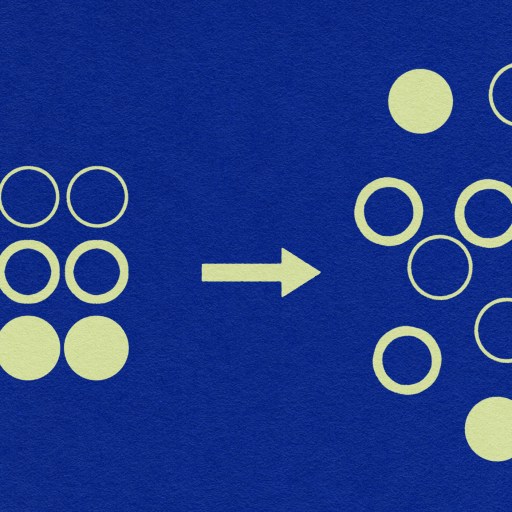
The second law of thermodynamics tells us that entropy always increases. But that doesn't mean it was zero at the start of the Big Bang.
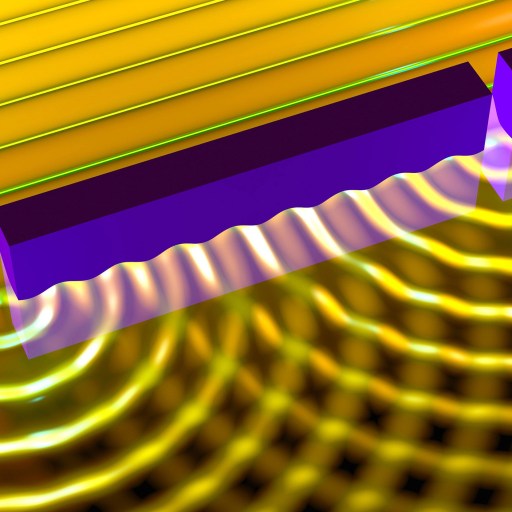
Everything acts like a wave while it propagates, but behaves like a particle whenever it interacts. The origins of this duality go way back.
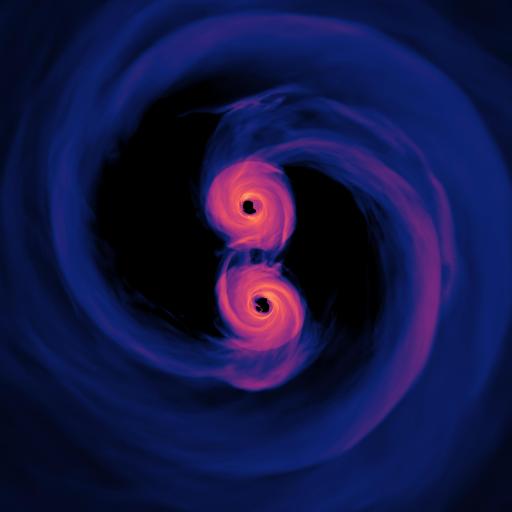
So far, gravitational waves have revealed stellar mass black holes and neutron stars, plus a cosmic background. So much more is coming.
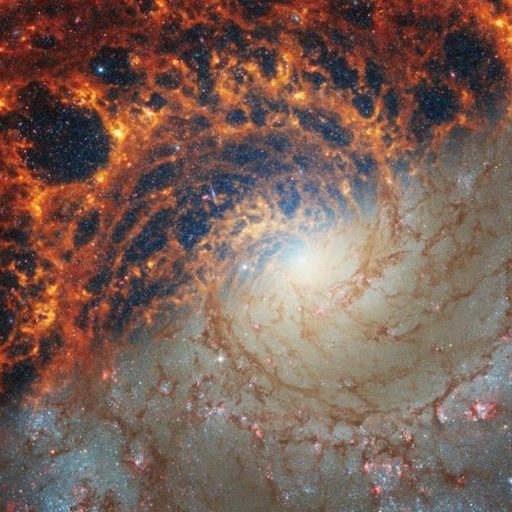
Almost every large structure in the Universe displays a 5:1 dark matter-to-normal matter ratio. Here's how some galaxies defy that rule.

Almost everything we can observe and measure follows what's known as a normal distribution, or a Bell curve. There's a profound reason why.
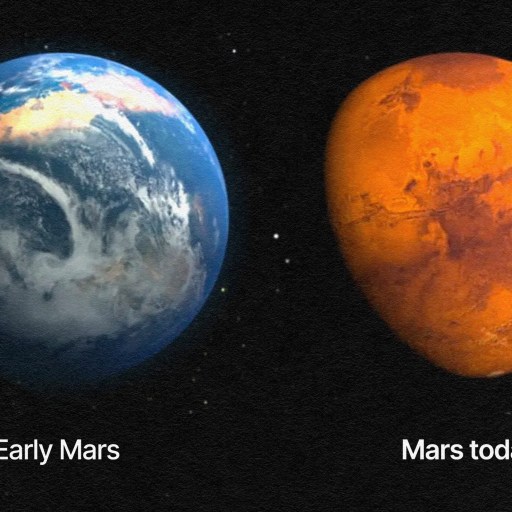
In the early stages of our Solar System, there were three life-friendly planets: Venus, Earth, and Mars. Only Earth thrived. Here's why.

For thousands of years, humanity had no idea how far away the stars were. In the 1600s, Newton, Huygens, and Hooke all claimed to get there.
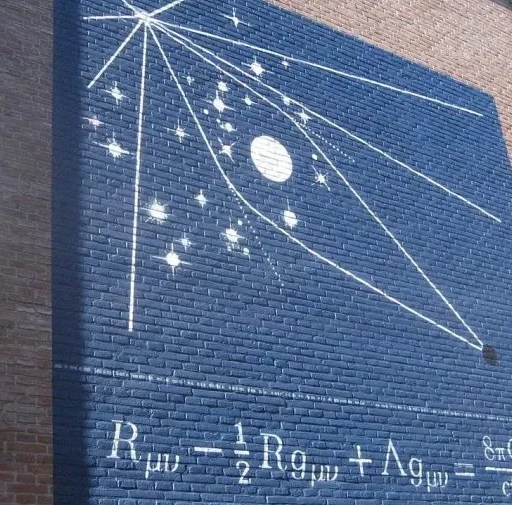
Although many of Einstein's papers revolutionized physics, there's one Einsteinian advance, generally, that towers over all the rest.
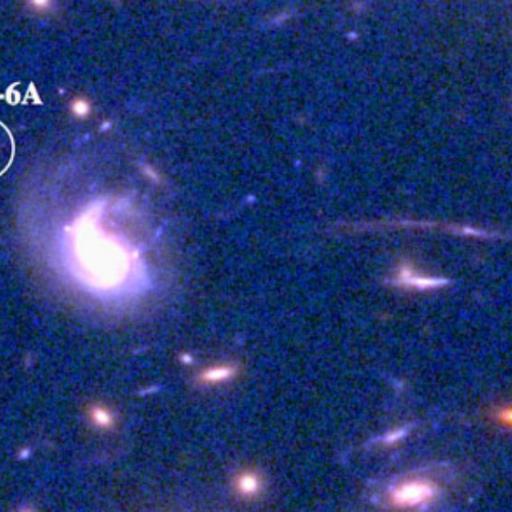
Beyond the planets, stars, and Milky Way lie ultra-distant objects: galaxies and quasars. Here's how far back we've seen throughout history.
It's not about particle-antiparticle pairs falling into or escaping from a black hole. A deeper explanation alters our view of reality.
Although early Earth was a molten hellscape, once it cooled, life arose almost immediately. That original chain of life remains unbroken.
The Earth that exists today wasn't formed simultaneously with the Sun and the other planets. In some ways, we're quite a latecomer.
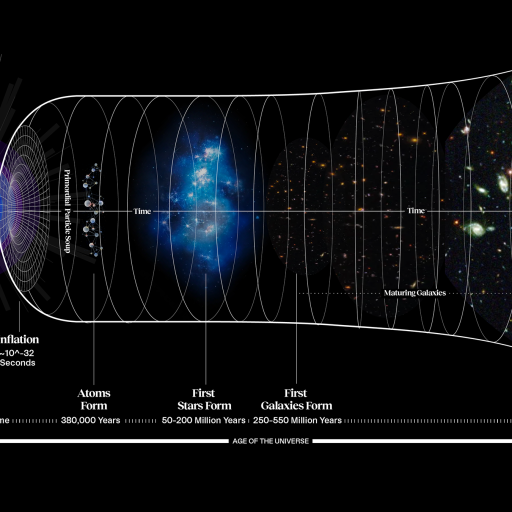
The Universe didn't begin with a bang, but with an inflationary "whoosh" that came before. Here are the biggest questions that still remain.

NASA's Juno mission, in orbit around Jupiter, occasionally flies past its innermost large moon: Io. The volcanic activity is unbelievable.
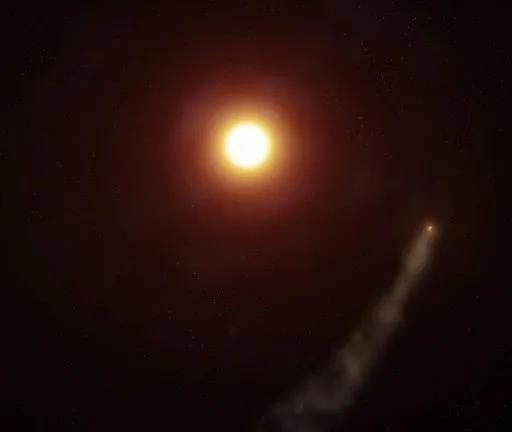
As planets with too many volatiles and too little mass orbit their parent stars, their atmospheres photoevaporate, spelling doom for some.
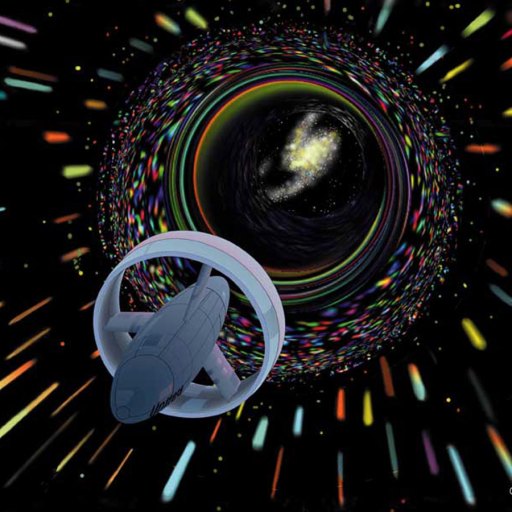
Without wormholes, warp drive, or some type of new matter, energy, or physics, everyone is limited by the speed of light. Or are they?
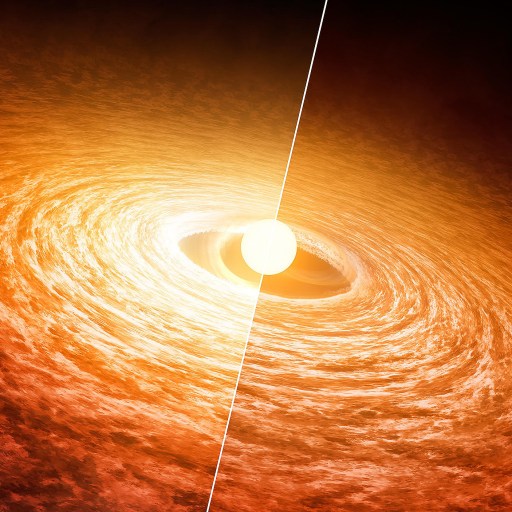
It took 9.2 billion years of cosmic evolution before our Sun and Solar System even began to form. Such a small event has led to so much.