Search
Ethan Siegel
A theoretical astrophysicist and science writer, host of popular podcast “Starts with a Bang!”

Ethan Siegel is a Ph.D. astrophysicist and author of "Starts with a Bang!" He is a science communicator, who professes physics and astronomy at various colleges. He has won numerous awards for science writing since 2008 for his blog, including the award for best science blog by the Institute of Physics. His two books "Treknology: The Science of Star Trek from Tricorders to Warp Drive" and "Beyond the Galaxy: How humanity looked beyond our Milky Way and discovered the entire Universe" are available for purchase at Amazon. Follow him on Twitter @startswithabang.
Read Less
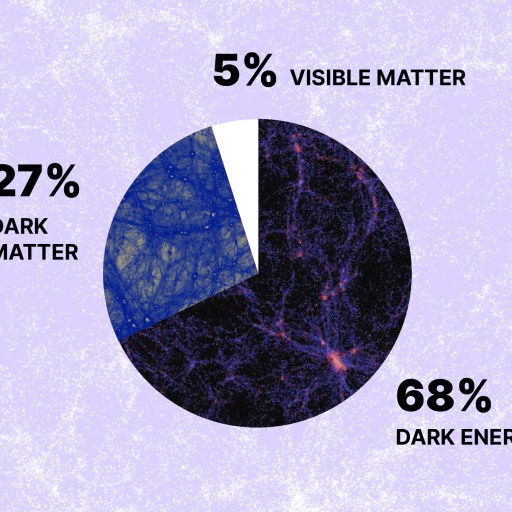
Early on, only matter and radiation were important for the expanding Universe. After a few billion years, dark energy changed everything.
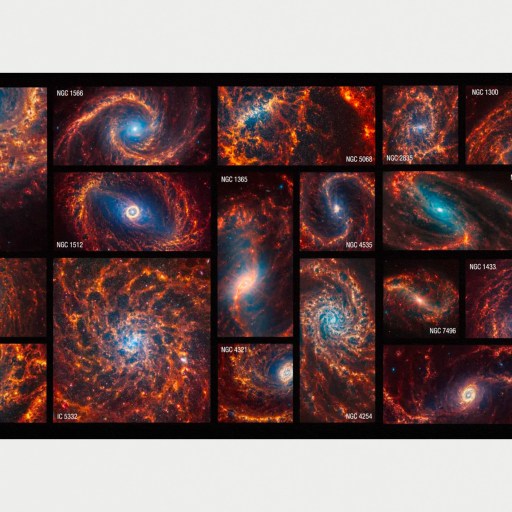
Stars are born, live, and die within the spiral arms of galaxies like the Milky Way. These 19 JWST spirals deliver unprecedented riches.
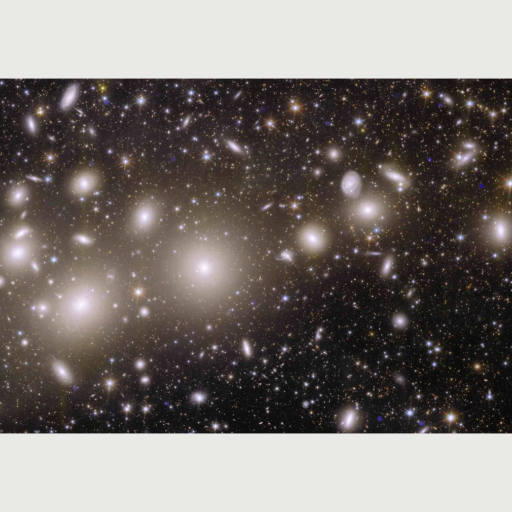
If our Milky Way were located in the Virgo cluster instead of the Local Group, chances are we'd already be a "red and dead" galaxy.
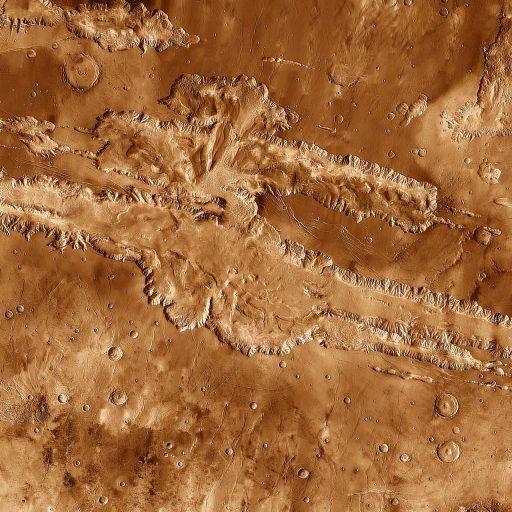
Valles Marineris is the Solar System's grandest canyon, many times longer, wider, and deeper than the Grand Canyon. What scarred Mars so?
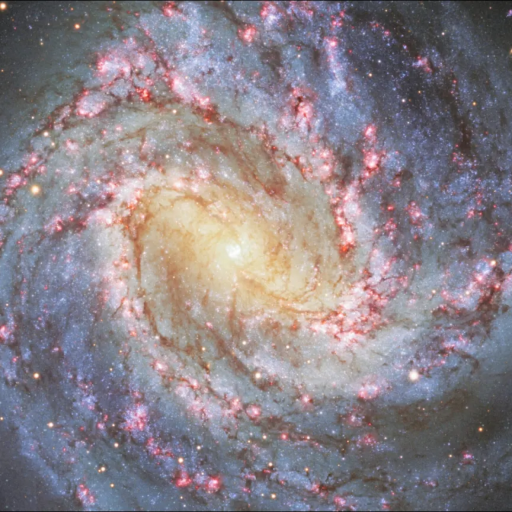
Our own galaxy, the Milky Way, is both completely normal and absolutely remarkable in a number of ways. Here's the story of our cosmic home.
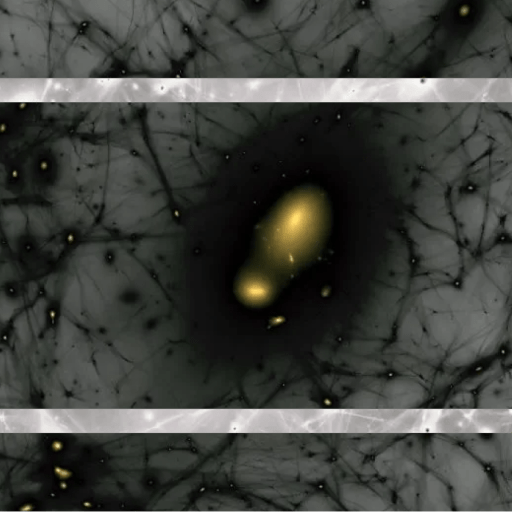
On the largest cosmic scales, galaxies line up along filaments, with great clusters forming at their intersection. Here's how it took shape.
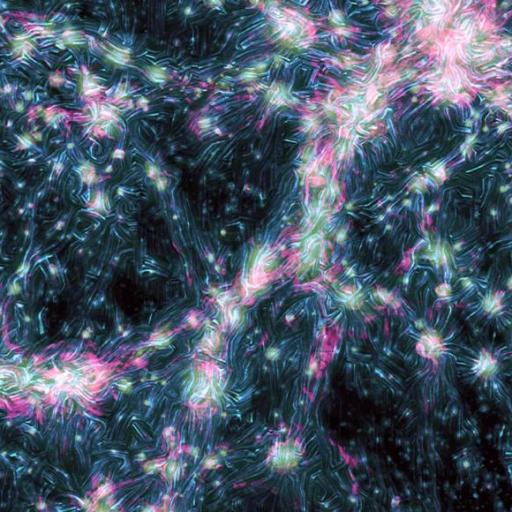
Astronomers claim to have found structures so large, they shouldn't exist. With such biased, incomplete observations, perhaps they don't.
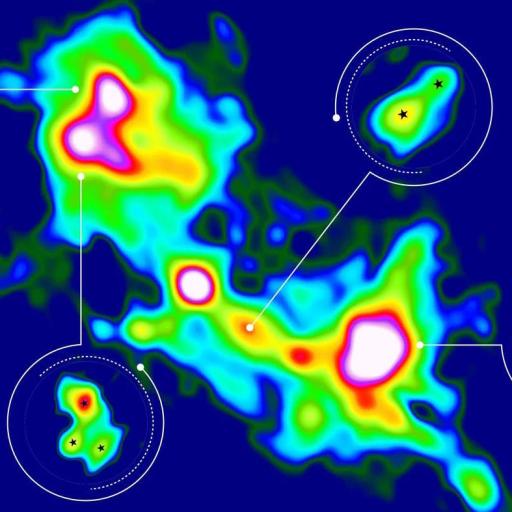
Here in our Solar System, we only have one star: a singlet. For many systems, including the highest-mass ones, that's anything but the norm.
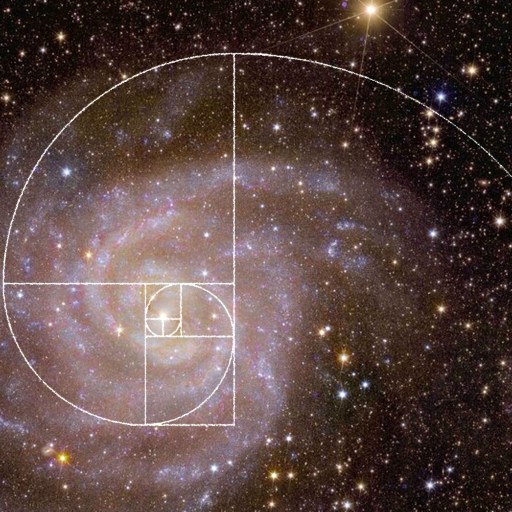
The pattern 1, 1, 2, 3, 5, 8, 13, etc., is the Fibonacci sequence. It shows up all over nature. But what's the full explanation behind it?
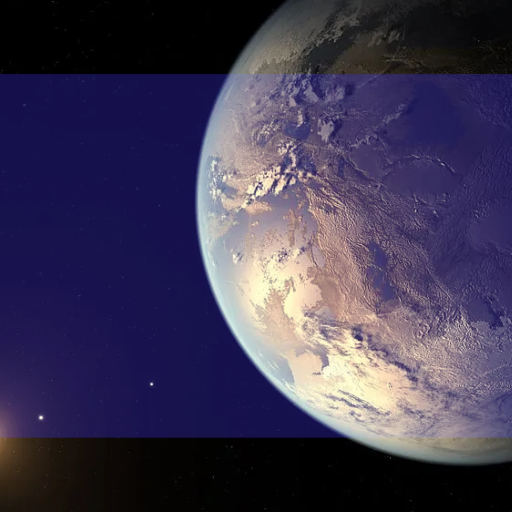
Life became a possibility in the Universe as soon as the raw ingredients were present. But living, inhabited worlds required a bit more.

Today, supermassive black holes and their host galaxies tell a specific story in terms of mass. But JWST reveals a different story early on.
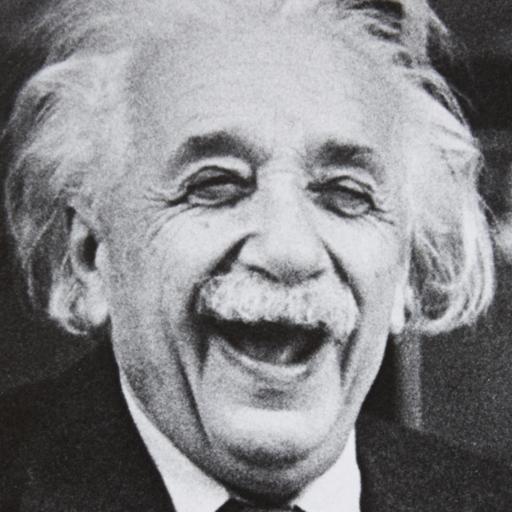
The most celebrated genius in human history didn't just revolutionize physics, but taught many valuable lessons about living a better life.
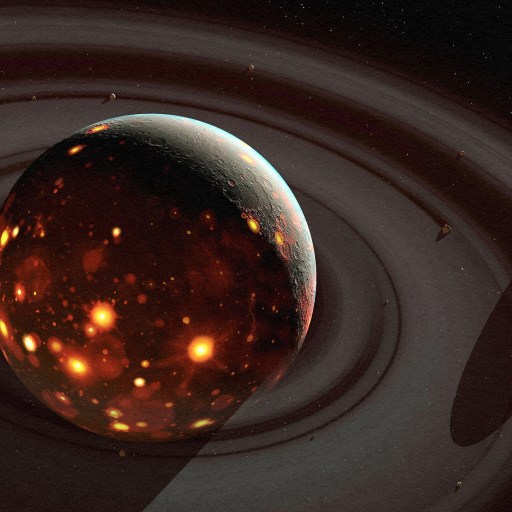
Our cosmic home, planet Earth, has been through a lot over the past 4.5 billion years. Here are some of its most spectacular changes
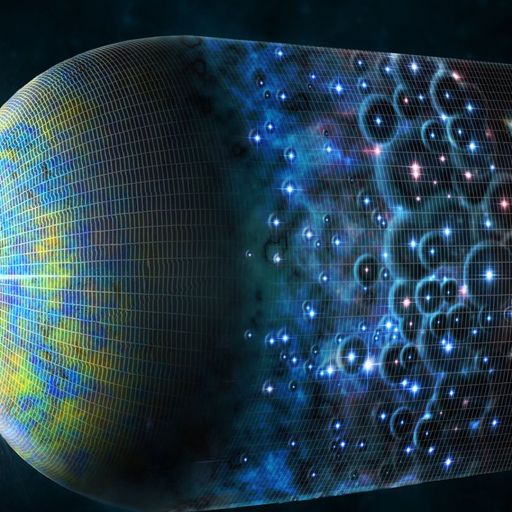
For every proton, there were over a billion others that annihilated away with an antimatter counterpart. So where did all that energy go?
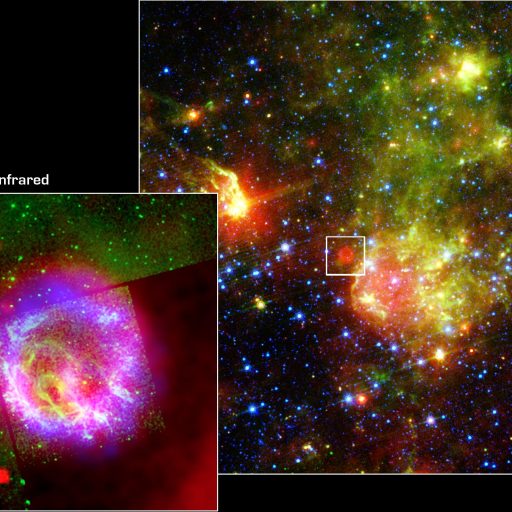
One newly discovered, ancient star has a composition unlike any other. Explaining its existence is already blowing astronomers' minds.
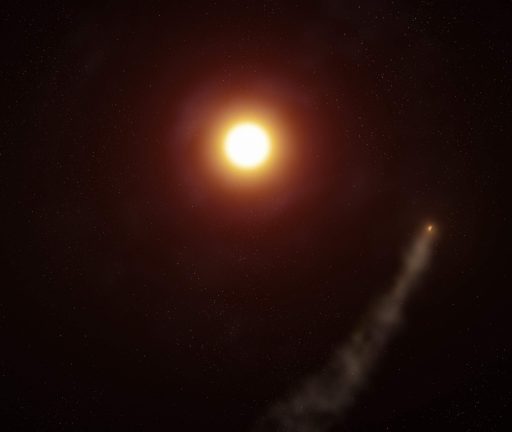
Planets can be Earth-like or Neptune-like, but only rarely are in between. This hot, Saturn-like planet hints at a solution to this puzzle.
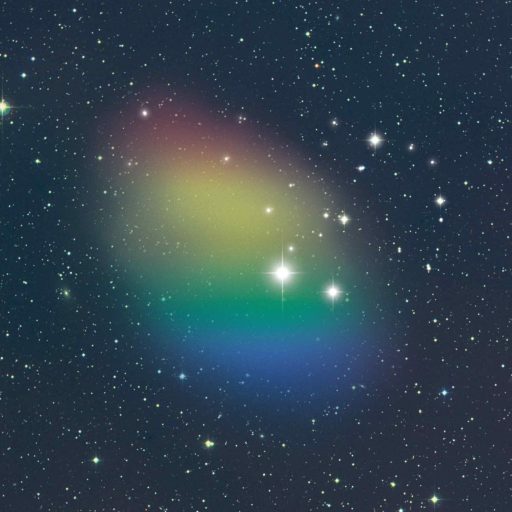
Finding it at all was a happy accident. Examining it further may help unlock the secrets hiding within the earliest galaxies of all.
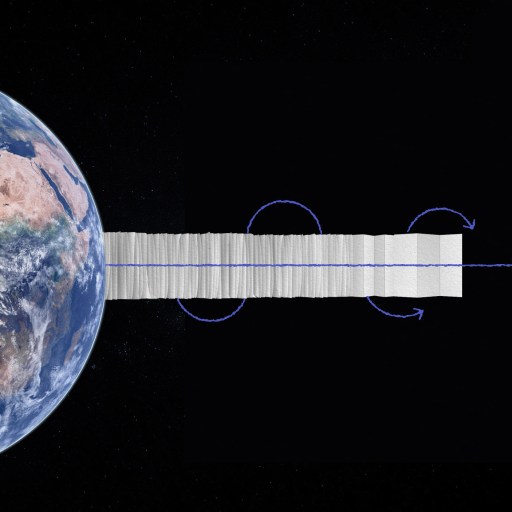
Each time you fold a piece of paper, you double the paper's thickness. It doesn't take all that long to even reach the Moon.

Here in the 21st century, quantum computing is quickly going from a dream to a reality. But what's hype, and what's actually true?

The cosmic scales governing the Universe are almost unbelievably large. What if we shrunk the Sun down to be just a grain of sand?