Search
Ethan Siegel
A theoretical astrophysicist and science writer, host of popular podcast “Starts with a Bang!”

Ethan Siegel is a Ph.D. astrophysicist and author of "Starts with a Bang!" He is a science communicator, who professes physics and astronomy at various colleges. He has won numerous awards for science writing since 2008 for his blog, including the award for best science blog by the Institute of Physics. His two books "Treknology: The Science of Star Trek from Tricorders to Warp Drive" and "Beyond the Galaxy: How humanity looked beyond our Milky Way and discovered the entire Universe" are available for purchase at Amazon. Follow him on Twitter @startswithabang.
Read Less
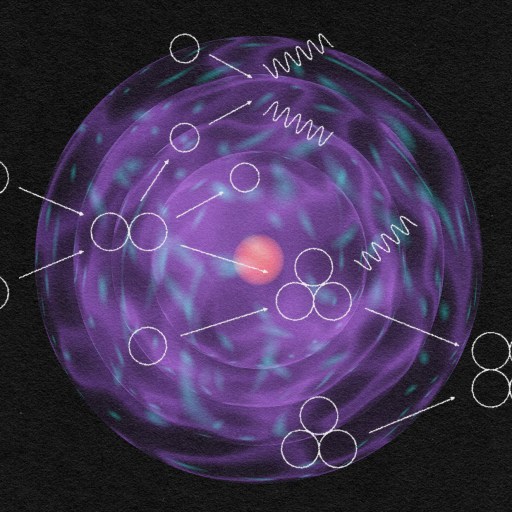
The first elements in the Universe formed just minutes after the Big Bang, but it took hundreds of thousands of years before atoms formed.
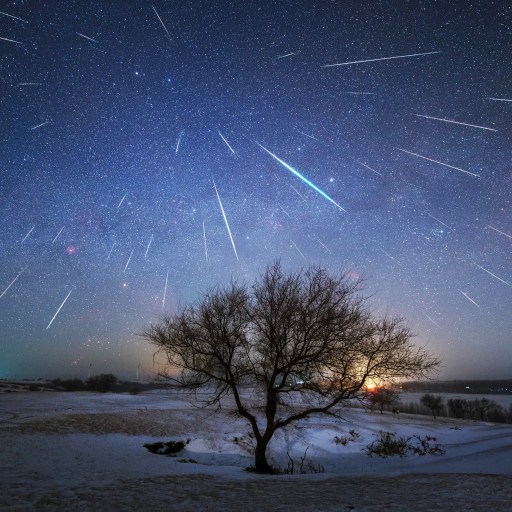
Each December, the Geminid meteor shower puts on a show for skywatchers across Earth. With a new Moon at 2023's peak, it'll be outstanding!
The brilliant mind who discovered the spacetime solution for rotating black holes claims singularities don't physically exist. Is he right?
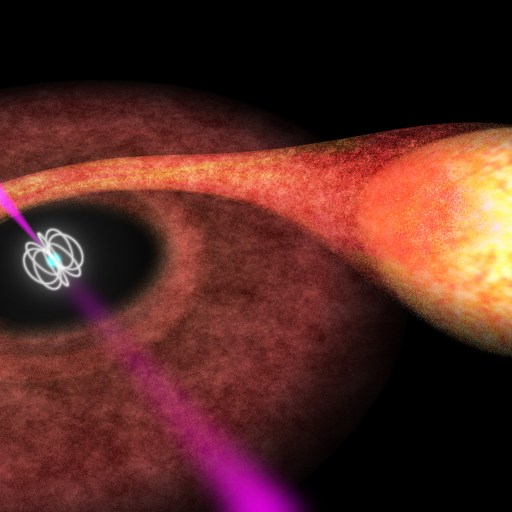
Nearly half of all stars are born in binary systems, with the most massive ones dying the fastest. It's not pretty for the "second" star.
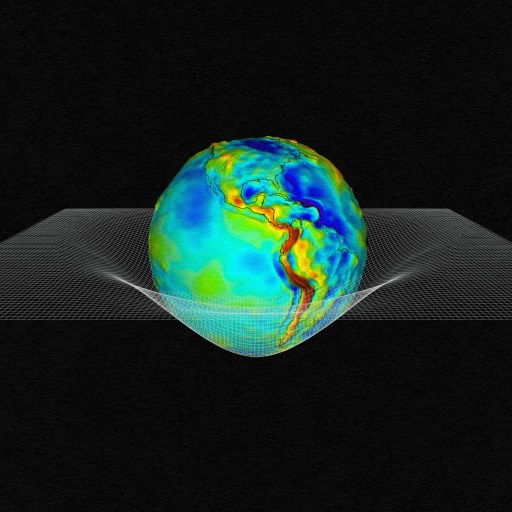
In general relativity, matter and energy curve spacetime, which we experience as gravity. Why can't there be an "antigravity" force?

In the early stages of the hot Big Bang, there were only free protons and neutrons: no atomic nuclei. How did the first elements form from them?
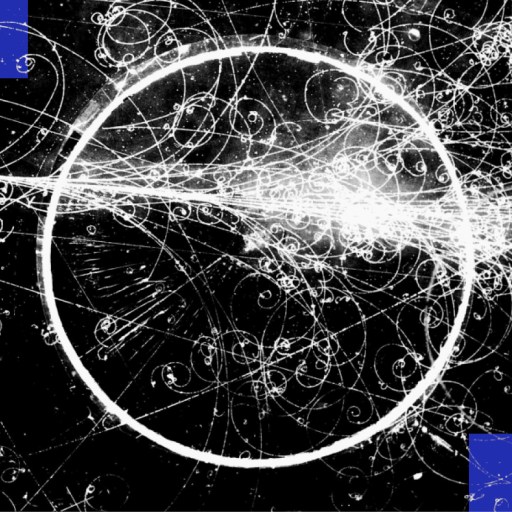
In the early stages of the hot Big Bang, matter and antimatter were (almost) balanced. After a brief while, matter won out. Here's how.
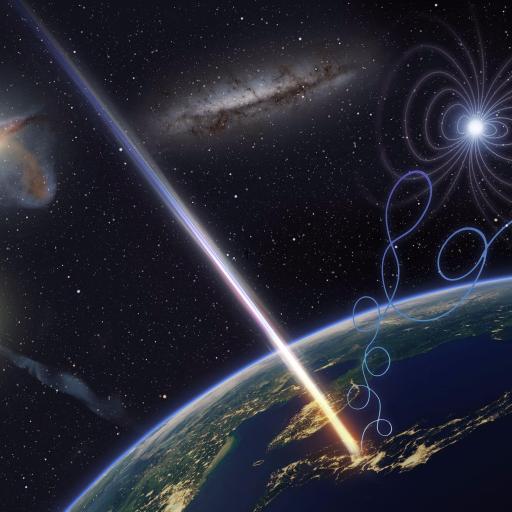
The highest-energy particles could be a sign of new, unexpected physics. But the simplest, most mundane explanation is particularly iron-ic.
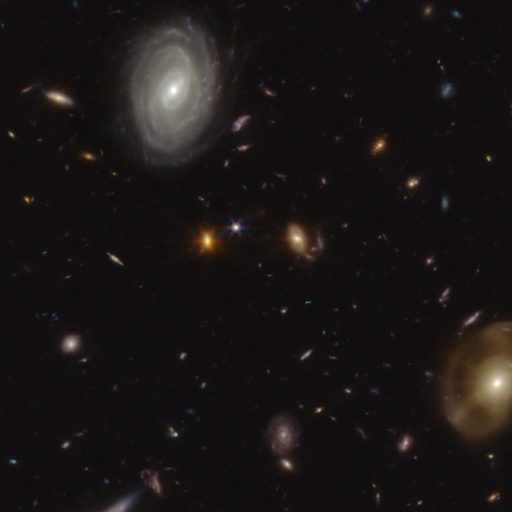
In 2022, Hubble owned the record for most distant galaxy. Today, that galaxy is down to the 9th most distant object. Thanks, JWST.
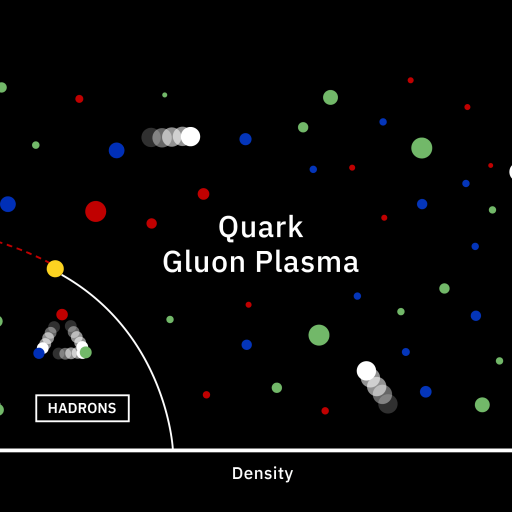
For a substantial fraction of a second after the Big Bang, there was only a quark-gluon plasma. Here's how protons and neutrons arose.
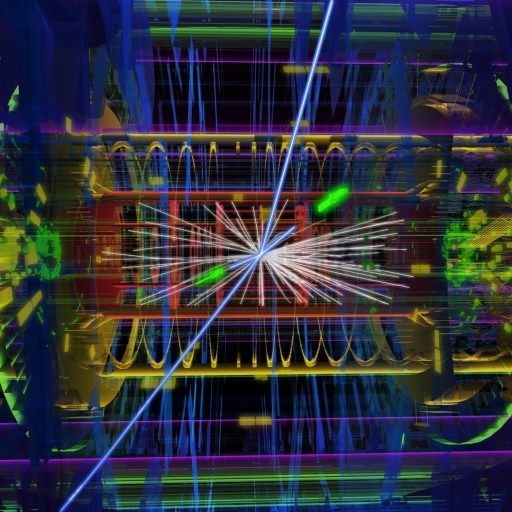
In the very early Universe, practically all particles were massless. Then the Higgs symmetry broke, and suddenly everything was different.
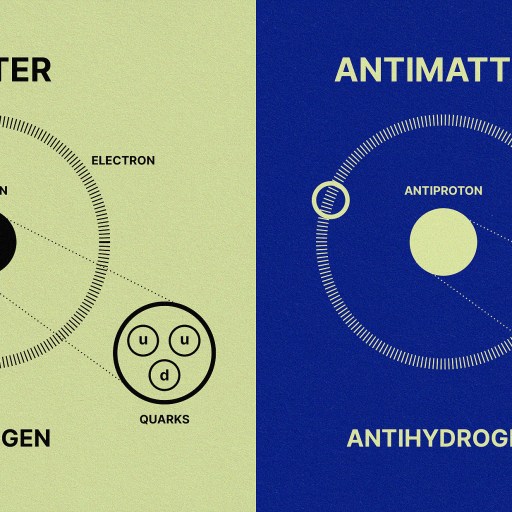
In the earliest stages of the hot Big Bang, equal amounts of matter and antimatter should have existed. Why aren't they equal today?
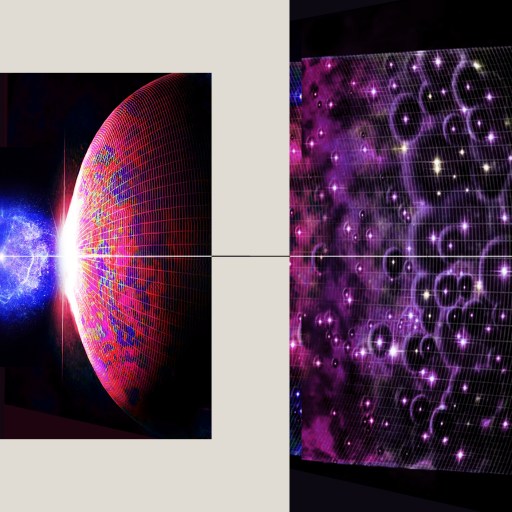
When the hot Big Bang first occurred, the Universe reached a maximum temperature never recreated since. What was it like back then?
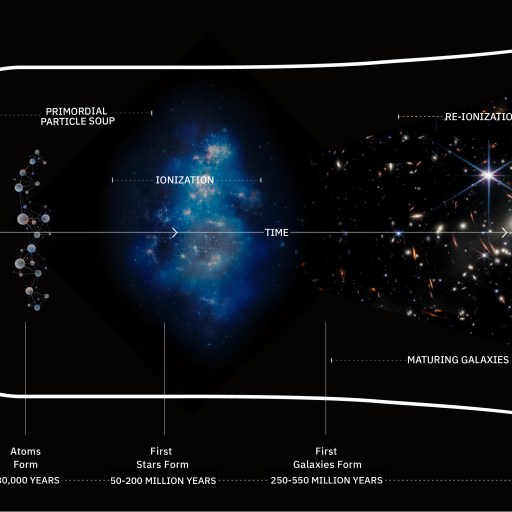
Some 13.8 billion years ago, the Universe became hot, dense, and filled with high-energy quanta all at once. Here's what it was like.

Perhaps the most remarkable fact about the Universe is simply that it, and everything in it, exists. But what's the reason why?
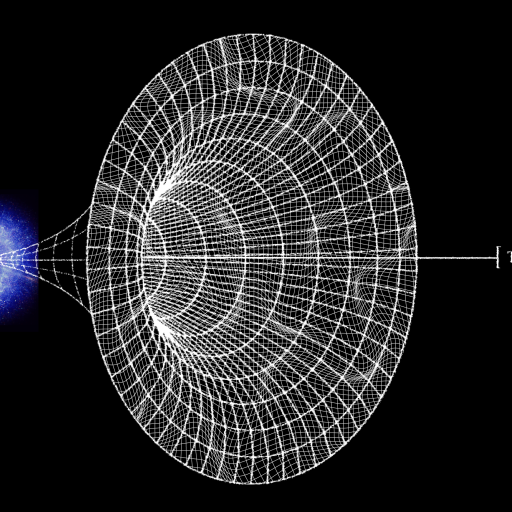
Cosmic inflation is the state that preceded and set up the hot Big Bang. Here's what the Universe was like during that time period.

With LEDs bringing brighter nighttime lighting than ever before, and thousands of new satellites polluting the skies, astronomy needs help.
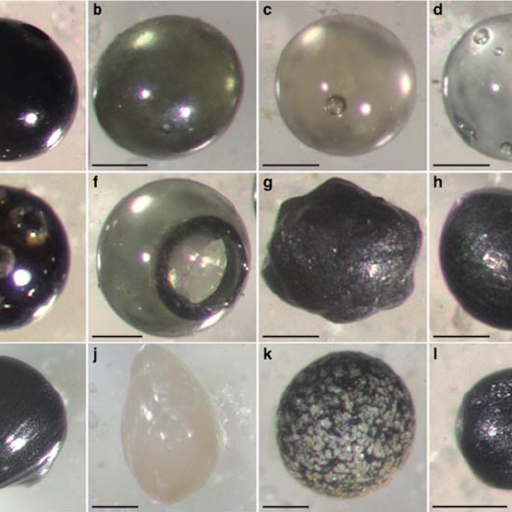
Finding alien technology on the seafloor would be truly incredible. This extraordinary claim, however, is debunked by the actual evidence.
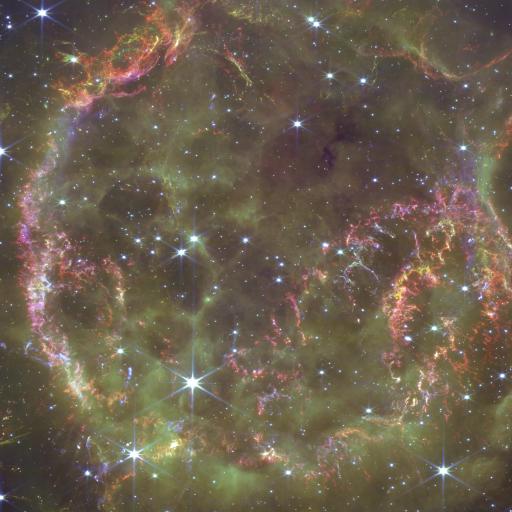
In 1667, a core-collapse supernova happened right here in the Milky Way, invisible to all humans. ~350 years later, here's what JWST sees.
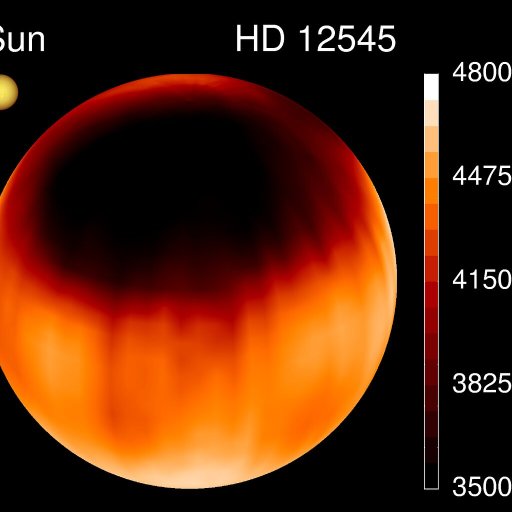
When we look at our Sun, its properties are incredibly constant, varying by merely ~0.1% over time. But all stars don't play by those rules.