Search
Ethan Siegel
A theoretical astrophysicist and science writer, host of popular podcast “Starts with a Bang!”

Ethan Siegel is a Ph.D. astrophysicist and author of "Starts with a Bang!" He is a science communicator, who professes physics and astronomy at various colleges. He has won numerous awards for science writing since 2008 for his blog, including the award for best science blog by the Institute of Physics. His two books "Treknology: The Science of Star Trek from Tricorders to Warp Drive" and "Beyond the Galaxy: How humanity looked beyond our Milky Way and discovered the entire Universe" are available for purchase at Amazon. Follow him on Twitter @startswithabang.
Read Less
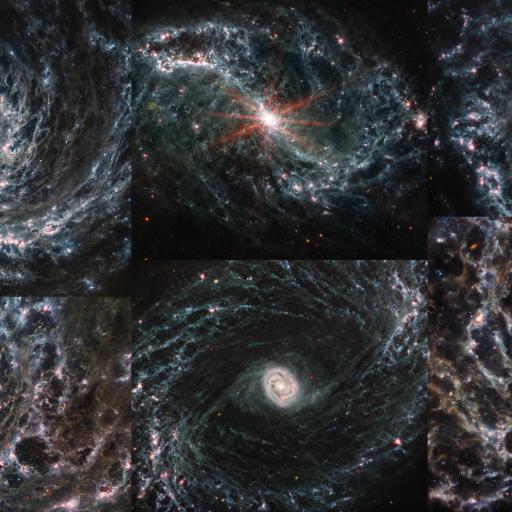
How does star-formation, occurring in small regions within galaxies, affect the entire host galaxy that contains it? JWST holds the answers.
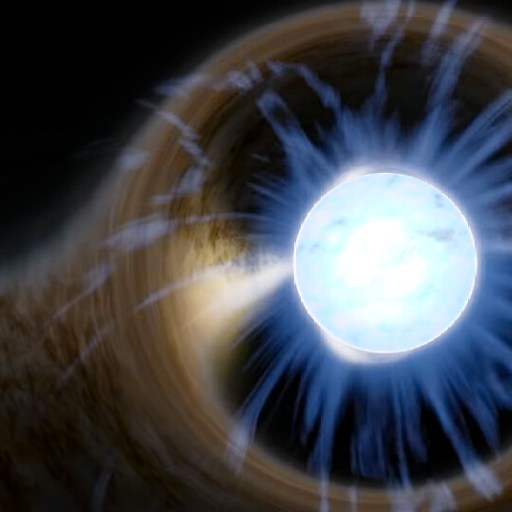
Neutrons can be stable when bound into an atomic nucleus, but free neutrons decay away in mere minutes. So how are neutron stars stable?

Dark matter hasn't been directly detected, but some form of invisible matter is clearly gravitating. Could the graviton hold the answer?
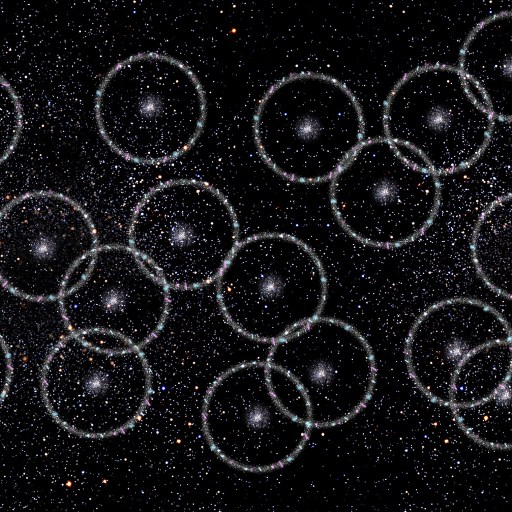
A spherical structure nearly one billion light-years wide has been spotted in the nearby Universe, dating all the way back to the Big Bang.
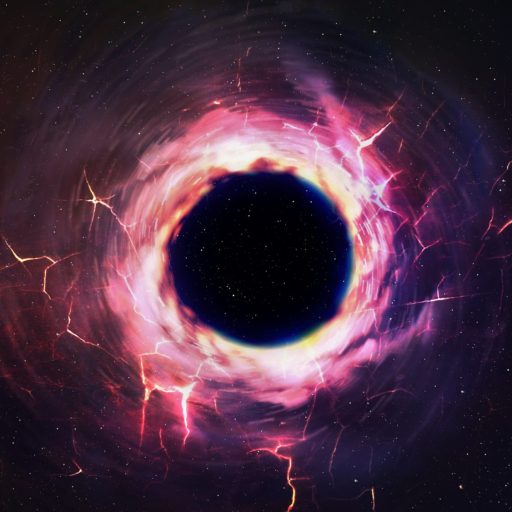
The matter that creates black holes won't be what comes out when they evaporate. Will the black hole information paradox ever be solved?
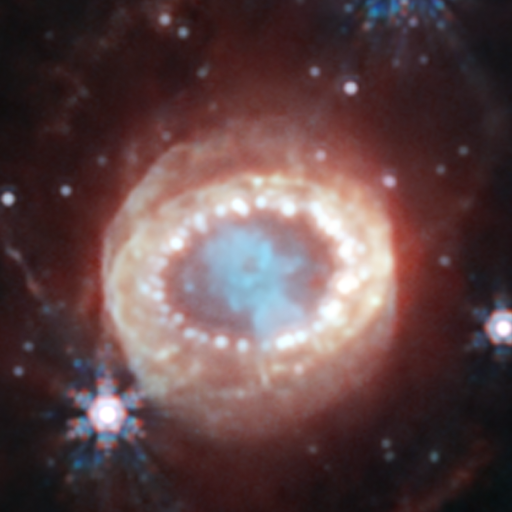
In 1987, the closest supernova directly observed in nearly 400 years occurred. Will a pulsar arise from those ashes? JWST offers clues.
Three fundamental forces matter inside an atom, but gravity is mind-bogglingly weak on those scales. Could extra dimensions explain why?
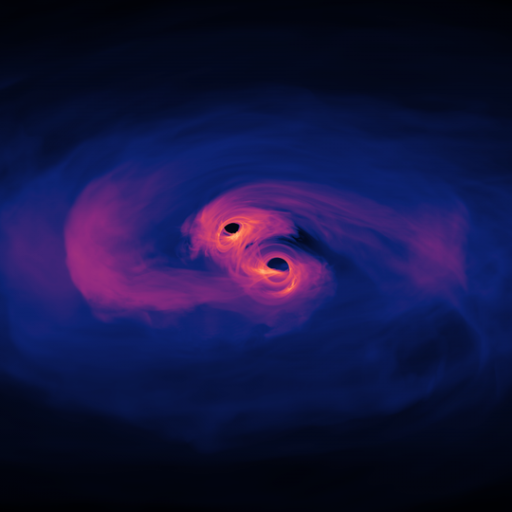
Newton thought that gravitation would happen instantly, propagating at infinite speeds. Einstein showed otherwise; gravity isn't instant.
There are a few clues that the Universe isn't completely adding up. Even so, the standard model of cosmology holds up stronger than ever.
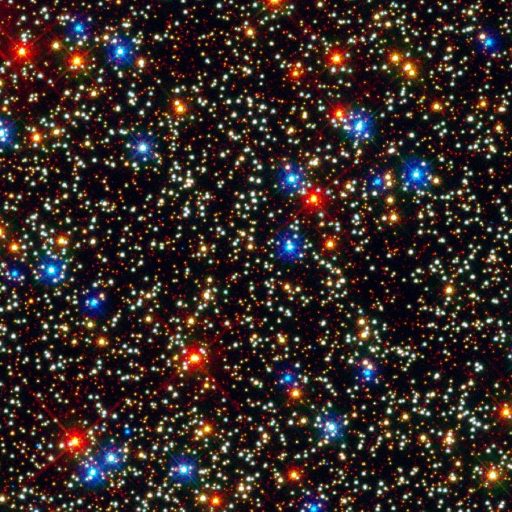
With ~400 billion stars in the Milky Way and 6-20 trillion galaxies overall, that makes for a lot of stars. But not as many as you'd think.
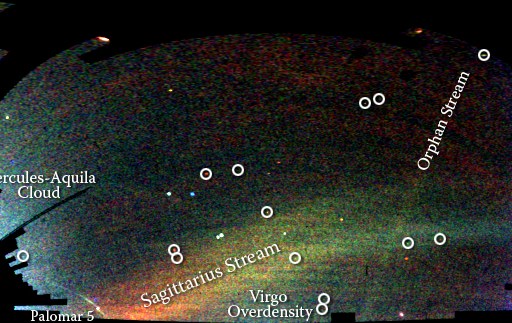
The biggest, brightest galaxies are the easiest to spot, but the tiniest ones teach us about how the Milky Way assembled and grew up!
American students are being compelled to specialize earlier and earlier. Here's what it takes to build a successful physics foundation.
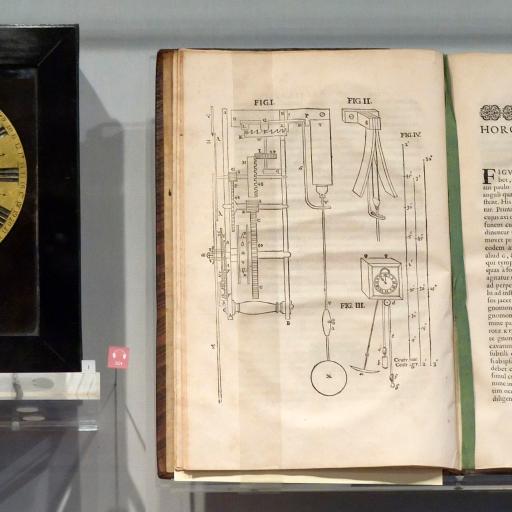
A clock, designed and built in Europe, ran hopelessly at the wrong rate when brought to America. The physics of gravity explains why.
Can quantum computers do things that standard, classical computers can't? No. But if they can calculate faster, that's quantum supremacy.
When the average person has a "theory," they're just guessing. But for a scientist, a theory is the pinnacle of what we can achieve.
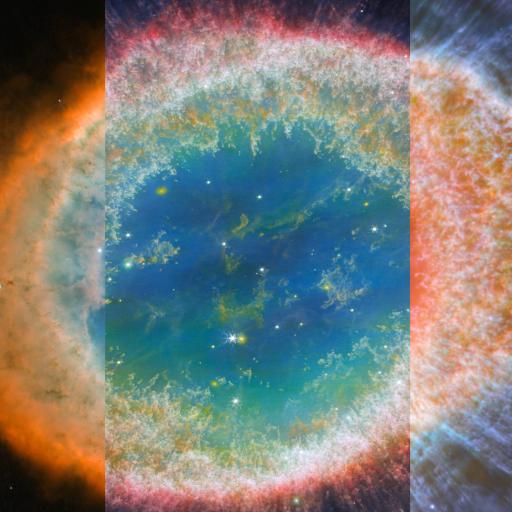
The "Ring Nebula," known for almost 250 years, is so much more than a Ring. With JWST's capabilities, we're seeing more than ever before.
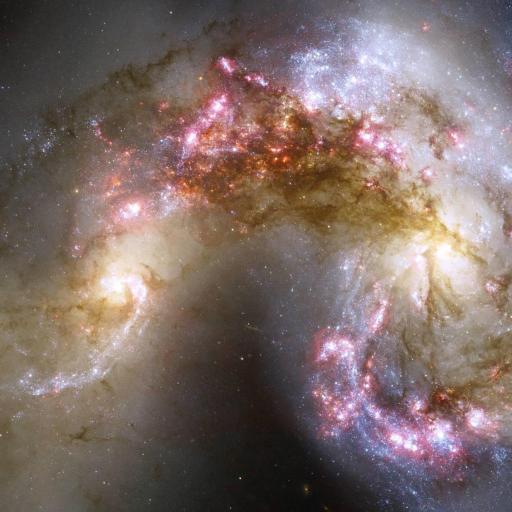
The Universe isn't just expanding, the expansion is also accelerating. If that's true, how will the Milky Way and Andromeda eventually merge?
By probing the Universe on atomic scales and smaller, we can reveal the entirety of the Standard Model, and with it, the quantum Universe.
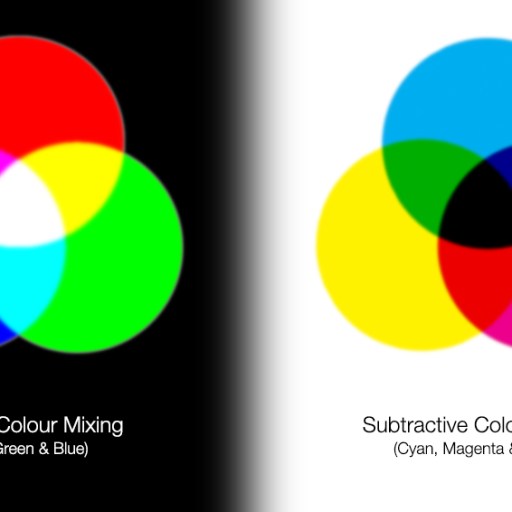
When what we predict and what we measure don't add up, that's a sign there's something new to learn. Could it be a new fundamental force?
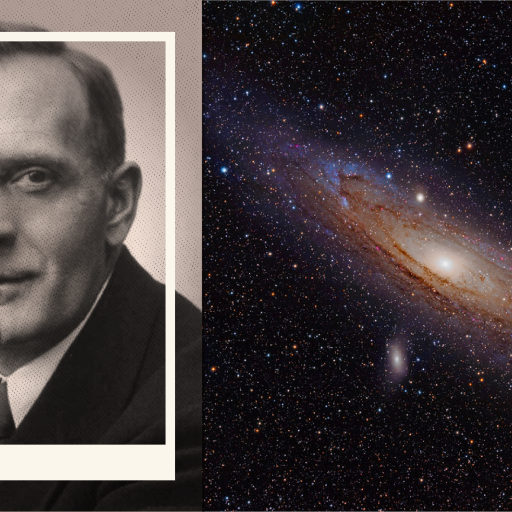
The first observational evidence showing the Universe is expanding is 100 years old now: in 2023. Here's the story of its 100th anniversary.