Search
Ethan Siegel
A theoretical astrophysicist and science writer, host of popular podcast “Starts with a Bang!”

Ethan Siegel is a Ph.D. astrophysicist and author of "Starts with a Bang!" He is a science communicator, who professes physics and astronomy at various colleges. He has won numerous awards for science writing since 2008 for his blog, including the award for best science blog by the Institute of Physics. His two books "Treknology: The Science of Star Trek from Tricorders to Warp Drive" and "Beyond the Galaxy: How humanity looked beyond our Milky Way and discovered the entire Universe" are available for purchase at Amazon. Follow him on Twitter @startswithabang.
Read Less

How fast is the Universe expanding? Two major methods disagree. New JWST data, just released, strengthens this Hubble tension even further.
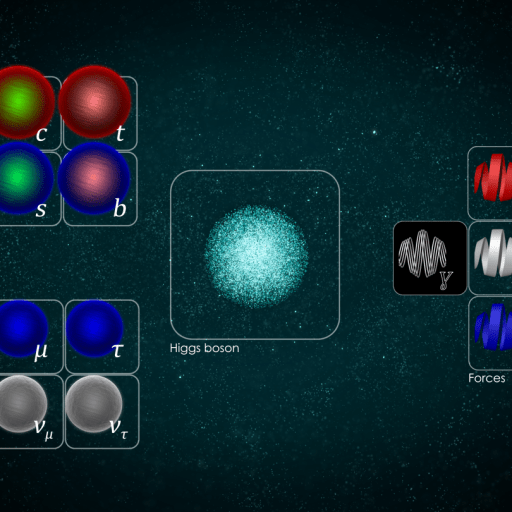
Some constants, like the speed of light, exist with no underlying explanation. How many "fundamental constants" does our Universe require?
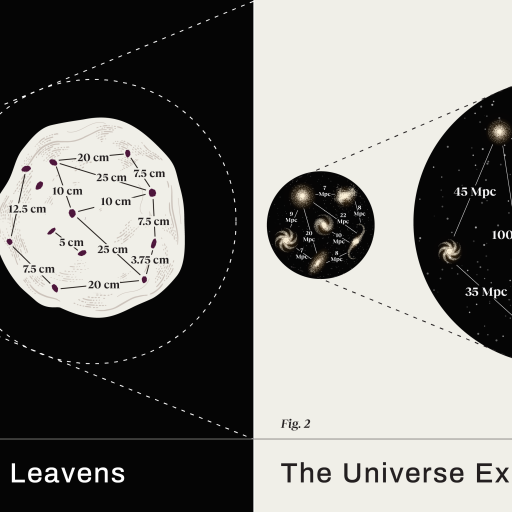
Two fundamentally different ways of measuring the expanding Universe disagree. What's the root cause of this Hubble tension?
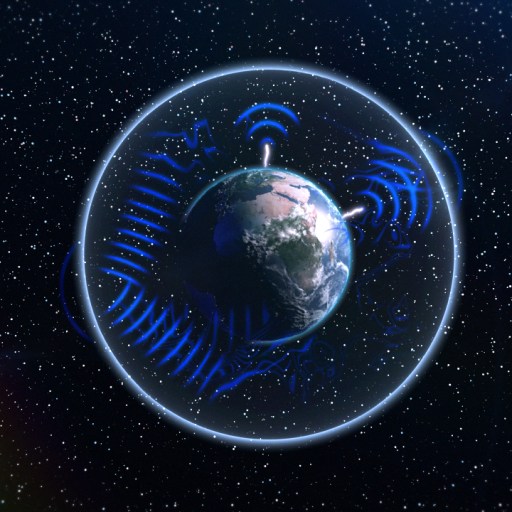
The Schumann resonances are the background hum of the entire planet. But they don't affect humans in any way.

LK-99, almost certainly, isn't a room-temperature superconductor. The underlying physics of the phenomenon helps us understand why.
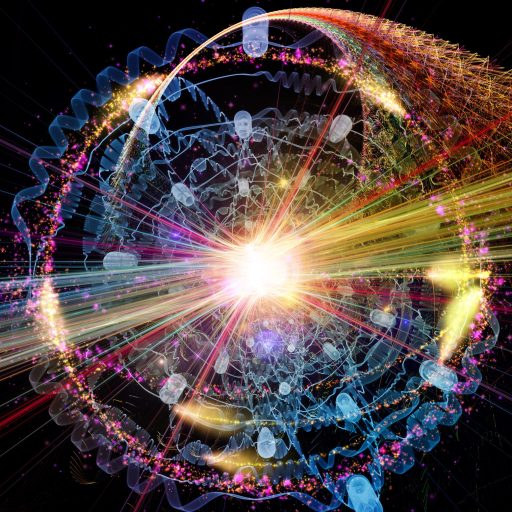
The visible Universe extends 46.1 billion light-years from us, while we've probed scales down to as small as ~10^-19 meters.
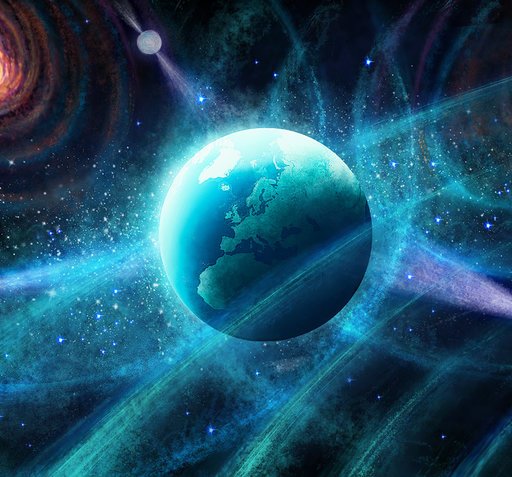
How scientists are hearing the gravitational background "hum" of the Universe for the very first time.

Einstein's laws of gravity have been challenged many times, but have always emerged victorious. Could wide binary stars change all that?
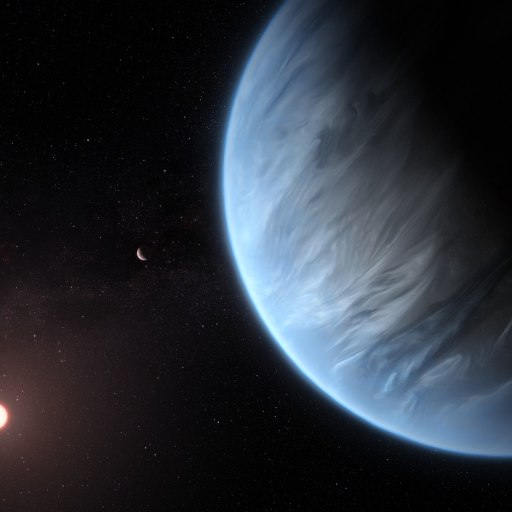
Each of our three nearest stars might have an Earth-like planet in orbit around it. Here's what we'll learn when we finally observe it.
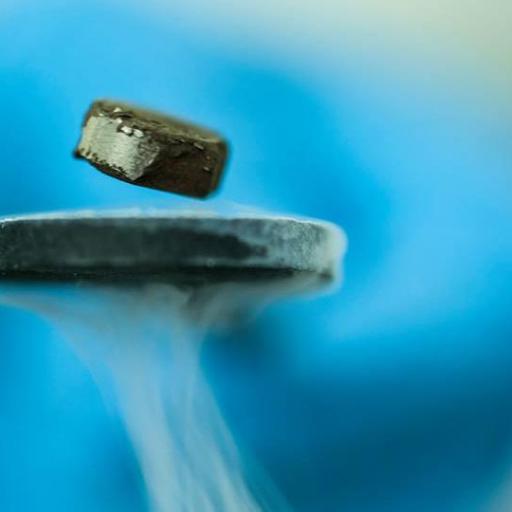
Is LK-99 truly a room temperature superconductor? These 4 tests, none of which have yet been passed, will separate fact from fiction.
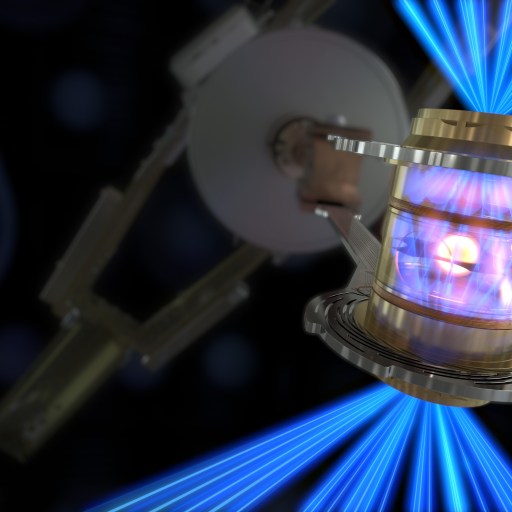
The National Ignition Facility just repeated, and improved upon, their earlier demonstration of nuclear fusion. Now, the true race begins.
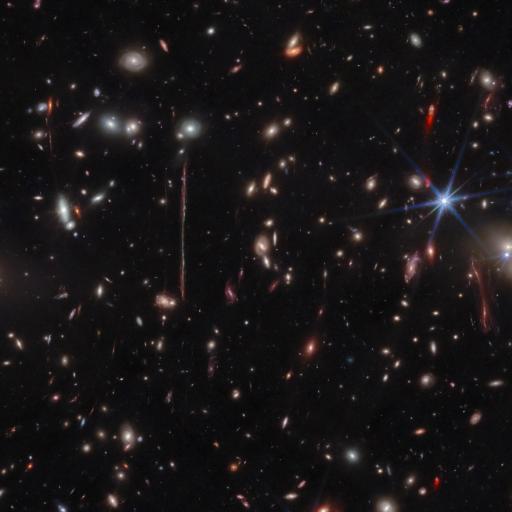
From when its light was emitted, the El Gordo galaxy cluster might be the most massive object in all of existence. Here's how JWST sees it.
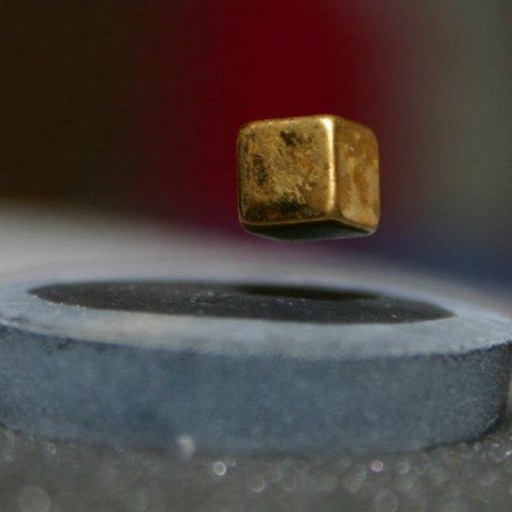
Recent claims put LK-99 as the first room temperature, ambient pressure superconductor ever. Has the game changed, or is it merely hype?
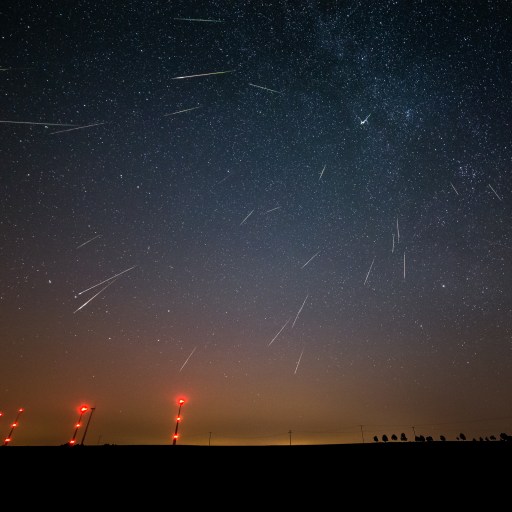
Each year in mid-August, Earth plows through the debris stream of an enormous comet, creating the Perseids. 2023's show will be magnificent!
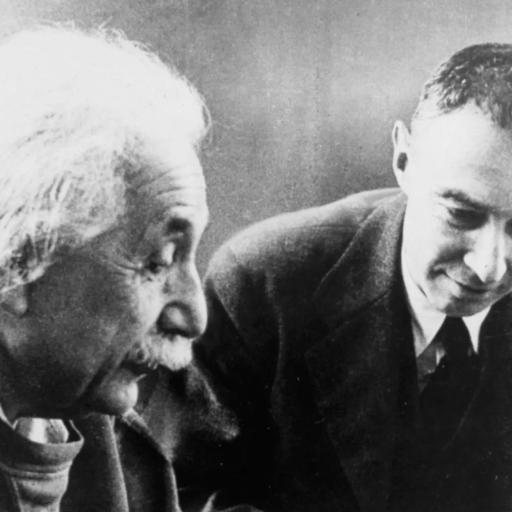
Even with the quantum rules governing the Universe, there are limits to what matter can withstand. Beyond that, black holes are unavoidable.
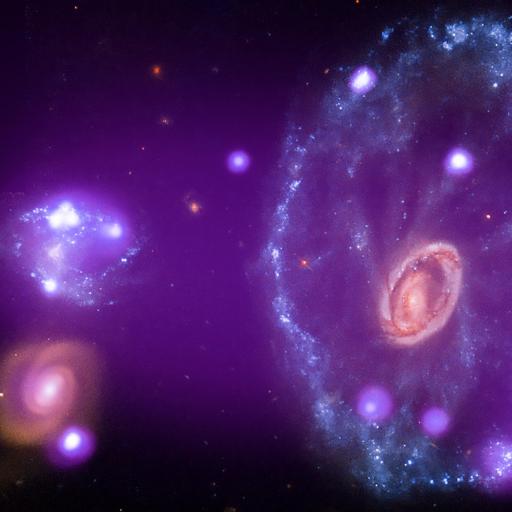
There are two types of missing, or "dark" matter: baryonic (made of normal matter) and non-baryonic. Have we finally found the normal stuff?
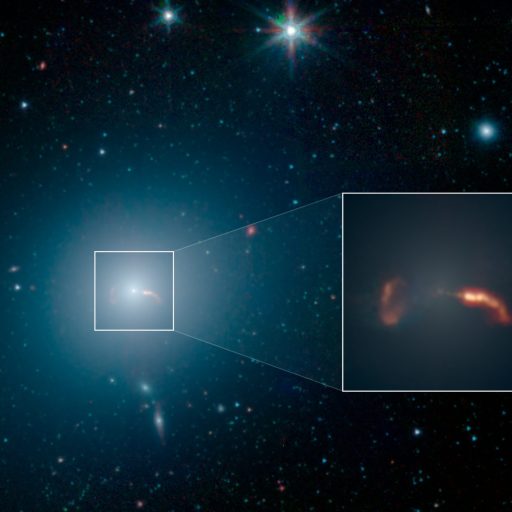
Nothing can escape from a black hole. So where do Hawking radiation, relativistic jets, and X-ray emissions around black holes come from?

Back in the 1930s, Fritz Zwicky postulated the existence of dark matter. No one took it seriously until Vera Rubin's work: 40 years later.
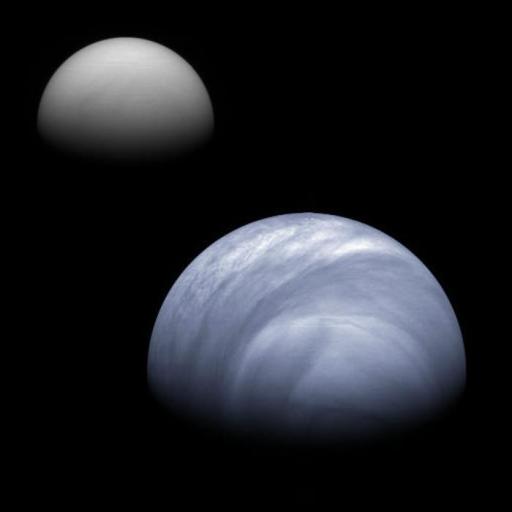
Can two planets stably share the same orbit? Conventional wisdom says no, but a look at Saturn's moons might tell a different story.
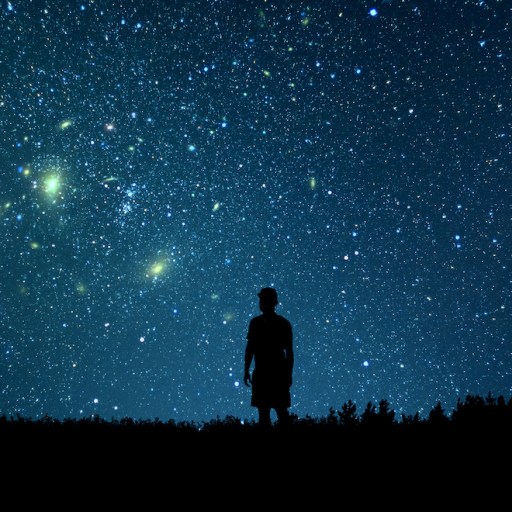
All stars, eventually, run out of fuel and die. Given all the stars we can see and the vast distance to them, are any of them already dead?