Search
Ethan Siegel
A theoretical astrophysicist and science writer, host of popular podcast “Starts with a Bang!”

Ethan Siegel is a Ph.D. astrophysicist and author of "Starts with a Bang!" He is a science communicator, who professes physics and astronomy at various colleges. He has won numerous awards for science writing since 2008 for his blog, including the award for best science blog by the Institute of Physics. His two books "Treknology: The Science of Star Trek from Tricorders to Warp Drive" and "Beyond the Galaxy: How humanity looked beyond our Milky Way and discovered the entire Universe" are available for purchase at Amazon. Follow him on Twitter @startswithabang.
Read Less
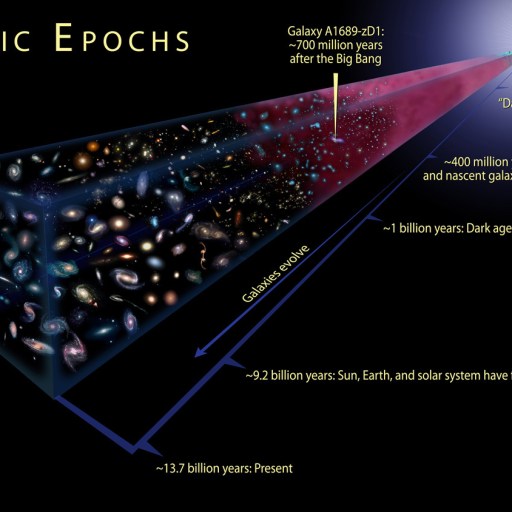
With a finite 13.8 billion years having passed since the Big Bang, there's an edge to what we can see: the cosmic horizon. What's it like?

Gamma-ray bursts are among the most energetic cosmic events of all. On October 9, 2022, a remarkable one occurred: the brightest ever seen.
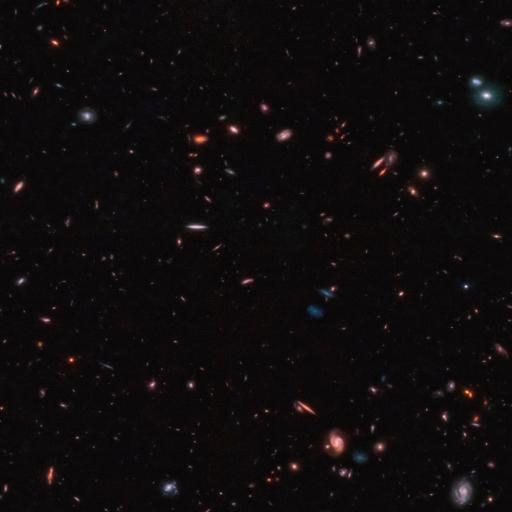
Many galaxies really are ultra-distant, but some are just intrinsically red or dusty. Only with spectroscopy can JWST tell which is which.

Mercury, Venus, and Mars are all uni-plate planets, and may always have been. Here's what's known about why Earth, uniquely, has plate tectonics.
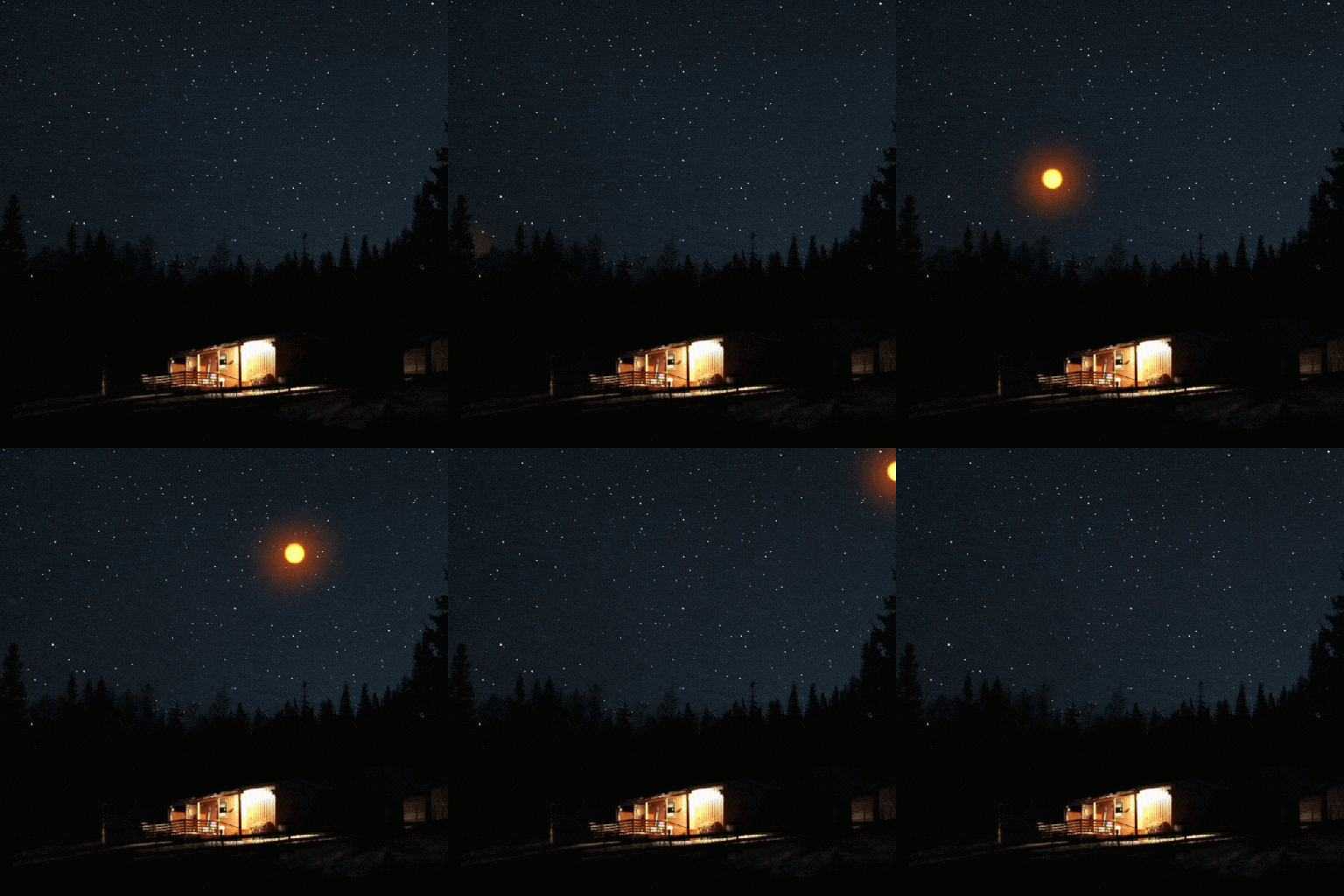
Lots of people have seen lots of bizarre events and phenomena that defy our conventional experience. But is there a scientific explanation?
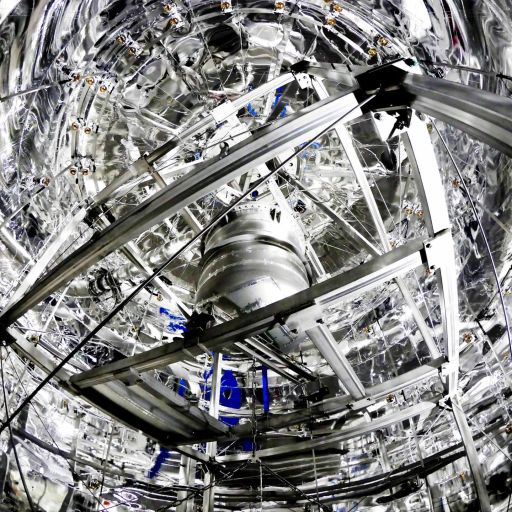
With a bigger, better, and more sensitive detector, the XENON collaboration joins LZ and PANDA-X in constraining WIMP dark matter.
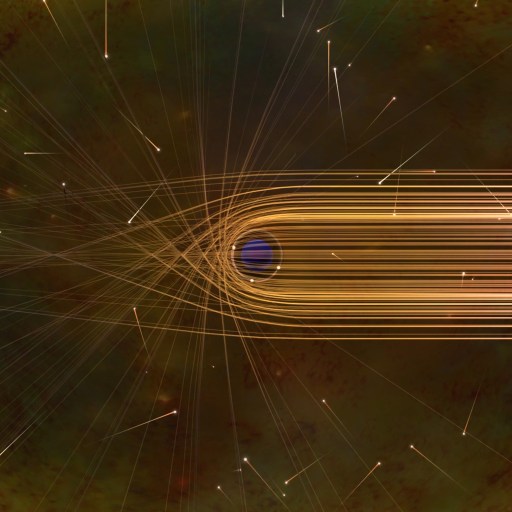
What do we mean by a black hole's size? A photon sphere? The minimal stable orbit? The event horizon? The singularity? Which one is right?
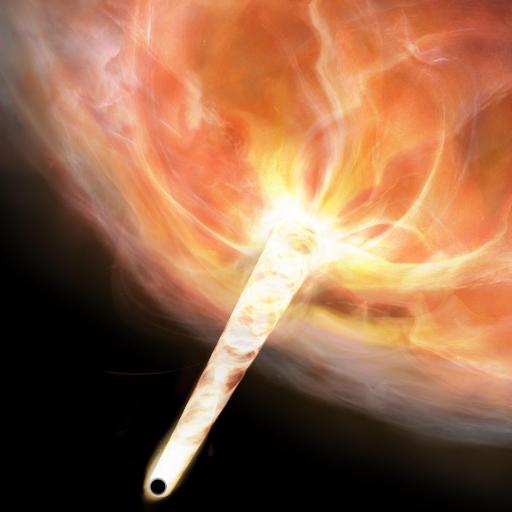
Speeding through the Universe and leaving a wake of new stars, this runaway supermassive black hole is likely the first among thousands.
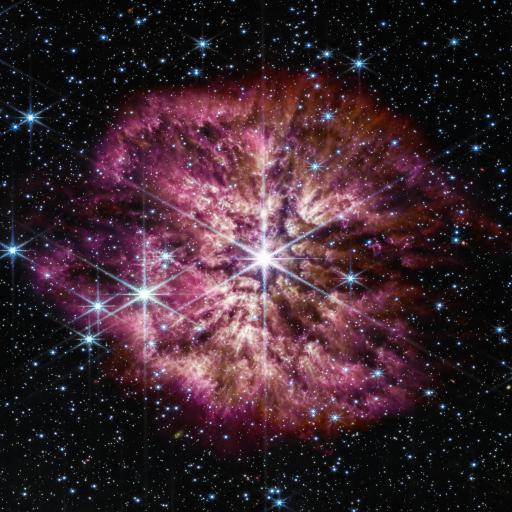
This beautiful JWST image of Wolf-Rayet star WR 124 has been called a "prelude to a supernova" by NASA. That might be entirely wrong.

If there are three neutrino species, all with different masses, then how is energy conserved when they oscillate from one flavor to another?
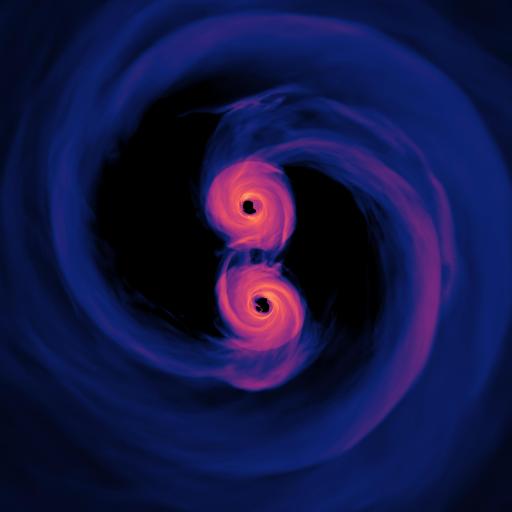
When supermassive black holes merge, they emit more energy than anything else to occur in our Universe except the Big Bang.
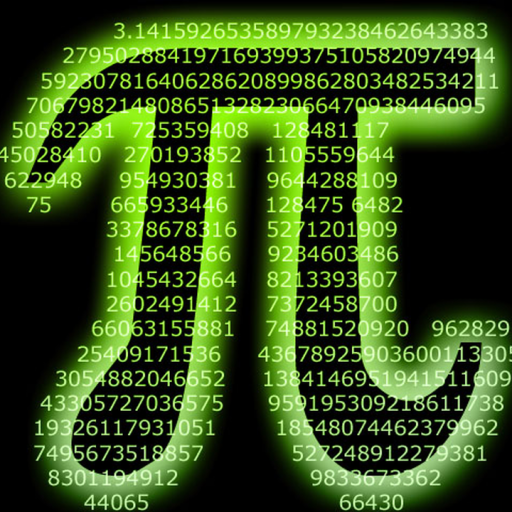
It's the best-known transcendental number of all-time, and March 14 (3/14 in many countries) is the perfect time to celebrate Pi (π) Day!
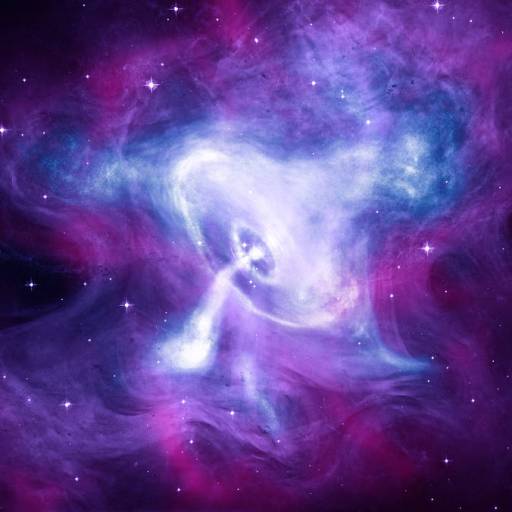
We can't go back to the Big Bang, nor ahead to the heat death of the Universe. Nevertheless, here are today's natural temperature extremes.
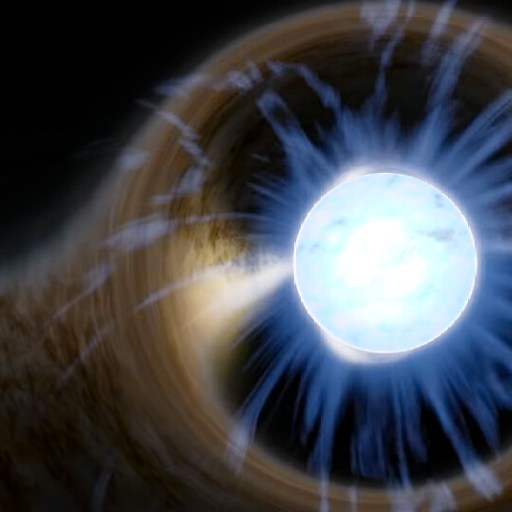
Somewhere out there in the Universe is the heaviest neutron star, and elsewhere lies the lightest black hole. Where's the line between them?
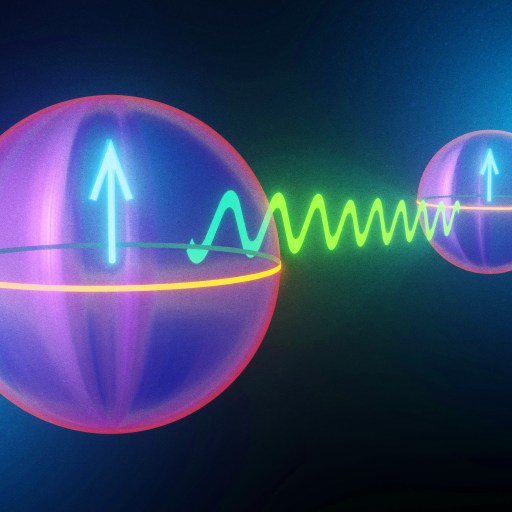
Two very different ideas, wormholes and quantum entanglement, might be fundamentally related. What would "ER = EPR" mean for our Universe?
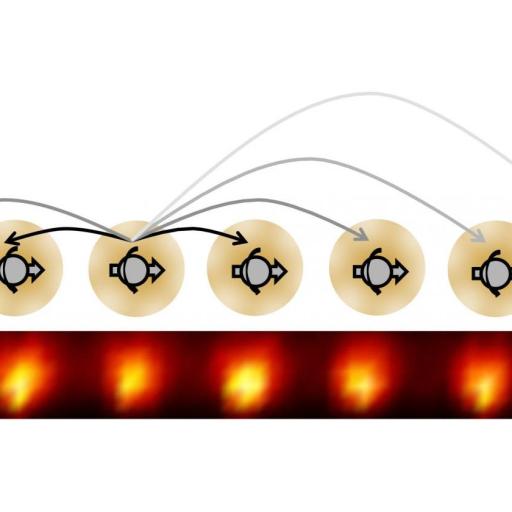
Even with quantum teleportation and the existence of entangled quantum states, faster-than-light communication still remains impossible.
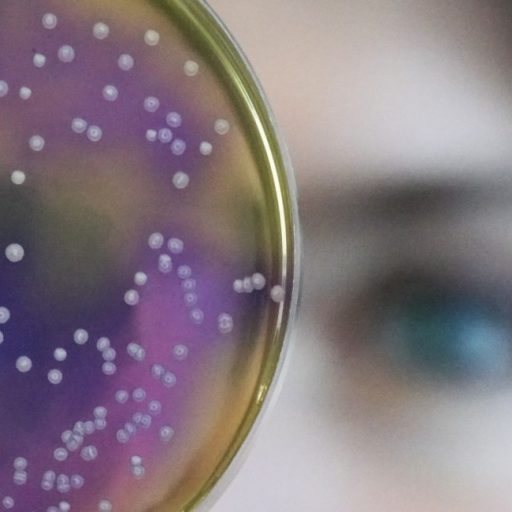
Left to their own devices, yeast cells will consume all available resources and poison themselves to death. Is humanity smarter than that?
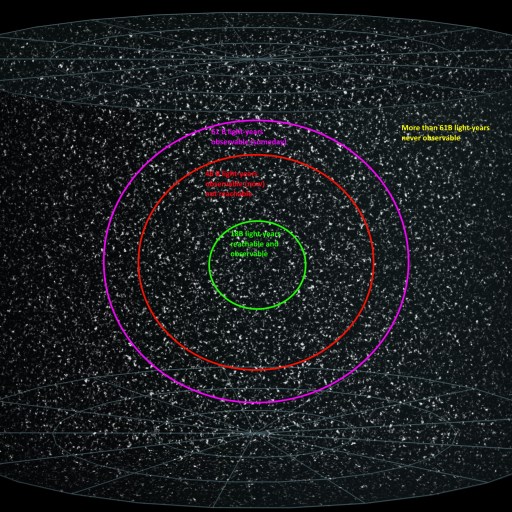
The zero-point energy of empty space is not zero. Even with all the physics we know, we have no idea how to calculate what it ought to be.
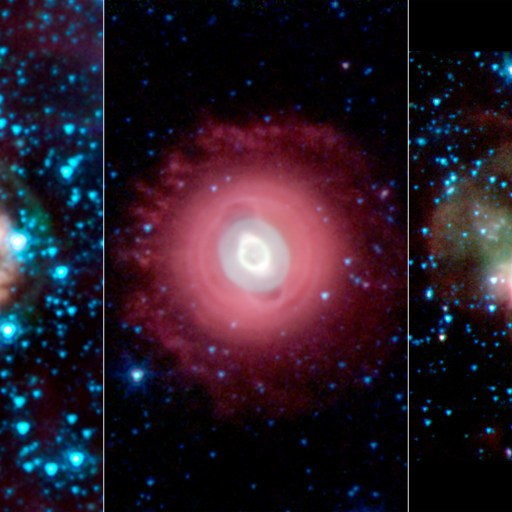
What kind of object will you form? What will its fate be? How long will a star live? Almost everything is determined by mass alone.
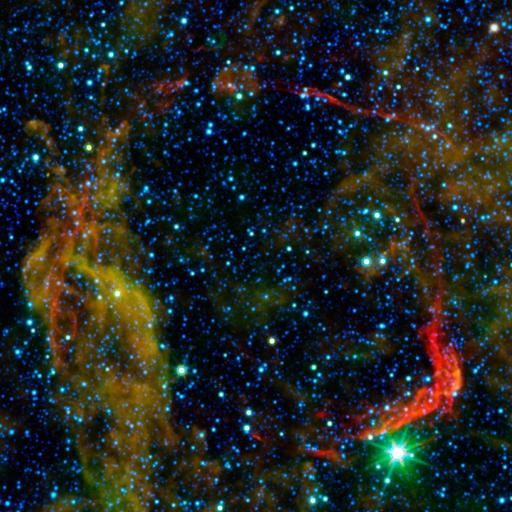
If stars don't go supernova at first, they can get a second chance after becoming a white dwarf. But can their companions survive?