Search
Ethan Siegel
A theoretical astrophysicist and science writer, host of popular podcast “Starts with a Bang!”

Ethan Siegel is a Ph.D. astrophysicist and author of "Starts with a Bang!" He is a science communicator, who professes physics and astronomy at various colleges. He has won numerous awards for science writing since 2008 for his blog, including the award for best science blog by the Institute of Physics. His two books "Treknology: The Science of Star Trek from Tricorders to Warp Drive" and "Beyond the Galaxy: How humanity looked beyond our Milky Way and discovered the entire Universe" are available for purchase at Amazon. Follow him on Twitter @startswithabang.
Read Less
In general relativity, white holes are just as mathematically plausible as black holes. Black holes are real; what about white holes?
Many people out there, including scientists, claim to have discovered a series of game-changing revolutions. Here's why we don't buy it.
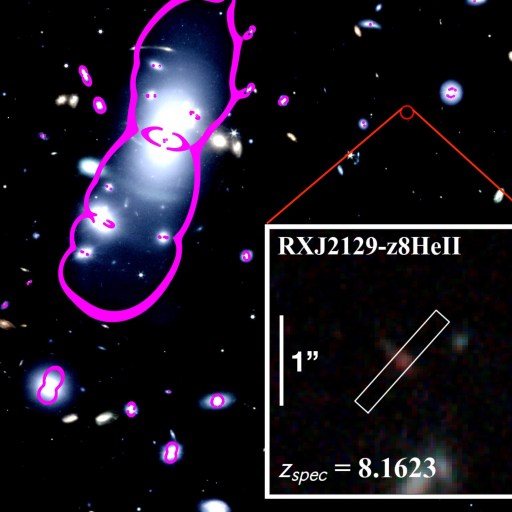
The Universe certainly formed stars, at one point, for the very first time. But we haven't found them yet. Here's what everyone should know.
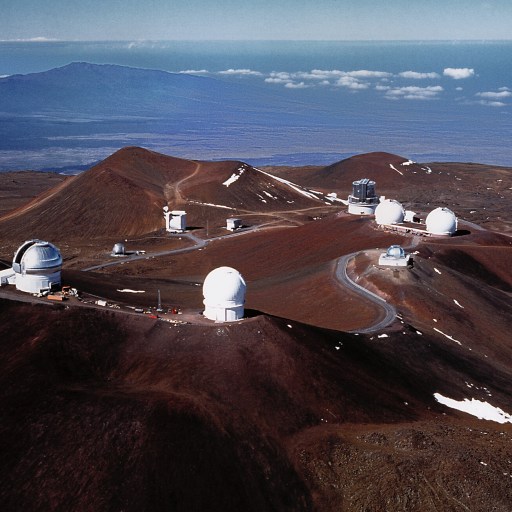
A history of injustice and the greatest natural location for ground-based telescopes have long been at odds. Here's how the healing begins.
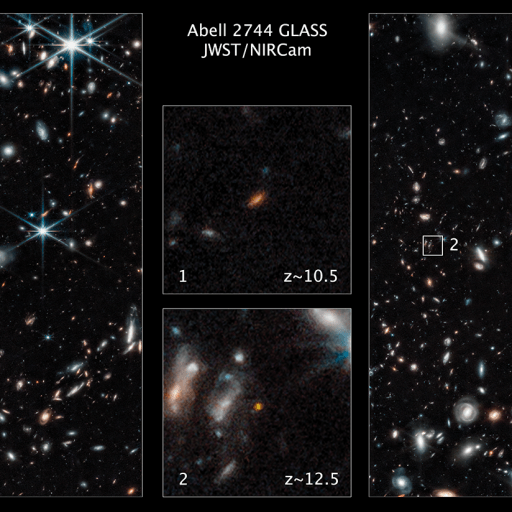
Along with gravitational lensing and ALMA's incredible long-wavelength spectroscopy, JWST is reshaping our view of the early Universe.
When you bring two fingers together, you can feel them "touch" each other. But are your atoms really touching, and if so, how?
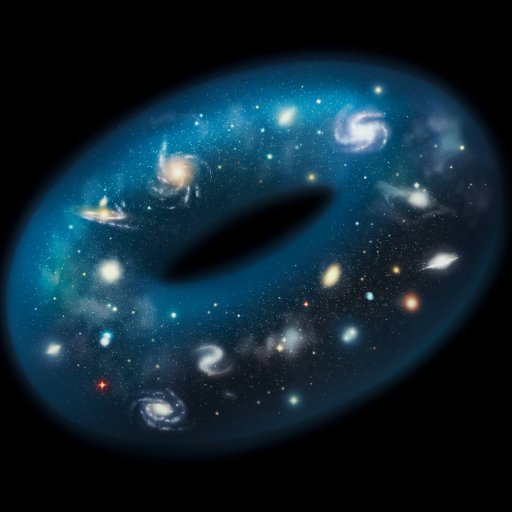
In Einstein's relativity and the Standard Model, we only have three spatial dimensions. But there could be more, and many think there are.

Capacitors, acid batteries, and other methods of storing electric charges all lose energy over time. These gravity-fed batteries won't.
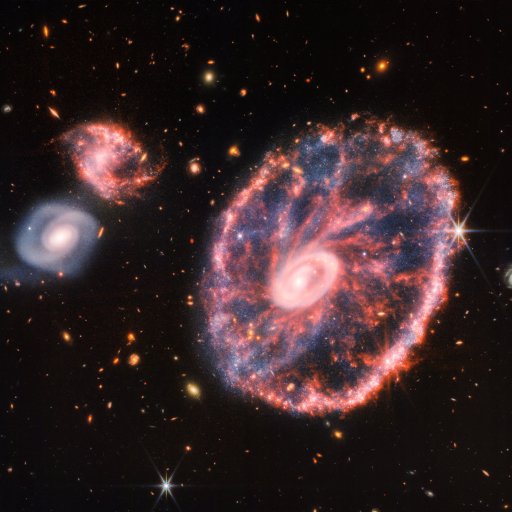
Humanity's newest, most powerful space telescope is performing even better than predicted. The reason why is unprecedented.
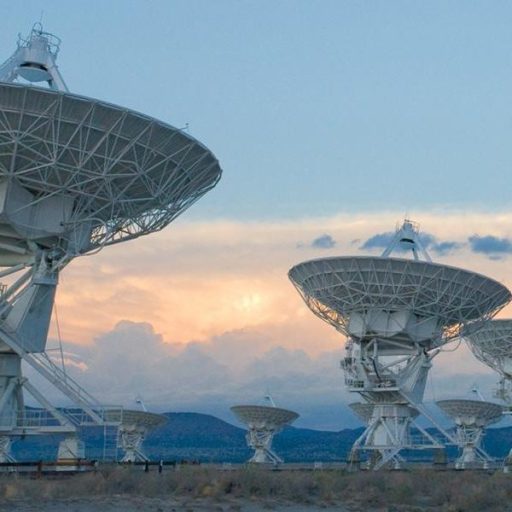
Individual space telescopes, like Hubble and JWST, revolutionized our knowledge of the Universe. What if we had an array of them, instead?
The information we have in the Universe is finite and limited, but our curiosity and wonder is forever insatiable. And always will be.
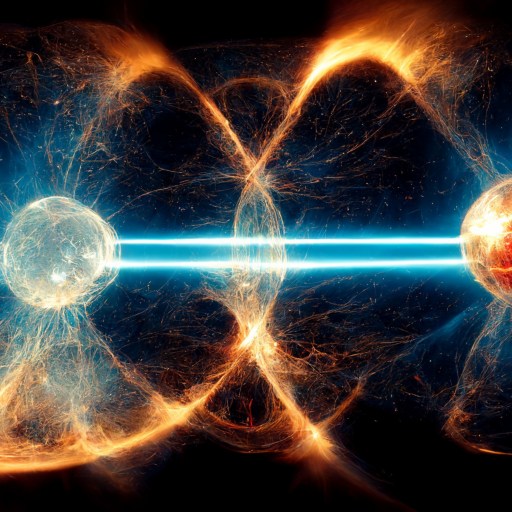
It isn't just identical particles that can be entangled, but even those with fundamentally different properties interfere with each other.
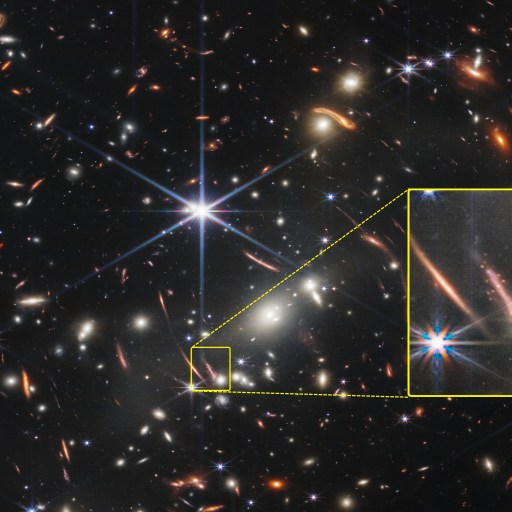
Most globular clusters appear to form their stars all at once, but there are exceptions. JWST just observed how "second formations" happen.
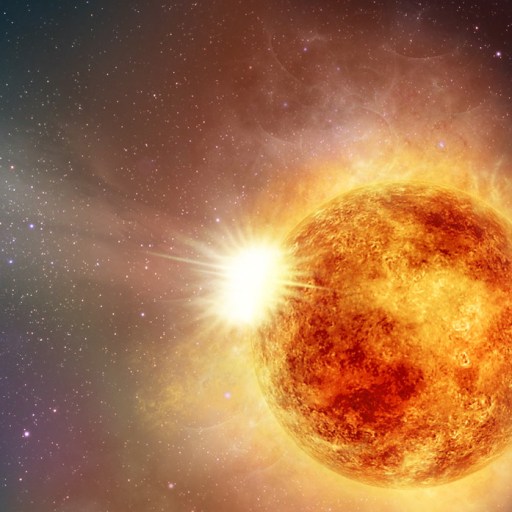
Here on Earth, the Sun is our primary source of light, heat, and energy. But it also poses a grave threat to human civilization.
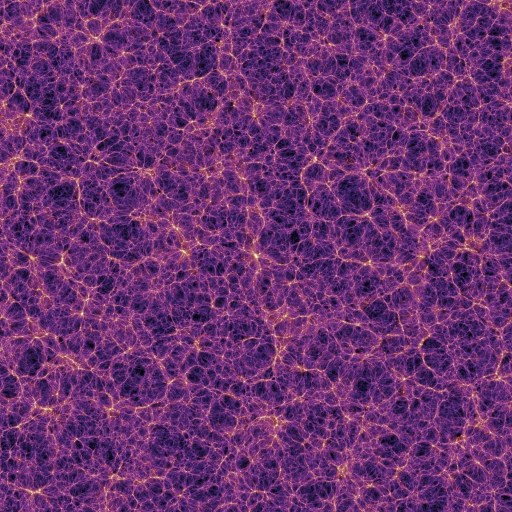
Human beings are tiny creatures compared to the 92 billion light-year wide observable Universe. How can we comprehend such large scales?

Red dwarf stars were supposed to be inhospitable. But TOI-700, now with at least two potentially habitable worlds, is quite the exception.
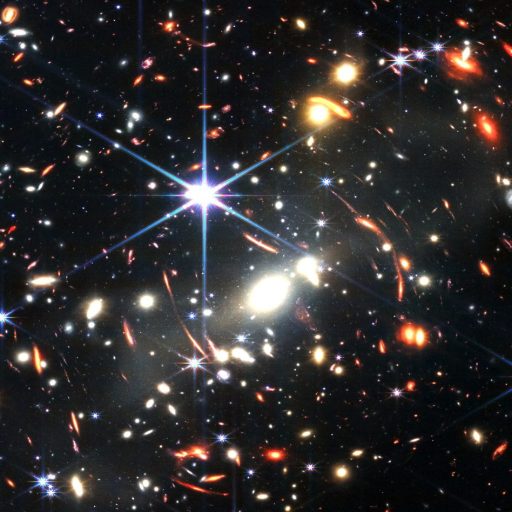
JWST has seen more distant galaxies than any other observatory, ever. But many candidates for "most distant of all" are likely impostors.
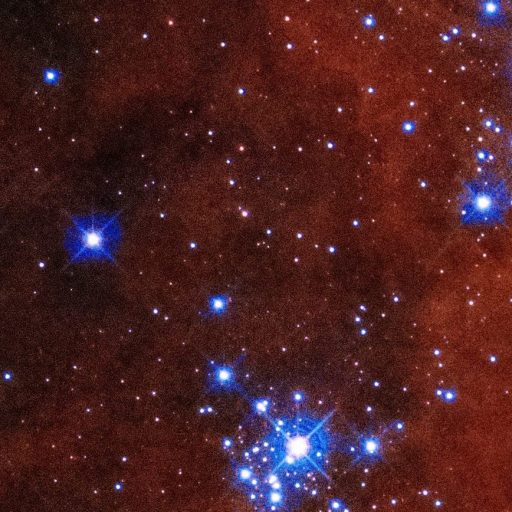
Most of us have heard that the Sun is an ordinary, typical, unremarkable star. But science shows we're actually anything but average.
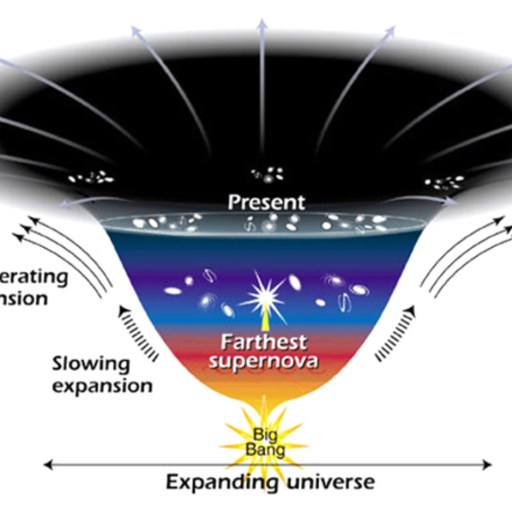
Yes, dark energy is real. Yes, distant galaxies recede faster and faster as time goes on. But the expansion rate isn't accelerating at all.
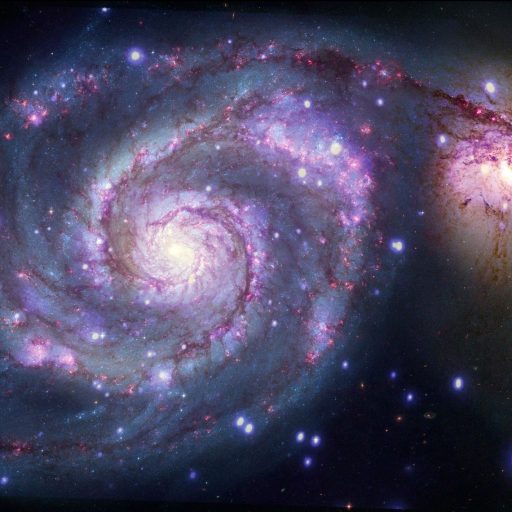
In 1920, astronomers debated the nature of the Universe. The results were meaningless until years later, when the key evidence arrived.