Search
Ethan Siegel
A theoretical astrophysicist and science writer, host of popular podcast “Starts with a Bang!”

Ethan Siegel is a Ph.D. astrophysicist and author of "Starts with a Bang!" He is a science communicator, who professes physics and astronomy at various colleges. He has won numerous awards for science writing since 2008 for his blog, including the award for best science blog by the Institute of Physics. His two books "Treknology: The Science of Star Trek from Tricorders to Warp Drive" and "Beyond the Galaxy: How humanity looked beyond our Milky Way and discovered the entire Universe" are available for purchase at Amazon. Follow him on Twitter @startswithabang.
Read Less
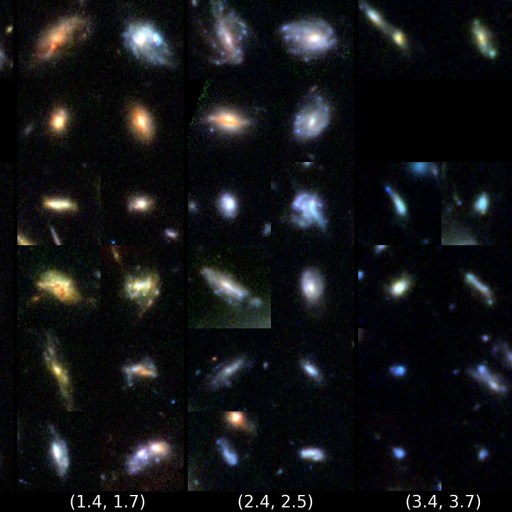
As time goes on, dark energy makes distant galaxies recede from us ever faster in our expanding Universe. But nothing truly disappears.
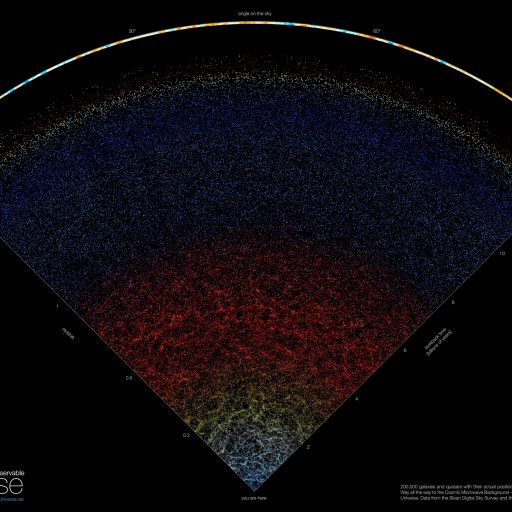
In the grand scheme of the cosmic story, a single year isn't all that significant. But over time, the annual changes really add up!
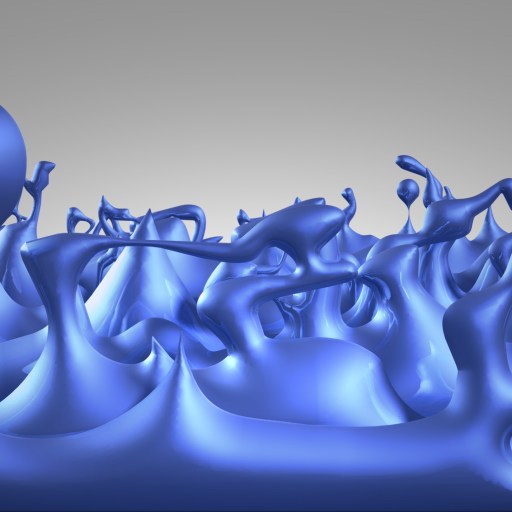
The very word "quantum" makes people's imaginations run wild. But chances are you've fallen for at least one of these myths.
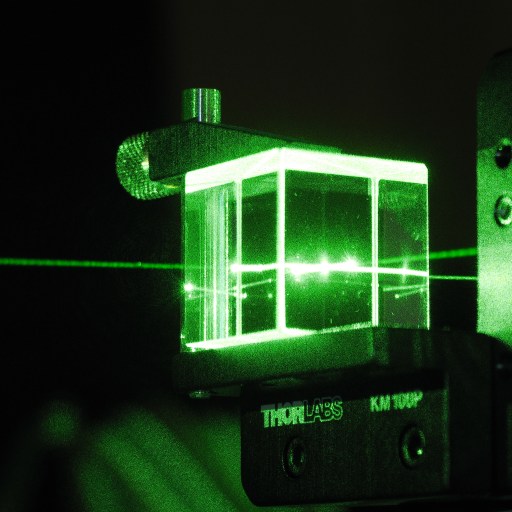
For nearly a century, physicists have argued over how to interpret quantum physics. But reality exists independent of any interpretation.
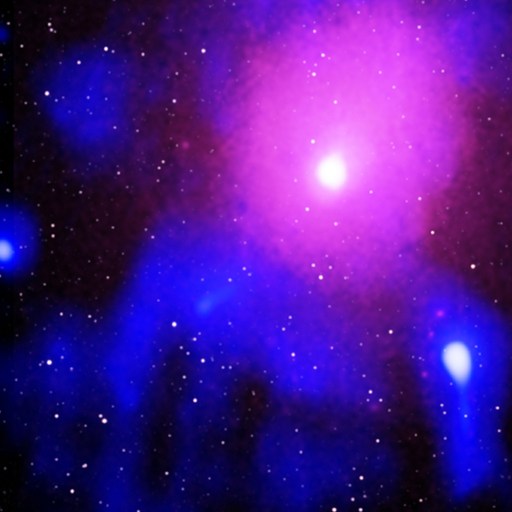
Ever since the Big Bang, cataclysmic events have released enormous amounts of energy. Here's the greatest one ever witnessed.
All the things that surround and compose us didn't always exist. But describing their origin depends on what 'nothing' means.
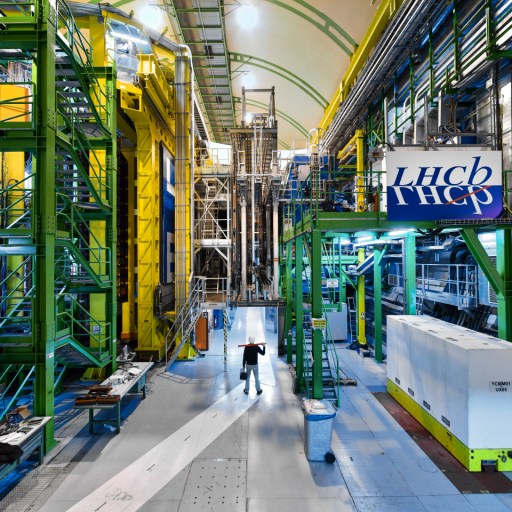
For years and over three separate experiments, "lepton universality" appeared to violate the Standard Model. LHCb at last proved otherwise.
You can lead an overconfident chatbot to expert knowledge, but can it actually learn and assimilate new information?
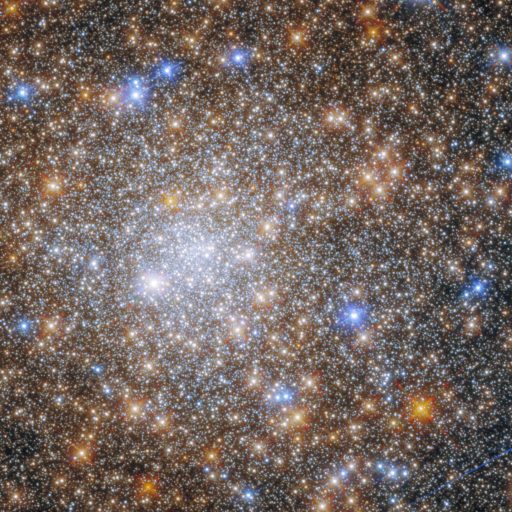
2022 was a year full of scientific discoveries and the dawn of the JWST. But Hubble's still going after 32 years. Here's the amazing proof!
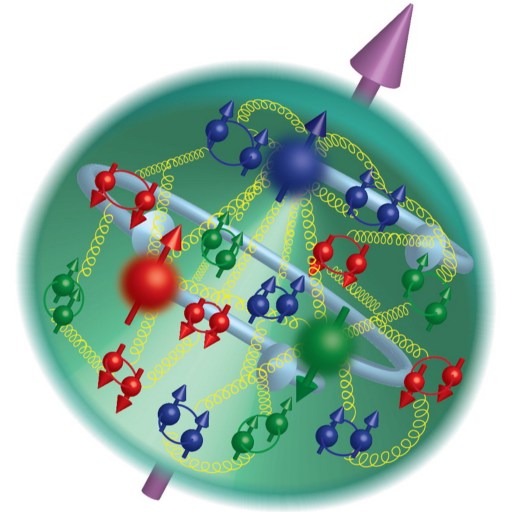
Every proton contains three quarks: two up and one down. But charm quarks, heavier than the proton itself, have been found inside. How?
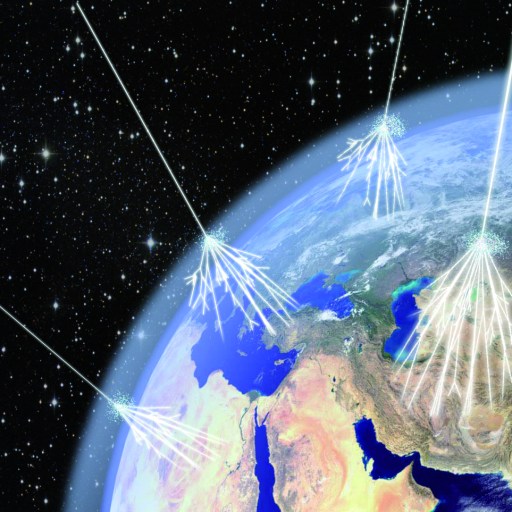
Particles are everywhere, including particles from space that stream through the human body. Here's how they prove Einstein's relativity.
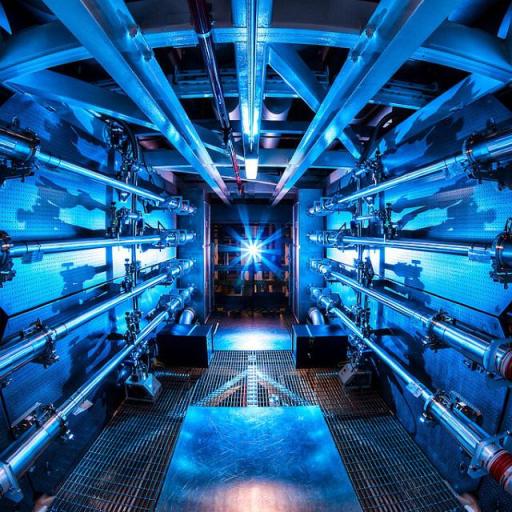
Nuclear fusion has long been seen as the future of energy. As the NIF now passes the breakeven point, how close are we to our ultimate goal?

There will always be "wolf-criers" whose claims wither under scrutiny. But aliens are certainly out there, if science dares to find them.
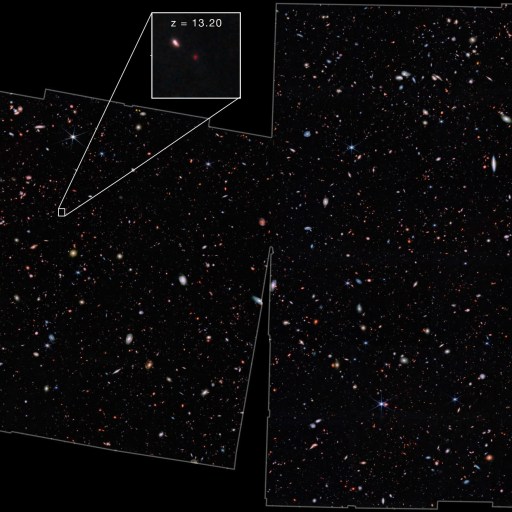
Leaving Hubble in the dust, JWST has officially seen a galaxy from just 320 million years after the Big Bang: at just 2.3% its current age.
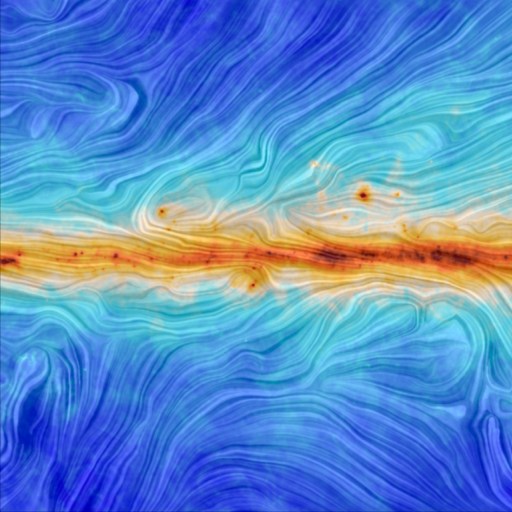
The very dust that blocks our view of the distant, luminous objects in the Universe is responsible for our entire existence.
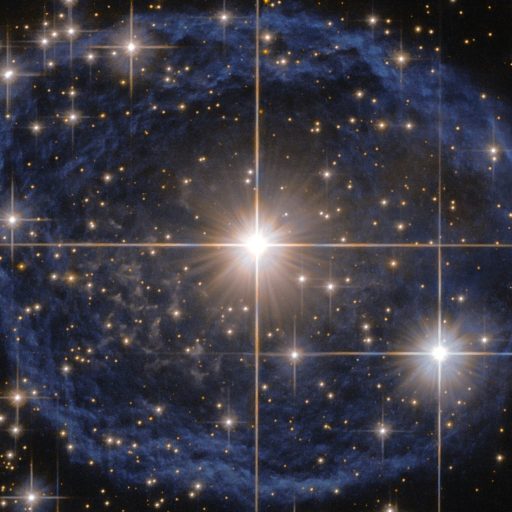
The most common element in the Universe, vital for forming new stars, is hydrogen. But there's a finite amount of it; what if we run out?

We thought the Big Bang started it all. Then we realized that something else came before, and it erased everything that existed prior.
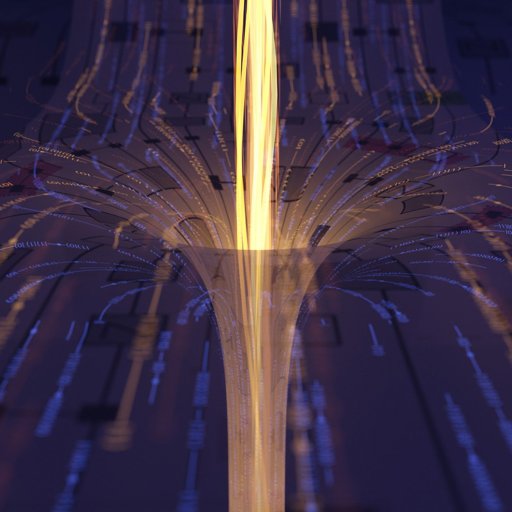
The science fiction dream of a traversable wormhole is no closer to reality, despite a quantum computer's suggestive simulation.
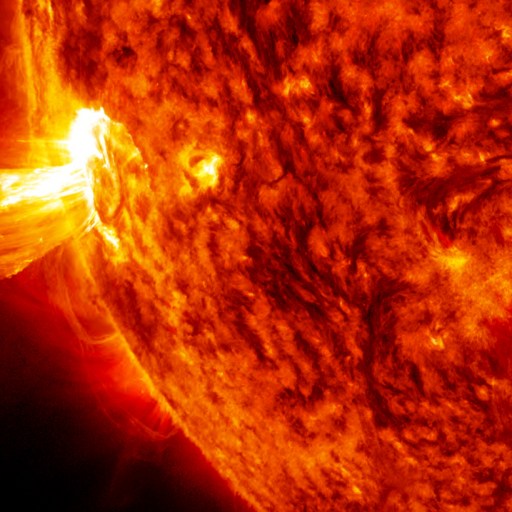
A Carrington-magnitude event would kill millions, and cause trillions of dollars in damage. Sadly, it isn't even the worst-case scenario.
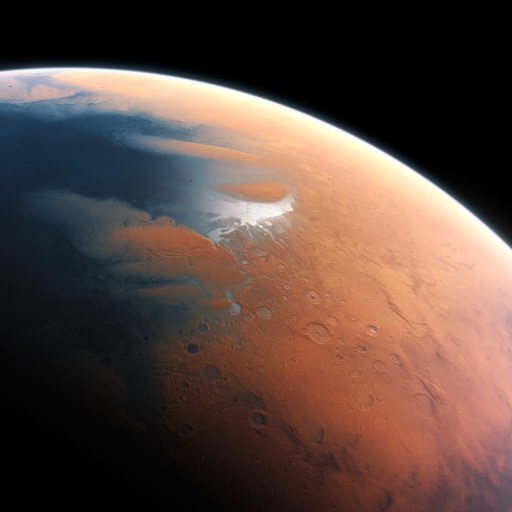
Compared to Earth, Mars is small, cold, dry, and lifeless. But 3.4 billion years ago, a killer asteroid caused a Martian megatsunami.