Search
Ethan Siegel
A theoretical astrophysicist and science writer, host of popular podcast “Starts with a Bang!”

Ethan Siegel is a Ph.D. astrophysicist and author of "Starts with a Bang!" He is a science communicator, who professes physics and astronomy at various colleges. He has won numerous awards for science writing since 2008 for his blog, including the award for best science blog by the Institute of Physics. His two books "Treknology: The Science of Star Trek from Tricorders to Warp Drive" and "Beyond the Galaxy: How humanity looked beyond our Milky Way and discovered the entire Universe" are available for purchase at Amazon. Follow him on Twitter @startswithabang.
Read Less
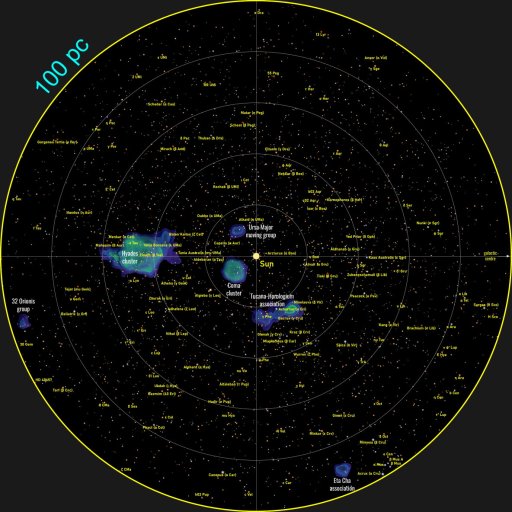
It's the very closest stars to us that hold the key to unlocking the possibilities for life in star systems all throughout the Universe.

In the 20th century, many options abounded as to our cosmic origins. Today, only the Big Bang survives, thanks to this critical evidence.
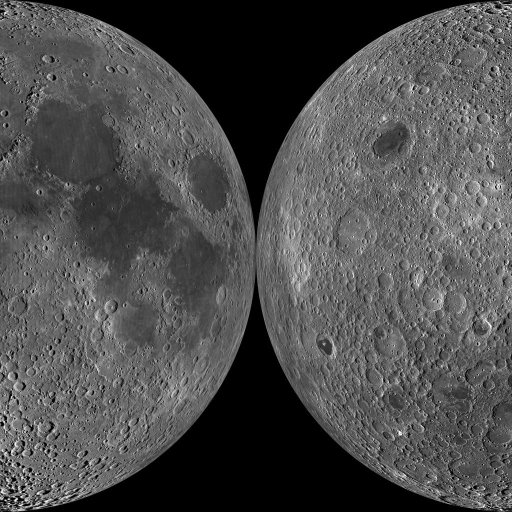
The far side of the Moon is incredibly different from the Earth-facing side. 63 years later, we know why the Moon's faces are not alike.
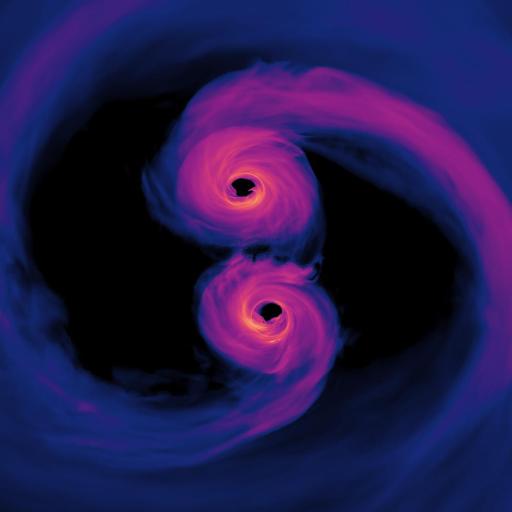
We have two descriptions of the Universe that work perfectly well: General Relativity and quantum physics. Too bad they don't work together.
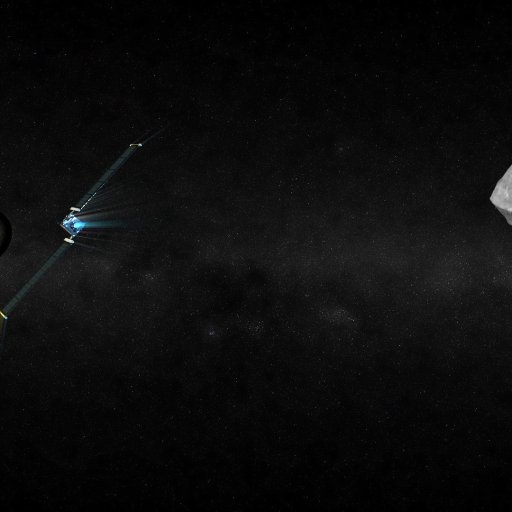
Sooner or later, Earth is going to be hit by a large enough space object to cause significant damage to humanity. Stopping them isn't easy.
No matter what physical system we consider, nature always obeys the same fundamental laws. Must it be this way, and if so, why?
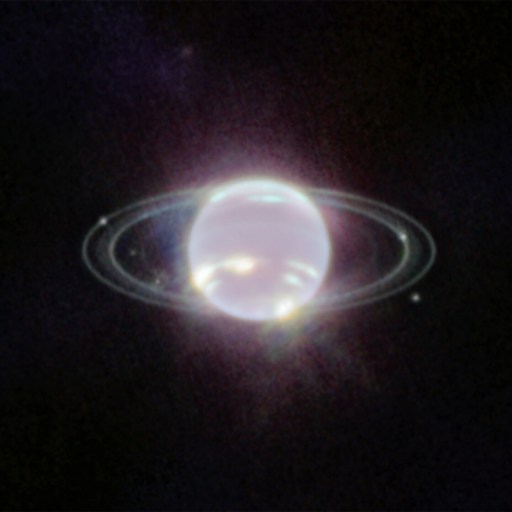
The James Webb Space Telescope viewed Neptune, our Solar System's final planet, for the first time. Here's what we saw, and what it means.
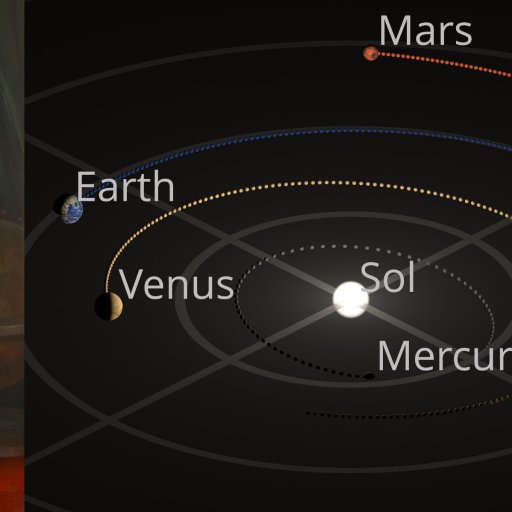
When people pick the greatest scientist of all-time, Newton and Einstein always come up. Perhaps they should name Johannes Kepler, instead.
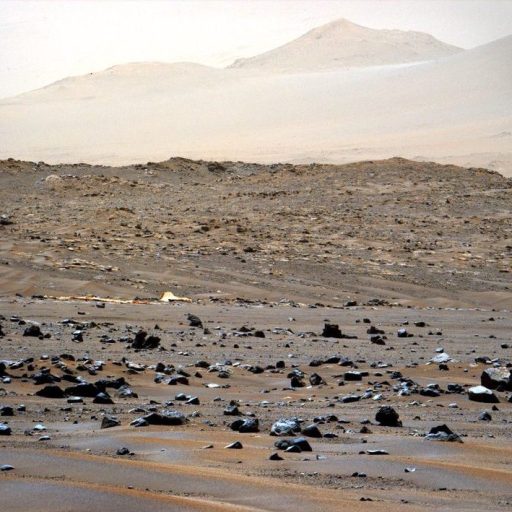
Yes, NASA's Perseverance rover found organics on Mars. So did Curiosity. Unfortunately, that doesn't mean anything in the search for life.
No matter how good our measurement devices get, certain quantum properties always possess an inherent uncertainty. Can we figure out why?
Black holes aren't just the densest masses in the Universe, but they also spin the fastest of all massive objects. Here's why it must be so.
In our common experience, you can't get something for nothing. In the quantum realm, something really can emerge from nothing.
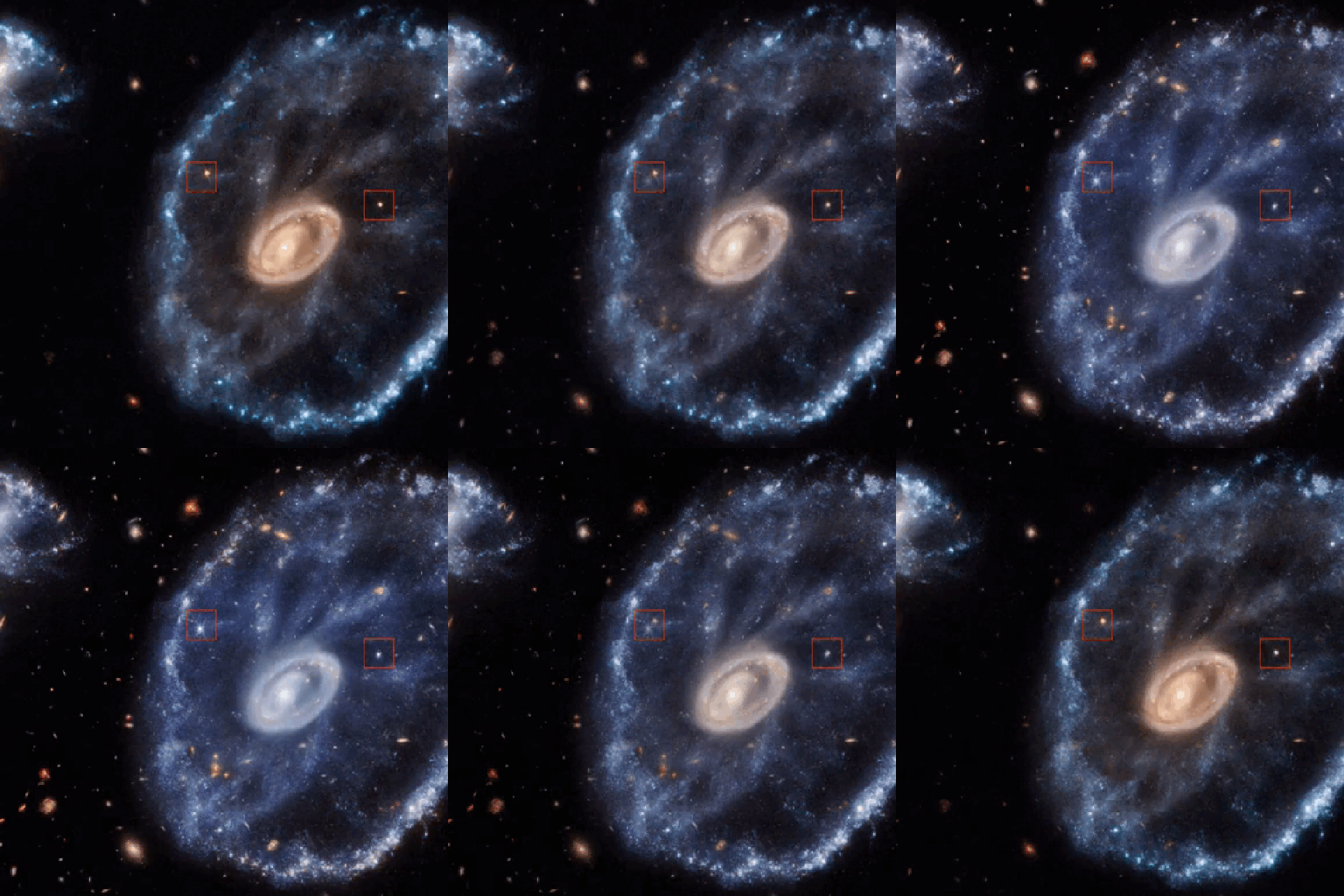
The first set of James Webb's images blew us all away. In just 2 mere months, it's seen highlights that no one could have predicted.
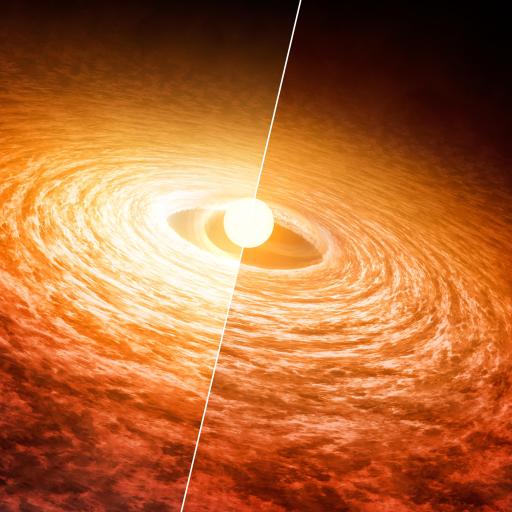
As recently as 1990, we didn't know of any planets beyond our Solar System. Today, with 5000+, we're deep into the weeds of how they form.
At a fundamental level, only a few particles and forces govern all of reality. How do their combinations create human consciousness?
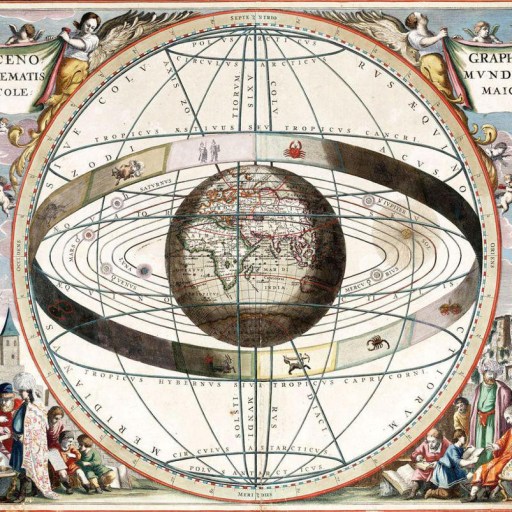
No planet enters retrograde more frequently than Mercury, which does so 3-4 times each year. Here’s the scientific explanation for why.
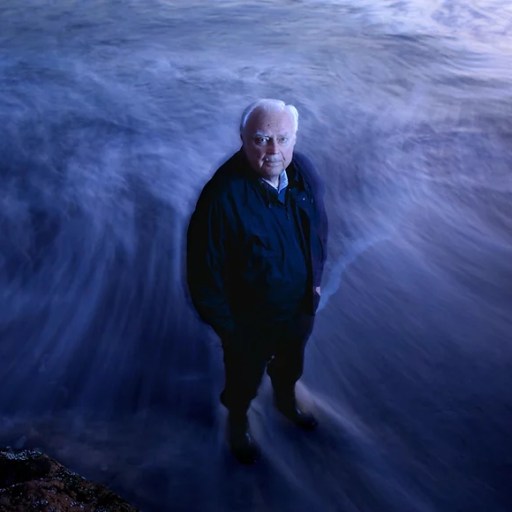
Remembering Frank Drake, who transformed the search for alien life & extraterrestrial intelligence into a full-fledged scientific endeavor.
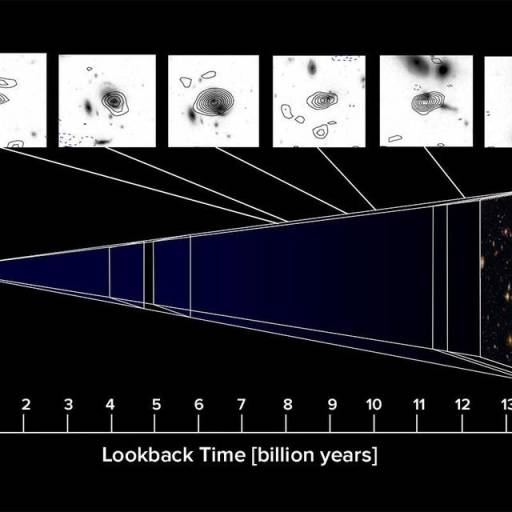
Einstein's relativity teaches us that time isn't absolute, but passes relatively for everyone. So how do telescopes see back through time?
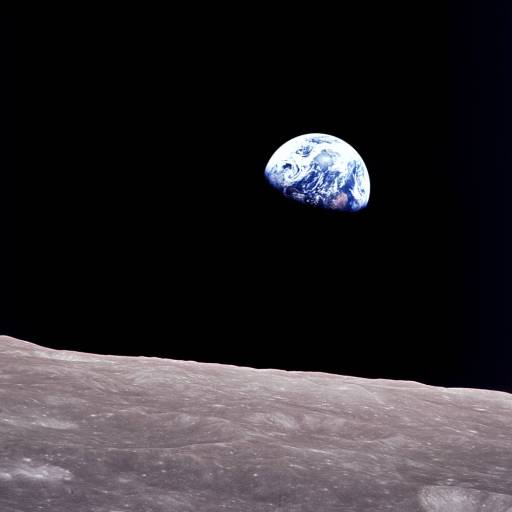
The last 70 years have taken us farther than the previous 70,000. But can we accomplish more than creating a record saying, "We were here?"
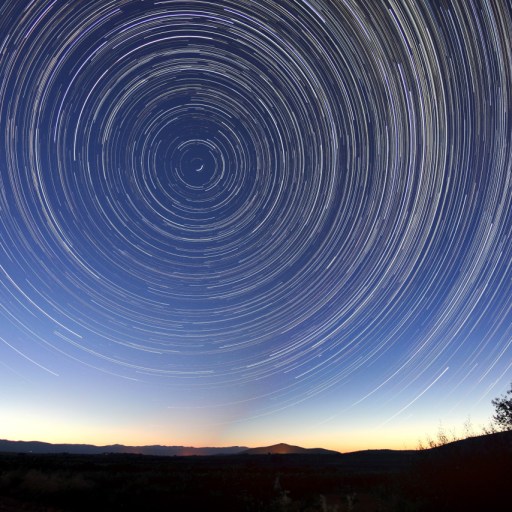
If you can model anything in the Universe with an equation, mathematics is how you get the solution(s). Physics must go a step further.