Search
Ethan Siegel
A theoretical astrophysicist and science writer, host of popular podcast “Starts with a Bang!”
Ethan Siegel is a Ph.D. astrophysicist and author of "Starts with a Bang!" He is a science communicator, who professes physics and astronomy at various colleges. He has won numerous awards for science writing since 2008 for his blog, including the award for best science blog by the Institute of Physics. His two books "Treknology: The Science of Star Trek from Tricorders to Warp Drive" and "Beyond the Galaxy: How humanity looked beyond our Milky Way and discovered the entire Universe" are available for purchase at Amazon. Follow him on Twitter @startswithabang.
Read Less
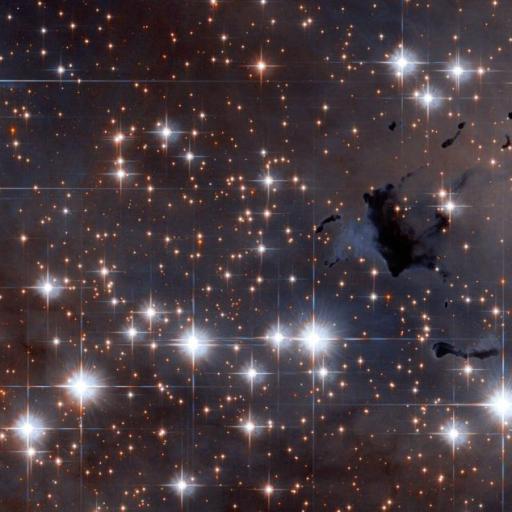
Even though the leftover glow from the Big Bang creates a bath of radiation at only 2.725 K, some places in the Universe get even colder.
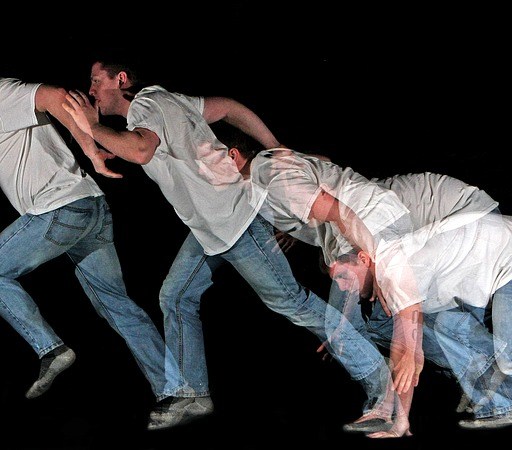
We live in a four-dimensional Universe, where matter and energy curve the fabric of spacetime. But time sure is different from space!
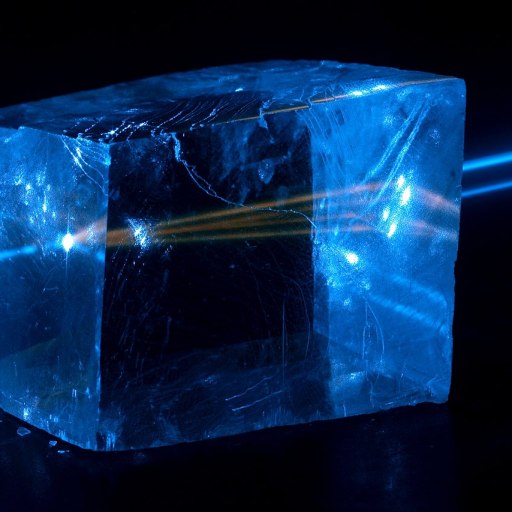
There's a speed limit to the Universe: the speed of light in a vacuum. Want to beat the speed of light? Try going through a medium!
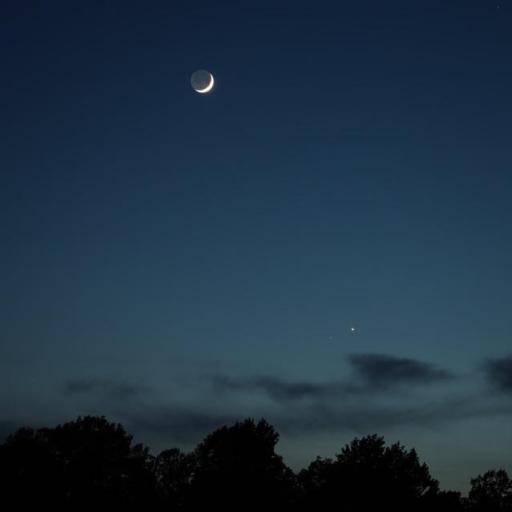
Even at its faintest, Venus always outshines every other star and planet that's visible from Earth, and then some!
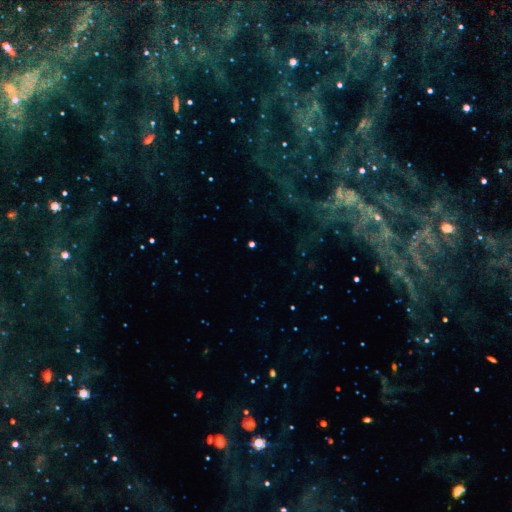
Take a peek at the pre-release images used to calibrate and commission JWST's coldest instrument, now ready for full science operations.
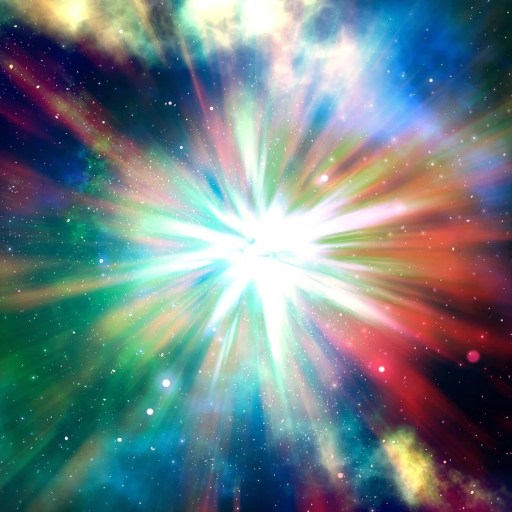
It started with a bang, but won't end with one. Instead, it will "rage against the dying of the light" like nothing you've ever imagined.
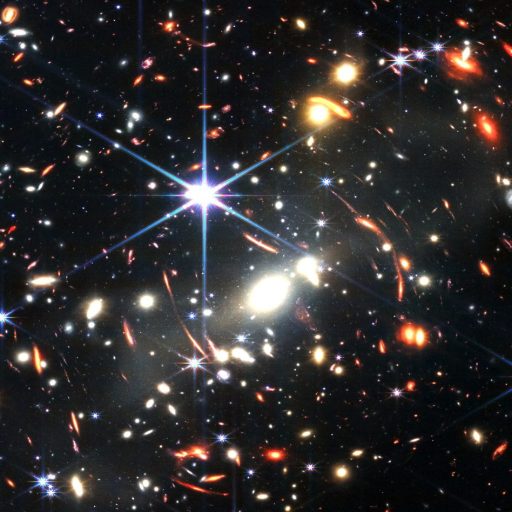
Even with only 12.5 hours of exposure time, James Webb's first deep-field image taught us lessons we've never realized before.
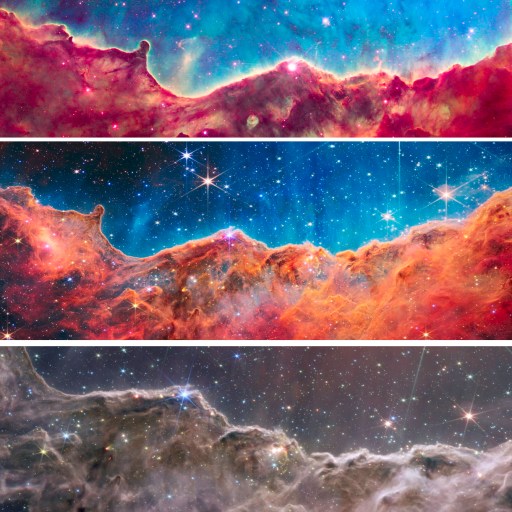
Now that it's fully commissioned, the James Webb Space Telescope begins its exploration of the Universe. Here are its first science images!
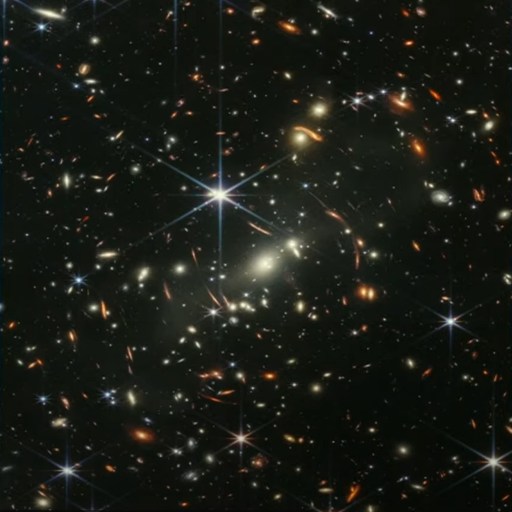
With its very first deep-field view of the Universe now released, the James Webb Space Telescope has shown us our cosmos as never before.
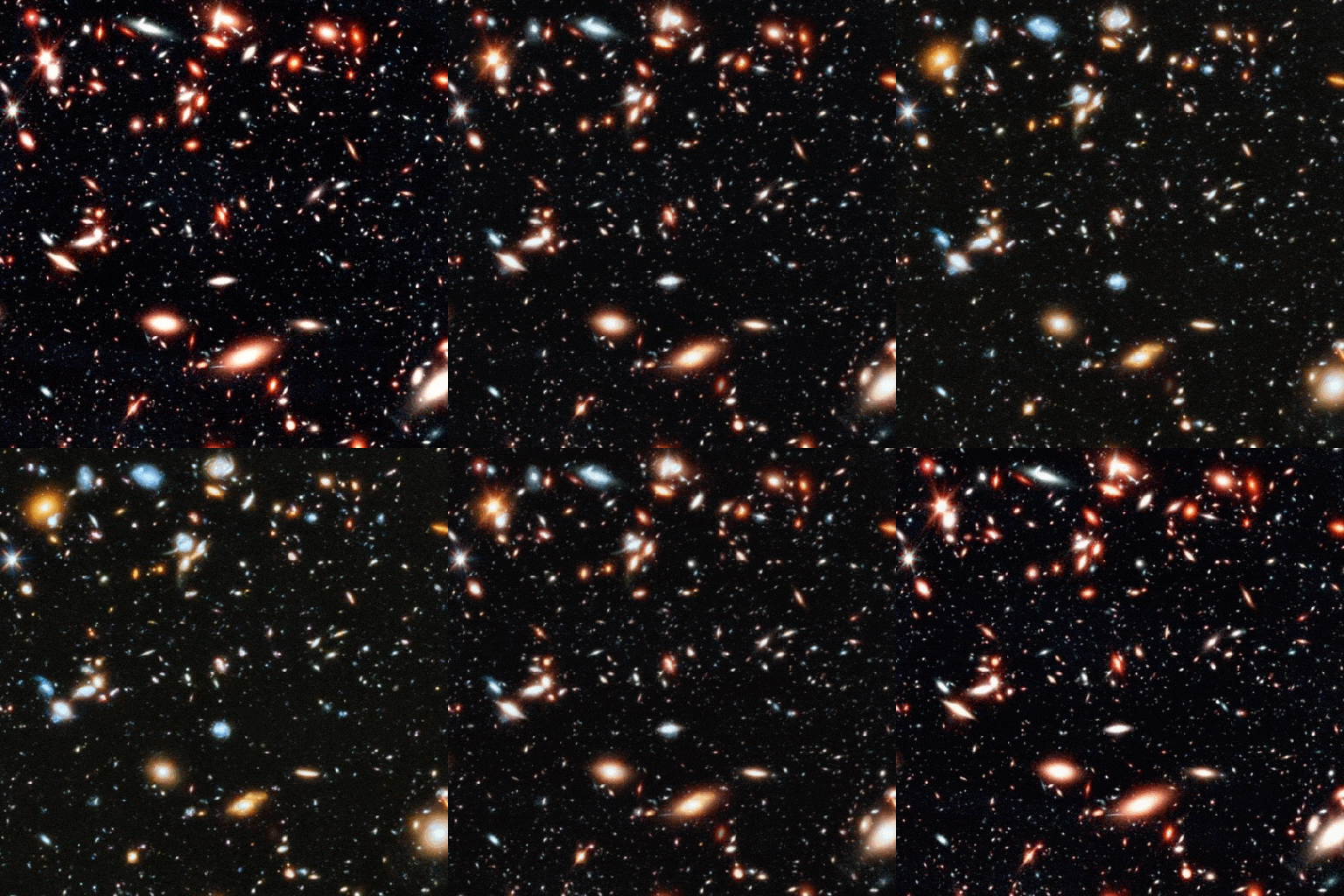
The James Webb Space Telescope has chosen 5 targets for its first science release. Here's what we know on the eve of JWST's big reveal!
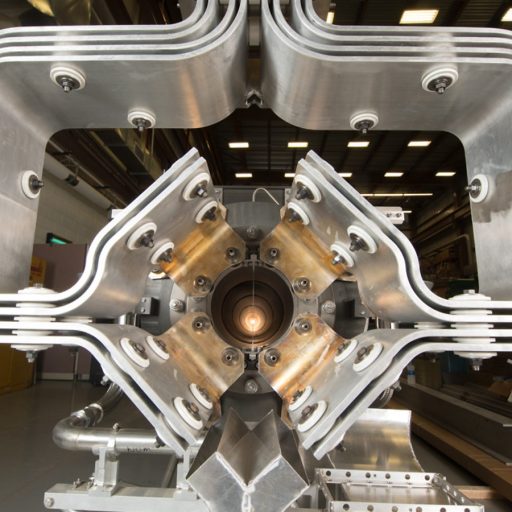
The neutrino is the most ghostly, rarely-interacting particle in all the Standard Model. How well can we truly make "beams" out of them?
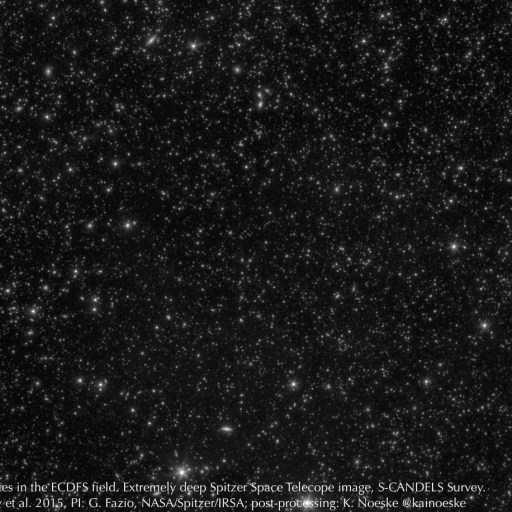
Such massive, early supermassive black holes have puzzled astronomers for decades. At last, we've finally figured out how they form.

The way to understand the earliest moments of creation is to recreate those conditions and study them. Why would we stop now?
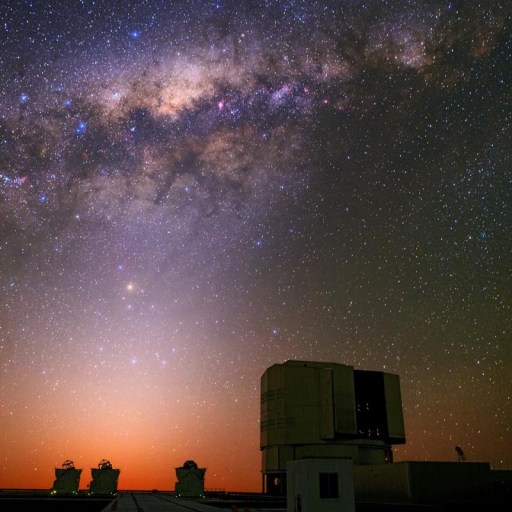
Looking up at the night sky gives us a glimpse of the Universe beyond our terrestrial concerns. Here's what's out there.
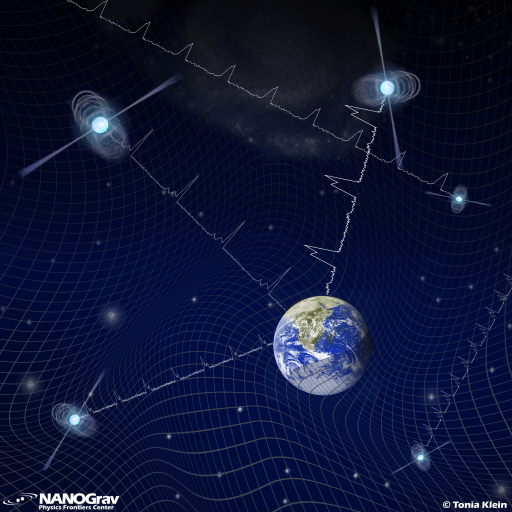
LIGO can detect the inspirals and mergers of the lowest-mass black holes, but not the biggest ones. Here's how pulsars can help.
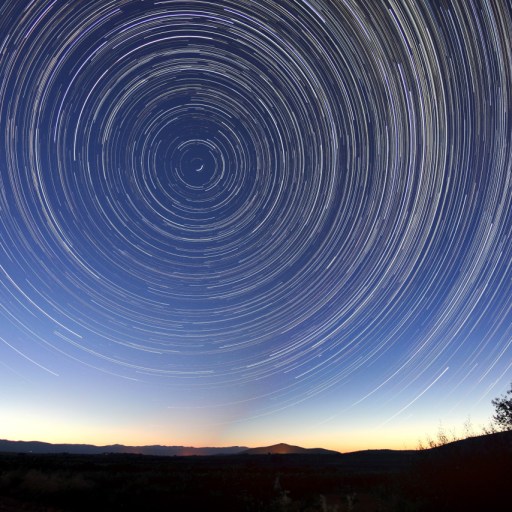
At all distances, the Universe expands along our line-of-sight. But we can't measure side-to-side motions; could it be rotating as well?

From the explosions themselves to their unique and vibrant colors, the fireworks displays we adore require quantum physics.

1859's Carrington event gave us a preview of how catastrophic the Sun could be for humanity. But it could get even worse than we imagined.

The idea of gravitational redshift crossed Einstein's mind years before General Relativity was complete. Here's why it had to be there.
No matter how beautiful, elegant, or compelling your idea is, if it disagrees with observation and experiment, it's wrong.