Search
Ethan Siegel
A theoretical astrophysicist and science writer, host of popular podcast “Starts with a Bang!”

Ethan Siegel is a Ph.D. astrophysicist and author of "Starts with a Bang!" He is a science communicator, who professes physics and astronomy at various colleges. He has won numerous awards for science writing since 2008 for his blog, including the award for best science blog by the Institute of Physics. His two books "Treknology: The Science of Star Trek from Tricorders to Warp Drive" and "Beyond the Galaxy: How humanity looked beyond our Milky Way and discovered the entire Universe" are available for purchase at Amazon. Follow him on Twitter @startswithabang.
Read Less
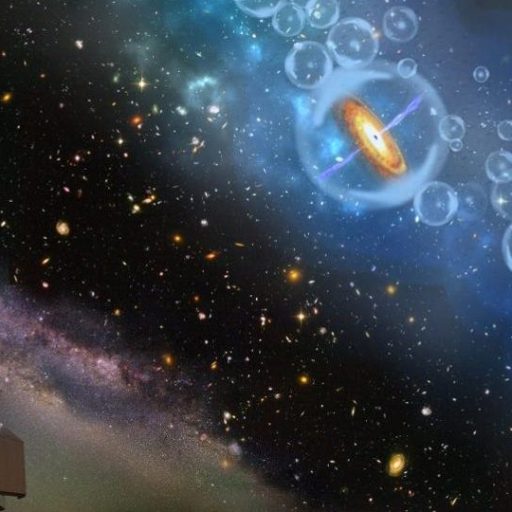
The Universe is expanding, and the Hubble constant tells us how fast. But how can it be a constant if the expansion is accelerating?

There’s an enormous evolutionary advantage for flamingos to stand on one leg, but genetics doesn't help. Only physics explains why.
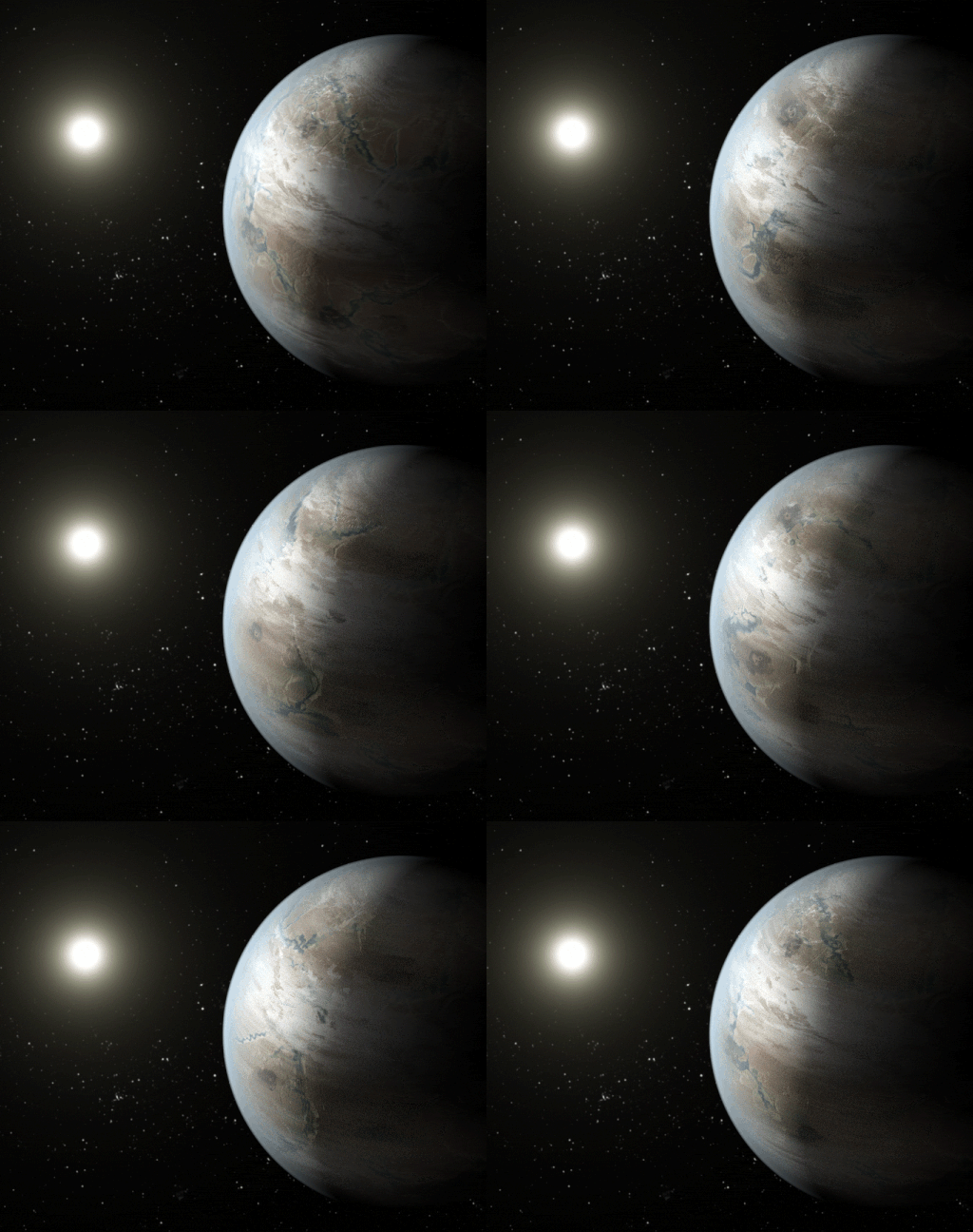
There are billions of potentially inhabited planets in the Milky Way alone. Here's how NASA will at last discover and measure them.

Do you think you know the Solar System? Here's a fact about each planet that might surprise you when you see it!
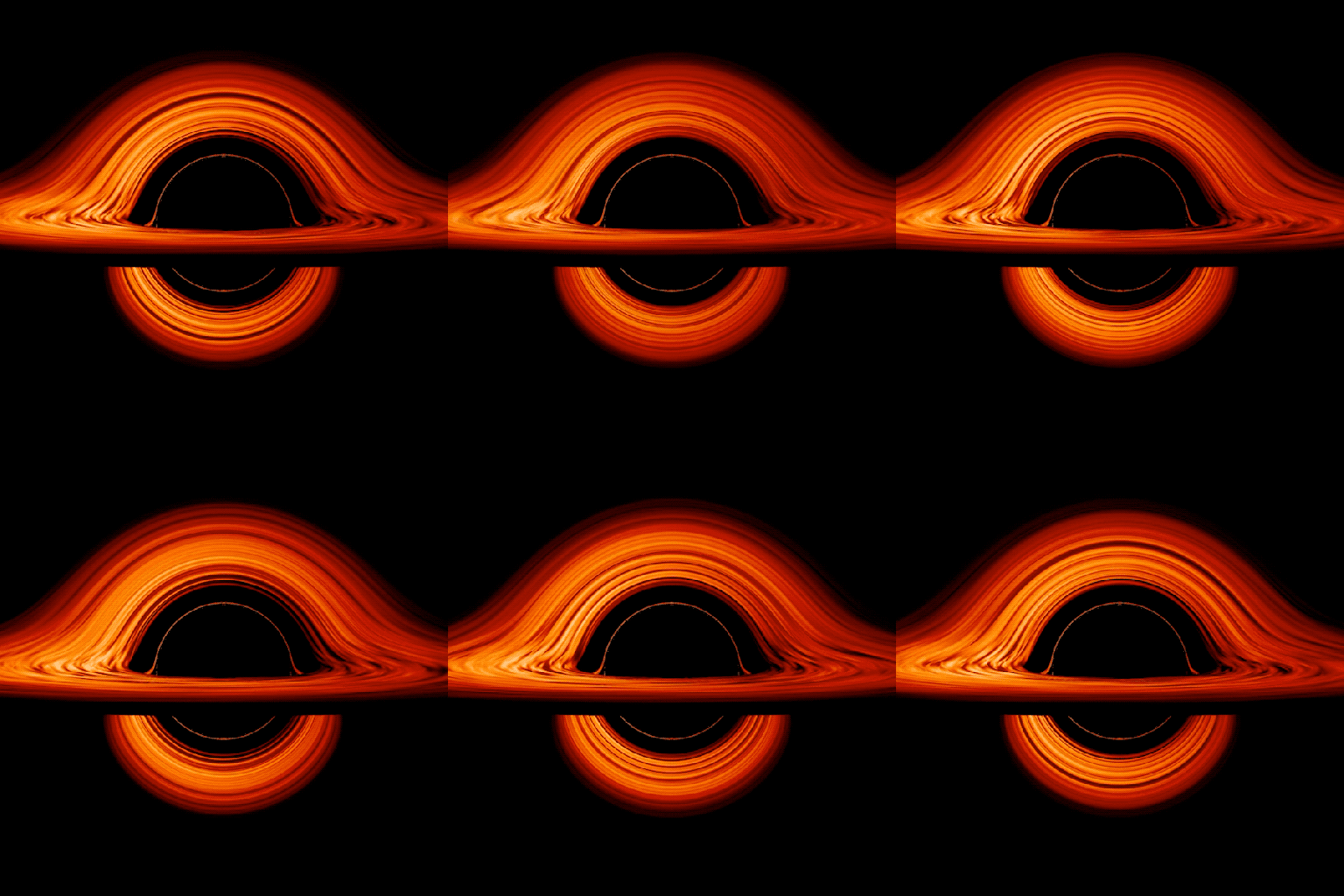
With two different black hole event horizons now directly imaged, we can see that they are, in fact, rings, not disks. But why?
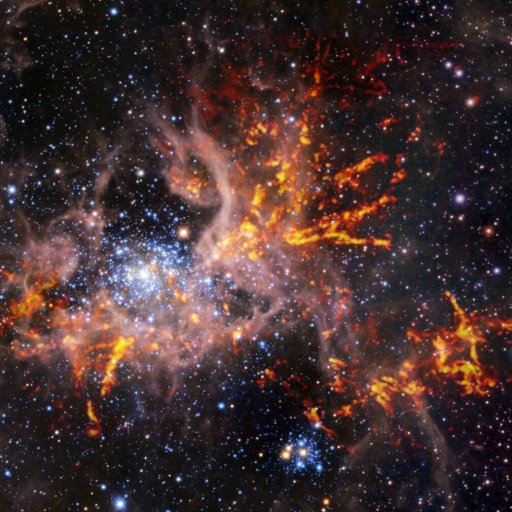
When stars form, they emit energetic radiation that boils gas away. But it can't stop gravitational collapse from making even newer stars.
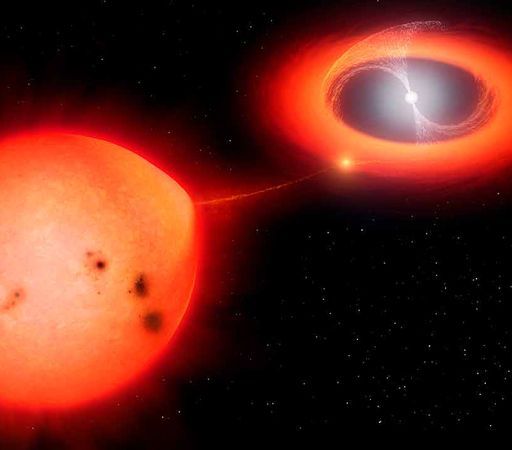
If you think you know how an astronomical nova works, buckle up. You're in for a ride like you never expected.
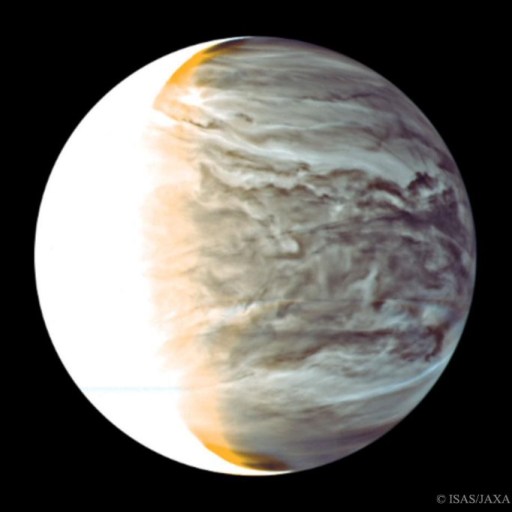
Earth is the Solar System's only known inhabited planet. Could Venus, if its phosphine signal is real, be our second world with life?
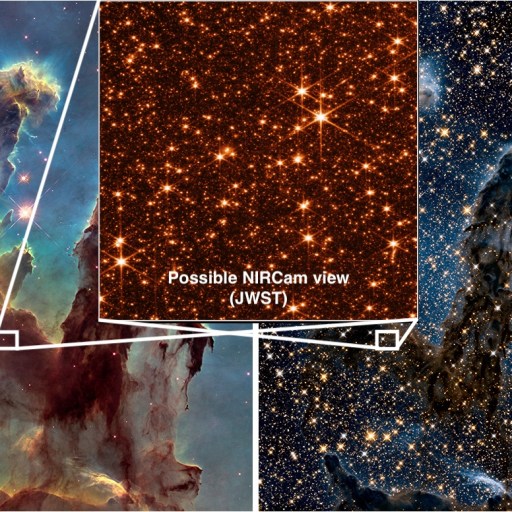
On July 12, 2022, NASA will release the first science images taken with the James Webb Space Telescope. Here's what to hope for.
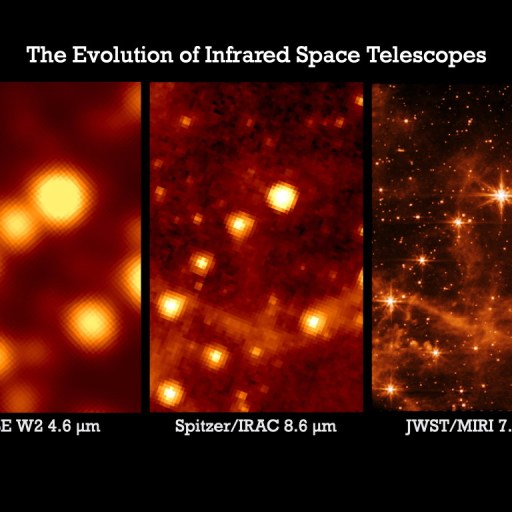
The James Webb Space Telescope is about to begin science operations. Here's what astronomers are excited about.
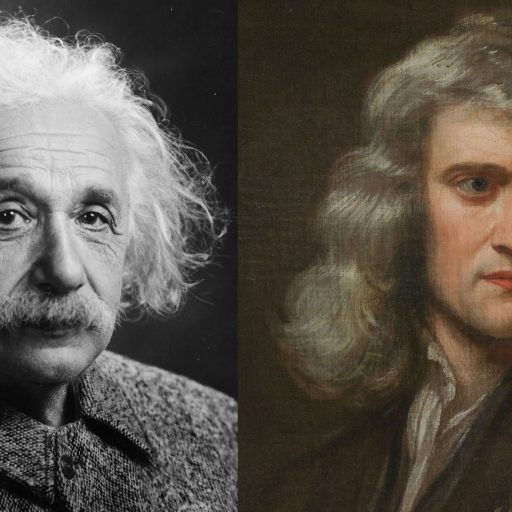
In all of science, no figures have changed the world more than Einstein and Newton. Will anyone ever be as revolutionary again?
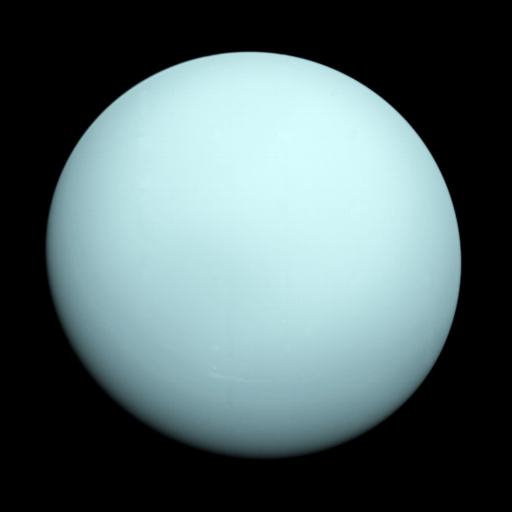
We've only seen Uranus up close once: from Voyager 2, back in 1986. The next time we do it, its features will look entirely different.

The Standard Model of elementary particles has three nearly identical copies of particles: generations. And nobody knows why.
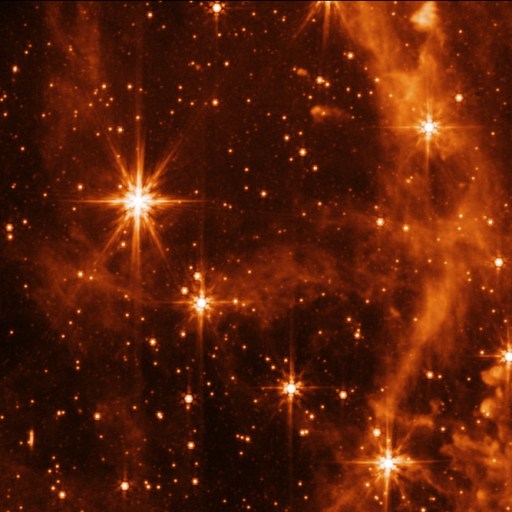
On July 12, 2022, JWST will release its first science images. Here are 5 ways the telescope's findings could change science forever.

Wind energy is one of the cleanest, greenest sources of power. But could it have the sneaky side-effect of changing the weather?
Smashing things together at unprecedented energies sounds dangerous. But it's nothing the Universe hasn't already seen, and survived.
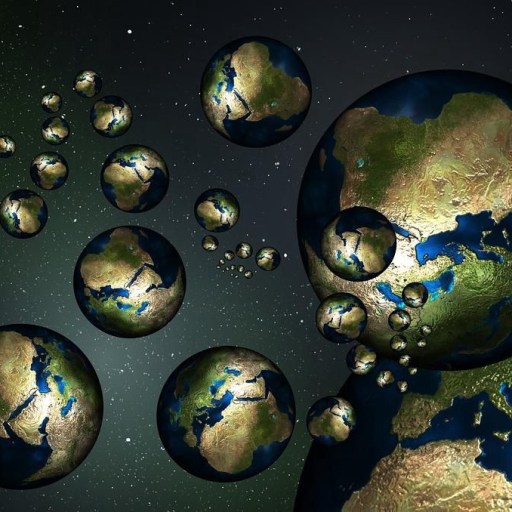
Humans who've lived through the same events often remember them differently. Could quantum physics be responsible?
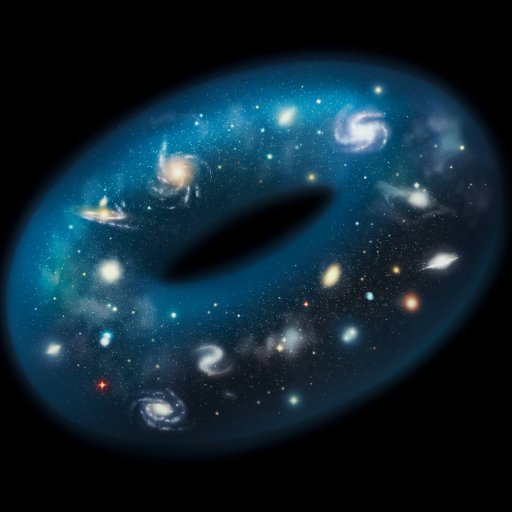
In theory, the fabric of space could have been curved in any way imaginable. So why is the Universe flat when we measure it?
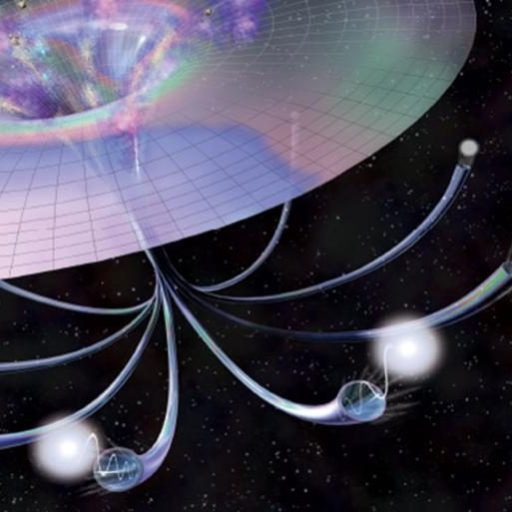
The observable Universe is 92 billion light-years in diameter. These pictures put just how large that is in perspective.
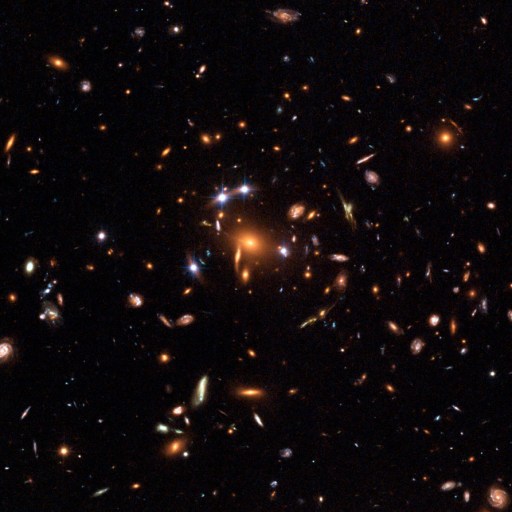
Over time, the Universe becomes less dominated by dark matter and more dominated by dark energy. Is one transforming into the other?