Search
Ethan Siegel
A theoretical astrophysicist and science writer, host of popular podcast “Starts with a Bang!”

Ethan Siegel is a Ph.D. astrophysicist and author of "Starts with a Bang!" He is a science communicator, who professes physics and astronomy at various colleges. He has won numerous awards for science writing since 2008 for his blog, including the award for best science blog by the Institute of Physics. His two books "Treknology: The Science of Star Trek from Tricorders to Warp Drive" and "Beyond the Galaxy: How humanity looked beyond our Milky Way and discovered the entire Universe" are available for purchase at Amazon. Follow him on Twitter @startswithabang.
Read Less

The hyperloop would be a great idea for a completely flat planet. With topography and infrastructure, it's a very different story.
13.8 billion years ago, the hot Big Bang gave rise to the Universe we know. Here's why the reverse, a Big Crunch, isn't how it will end.
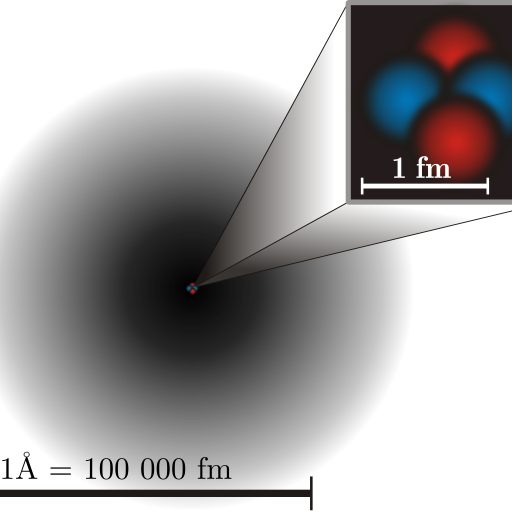
Atomic clocks keep time accurately to within 1 second every 33 billion years. Nuclear clocks could blow them all away.
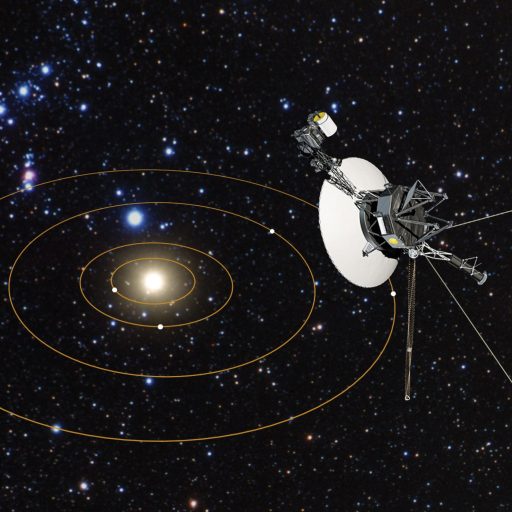
In all of human history, only 5 spacecraft have had the right trajectory to exit the Solar System. Will they ever catch Voyager 1?
Everything is made of matter, not antimatter, including black holes. If antimatter black holes existed, what would they do?

The sky is blue. The oceans are blue. While science can explain them both, the reasons for each are entirely different.
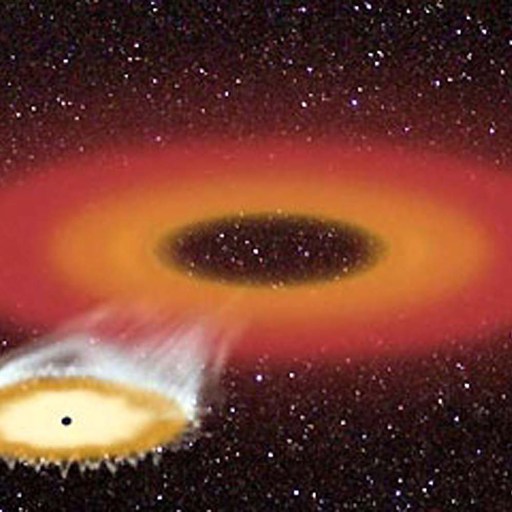
At four million solar masses, the Milky Way's supermassive black hole is quite small for a galaxy its size. Did we lose the original?
Time isn't the same for everyone, even on Earth. Flying around the world gave Einstein the ultimate test. No one is immune from relativity.
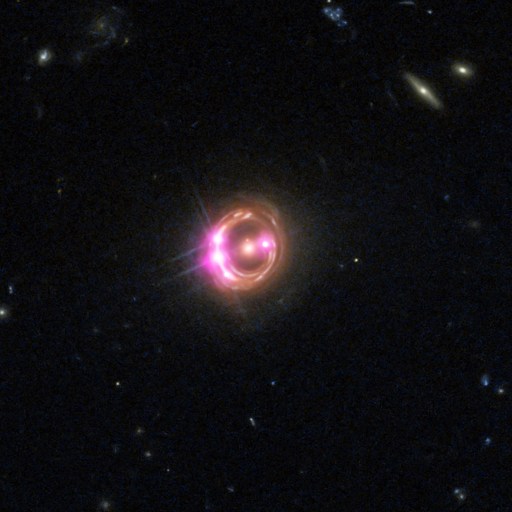
The idea of black holes has been around for over 200 years. Today, we're seeing them in previously unimaginable ways.
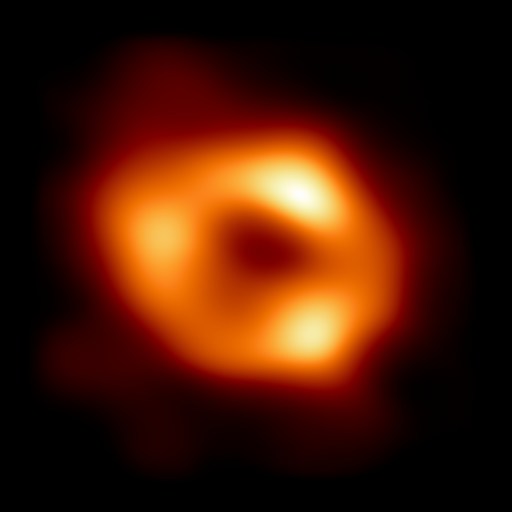
After years of analysis, the Event Horizon Telescope team has finally revealed what the Milky Way's central black hole looks like.
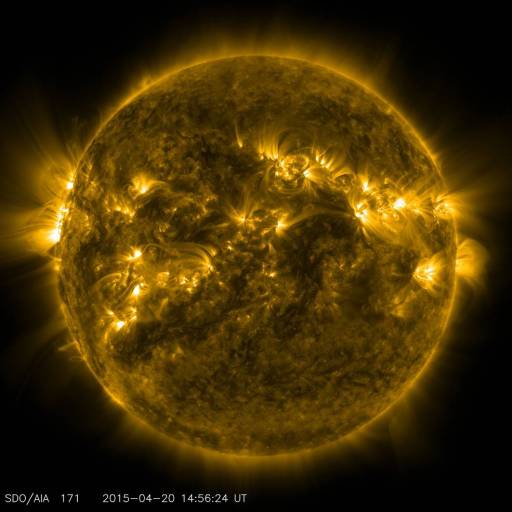
In Sun-like stars, hydrogen gets fused into helium. In the Big Bang, hydrogen fusion also makes helium. But they aren't close to the same.
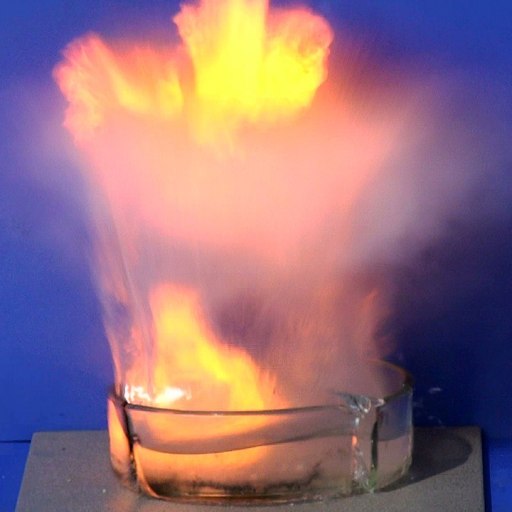
Drop sodium in water, and a violent, even explosive reaction will occur. But quantum physics is needed to explain why.
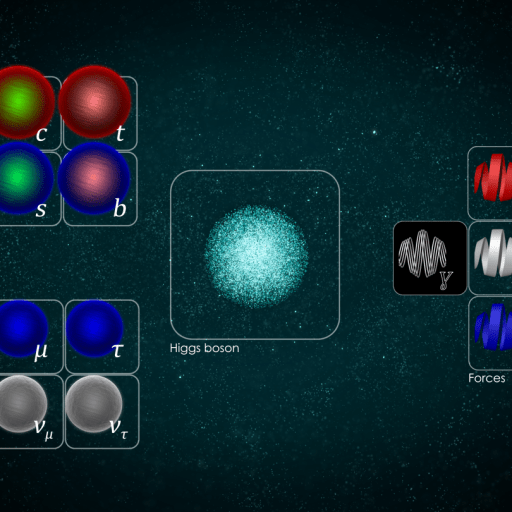
The Standard Model may or may not be in trouble, but particle physics definitely needs saving. Here's what the new LHC can do.
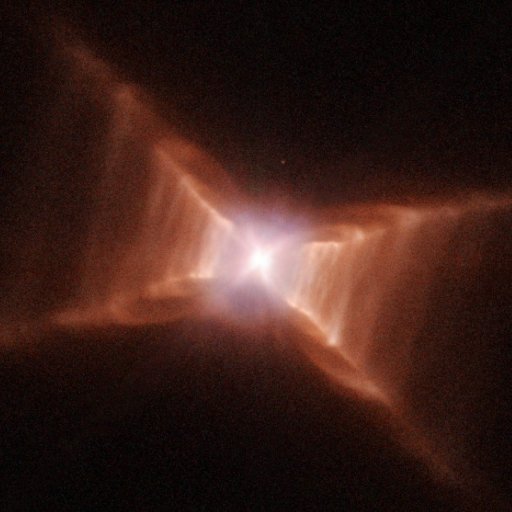
Everything that gets heated up has to, somehow, radiate that energy away. Here's what we see when that happens in the Universe.
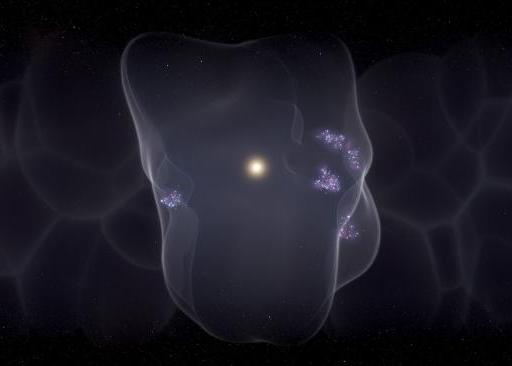
For a thousand light-years in all directions, there's a "bubble" that the Sun sits at the center of. Here's the story behind it.
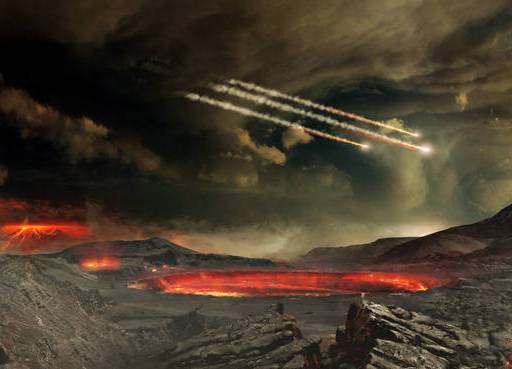
Probably not. Even though we're still investigating the origin of life, the evidence suggests that cells came much later.

Most potentially hazardous asteroids remain unidentified. NEO surveyor could change that, but only if it's funded, and soon.
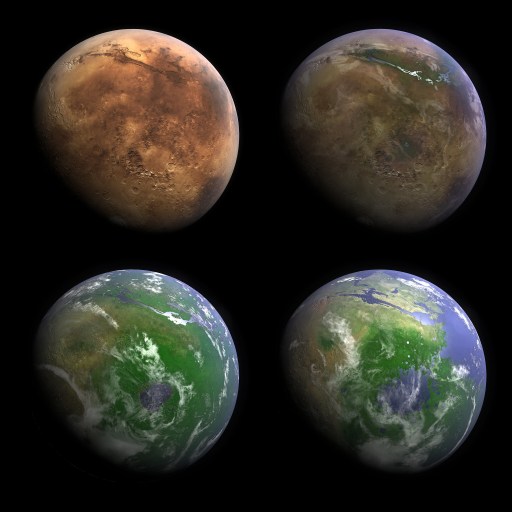
Was there ever life on Mars? Is there life on Mars now? Did it originate there or here, on Earth? All possibilities are fascinating.
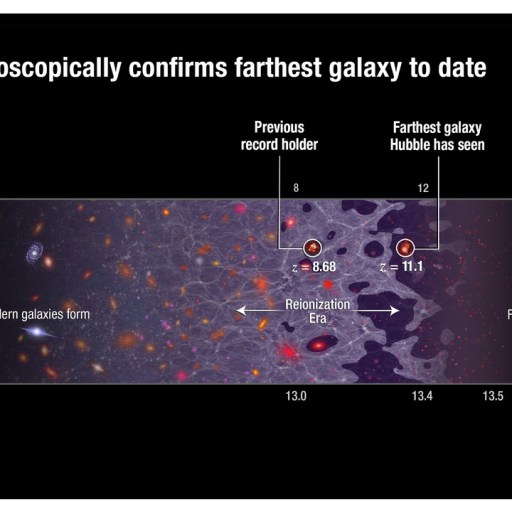
Look out at a distant object, and you're not seeing it as it is today. It's size, brightness, and actual distance are all different.
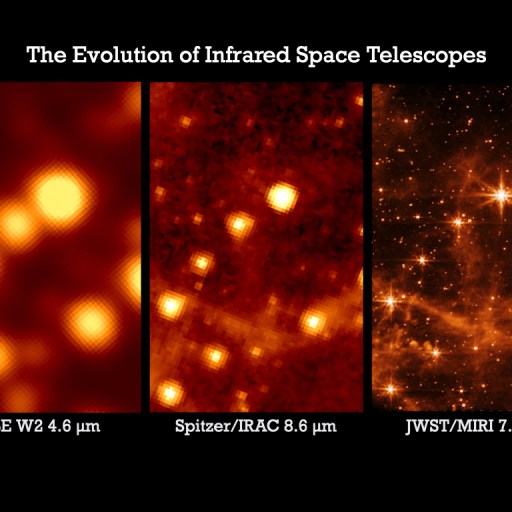
It was supposed to have a 5.5-10 year lifetime, and take 6 months to calibrate. It's performing better than anyone anticipated.