Search
Ethan Siegel
A theoretical astrophysicist and science writer, host of popular podcast “Starts with a Bang!”

Ethan Siegel is a Ph.D. astrophysicist and author of "Starts with a Bang!" He is a science communicator, who professes physics and astronomy at various colleges. He has won numerous awards for science writing since 2008 for his blog, including the award for best science blog by the Institute of Physics. His two books "Treknology: The Science of Star Trek from Tricorders to Warp Drive" and "Beyond the Galaxy: How humanity looked beyond our Milky Way and discovered the entire Universe" are available for purchase at Amazon. Follow him on Twitter @startswithabang.
Read Less

From life on Earth to the planet itself, there are four ways our planet will actually experience "the end," no matter how we define it.
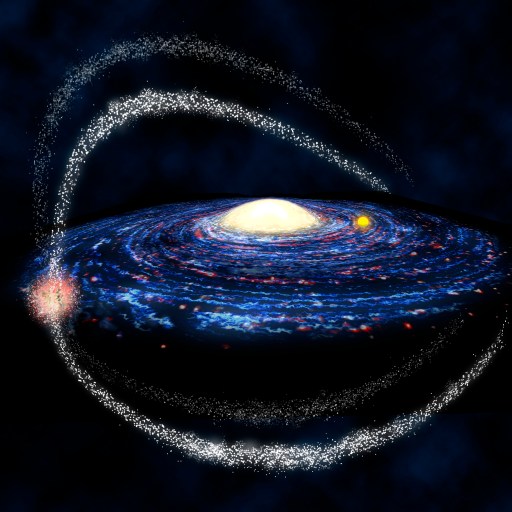
Galactic archaeology has uncovered a spectacular find: the Milky Way already existed more than 13 billion years ago.
To answer any physical question, you must ask the Universe itself. But what happens when the answers aren't around anymore?
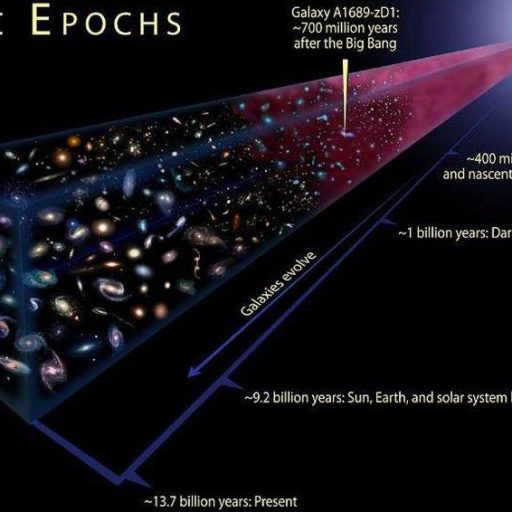
Even a tiny sliver of the Universe can reveal the cosmic story of what's out there and how it came to be the way it is today.
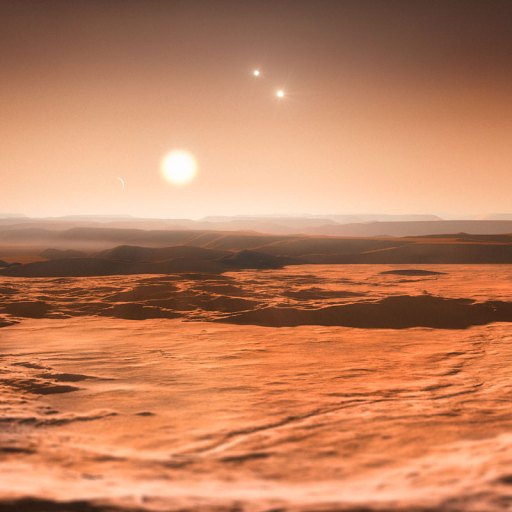
The closest star system to Earth, just over 4 light-years away, has three stars and at least one Earth-sized planet. Is it time to go there?

In 1990, we only knew of the planets in our own Solar System. Today, the exoplanet count is more than 5000. Here's what we've learned.
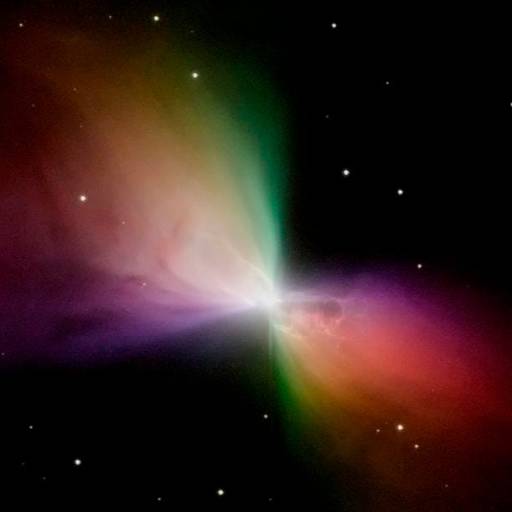
Empty, intergalactic space is just 2.725 K: not even three degrees above absolute zero. But the Boomerang Nebula is even colder.
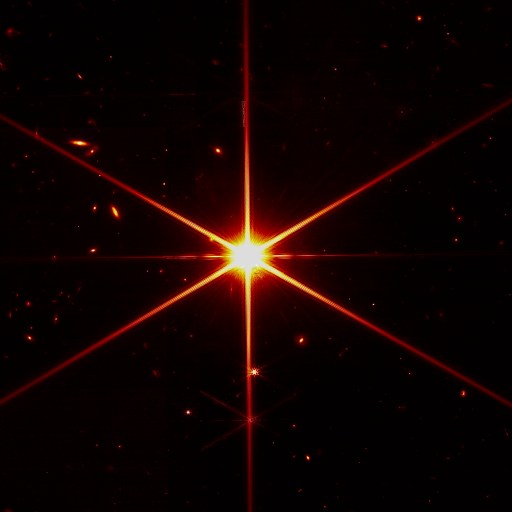
When we started imaging the Universe with Hubble, every star had four "spikes" coming from it. Here's why Webb will have more.

In the Saudi Arabian desert, the Al Naslaa rock formation looks completely unnatural. Its perfectly vertical split remains a mystery.
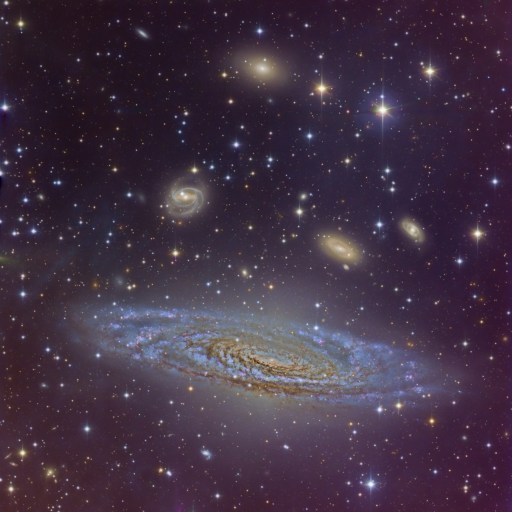
The far infrared reveals both the coldest and hottest gas in the Universe, and can teach us what no other wavelength range can.
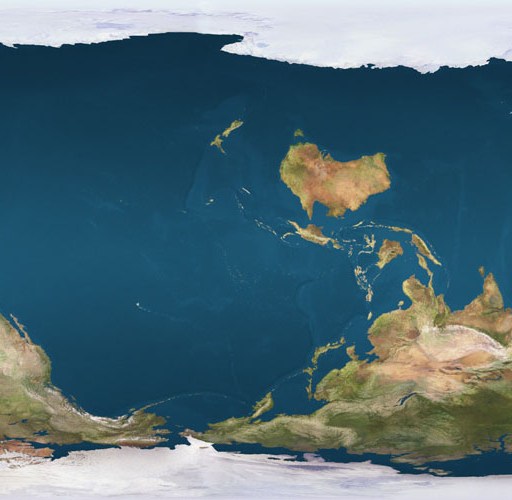
Is there any good reason for assigning North and South the way we do, or could we have just as easily done the reverse?
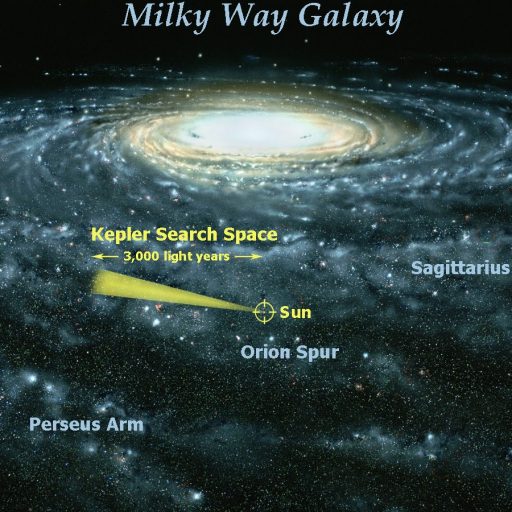
It rotates on its axis, revolves around the Sun, moves throughout the Milky Way, and gets carried by our galaxy all throughout space.
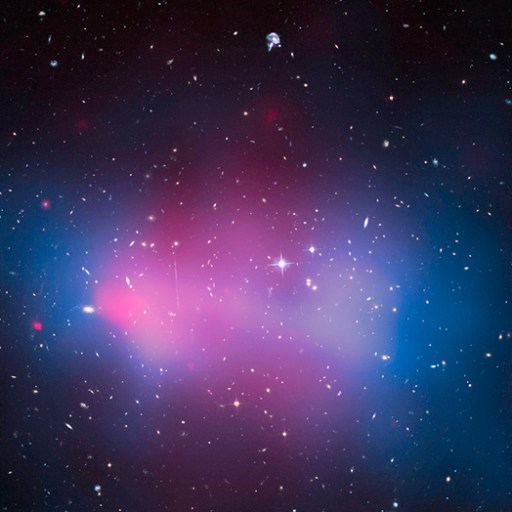
The laws of physics state that you can't create or destroy matter without also creating or destroying an equal amount of antimatter. So how are we here?
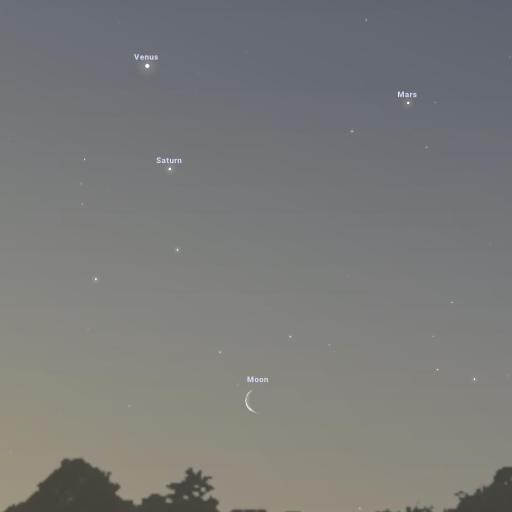
In the night sky for March of 2022, only stars and the Moon, not planets, will greet you. The real show, however, arrives just before dawn.
Despite all that we've learned about the Universe, there remain unanswered, and possibly unanswerable, questions. Could "God" be the answer?

Shortly after planet Earth formed, life took a permanent hold on our surface. But just how common is such an outcome?

If dark matter exists in a large halo in our galaxy, made up of particles, then it's passing through us constantly. But how much?

When we look out at the Universe, even with Hubble, we're only seeing the closest, biggest, brightest galaxies. Here's where the rest are.
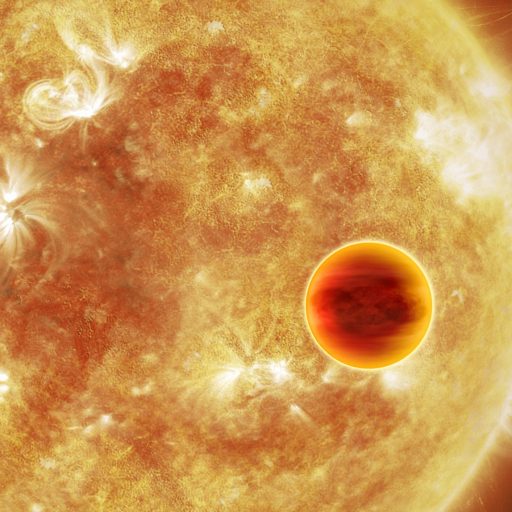
There's a limit to how large planets can be, and it's only about double the radius of Jupiter. At least, so far.
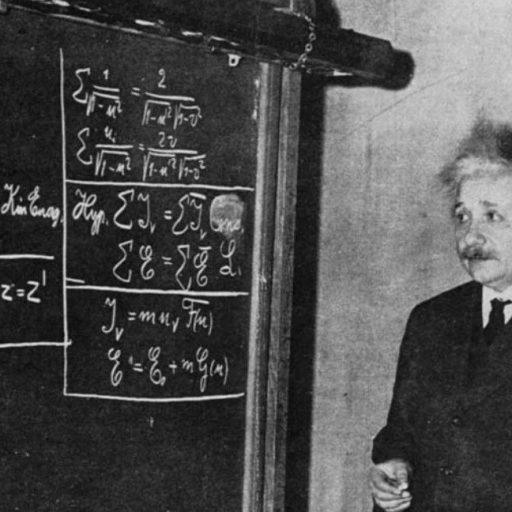
More than any other of Einstein's equations, E = mc² is the most recognizable to people. But what does it all mean?