Search
Ethan Siegel
A theoretical astrophysicist and science writer, host of popular podcast “Starts with a Bang!”

Ethan Siegel is a Ph.D. astrophysicist and author of "Starts with a Bang!" He is a science communicator, who professes physics and astronomy at various colleges. He has won numerous awards for science writing since 2008 for his blog, including the award for best science blog by the Institute of Physics. His two books "Treknology: The Science of Star Trek from Tricorders to Warp Drive" and "Beyond the Galaxy: How humanity looked beyond our Milky Way and discovered the entire Universe" are available for purchase at Amazon. Follow him on Twitter @startswithabang.
Read Less
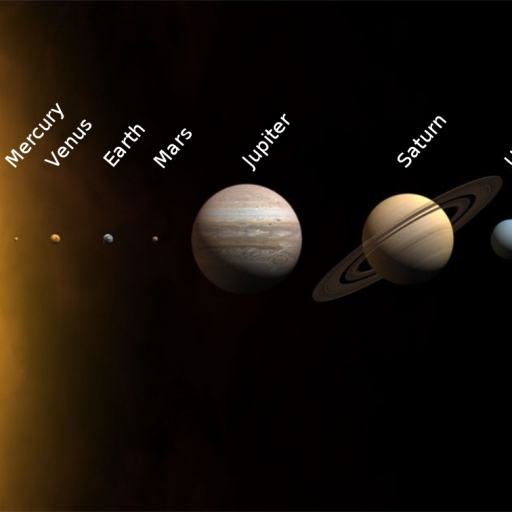
Despite being the closest planet to the Sun, Mercury "only" reaches 800 °F at its hottest. Venus is always hotter, even at night.
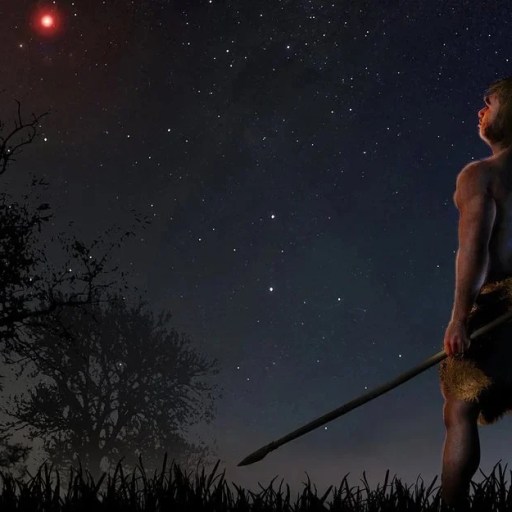
Planet Earth has been around for over 4.5 billion years, but humans? For 99.998% of our planet's history, humans were nowhere to be found.
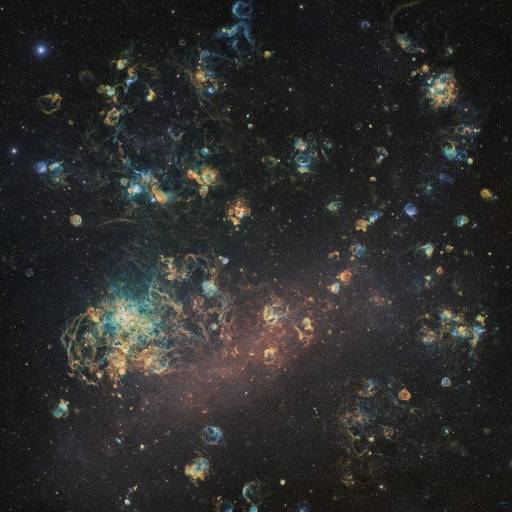
Professional astronomy images are the gold standard. But this Large Magellanic Cloud composite is the amateur community's best image ever.
Is the multiverse real? It's one of the hottest questions in all of theoretical physics. We invited two astrophysicists to join the debate.
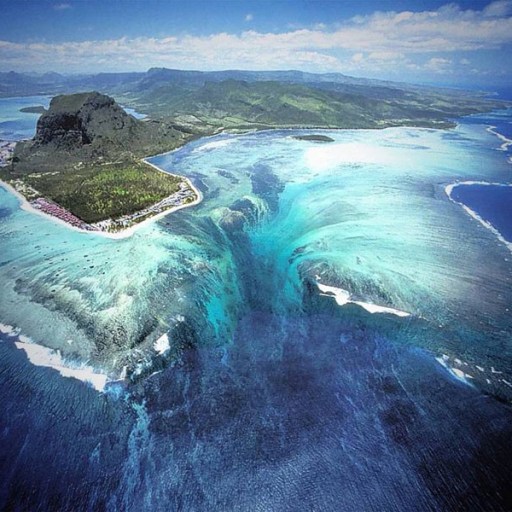
The natural wonders of Mauritius include the spectacular sight of an underwater waterfall. Here's the science of how it works.
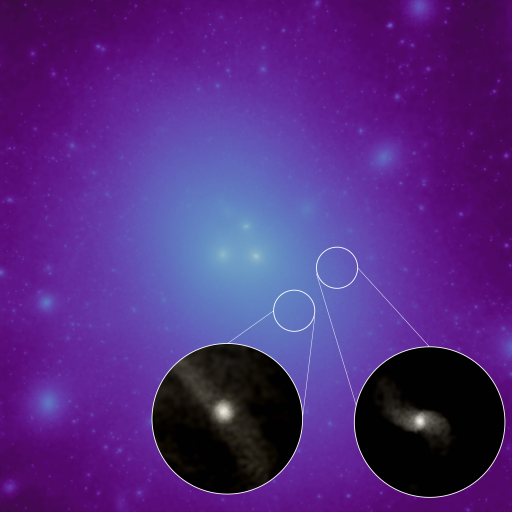
Out of all the galaxies we know, only a few little ones are missing dark matter. At last, we finally understand why.
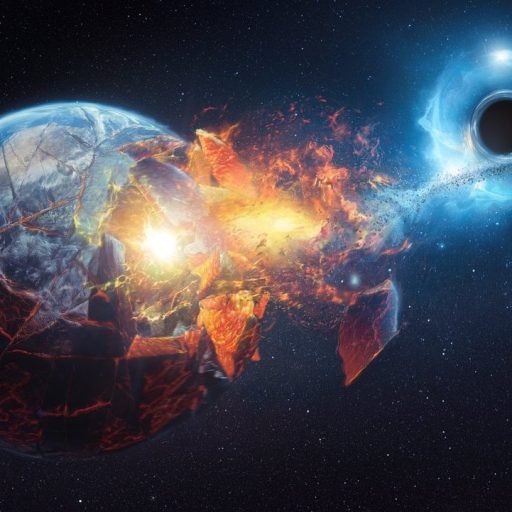
The odds are slim, but the consequences would be devastating. Here's what would happen, plus how to avoid it.
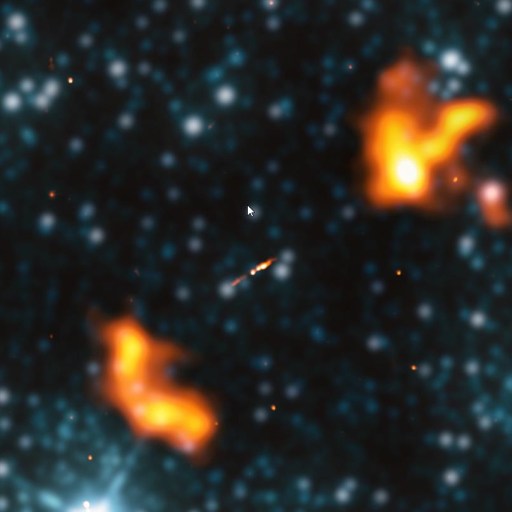
Move over, IC 1101. You may be impressively large, but you never stood a chance against the largest known galaxy: Alcyoneus.
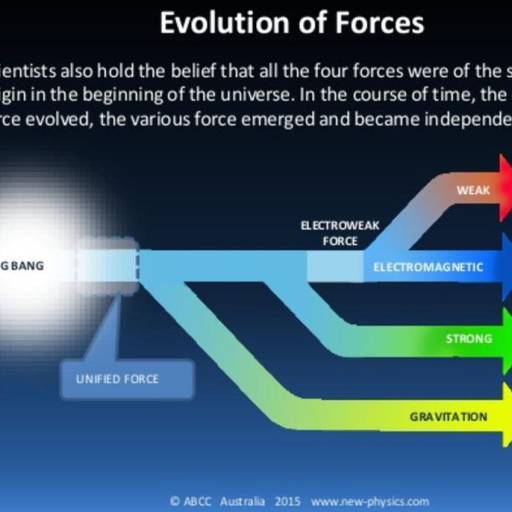
If the electromagnetic and weak forces unify to make the electroweak force, maybe, at even higher energies, something even greater happens?
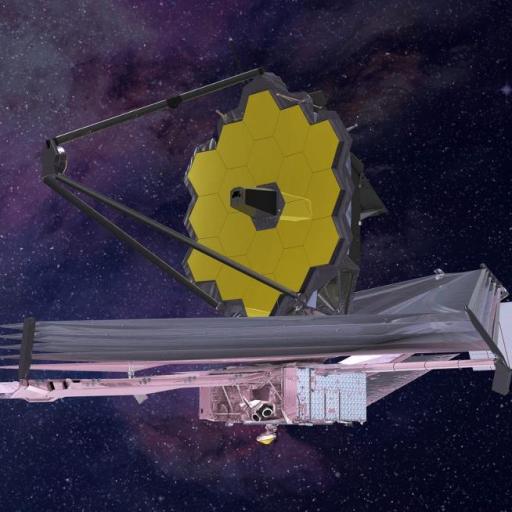
Once science operations begin for James Webb, we'll never look at the Universe the same way again. Here's what everyone should know.

Lake Baikal holds nearly one-fourth of Earth's fresh surface water and is the most scientifically interesting lake on our planet.
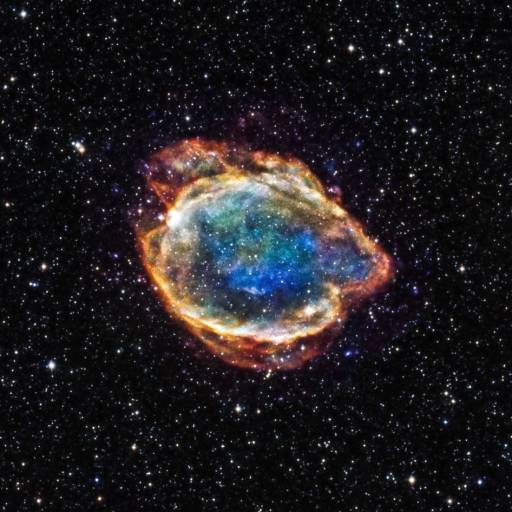
With 1550 distinct type Ia supernovae measured across ~10 billion years of cosmic time, the Pantheon+ data set reveals our Universe.
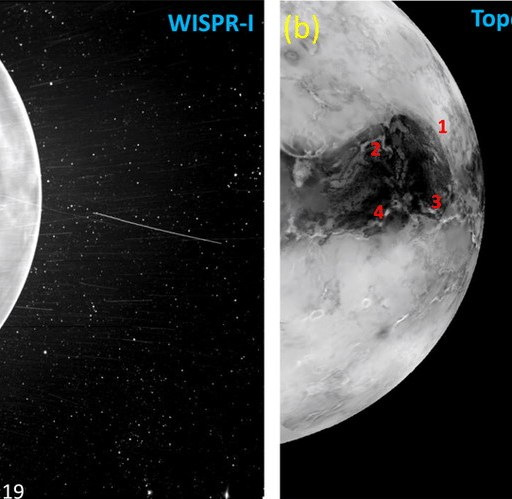
Until recently, we were only able to view Venus's surface with radar or by landing on the planet. It was believed that Venus's surface was entirely obscured by clouds; NASA's Parker Solar Probe proved otherwise.

Yes, the Universe is expanding, but you might wonder, "How fast is it expanding?"
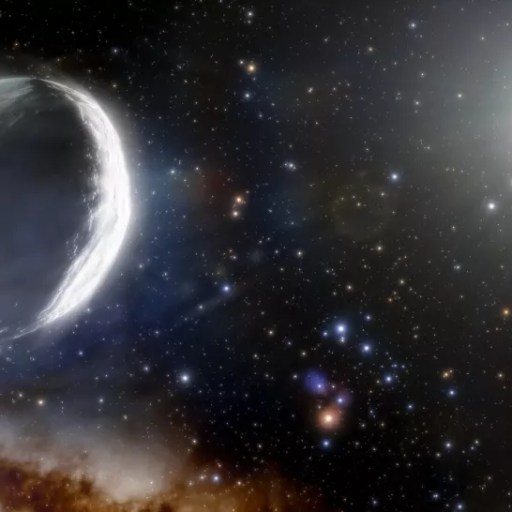
65 million years ago, an asteroid strike caused the 5th great mass extinction. Could we save Earth, today, from a similar event?
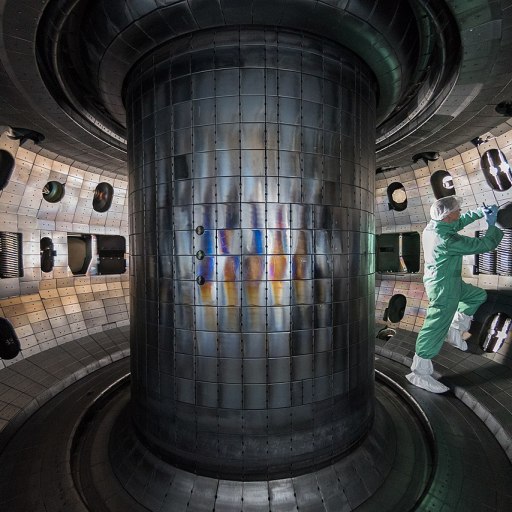
Why power generated through nuclear fusion will be the future, but not the present, solution to humanity's energy needs.
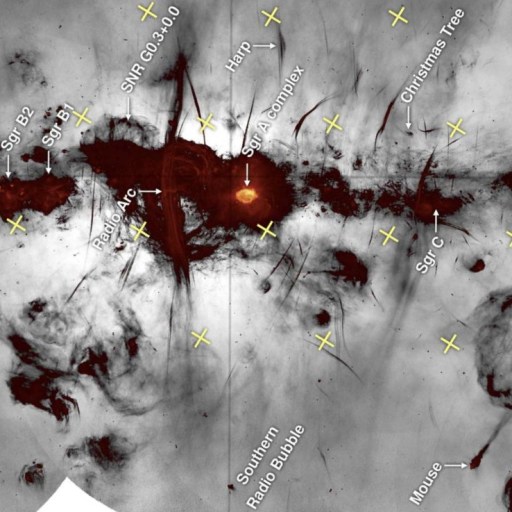
As viewed by the MeerKAT telescope, this radio view of the Milky Way blows away every other way we've ever seen our home galaxy.
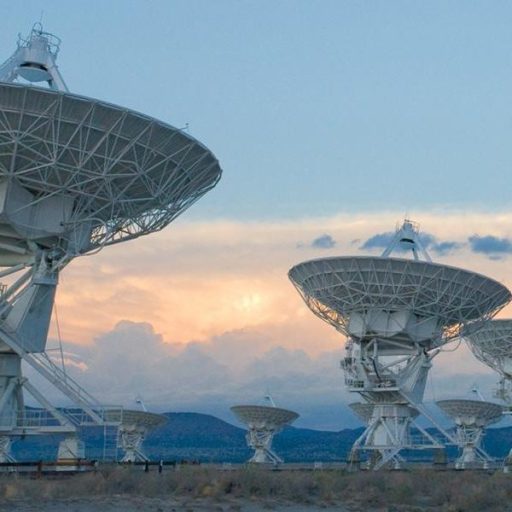
There really might be extraterrestrials out there, attempting to make contact. Here's how science, not fiction, is attempting to find them.
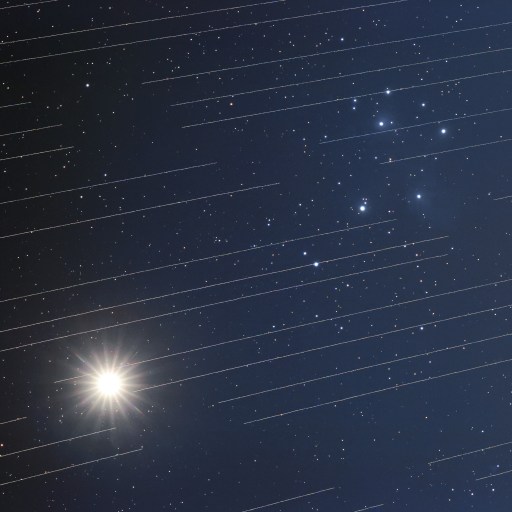
With launch costs dropping and enormous numbers of new satellites filling the sky, can't we just do it all from space?
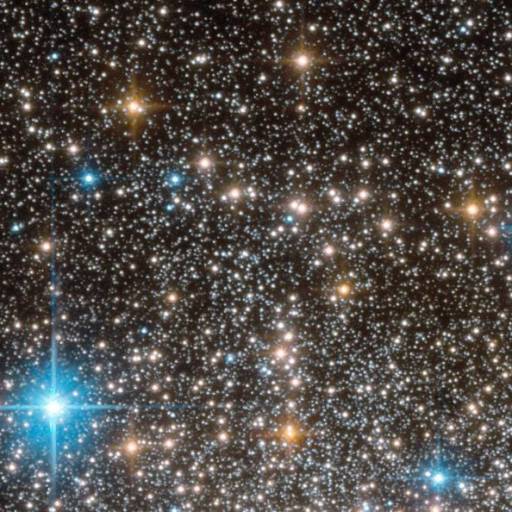
There are ~400 billion stars in the Milky Way, and ~2 trillion galaxies in the visible Universe. But what if we aren't typical?