Search
Ethan Siegel
A theoretical astrophysicist and science writer, host of popular podcast “Starts with a Bang!”

Ethan Siegel is a Ph.D. astrophysicist and author of "Starts with a Bang!" He is a science communicator, who professes physics and astronomy at various colleges. He has won numerous awards for science writing since 2008 for his blog, including the award for best science blog by the Institute of Physics. His two books "Treknology: The Science of Star Trek from Tricorders to Warp Drive" and "Beyond the Galaxy: How humanity looked beyond our Milky Way and discovered the entire Universe" are available for purchase at Amazon. Follow him on Twitter @startswithabang.
Read Less

Travel half the distance to your destination, and there's always another half to go. Despite Zeno's Paradox, you always arrive right on time.

The Universe is supposed to be the same everywhere and in all directions. So what's that giant "cold spot" doing out there?
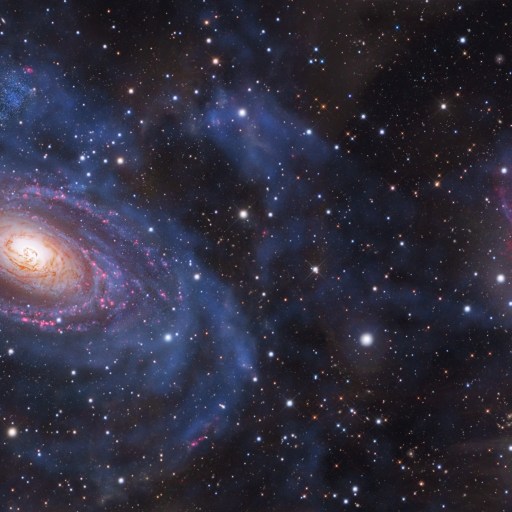
Just 12 million light-years away, the galaxies Messier 81 and 82 offer a nearby preview of the Milky Way-Andromeda merger.
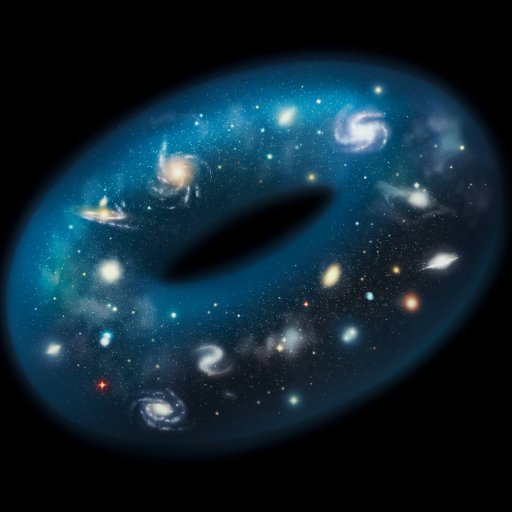
Is the Universe finite or infinite? Does it go on forever or loop back on itself? Here's what would happen if you traveled forever.
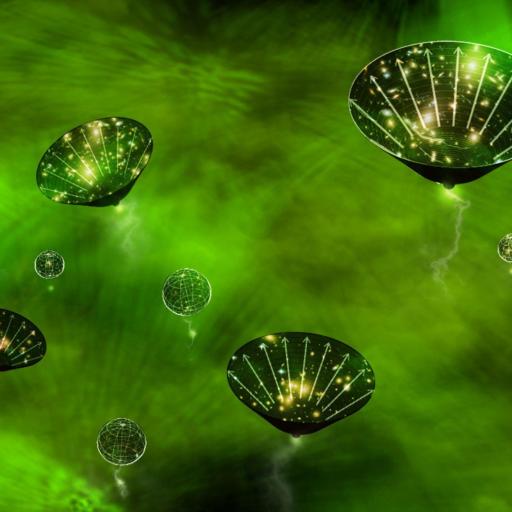
The inside of every black hole leads to the birth of a new Universe. Could our Universe have arisen from one?
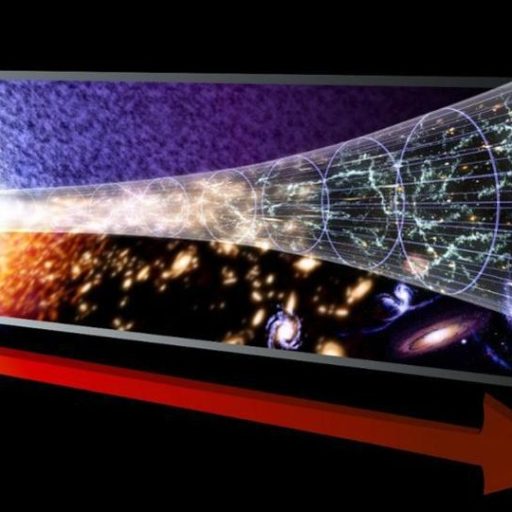
There are an estimated two trillion galaxies within the observable Universe. Most are already unreachable, and the situation only gets worse.
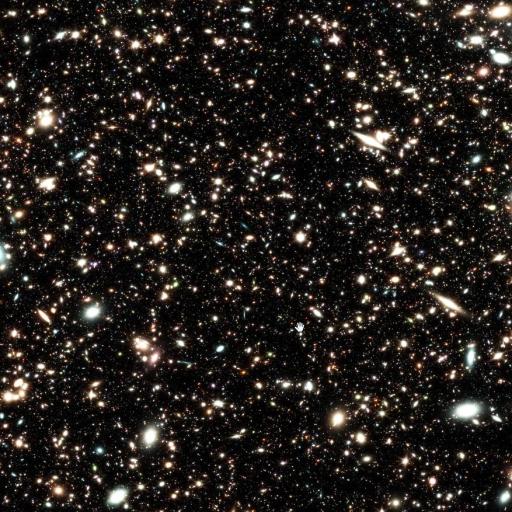
Hubble's deepest views of space revealed fewer than 10% of the Universe's galaxies. James Webb will change that forever.
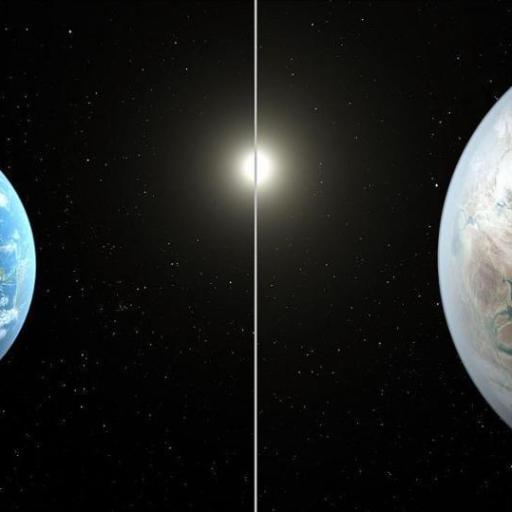
In terms of the planets we've discovered, super-Earths are by far the most common. What does that mean for the Universe?
If you want to understand what the Universe is, how it began, evolved, and will eventually end, astrophysics is the only way to go.

At a fundamental level, nobody knows whether gravity is truly quantum in nature. A novel experiment strongly hints that it is.

In 1990, we only knew of the ones in our Solar System. Today, we know of thousands, and that's just the tip of the iceberg.

We frequently say it's 2.725 K: from the light left over all the way from the Big Bang. But that's not all that's in the Universe.

Even though no human has stepped foot on the Moon's surface in 50 years, the evidence of our presence there remains unambiguous.
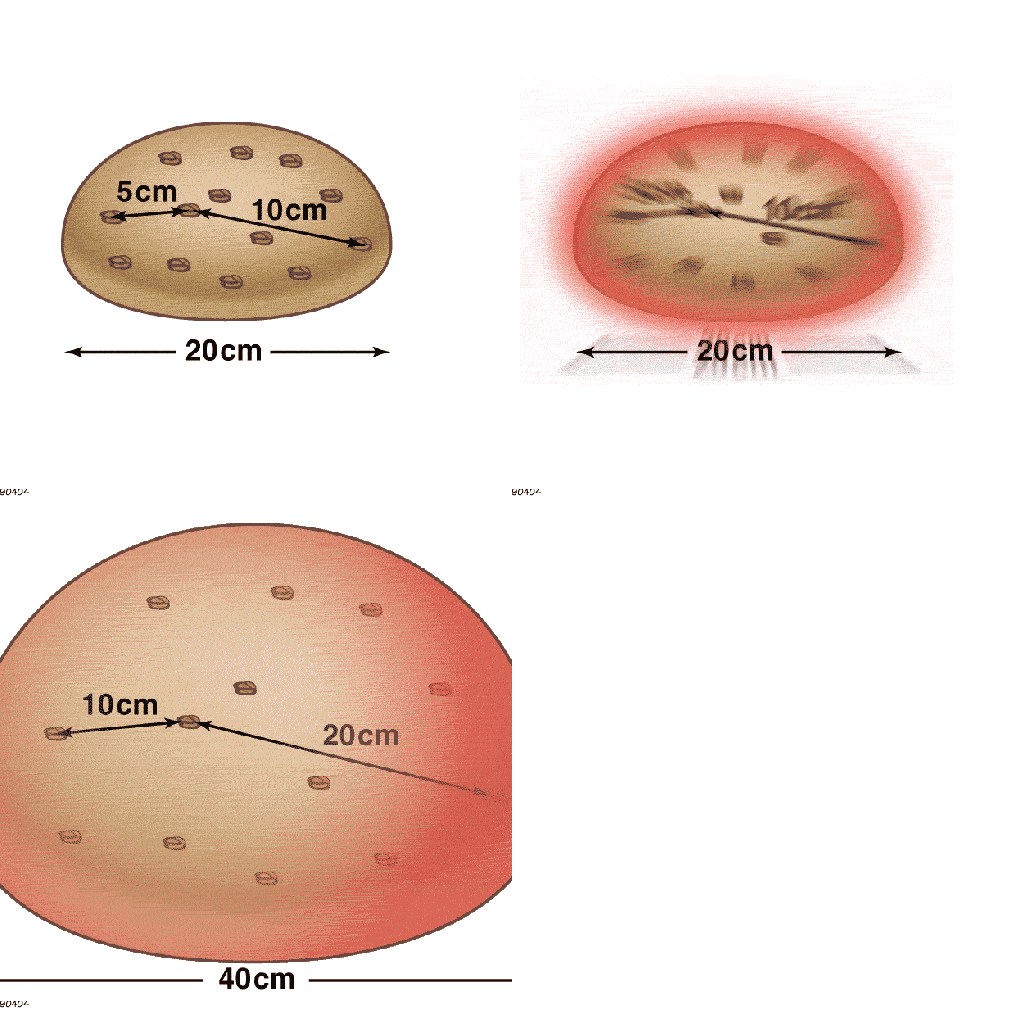
There are two fundamentally different ways of measuring the Universe's expansion. They disagree. "Early dark energy" might save us.
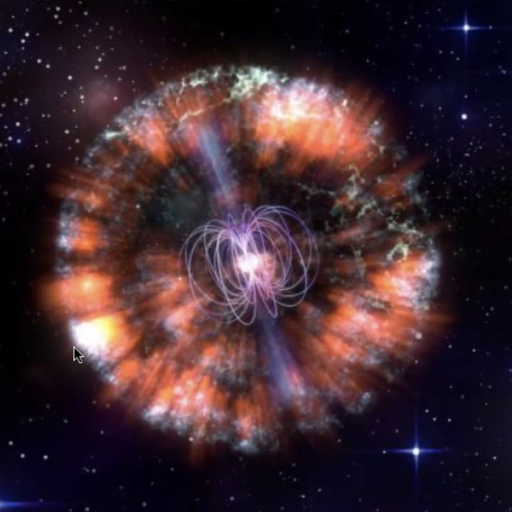
The first supernova ever discovered through its X-rays has an enormously powerful engine at its core. It's unlike anything ever seen.
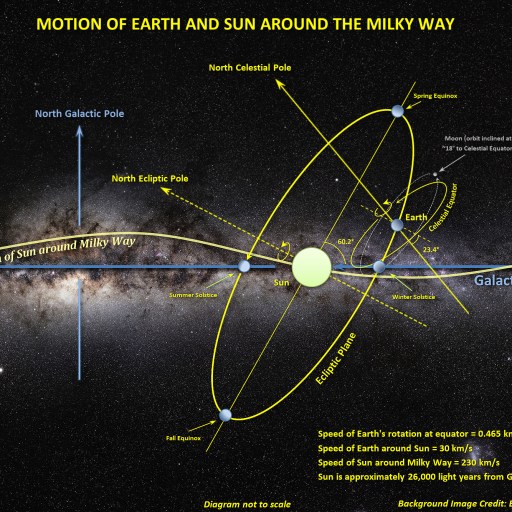
The Solar System isn't a vortex, but rather the sum of all our great cosmic motions. Here's how we move through space.
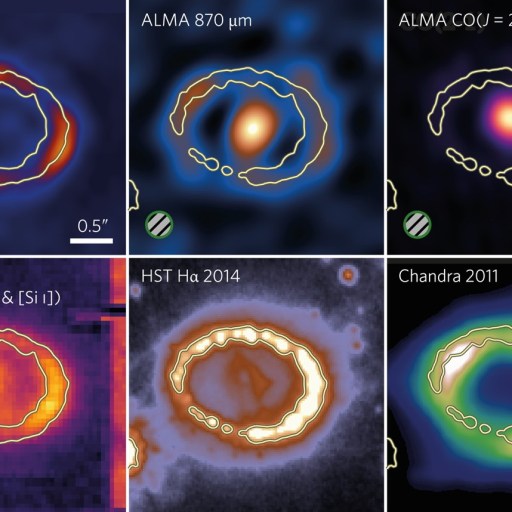
Some stars burn through their fuel as expected, and die of natural causes. But others, instead, get murdered. Here's their story.
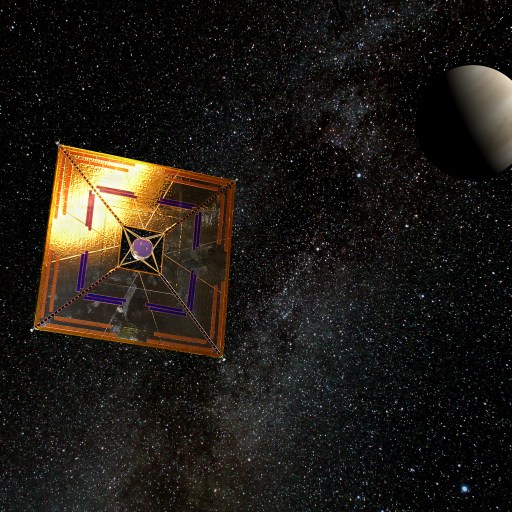
With advanced laser technology and an appropriate sail, we could accelerate objects to ~20% the speed of light. But would they survive?
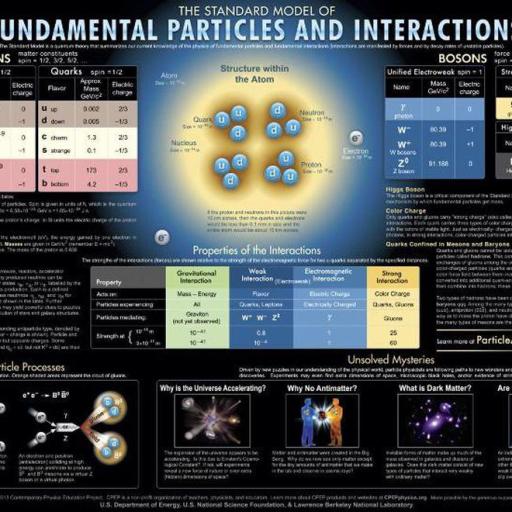
Particle physics needs a new collider to supersede the Large Hadron Collider. Muons, not electrons or protons, might hold the key.

From before the Big Bang to the present day, the Universe goes through many eras. Dark energy heralds the final one.