Search
Ethan Siegel
A theoretical astrophysicist and science writer, host of popular podcast “Starts with a Bang!”

Ethan Siegel is a Ph.D. astrophysicist and author of "Starts with a Bang!" He is a science communicator, who professes physics and astronomy at various colleges. He has won numerous awards for science writing since 2008 for his blog, including the award for best science blog by the Institute of Physics. His two books "Treknology: The Science of Star Trek from Tricorders to Warp Drive" and "Beyond the Galaxy: How humanity looked beyond our Milky Way and discovered the entire Universe" are available for purchase at Amazon. Follow him on Twitter @startswithabang.
Read Less
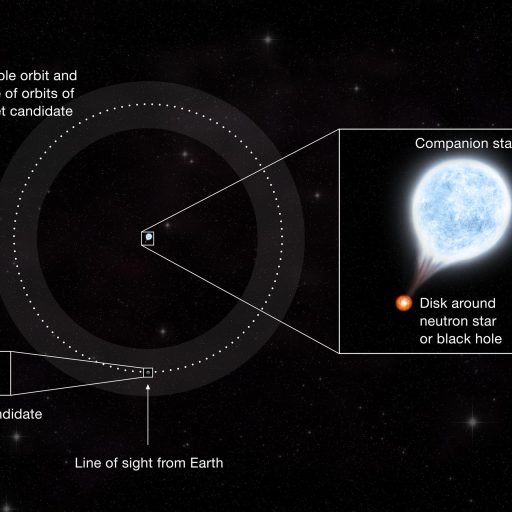
Named M51-ULS-1b, it's certainly a curious astronomical event. But the evidence is far too weak to conclude "planet."

As the first Friedmann equation celebrates its 99th anniversary, it remains the one equation to describe our entire universe.
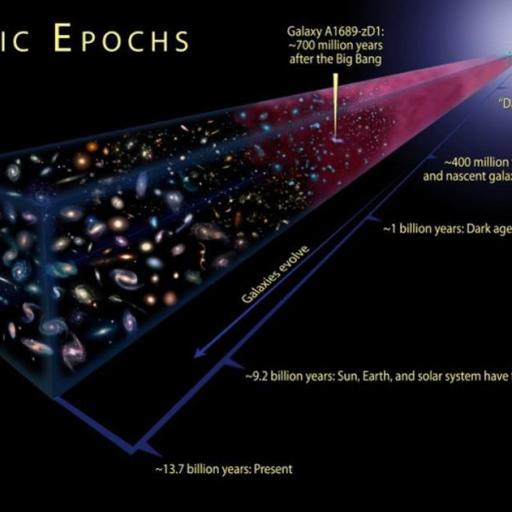
It's been precisely 13.8 billion years since the Big Bang occurred. Here's how we know.
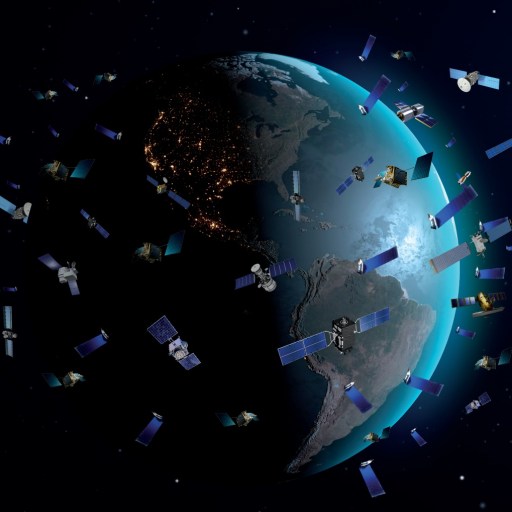
An unprecedented number of new satellites threatens the night sky as we know it. Will we act in time to save it?
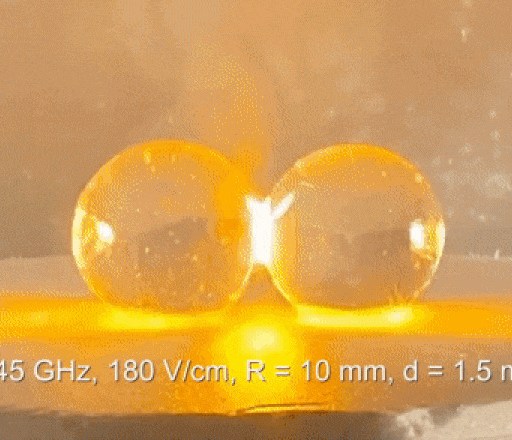
Put two grapes close together in a microwave and you'll get an electrifying result, all because of the physics of plasmas.
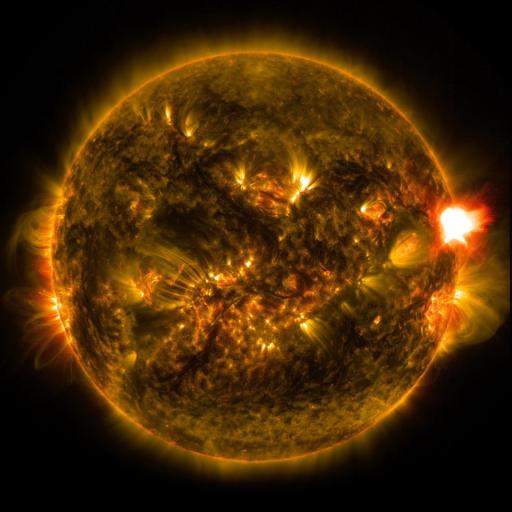
For the past 150+ years, the big ones have all missed us. But at some point, our good luck will run out.
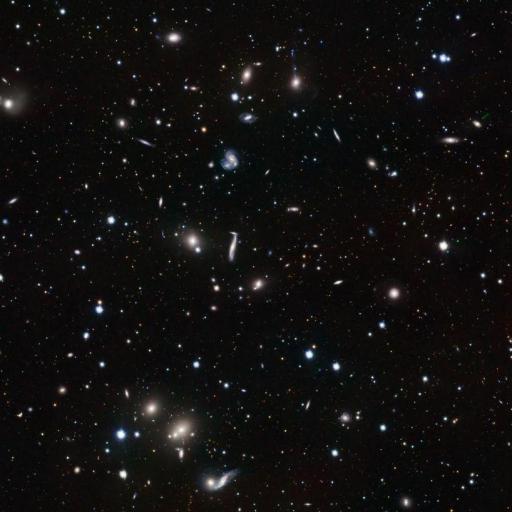
Even if we traveled at the speed of light, we'd never catch up to these galaxies.

The "overview effect," experienced by astronauts when they view the Earth from outer space, irrevocably changes your perspective as a human.

We used to think the Big Bang meant the universe began from a singularity. Nearly 100 years later, we're not so sure.
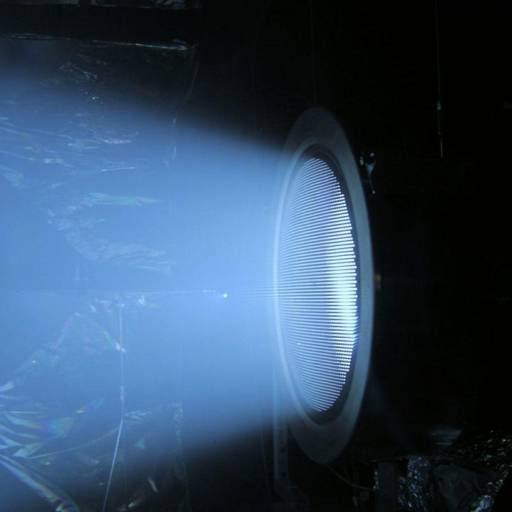
Migrating our planet to a safer orbit might be the only way to preserve Earth after all the ice melts.
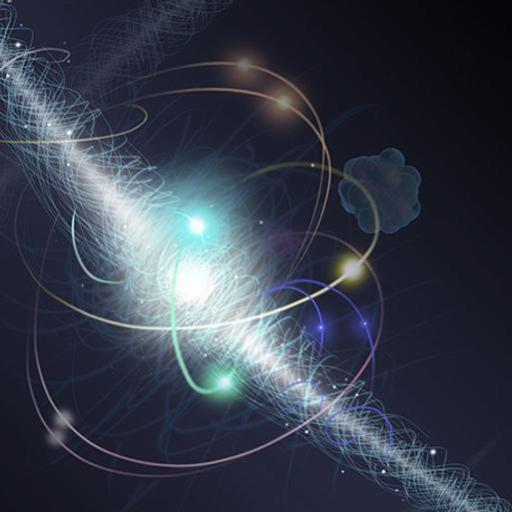
Chemical energy, where electrons transition in atoms, powers the reactions we see. But two other types hold more promise than all the rest.

Many contrarians dispute that cosmic inflation occurred. The evidence says otherwise.

From wearable electronics to microscopic sensors to telemedicine, new advances like graphene and supercapacitors are bringing "impossible" electronics to life.
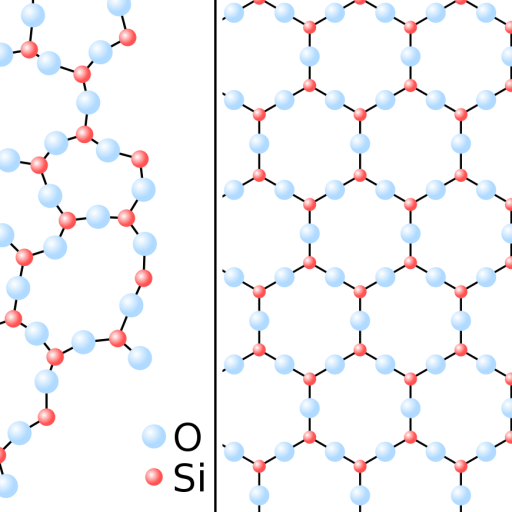
It's not for climate science and condensed matter physics. It's for advancing our understanding beyond spherical cows.
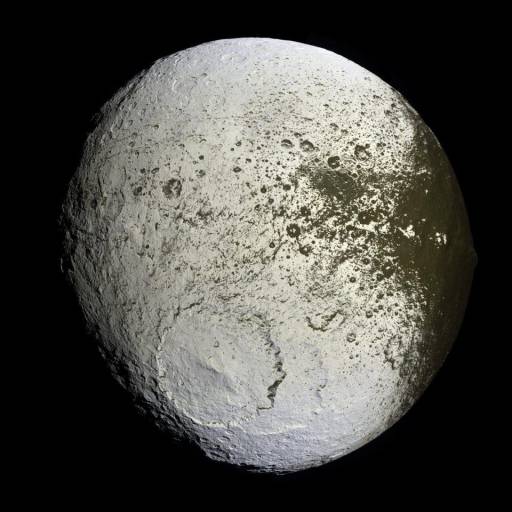
Saturn's Iapetus, discovered way back in 1671, has three bizarre features that science still can't fully explain.
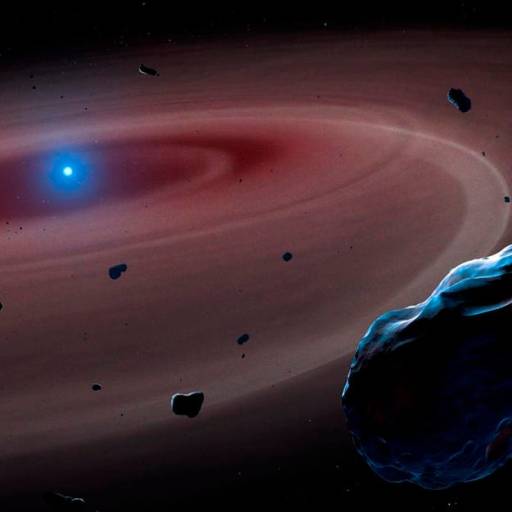
The past ~4 billion years have been an incredibly successful, unbroken run for life on Earth. The future won't be nearly so bright.
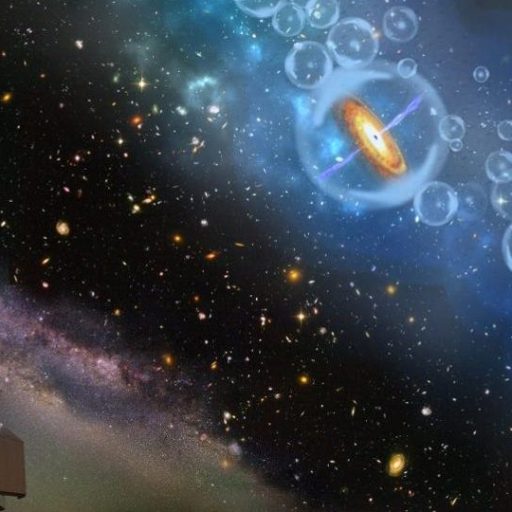
If we were born trillions of years in the future, could we even figure out our cosmic history?

If there really is another version of you out there in a parallel universe, what can that teach us about reality?

The universe is only 13.8 billion years old, but we can see back 46.1 billion light-years. Here's how the expanding universe does it.
Gravitation, all on its own, can reveal what's present in the cosmos like nothing else.