Search
Ethan Siegel
A theoretical astrophysicist and science writer, host of popular podcast “Starts with a Bang!”

Ethan Siegel is a Ph.D. astrophysicist and author of "Starts with a Bang!" He is a science communicator, who professes physics and astronomy at various colleges. He has won numerous awards for science writing since 2008 for his blog, including the award for best science blog by the Institute of Physics. His two books "Treknology: The Science of Star Trek from Tricorders to Warp Drive" and "Beyond the Galaxy: How humanity looked beyond our Milky Way and discovered the entire Universe" are available for purchase at Amazon. Follow him on Twitter @startswithabang.
Read Less

Here in 2025, many of us claim to come to our own conclusions by doing our own research. Here's why we're mostly deluding ourselves.
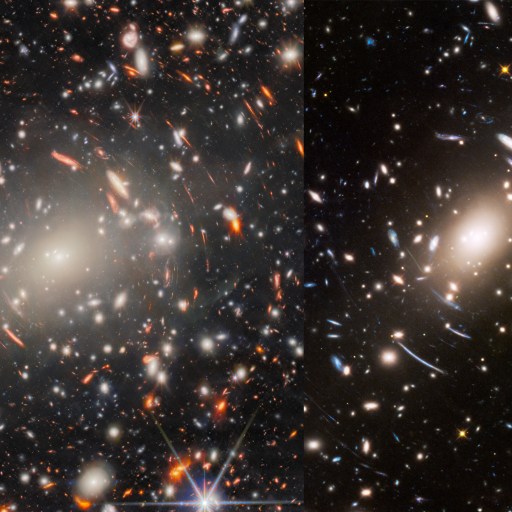
Massive galaxy cluster Abell S1063, 4.5 billion light-years away, bends and distorts the space nearby. Here's what a JWST deep field shows.
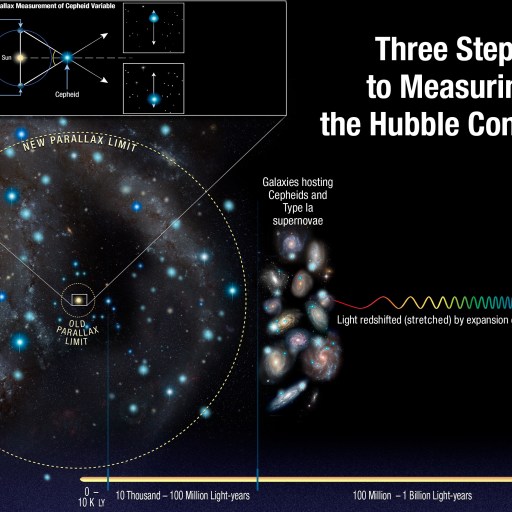
Is the Universe's expansion rate 67 km/s/Mpc, 73 km/s/Mpc, or somewhere in between? The Hubble tension is real and not so easy to resolve.
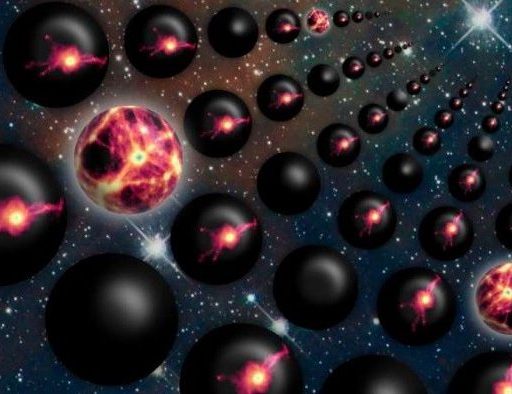
The ANITA experiment found cosmic rays shooting out of Antarctica. One interpretation claims "parallel Universes," but is that right?
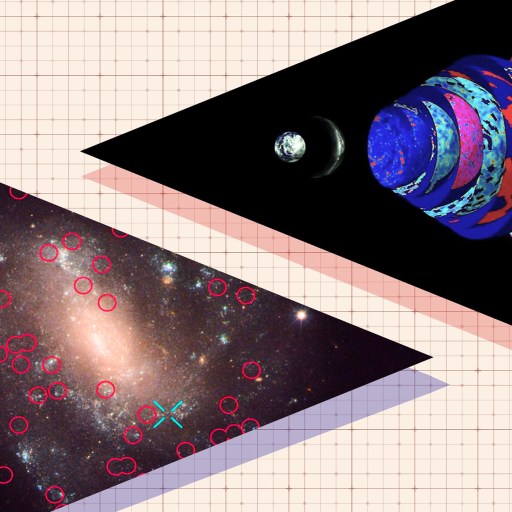
Different methods of measuring the Universe's expansion rate yield high-precision, incompatible answers. But is the problem robustly real?
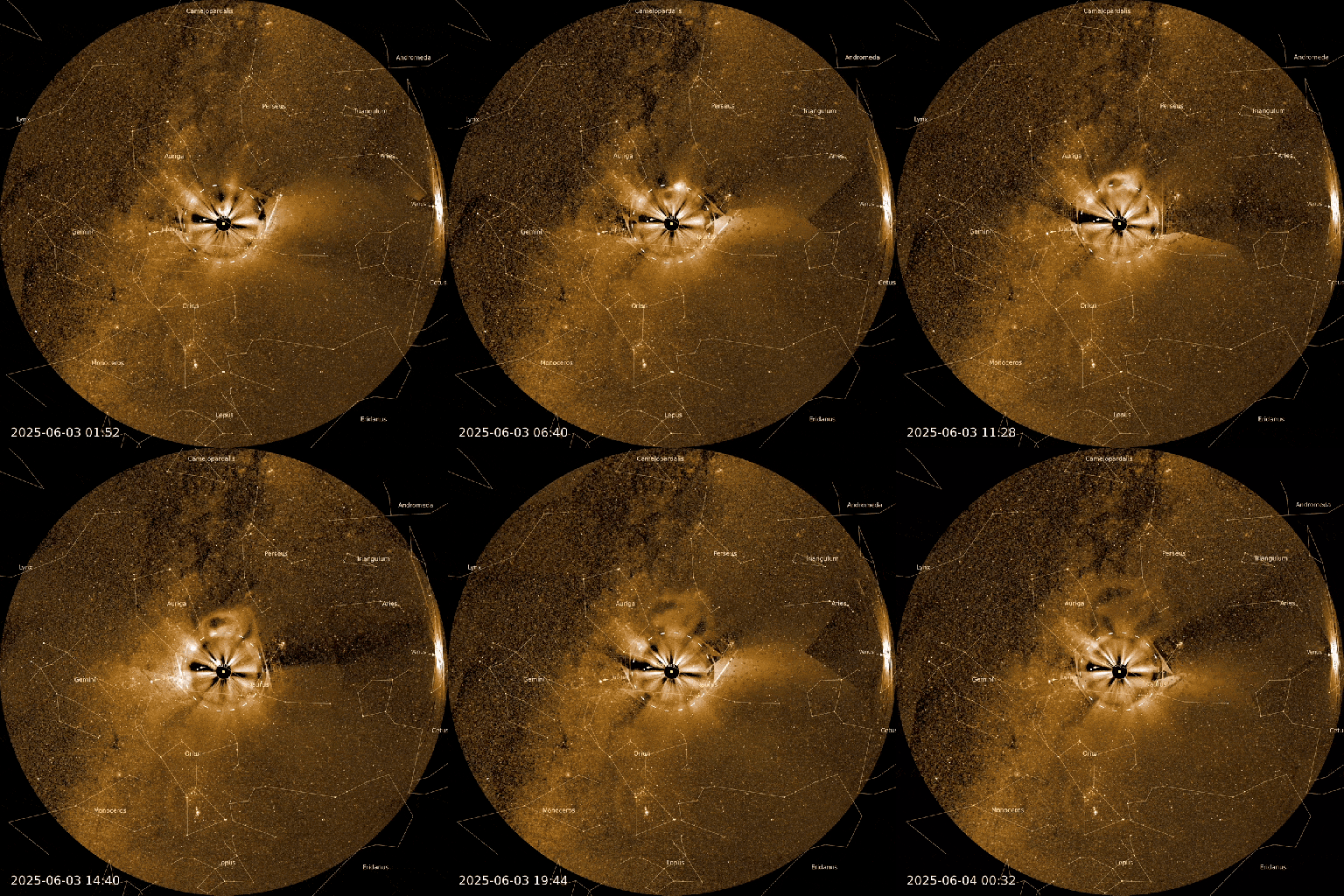
Launched in March, the PUNCH mission has viewed two incredible coronal mass ejections, tracking them farther from the Sun than ever before.
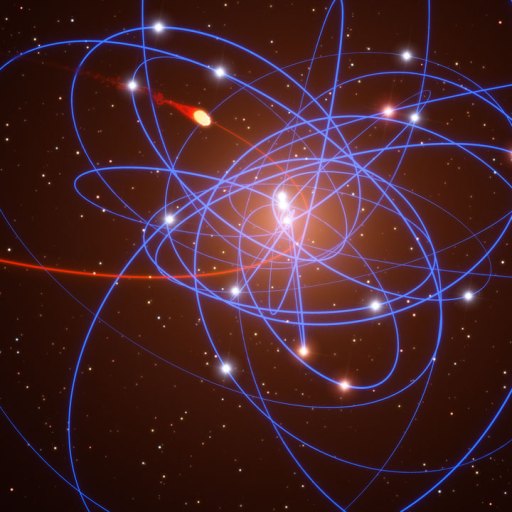
The tiniest galaxies of all are the most severely dominated by dark matter. Could black holes be the cause of the extra gravity instead?
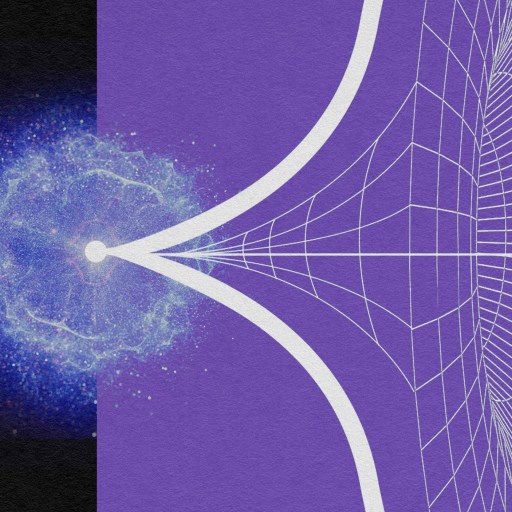
A few physical quantities, in all laboratory experiments, are always conserved: including energy. But for the entire Universe? Not so much.
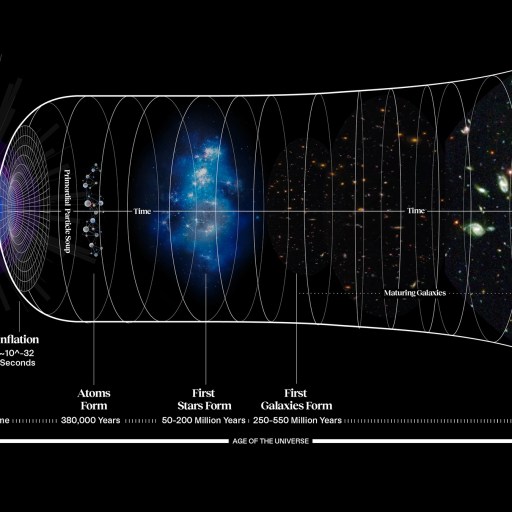
If you want to understand the Universe, cosmologically, you just can't do it without the Friedmann equation. With it, the cosmos is yours.
If all massive objects emit Hawking radiation, not just black holes alone, then everything is unstable, even the Universe. Can that be true?
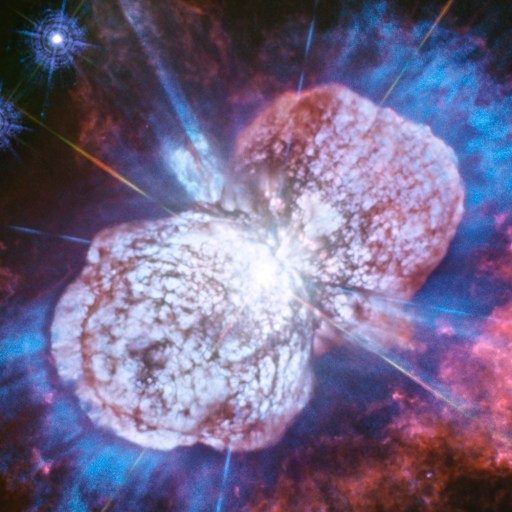
There's an old saying that "what you see is what you get." When it comes to the Universe, however, there's often more to the full story.
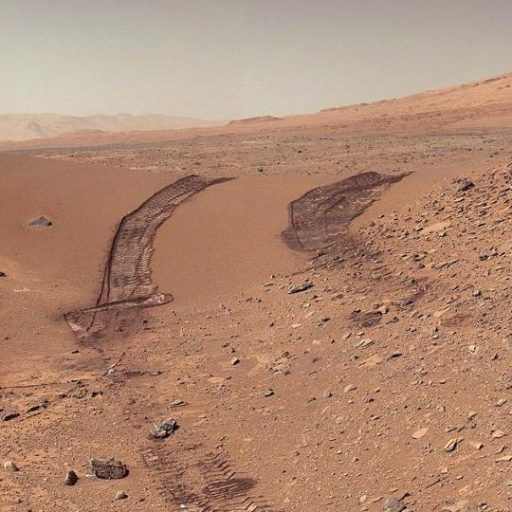
The surface and atmosphere is colored by ferric oxides. Beneath a very thin layer, mere millimeters deep in places, it's not red anymore.
Many, from neuroscientists to philosophers to anesthesiologists, have claimed to understand consciousness. Do physicists? Does anyone?
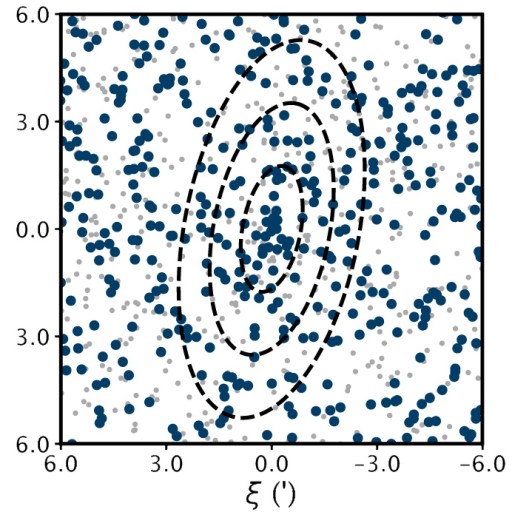
With stars, gas, and dark matter, galaxies come in a great array of sizes. This new one, Ursa Major III/UNIONS 1, is the smallest by far.
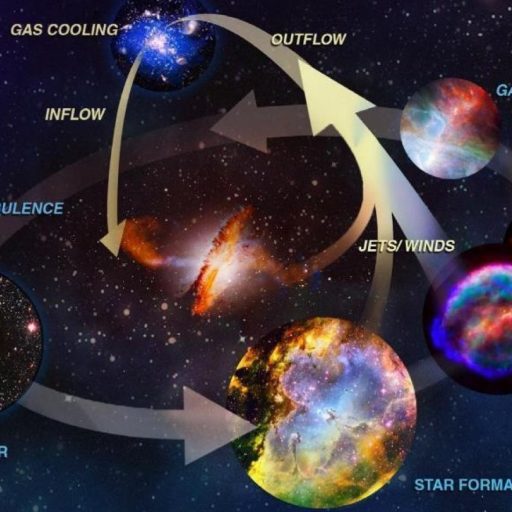
NASA astrophysics, which gave us Hubble, JWST, and so much more, faces its greatest budget cut in history. All future missions are at risk.
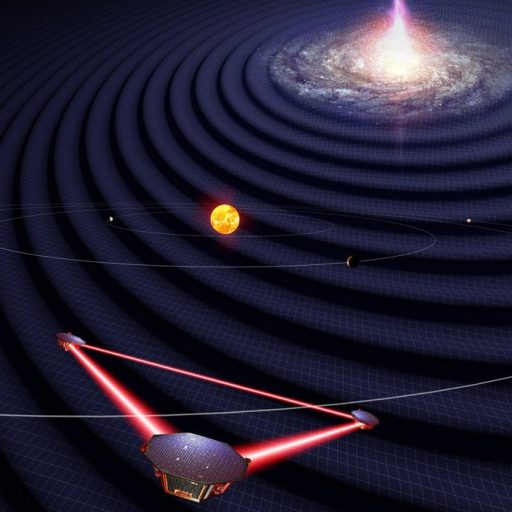
Just 10 years ago, humanity had never directly detected a single gravitational wave. We're closing in on 300 now, with so much more to come!
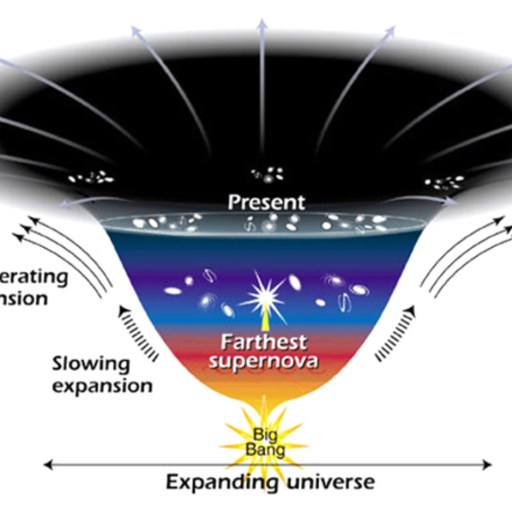
The fact that our Universe's expansion is accelerating implies that dark energy exists. But could it be even weirder than we've imagined?

The laws of physics obey certain symmetries and defy others. It's theoretically tempting to add new ones, but reality doesn't agree.

For centuries, vaccines have been the top life-saving, expert medical intervention known to humans. How can individuals make the right call?
It took nearly 400,000 years, after the Big Bang, to first form neutral atoms. The imprints from that early time can now be seen everywhere.