Search
Ethan Siegel
A theoretical astrophysicist and science writer, host of popular podcast “Starts with a Bang!”

Ethan Siegel is a Ph.D. astrophysicist and author of "Starts with a Bang!" He is a science communicator, who professes physics and astronomy at various colleges. He has won numerous awards for science writing since 2008 for his blog, including the award for best science blog by the Institute of Physics. His two books "Treknology: The Science of Star Trek from Tricorders to Warp Drive" and "Beyond the Galaxy: How humanity looked beyond our Milky Way and discovered the entire Universe" are available for purchase at Amazon. Follow him on Twitter @startswithabang.
Read Less
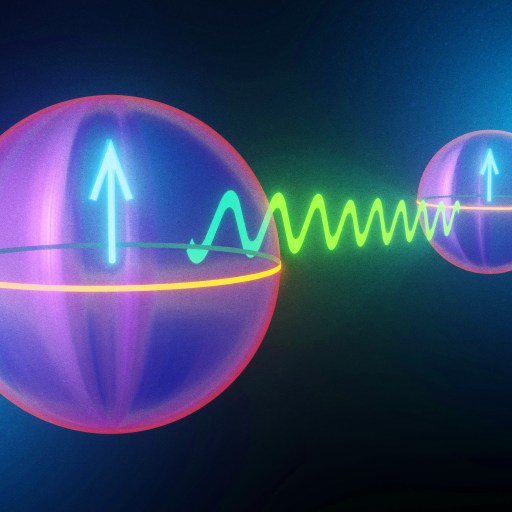
There was a lot of hype and a lot of nonsense, but also some profoundly major advances. Here are the biggest ones you may have missed.

Matt Strassler's journey into fundamental physics culminates in a brilliant explanation of the Higgs field. Enjoy this exclusive interview.
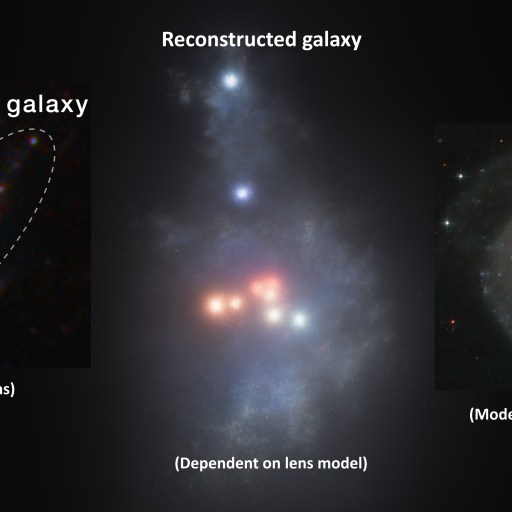
The Firefly Sparkle galaxy was only spotted because of gravitational lensing's effects. Yet galaxies like these brought us a visible cosmos.
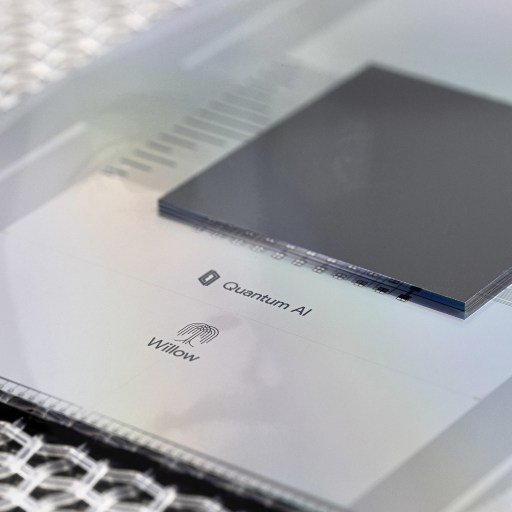
By improving quantum error correction, quantum computations are now faster than ever. But parallel universes? That's utter nonsense here.

Sixty years ago, the Soviet Union was way ahead of the USA in the space race. Then one critical event changed everything.
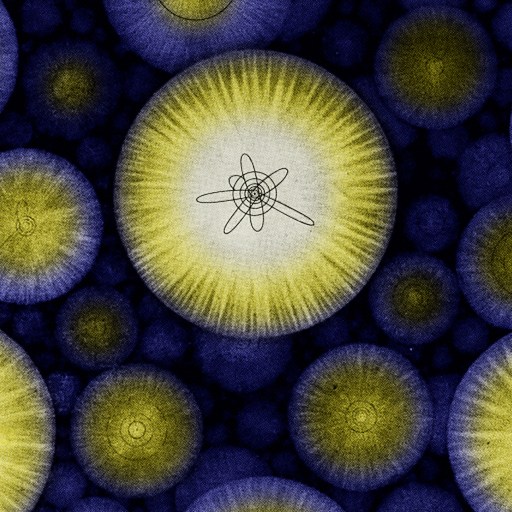
If atoms are mostly empty space, then why can't two objects made of atoms simply pass through each other? Quantum physics explains why.
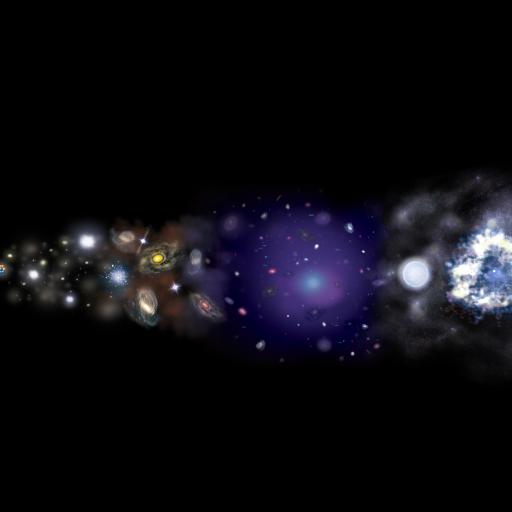
From a hot, dense, uniform state in its earliest moments, our entire known Universe arose. These unavoidable steps made it all possible.
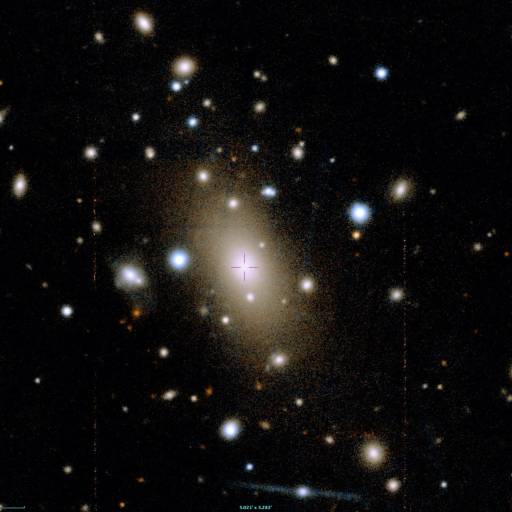
It was barely a century ago that we thought the Milky Way encompassed the entirety of the Universe. Now? We're not even a special galaxy.
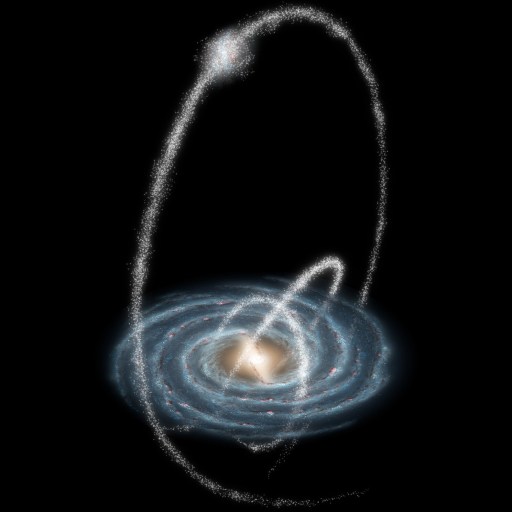
Even with just a momentary view of our galaxy right now, the data we collect enables us to reconstruct so much of our past history.
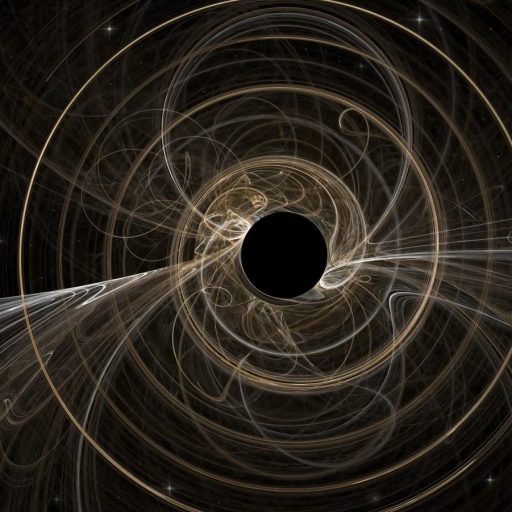
50 years ago, Stephen Hawking showed that black holes emit radiation and eventually decay away. That fate may now apply to everything.
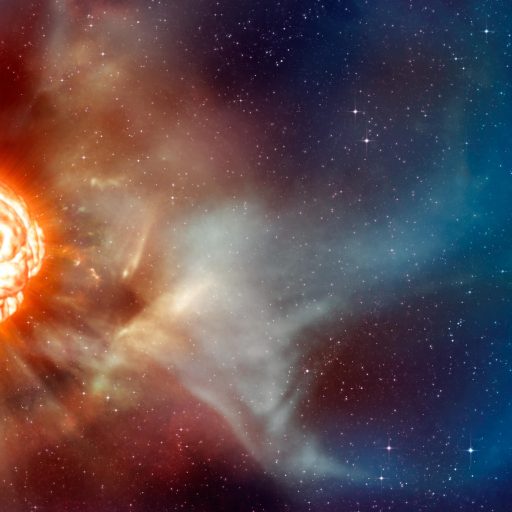
The closest known star that will soon undergo a core-collapse supernova is Betelgeuse, just 640 light-years away. Here's what we'll observe.
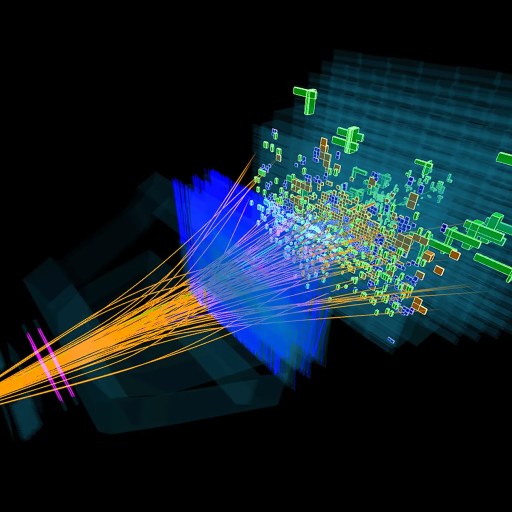
We have very specific predictions for how particles ought to decay. When we look at B-mesons all together, something vital doesn't add up.

Most waves need a medium to travel through. But the way that light and gravitational waves travel shows that space can't be a medium at all.
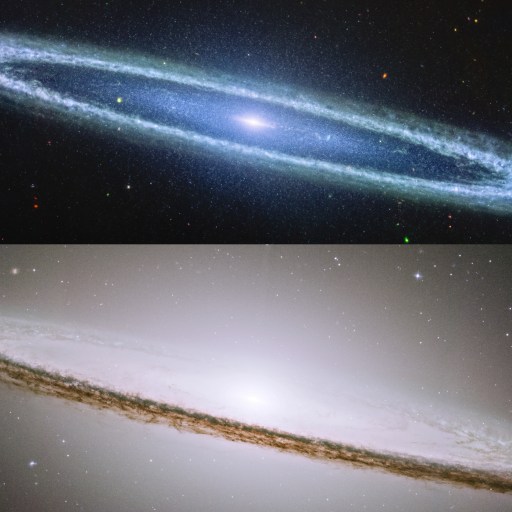
The Sombrero is the closest bright, massive, edge-on galaxy to us. JWST's new image, taken with MIRI, finally shows what's under its hat.
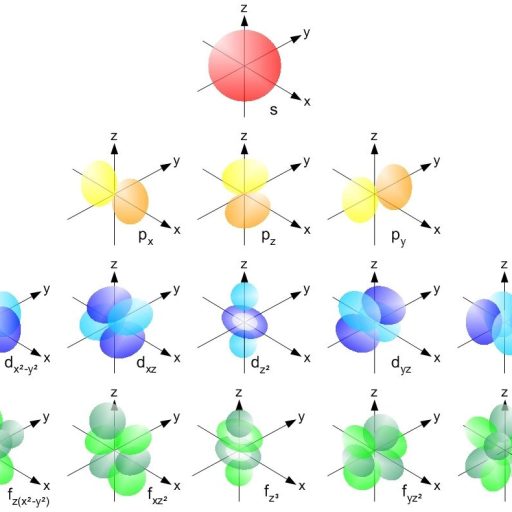
One of the fundamental constants of nature, the fine-structure constant, determines so much about our Universe. Here's why it matters.
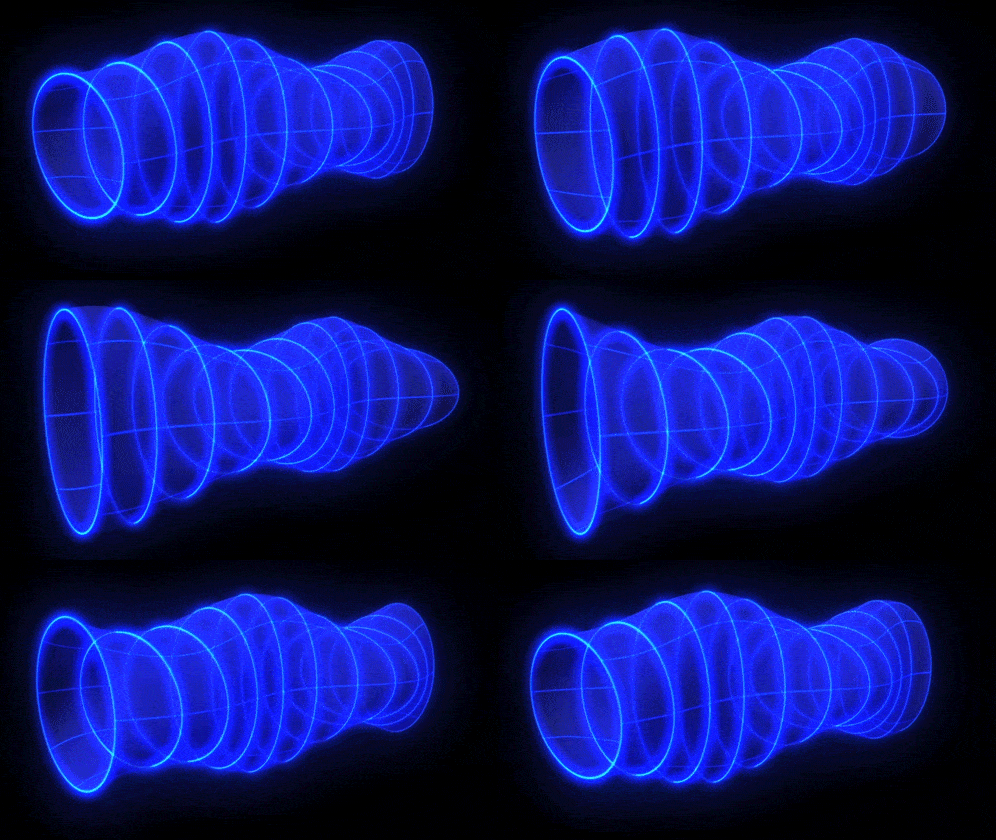
Gravitational waves are the last signatures that are emitted by merging black holes. What happens when these two phenomena meet in space?

For nearly 60 years, the hot Big Bang has been accepted as the best story of our cosmic origin. Could the Steady-State theory be possible?

Two parts of our Universe that seem to be unavoidable are dark matter and dark energy. Could they really be two aspects of the same thing?
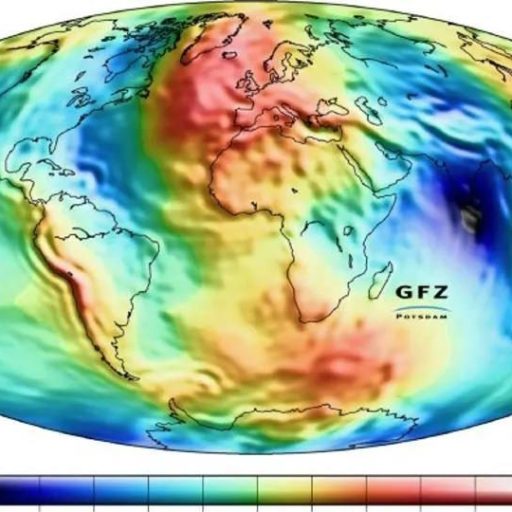
Scalars, vectors, and tensors come up all the time in physics. They're more than mathematical structures. They help describe the Universe.
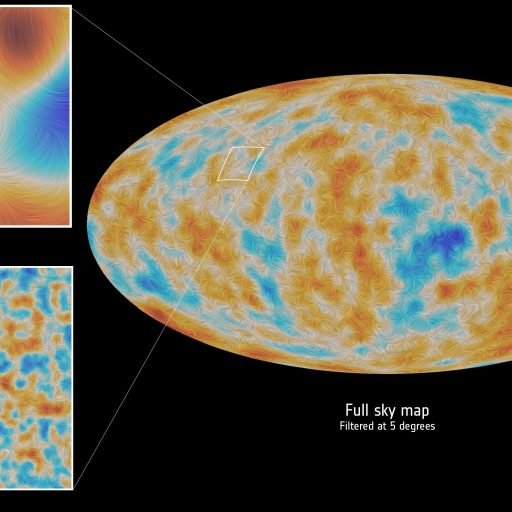
Since the mid-1960s, the CMB has been identified with the Big Bang's leftover glow. Could any alternative explanations still work?