Search
Ethan Siegel
A theoretical astrophysicist and science writer, host of popular podcast “Starts with a Bang!”
Ethan Siegel is a Ph.D. astrophysicist and author of "Starts with a Bang!" He is a science communicator, who professes physics and astronomy at various colleges. He has won numerous awards for science writing since 2008 for his blog, including the award for best science blog by the Institute of Physics. His two books "Treknology: The Science of Star Trek from Tricorders to Warp Drive" and "Beyond the Galaxy: How humanity looked beyond our Milky Way and discovered the entire Universe" are available for purchase at Amazon. Follow him on Twitter @startswithabang.
Read Less
In physics, we reduce things to their elementary, fundamental components, and build emergent things out of them. That's not the full story.
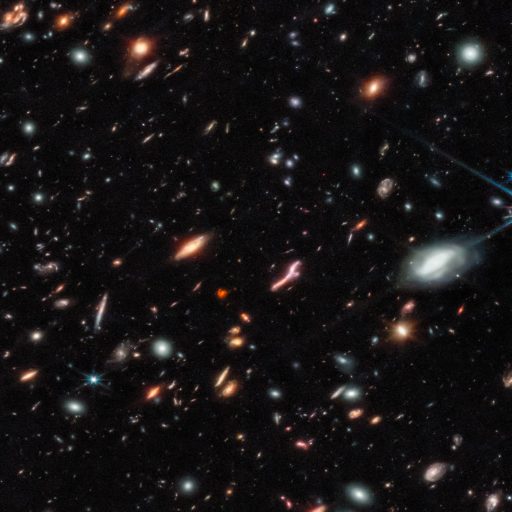
If you can identify a foreground star, the spike patterns are a dead giveaway as to whether it's a JWST image or any other observatory.
In a far-reaching discovery with astrophysicist Karolina Garcia, we discuss what's in the Universe and how it grew up.
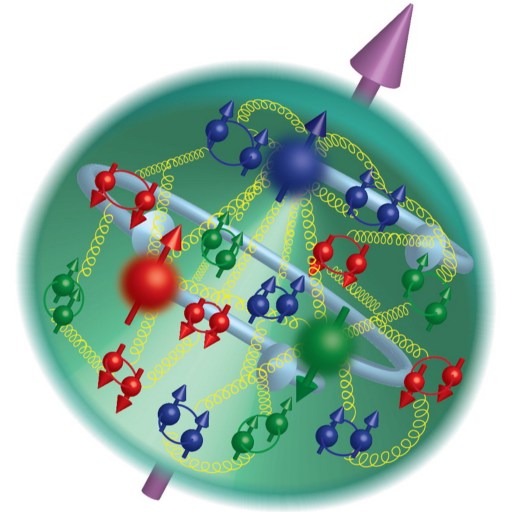
If we waited long enough, would even protons themselves decay? The far future stability of the Universe depends on it.
What do the dark recesses of the early Universe and Zelda: Tears of the Kingdom have in common? More than you could have ever hoped for.
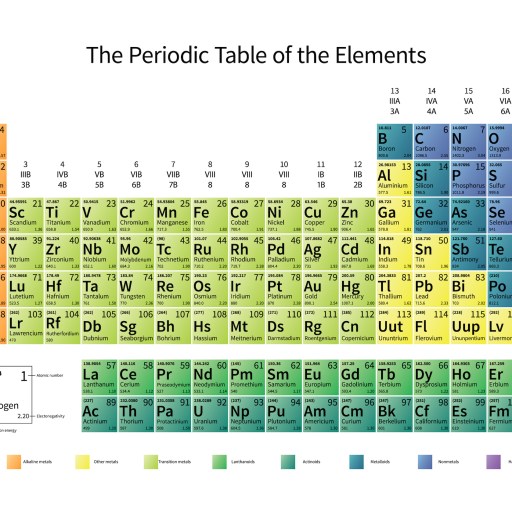
Up until 2002, we thought that the heaviest stable element was bismuth: #83 on the periodic table. That's absolutely no longer the case.
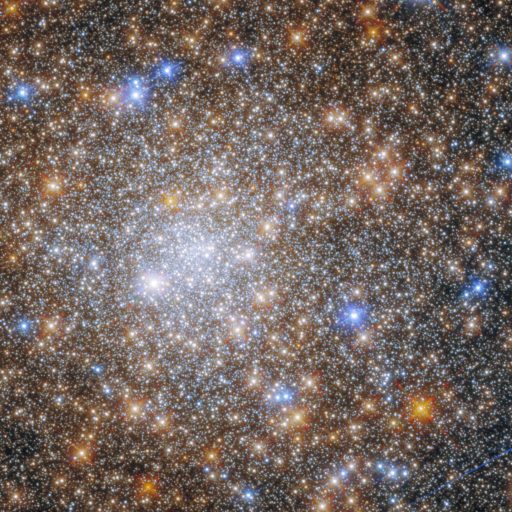
Sun-like stars live for around 10 billion years, but our Universe is only 13.8 billion years old. So what's the maximum lifetime for a star?
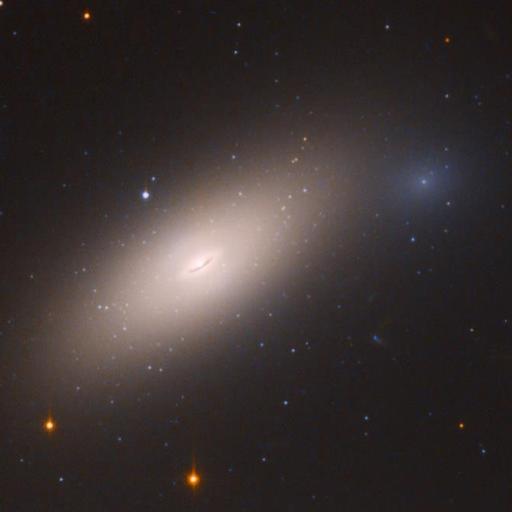
With hundreds of billions of stars burning bright, some galaxies are already dead. Their inhabitants might not know it, but we're certain.

If you think you know what sex, gender, and "the right thing to do" for trans youth and adults are, be sure it agrees with actual science.
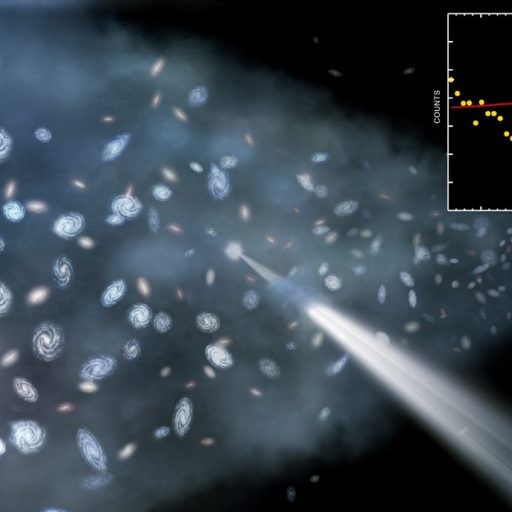
Just by observing the tiny amount of deuterium left over from the Big Bang, we can determine that dark matter and dark energy must exist.
When Einstein gave General Relativity to the world, he included an extraneous cosmological constant. How did his 'biggest blunder' occur?
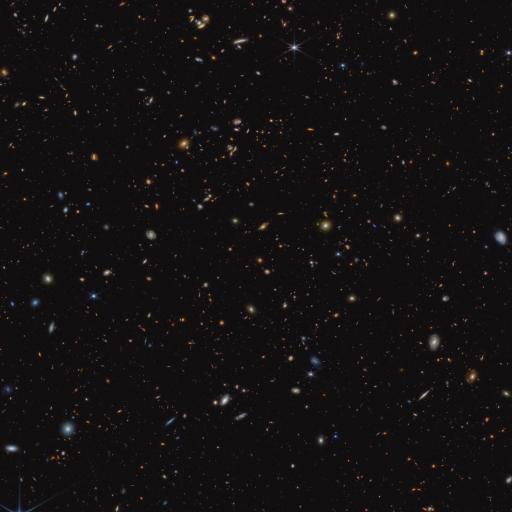
Hubble showed us what our modern day Universe looks like. JWST's big goal was to teach us how the Universe grew up. Here's where we are now.
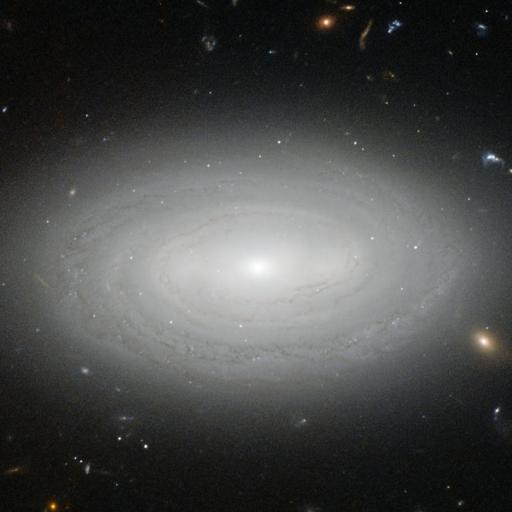
With no other galaxies in its vicinity for ~100 million light-years in all directions, it's as isolated and lonely as a galaxy can be.
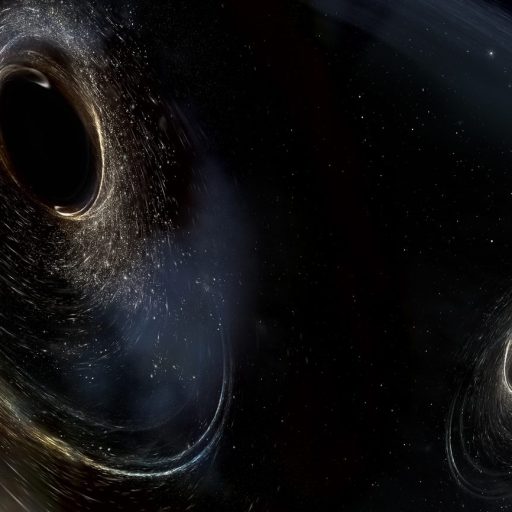
In 1974, Hawking showed that black holes aren't stable, but emit radiation and decay. Nearly 50 years later, it isn't just for black holes.

And why you, a non-expert, should absolutely not consider "explaining what you know" to an actual expert in the field.
The concept of ‘relativistic mass’ has been around almost as long as relativity has. But is it a reasonable way to make sense of things?
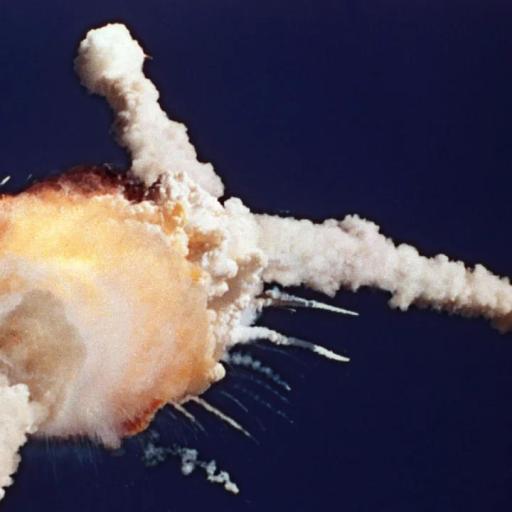
Memorial day is a time to remember veterans killed in the line of service. These spaceflight heroes deserve to be remembered, too.
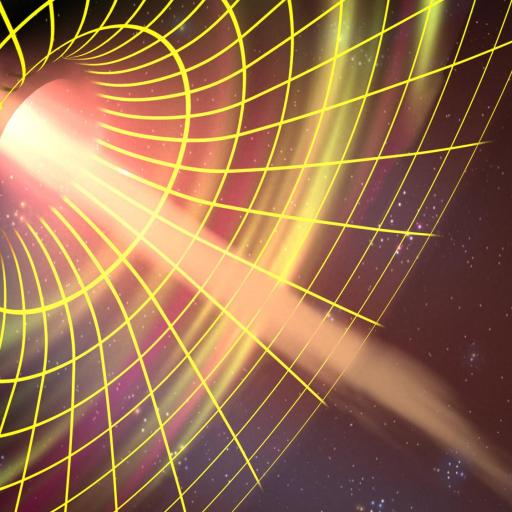
It's been 100 years since we discovered that the Universe was expanding. But if it's expanding, then what is it expanding into?
If our Universe were born a little differently, there wouldn't have been any planets, stars, galaxies, or chemically interesting reactions.
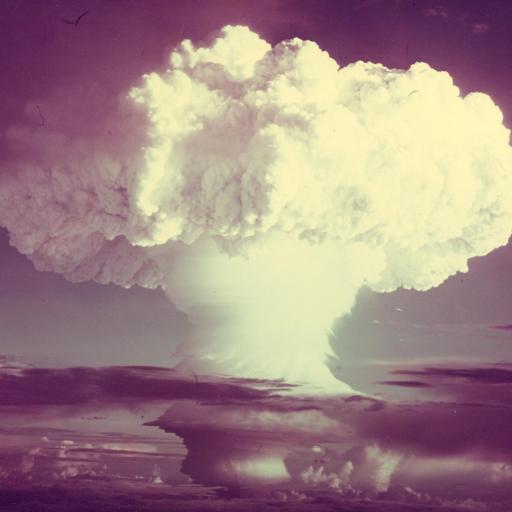
Einstein's most famous equation is E = mc², which describes the rest mass energy inherent to particles. But motion matters for energy, too.