Search
Ethan Siegel
A theoretical astrophysicist and science writer, host of popular podcast “Starts with a Bang!”

Ethan Siegel is a Ph.D. astrophysicist and author of "Starts with a Bang!" He is a science communicator, who professes physics and astronomy at various colleges. He has won numerous awards for science writing since 2008 for his blog, including the award for best science blog by the Institute of Physics. His two books "Treknology: The Science of Star Trek from Tricorders to Warp Drive" and "Beyond the Galaxy: How humanity looked beyond our Milky Way and discovered the entire Universe" are available for purchase at Amazon. Follow him on Twitter @startswithabang.
Read Less
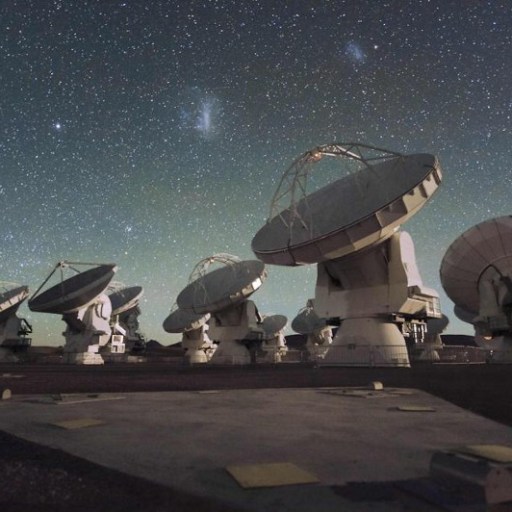
Every observation out into deep space is also a look back in time. Whenever you observe an object, you aren’t viewing it in its present state. When one of Jupiter’s moons […]
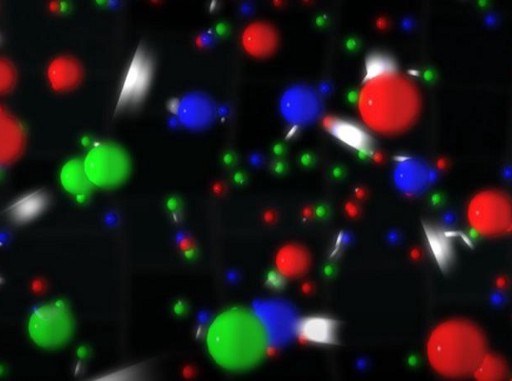
Do they have real, observable effects, or are they merely calculational tools?
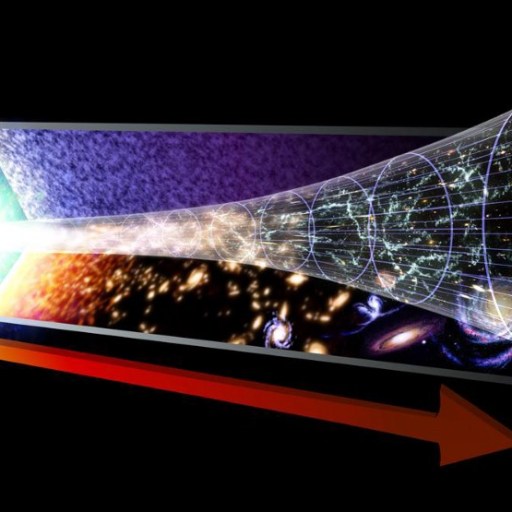
Is it groupthink? Or is there a deeper reason? In the early half of the 20th century, even after the discovery of the expanding Universe, physicists considered a wide variety of […]
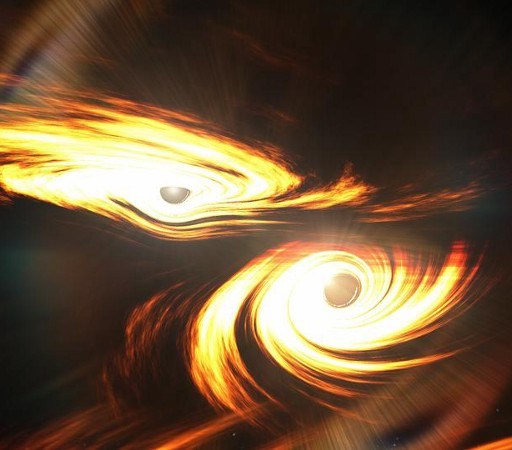
Even addition has to play by different rules for black holes. How do you add 28 and 47 together? This simple math question helps us highlight the many different ways that […]
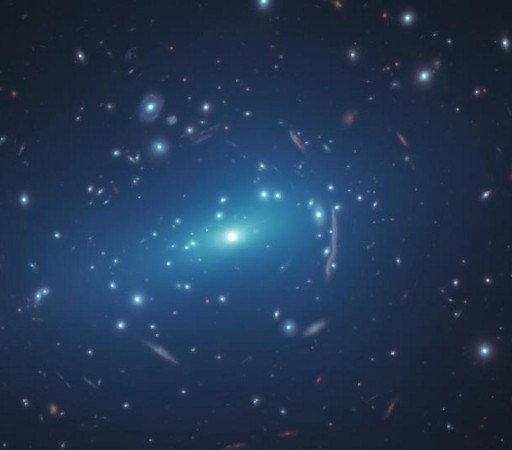
Deniers will never stop misleading others. Here’s the truth. Every so often, advocates of a fringe theory — one that doesn’t fit the evidence as well as the mainstream theory — do what they can […]
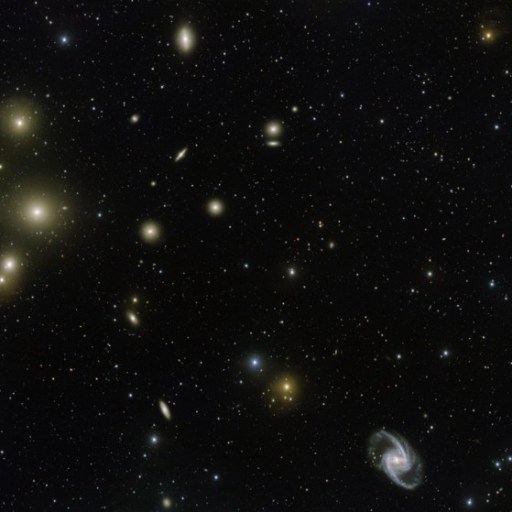
We can do so much more, so much faster, with the same data. When you think about how astronomy works, you probably think about observers pointing telescopes at objects, collecting data […]
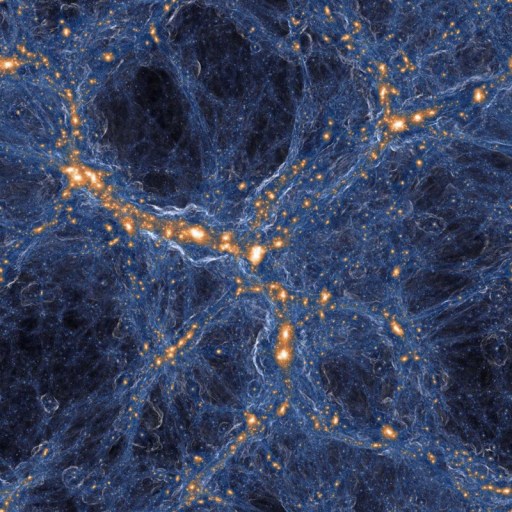
Which is good, because if they do, they violate the cosmological principle. In theory, the Universe should be the same, on average, everywhere. A simulation of the large-scale structure of […]
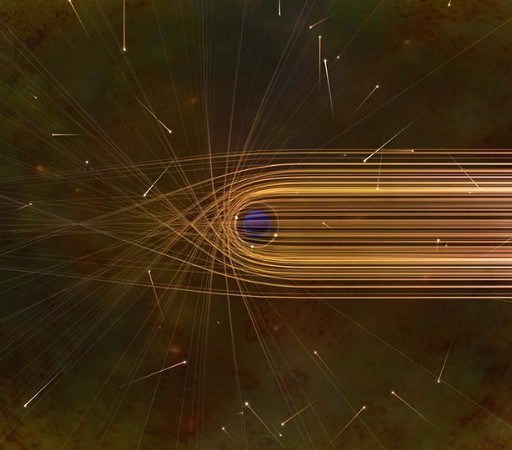
We have to use the right definition for the specific question we’re asking. When it comes to the Universe, we frequently characterize objects by examining and reporting on their physical […]
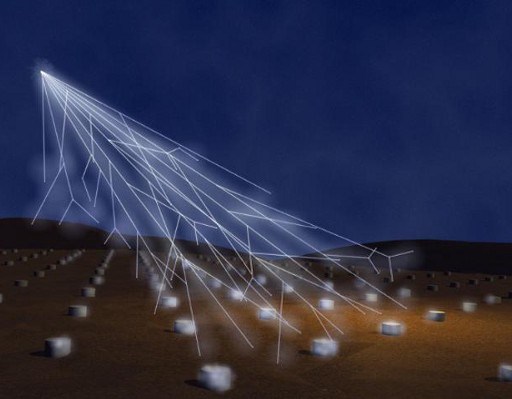
Cosmic rays aren’t just limited by the speed of light. Even among non-scientists, it’s well-understood that there’s an ultimate speed limit to the Universe: the speed of light. If you’re a […]
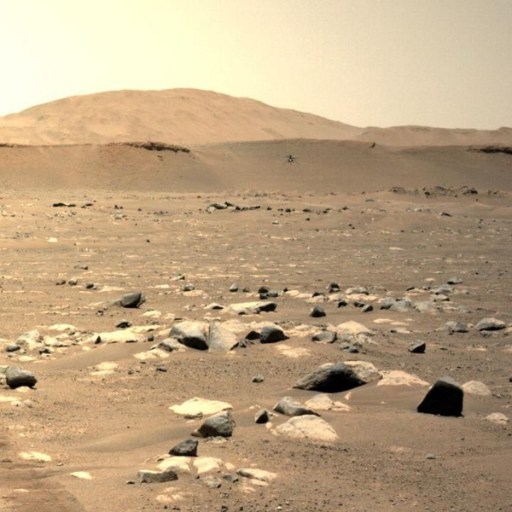
We give it the flight plan, and it takes care of the rest. It has to. Here’s why. No matter how advanced our technology becomes, there are certain limits that can […]
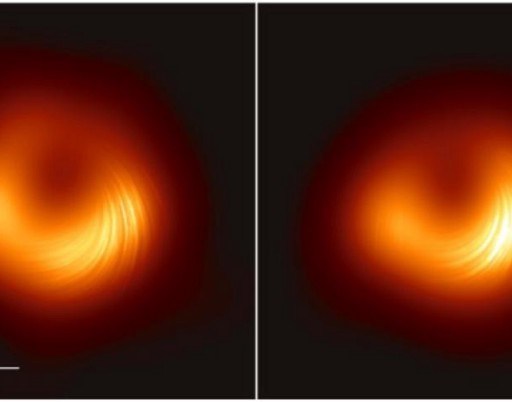
And which ones are probably examples where we’ve fooled ourselves? Every once in a while — multiple times per year — a new research finding fails to line up with our theoretical expectations. In […]
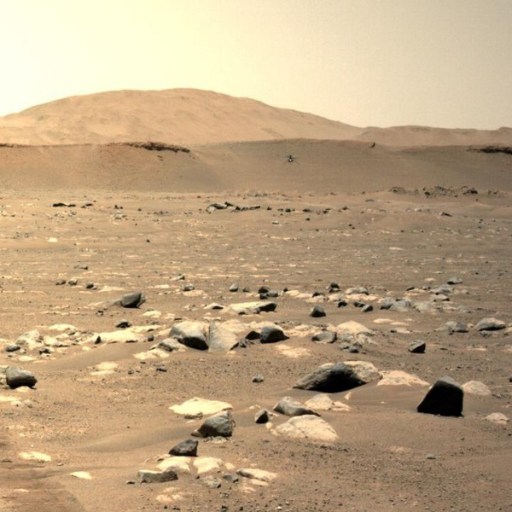
Ingenuity is remarkable. But these 5 exploration ideas are revolutionary. Telescopes are our initial tools for revealing and studying foreign worlds. Hubble images of Mars, particularly around the regions with […]
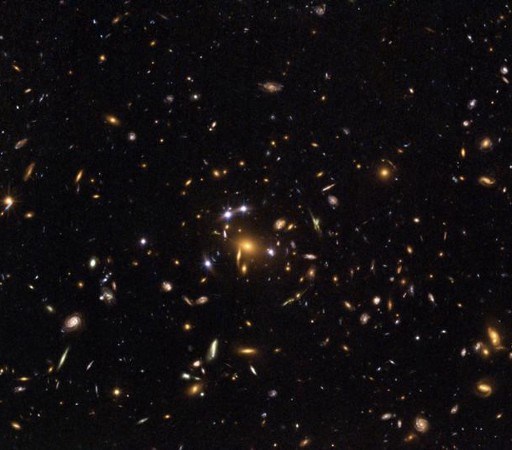
And, at some point, did the Milky Way lose ours? There are some 400 billion objects flying through the Milky Way galaxy with enough mass that — if they were all made of […]
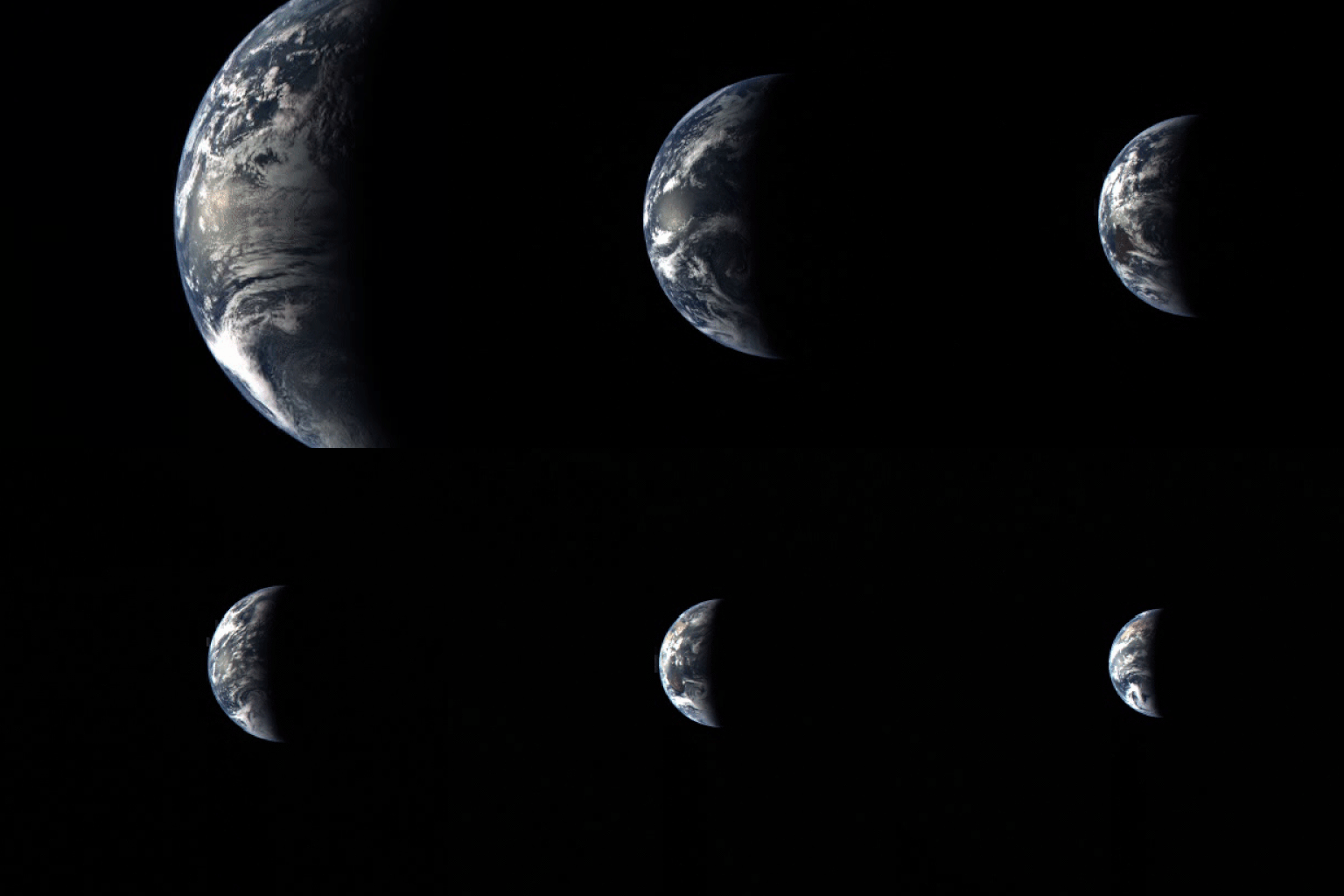
Science can teach us so much about our planet, but something more must compel us to take care of it. If you want to understand our planet, the best way to […]
Complex organisms and living worlds couldn’t exist without these transitions. You couldn’t make the Universe we have today if everything were always the same. Although many philosophically favored the idea […]
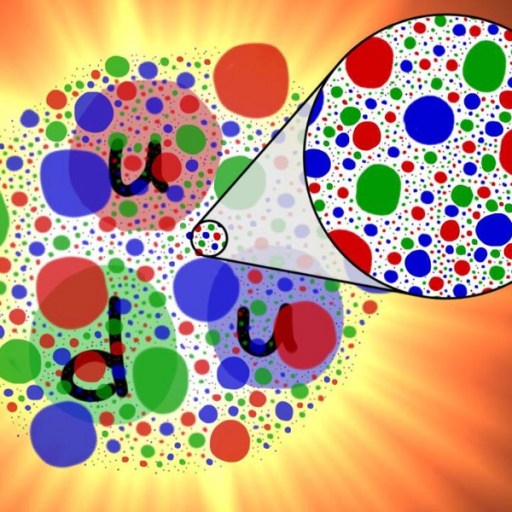
If you’ve ever struggled with the strong force, this explanation is a life-saver. If you ask someone to think about some physical phenomenon that’s responsible for any sort of force […]
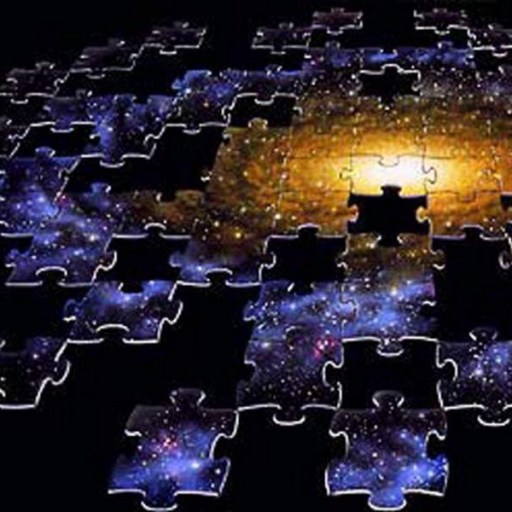
We can describe what we see happening, but we don’t understand why. Despite our vast cosmic knowledge, enormous unknowns remain. The quantum fluctuations inherent to space, stretched across the Universe […]
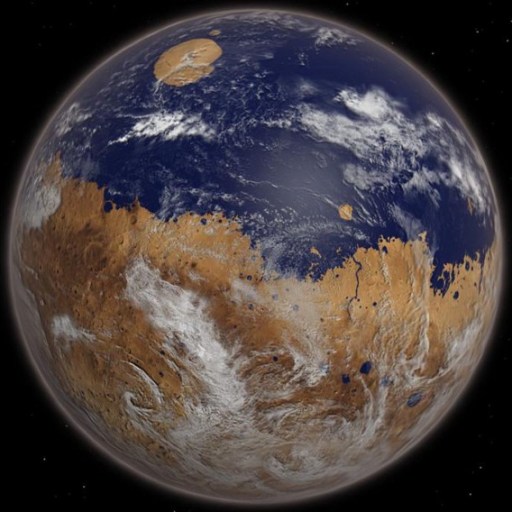
While Mars is known as a frozen, red planet today, it has all the evidence we could ask for of a watery past, lasting for approximately the first 1.5 billion […]
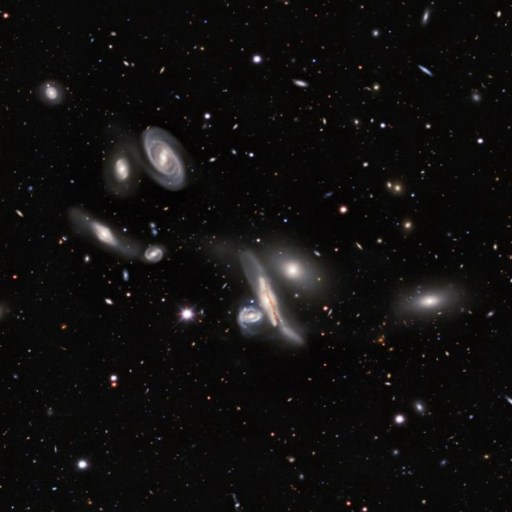
We’ve almost got the entire story. James Webb will put the last piece into place. In all of science, there are really only two ways that something can be “known” to […]
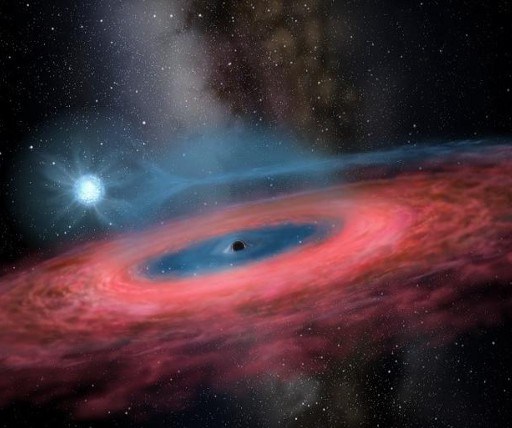
At just 3 solar masses, it eliminates the “mass gap.” Searching for black holes is one of the most difficult astronomical games a scientist can play. Emitting no light of their […]