Search
Ethan Siegel
A theoretical astrophysicist and science writer, host of popular podcast “Starts with a Bang!”

Ethan Siegel is a Ph.D. astrophysicist and author of "Starts with a Bang!" He is a science communicator, who professes physics and astronomy at various colleges. He has won numerous awards for science writing since 2008 for his blog, including the award for best science blog by the Institute of Physics. His two books "Treknology: The Science of Star Trek from Tricorders to Warp Drive" and "Beyond the Galaxy: How humanity looked beyond our Milky Way and discovered the entire Universe" are available for purchase at Amazon. Follow him on Twitter @startswithabang.
Read Less
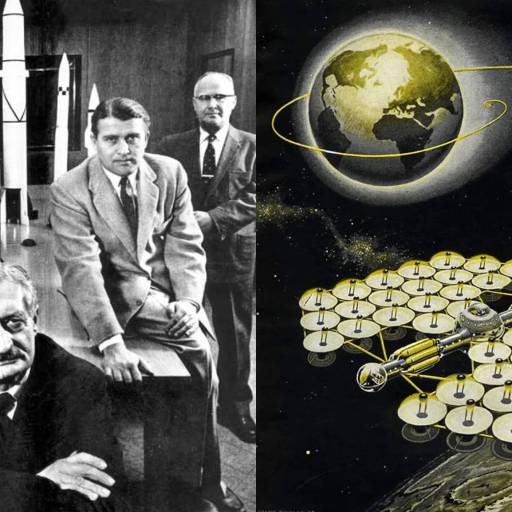
Back in 1970, Sister Mary Jucunda wrote NASA, decrying large investments in science. A former Nazi's legendary response is still relevant.
Since the dawn of history, humans have pondered our ultimate cosmic origins. Now in the 21st century, science has gone beyond the Big Bang.
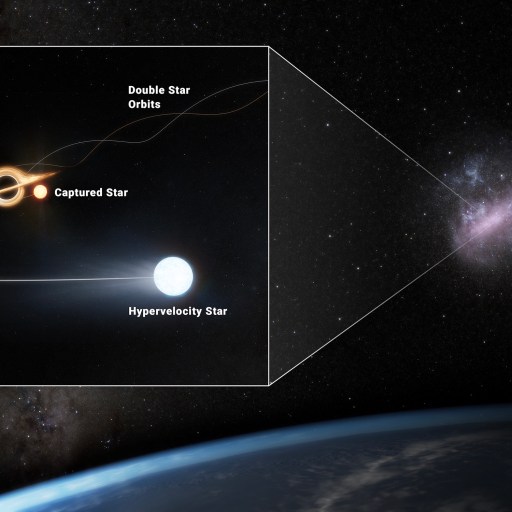
Just 165,000 light-years away, the Large Magellanic Cloud is suspected to house a supermassive black hole. At last, evidence has arrived.
There are some 26 fundamental constants in nature, and their values enable our Universe to exist as it does. But where do they come from?
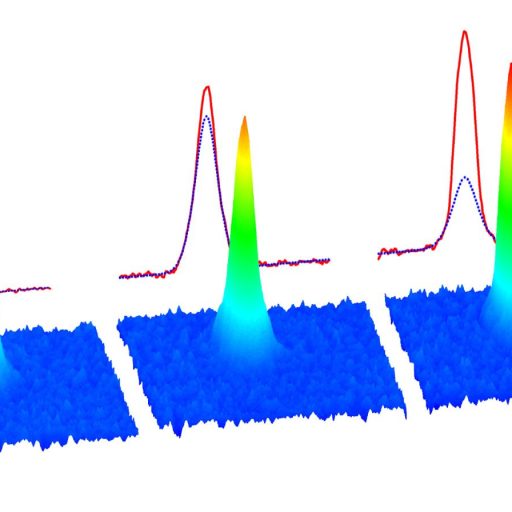
Under extreme conditions, matter takes on properties that lead to remarkable, novel possibilities. Topological superconductors included.
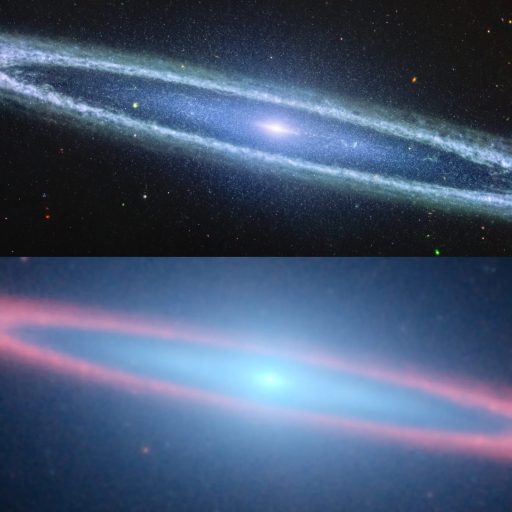
One of the most promising dark matter candidates is light particles, like axions. With JWST, we can rule out many of those options already.
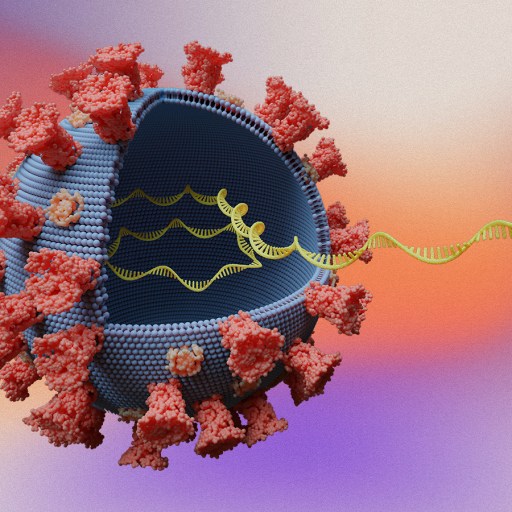
A new bill introduced into the US Senate claims to make us safer. Instead, it would destroy all virology research, and for no real cause.
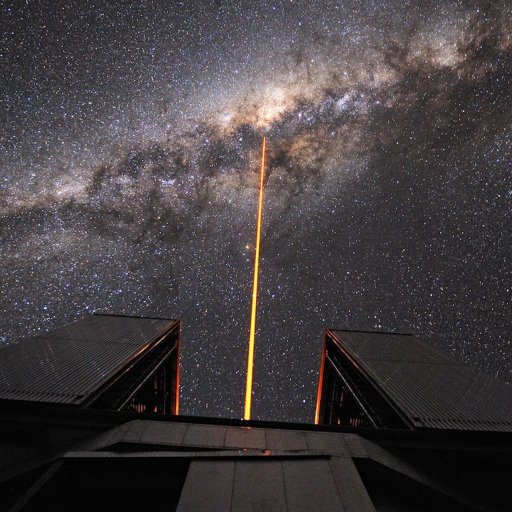
Astronomers see spiral and elliptical nebulae nearly everywhere, except by the Milky Way's plane. We didn't know why until the 20th century.
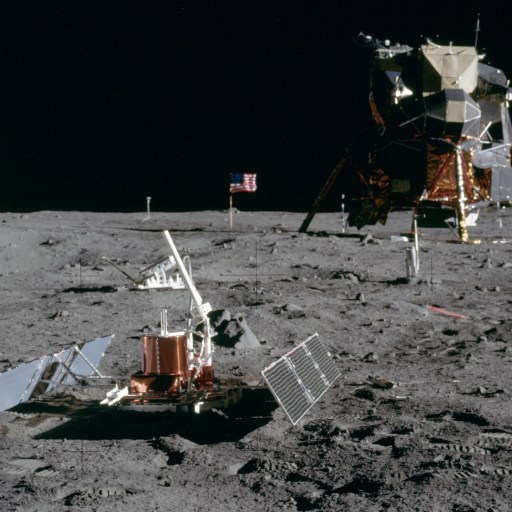
We've wasted our time and resources ideologically policing and punishing each other for far too long. Here's a better route to prosperity.
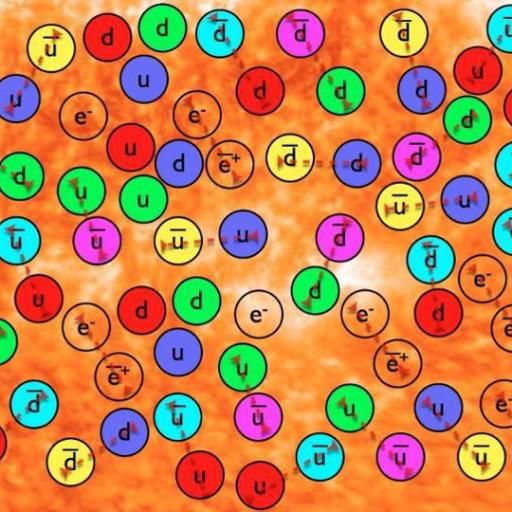
From the tiniest subatomic scales to the grandest cosmic structures of all, everything that exists depends on two things: charge and mass.
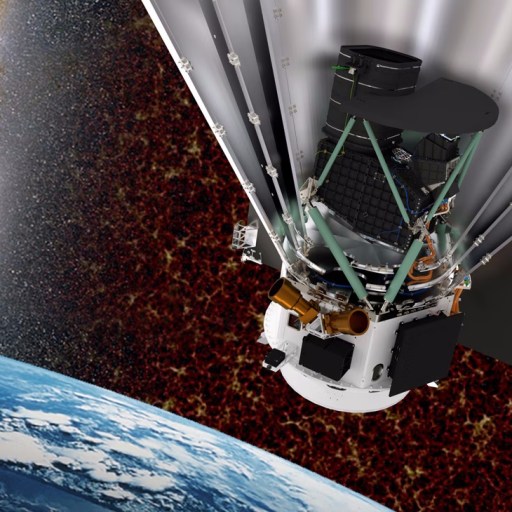
The CMB gives us critical information about our cosmic past. But it doesn't give us everything, and galaxy mapping can fill in a key gap.
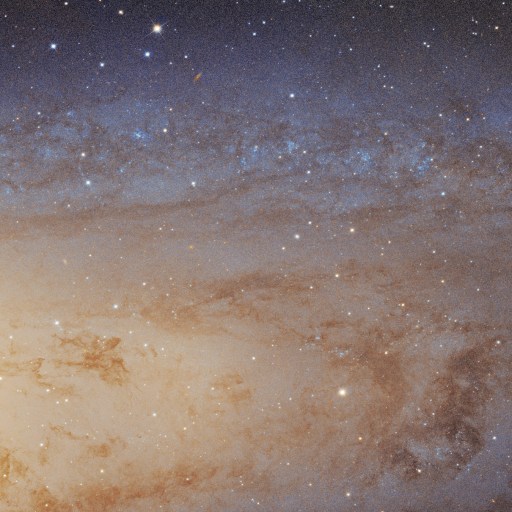
The full extent of the Andromeda galaxy, the nearest large galaxy to our own, has been entirely imaged with Hubble's exquisite cameras.
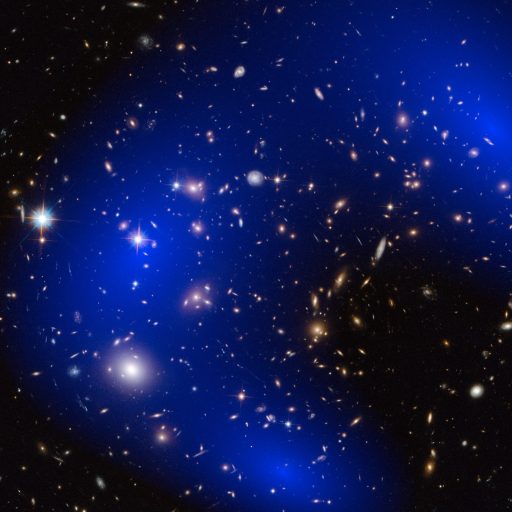
Dark matter doesn't absorb or emit light, but it gravitates. Instead of something exotic and novel, could it just be dark, normal matter?
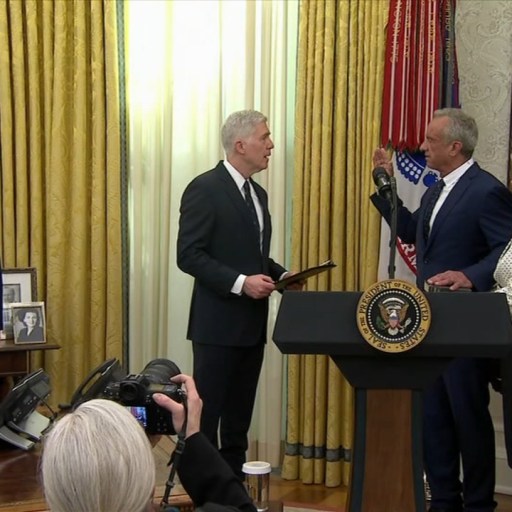
We're all entitled to our own opinions, no matter how ill-informed they are. But facts are facts; we can't just choose the ones we prefer.
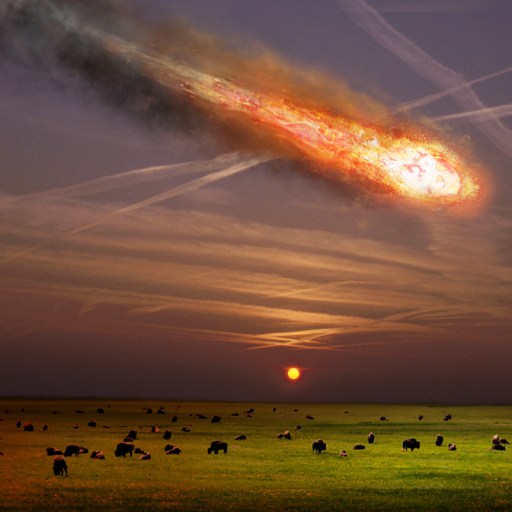
Asteroid 2024 YR4, which could devastate a city's worth of humans, has gone from 1.2% to 2.3% to 2.6% to 3.1% chances of impact. Here's why.
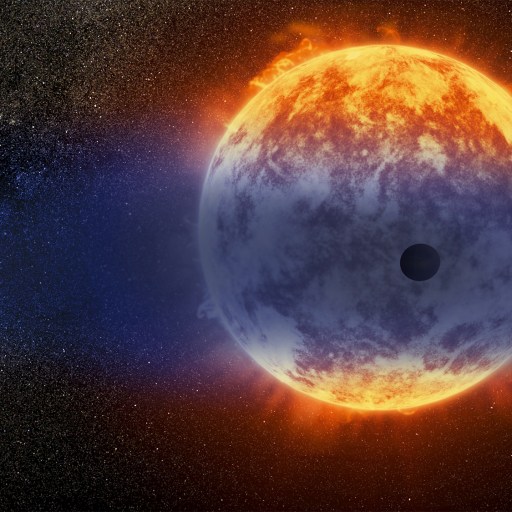
At extremely close distances to their stars, even rocky planets can be completely disintegrated. We've just caught our first one in action.
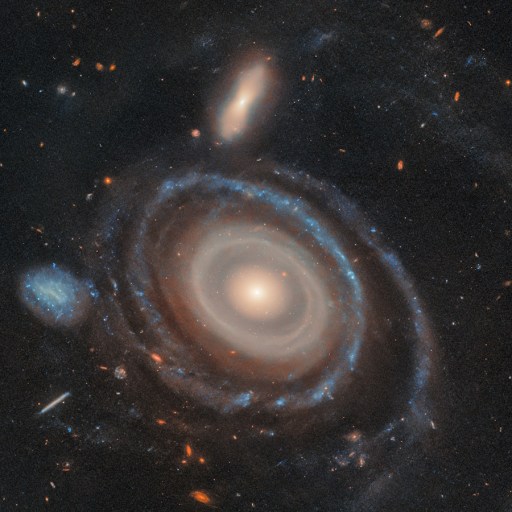
Ring galaxies are rare, but we think we know how they form. A new, early-stage version, the Bullseye galaxy, provides a new testing ground.
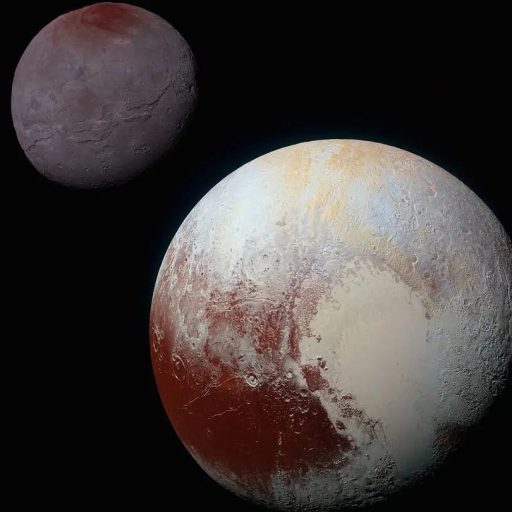
Here in our Solar System, terrestrial bodies get moons from gravitational capture or collisions. The Pluto-Charon system? It was both.

Only 5% of the Universe is made of normal "stuff" like we are. Could there be dark matter or dark energy life, or even aliens, out there?
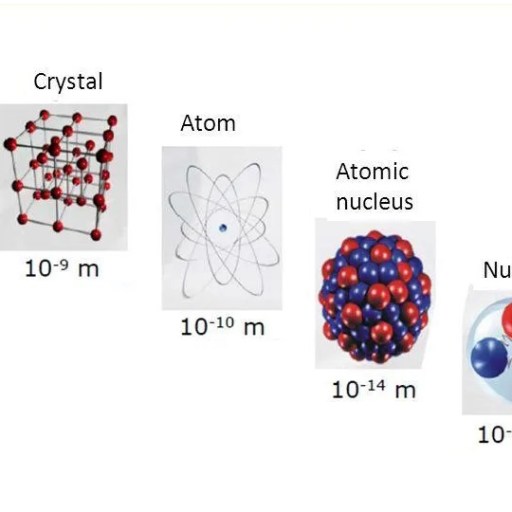
When we divide matter into its fundamental, indivisible components, are those particles truly point-like, or is there a finite minimum size?