Search
Ethan Siegel
A theoretical astrophysicist and science writer, host of popular podcast “Starts with a Bang!”

Ethan Siegel is a Ph.D. astrophysicist and author of "Starts with a Bang!" He is a science communicator, who professes physics and astronomy at various colleges. He has won numerous awards for science writing since 2008 for his blog, including the award for best science blog by the Institute of Physics. His two books "Treknology: The Science of Star Trek from Tricorders to Warp Drive" and "Beyond the Galaxy: How humanity looked beyond our Milky Way and discovered the entire Universe" are available for purchase at Amazon. Follow him on Twitter @startswithabang.
Read Less
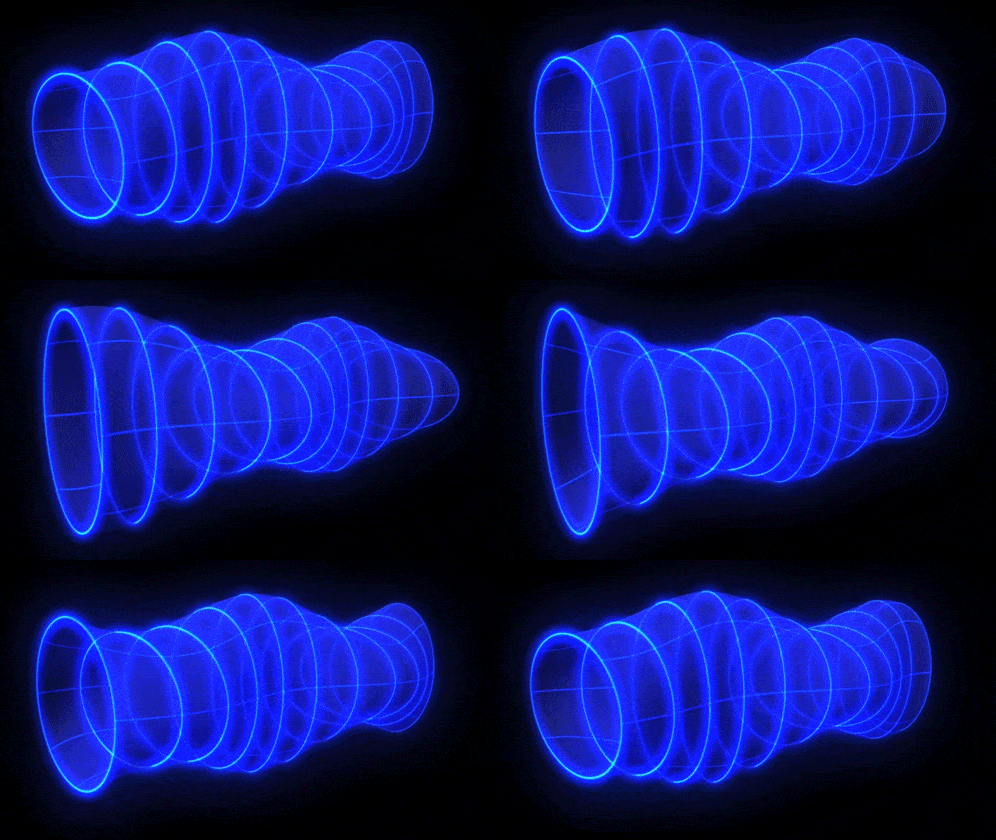
We've now detected hundreds of gravitational waves with LIGO, Virgo, and KAGRA. What if we tried Weber's original method in the modern day?
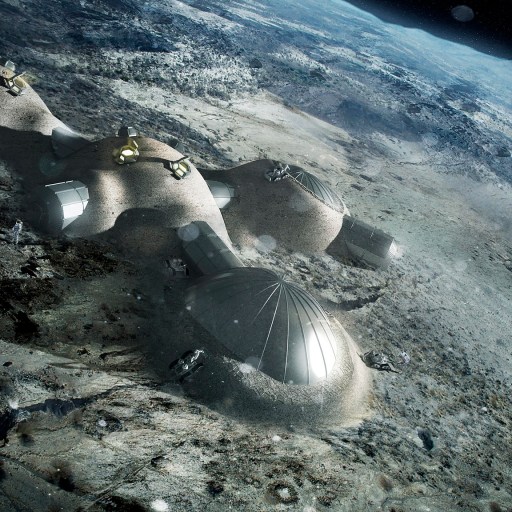
The first world beyond Earth for human habitability should be the Moon, not Mars. This is why we should terraform our lunar neighbor first.
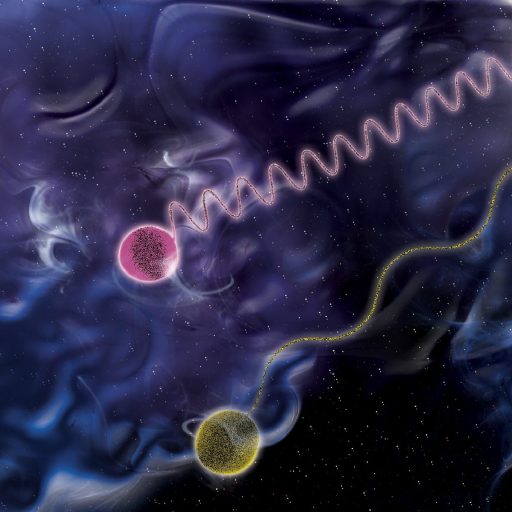
Times dilate and lengths contract near the speed of light. Bizarre and confusing? Sure. But under relativity, it can't be any other way.
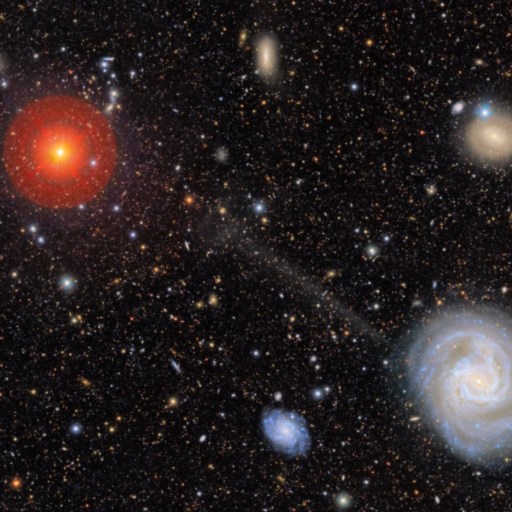
Stellar streams are faint trails of stars that appear to "stream" out of galaxies. A new one, escaping galaxy M61, may point to many others.
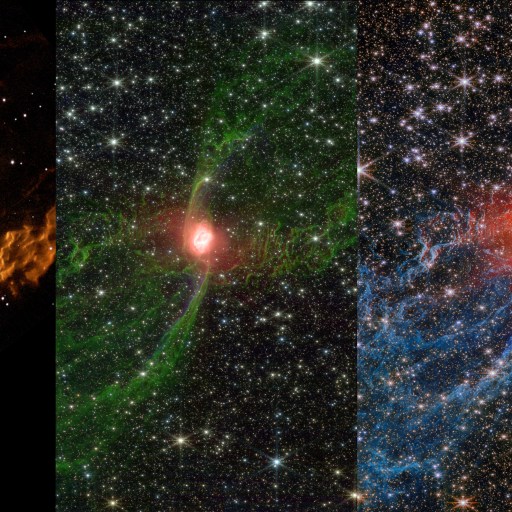
When dying, Sun-like stars have binary companions, spectacular sights arise from the ionization. JWST spots the Red Spider Nebula in action!
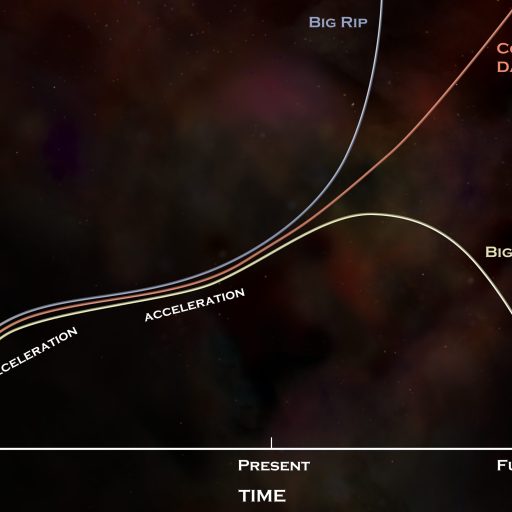
There's some, but not overwhelming, evidence that dark energy is evolving. What would it take for a "Big Crunch" to be our cosmic fate?
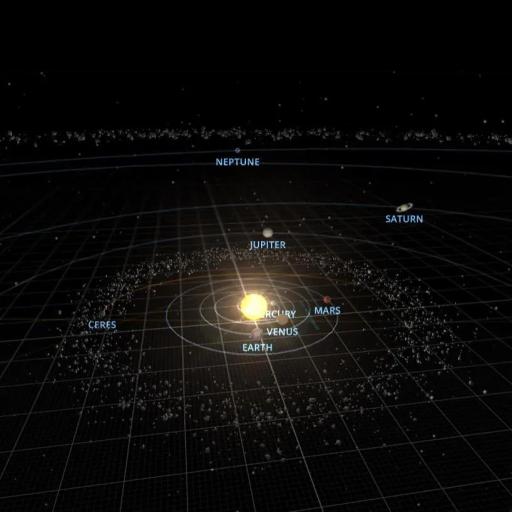
Scientists are notoriously resistant to new ideas. Are they falling prey to groupthink? Or are our current theories just that successful?

Physicist Daniel Whiteson challenges the notion that all intelligent species would eventually uncover the same laws of nature. Do you agree?

Nearly 100 years after being theorized, the strange behavior of the neutrino still mystifies us. They could be even stranger than we know.

The planet, the Solar System, and the galaxy aren't expanding. But the whole Universe is. So where does the dividing line begin?
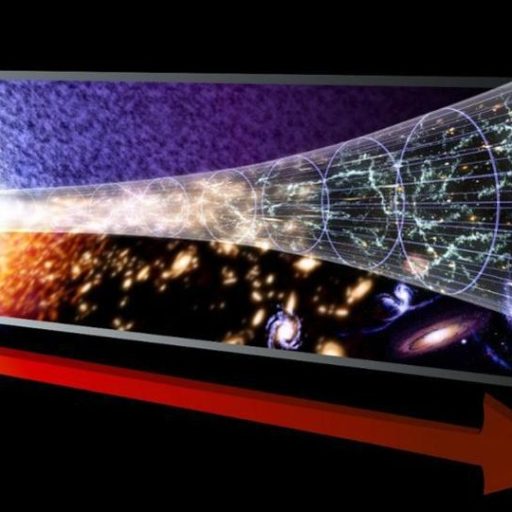
For 13.8 billion years, the Universe has been expanding. But that couldn't have been the case for an eternity, and science has proven it.
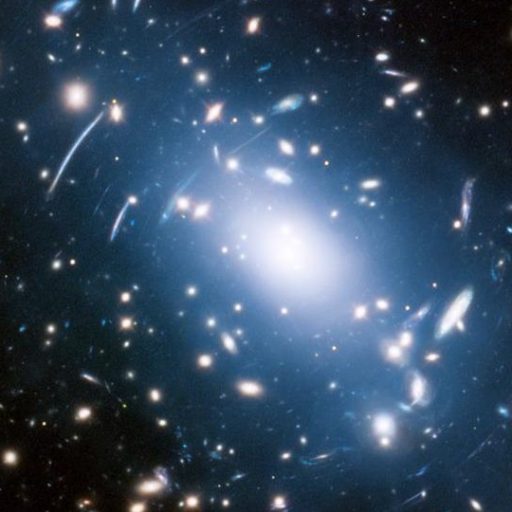
Dark matter has never been directly detected, but the astronomical evidence for its existence is overwhelming. Here's what to know.
We've long known we can't go back to infinite temperatures and densities. But the hottest part of the hot Big Bang remains a cosmic mystery.
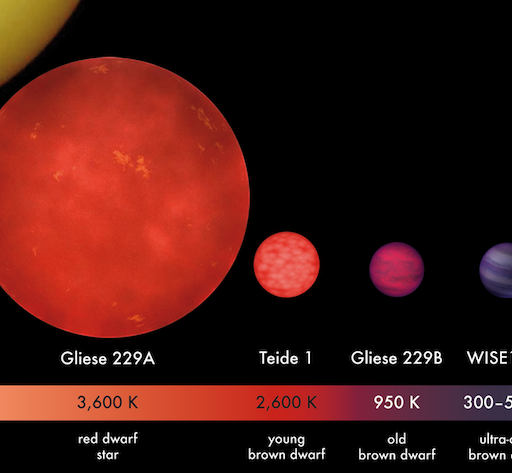
Red dwarfs are the Universe's most common star type. Their flaring now makes potentially Earth-like worlds uninhabitable, but just you wait.
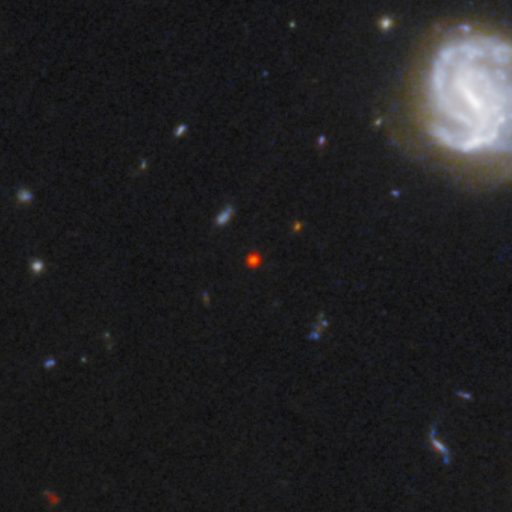
Found by Hubble before JWST's launch, GNz7q looked like a mix of a galaxy and a quasar. Was it actually our first known "little red dot"?
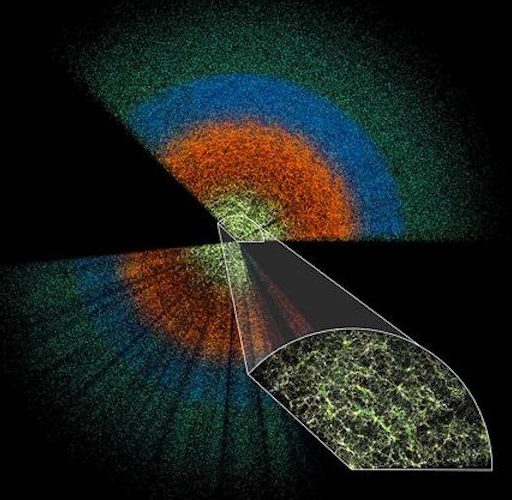
Observations with the Hubble space telescope helped cement dark energy and reveal the Hubble tension. How are these two things so different?
The whole isn't greater than the sum of its parts; that's a flaw in our thinking. Non-reductionism requires magic, not merely science.
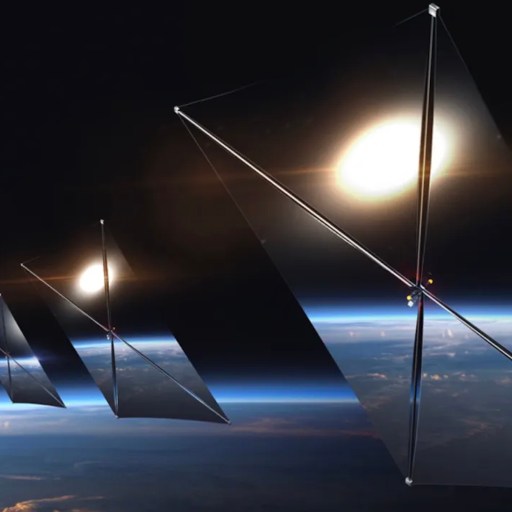
Solar power has the disadvantage that there's no Sun at night. Satellite startup Reflect Orbital wants to change that, but at what cost?
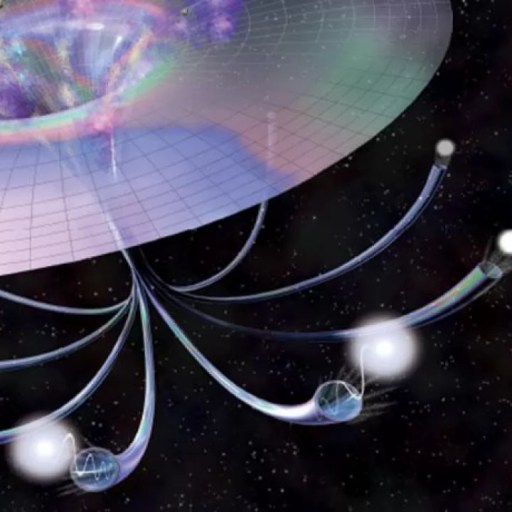
Inflation's two main criticisms, that it can predict anything and that the "measure problem" remains unsolved, can't erase its successes.
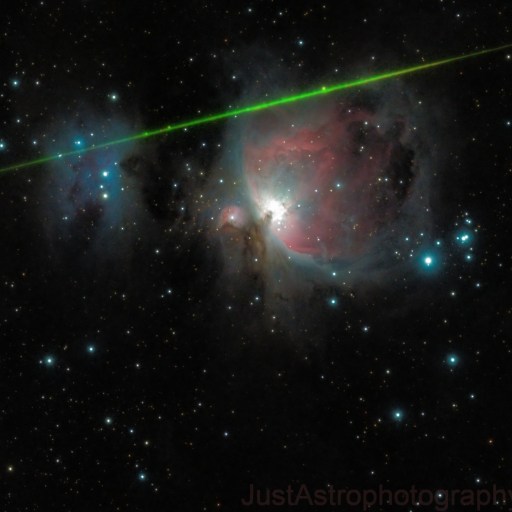
The Orionids meteor shower peaks October 20th/21st here in 2025, coinciding with a new Moon. See the brightest shooting stars of the year!