Search
Jason Gots
Editor/Creative Producer, Big Think
Jason Gots is a New York-based writer, editor, and podcast producer. For Big Think, he writes (and sometimes illustrates) the blog "Overthinking Everything with Jason Gots" and is the creator and host of the "Think Again" podcast. In previous lives, Jason worked at Random House Children's Books, taught reading and writing to middle schoolers and community college students, co-founded a theatre company (Rorschach, in Washington, D.C.), and wrote roughly two dozen picture books for kids learning English in Seoul, South Korea. He is also the proud father of an incredibly talkative and crafty little kid.
Read Less
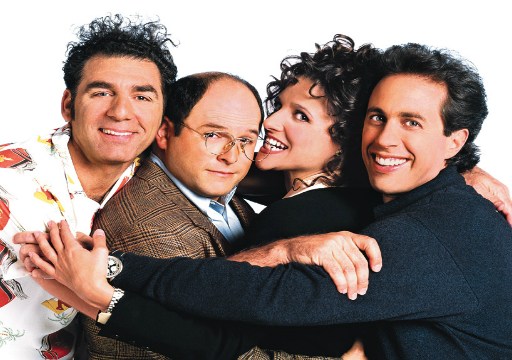
Warren Littlefield, former NBC president, advises young people entering any field to trust in their instincts even when they run counter to common sense in the industry, then to fight passionately for the projects and ideas they believe in.
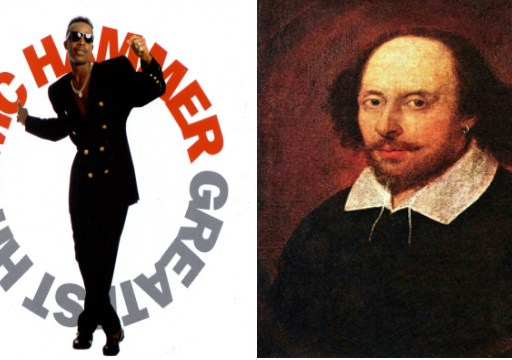
There's no such thing as universality in art, says Stephen Greenblatt. We always create and read from the perspective of our own time and place. What then accounts for the curious power some works have to communicate with us directly across the centuries?

Since April, we’ve been exploring the intersection of humanity and technology in our Humanizing Technologyseries, an online expo in partnership with Bing. Without a doubt, the series has had an […]

Employers don’t want to patronize employees by making all of their benefits decisions for them, he says, but they can go a long way toward helping workers to understand their options.
Leadership isn’t about making all the decisions. It’s about empowering talented people to make many of them for you, and utilizing their talents as effectively as possible.

On June 30-July 1, Bing and Big Think present For Humankind, a weekend-long science, technology and design pop-up expo at 201 Mulberry Street, New York City. Here we will spotlight those […]
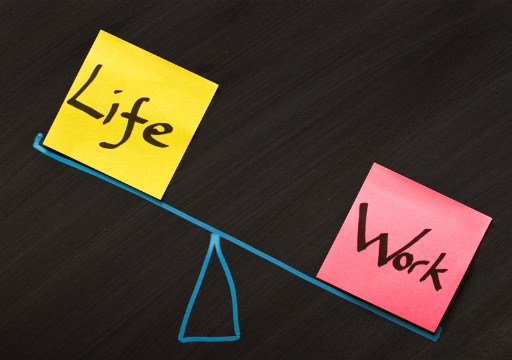
Obviously, people’s priorities differ. But it’s fair to say that culturally speaking, the United States leans in the direction of intense productivity at the expense of time spent reading a good book, or in the company of friends and family.

What's the best single piece of advice for grads in a fragile job market? Take the poll, then find out what other Big Think readers are saying.

Recognizing that technology is here to stay, and that how we live online is increasingly how we live, a new kind of theater company in Philadelphia is trying to translate the danger, intimacy, and intensity of offline experience to cyberspace.

The stereotype of Sweden as a liberal utopia of robust sexual health was somewhat complicated recently in the American imagination by the biker gangs, neo-Nazis, and serial killers that populated […]
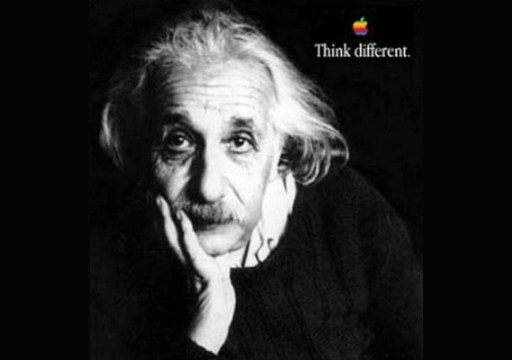
“Be yourself” can seem like risky advice in a competitive job market. But you know what’s riskier? Being nobody. Ken Segall explains how he became an ad man for Apple.

More or less anybody who has ever done anything newsworthy can cite, as Henry Rollins can, some turning point at which they made a risky decision that paid off, and a lifelong sense of mission not easily derailed by minor failures.

What’s the Big Idea? While over 70 percent of women in the United States work outside of the home, compared with 36 percent in Brazil, and while US women marry, […]

Without question, it’s the desire to “know” that drives scientific inquiry. But as scientists at the forefront of physics or biology will tell you, the more we learn, the more simplistic earlier frameworks seem and the more complex the puzzles become.
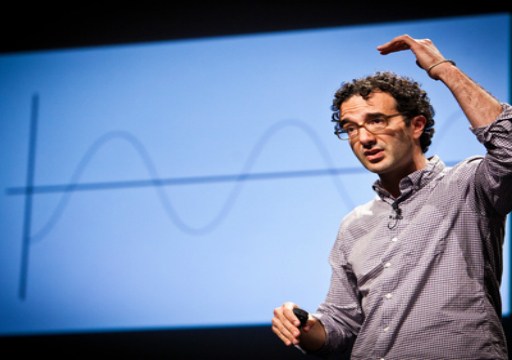
Jad Abumrad loves collecting sounds and playing with high-tech gadgetry, but he deploys his geekery in service of a higher calling – creating in Radiolab a hybrid medium that is a natural evolution of the ancient art of storytelling.
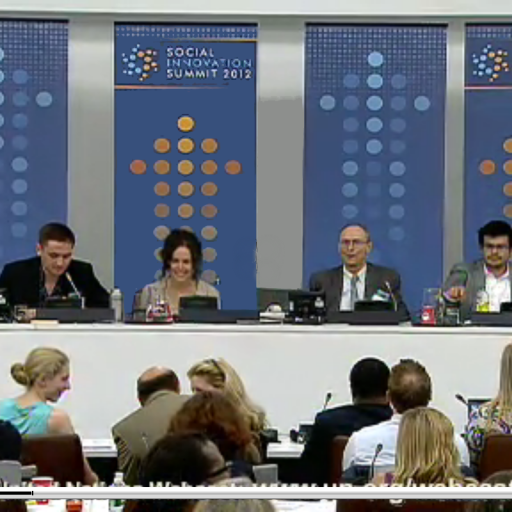
Yesterday (5/30/12), Big Think President and Co-Founder Peter Hopkins moderated a panel at the UN Social Innovation Summit, a private, invitation-only forum that explores “What’s Next?” in the world of Social […]
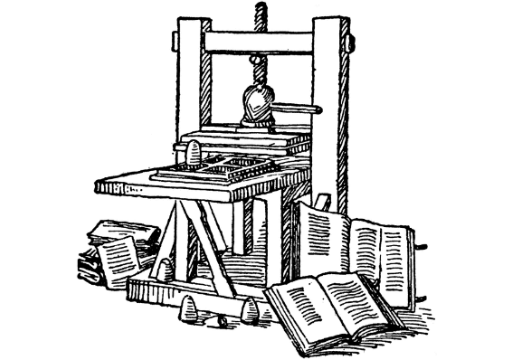
Most of our early advances in communication technology focused on sharing news over a distance – a good place to start, as it was helpful in avoiding death. We've come a long way since then . . .

Realizing technology's promise of accelerating our collective learning – of making us smarter, faster – is a matter of building the right tools, then using each to teach the form of knowledge it conveys most efficiently.
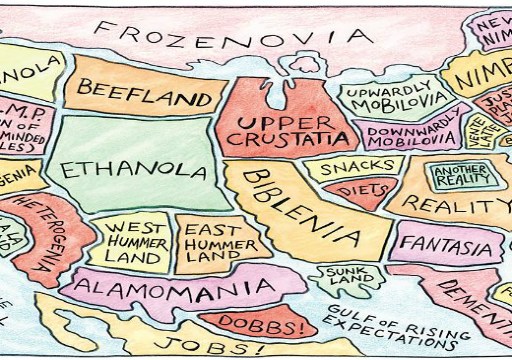
We've all noticed it - on television and the social web, an increase in politically partisan polemic and cultural isolationism. This "us vs. them" mentality doesn't reflect the best of America, past or present, says author and essayist Marilynne Robinson.
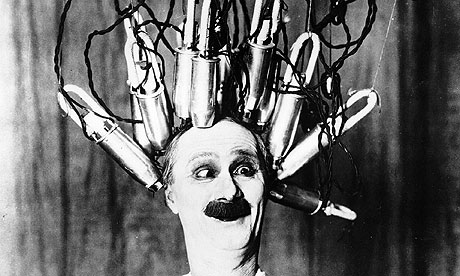
Call it art, experimental philosophy, theater, or what you will – Jonathan Keats plays the fool as a kind of public protest against the ever-present danger of taking ourselves and our understanding of the world too seriously.