Search
Jason Gots
Editor/Creative Producer, Big Think
Jason Gots is a New York-based writer, editor, and podcast producer. For Big Think, he writes (and sometimes illustrates) the blog "Overthinking Everything with Jason Gots" and is the creator and host of the "Think Again" podcast. In previous lives, Jason worked at Random House Children's Books, taught reading and writing to middle schoolers and community college students, co-founded a theatre company (Rorschach, in Washington, D.C.), and wrote roughly two dozen picture books for kids learning English in Seoul, South Korea. He is also the proud father of an incredibly talkative and crafty little kid.
Read Less

The Big Think, Short Fiction contest was born out of our desire to find new ways of connecting with readers and foregrounding their voices on the site. Today we're proud to publish the three winning entries, selected by author Nathan Englander.
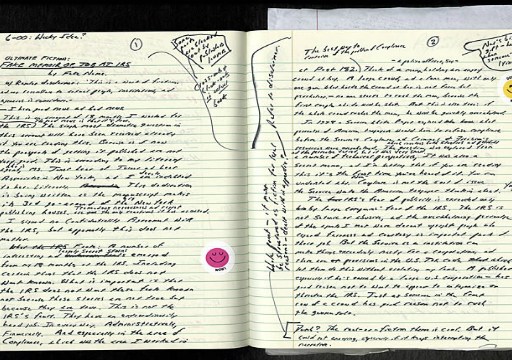
When author Nathan Englander visited Big Think, I had one major question for him, which I asked in about six different ways. How, I wondered, do you dare to embark […]
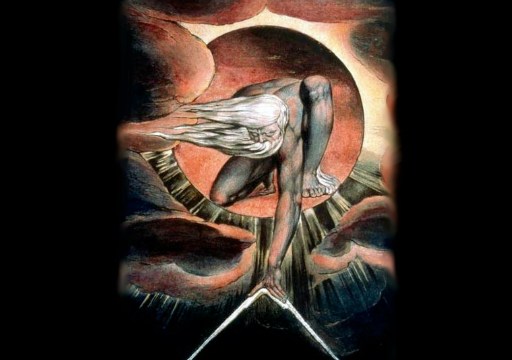
Surely the greatest scientific discoveries are the product of imaginative energy and curiosity no less intense or pure than that which animates Hamlet or King Lear. Still, the petty squabble between Reason and Imagination that began in the 17th century persists . . .
What’s the Big Idea? With the launch of the new iPad imminent and amid ongoing speculation about the gradual replacement of laptops and desktops with tablet-like devices, there’s a quiet […]
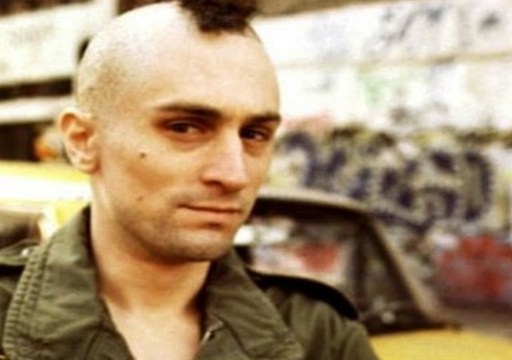
A Dramatic Recreation of an Argument My Dad and I Must Have Had 1000 Times: Me: Man, De Niro has totally lost it. It is so pathetic to see him […]
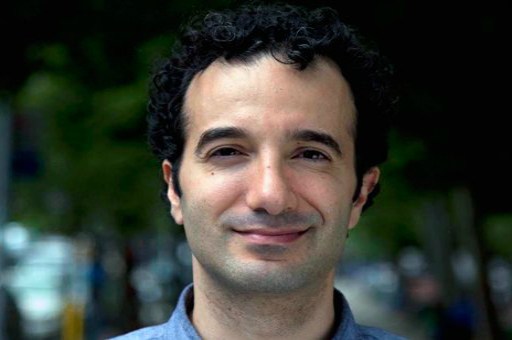
Jad Abumrad won a 2011 MacArthur Genius grant for his work as creator/producer of WNYC’s Radiolab. The Macarthur foundation describes his work thus: As co-host and producer of the nationally […]

From the ruler's perspective, says Bruce Bueno de Mesquita, a democracy is the worst form of government possible, because it greatly increases the ruler's risk of losing power.

Quick. Grab a pencil. Some crayons. A notepad. Wrap your brain around this Friday’s Big Enigma from Ivan Moscovitch’s The Big Book of Brain Games. Share a photo of your solution […]
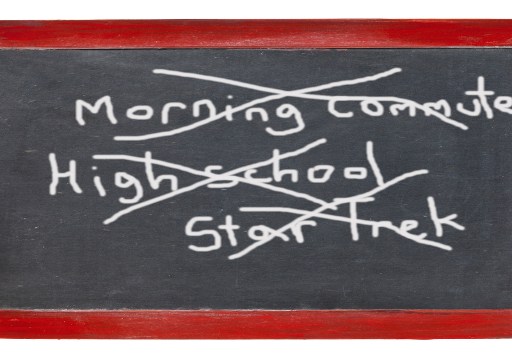
“Write what you know” isn’t about events, says author Nathan Englander. It’s about emotions. Have you known love? jealousy? longing? loss? As a kid, did you want that Atari 2600 so bad you might have killed for it?
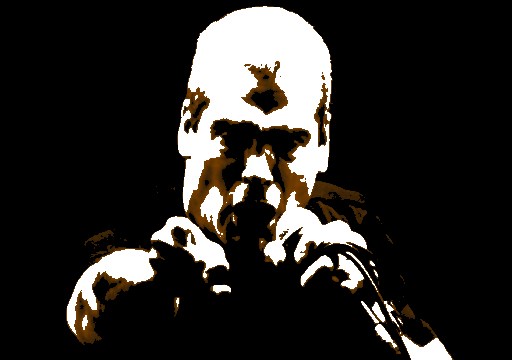
Henry Rollins says that in these turbulent times, it's more difficult and important than ever to live heroically.

Henry Rollins shares the DIY philosophy he learned from Abraham Lincoln and has always tried to follow.
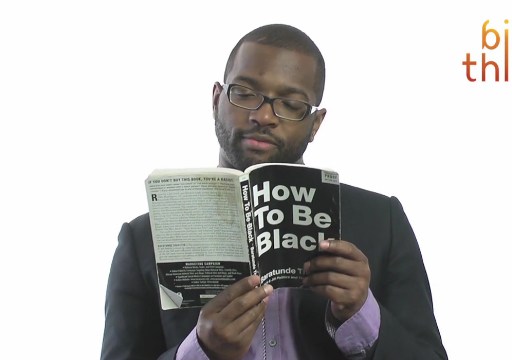
Baratunde Thurston, author of How to Be Black, unveils his ambitious, three step plan for "the future of blackness."

Ironically, the fight-or-flight approach to problem-solving can cause us to reenact, over and over again, the very scenarios that cause us suffering.
That Delphic oracle of style, Simon Doonan, author of the outrageously funny Gay Men Dont Get Fat, says fashion and politics don't mix in a democracy.
The point is that being tortured isn’t the point at all – it’s about transforming existential anxiety into clarity, energy, humor, and hope.

Dana Cowin, Editor in Chief of Food and Wine magazine and a passionate, longtime observer of food-related behavior, argues that food preferences are a powerful index to compatibility.

Above all else, Kahneman’s legacy will be a precise, empirical reminder of our own fallibility, and a roadmap of the cognitive traps to which we're most vulnerable.
The trouble, says Nobel Laureate psychologist Daniel Kahneman, is that we're often confident in our intuitive judgments even when we have no idea what we're doing.

The utopia of instant, effortless DIY success for writers remains a pipe dream. Still, digital distribution and online networking are calling into question the established paths to artistic fame and fortune. Into this vacuum steps Storiad, an intriguing new approach to empowering writers and connecting them with the right buyers for their work.

For Americans especially, "being yourself" is a basic cultural value. For the psychologically vulnerable, the cognitive dissonance between this and the constant external pressure to be something other than ourselves can be toxic.