Search
Jason Gots
Editor/Creative Producer, Big Think
Jason Gots is a New York-based writer, editor, and podcast producer. For Big Think, he writes (and sometimes illustrates) the blog "Overthinking Everything with Jason Gots" and is the creator and host of the "Think Again" podcast. In previous lives, Jason worked at Random House Children's Books, taught reading and writing to middle schoolers and community college students, co-founded a theatre company (Rorschach, in Washington, D.C.), and wrote roughly two dozen picture books for kids learning English in Seoul, South Korea. He is also the proud father of an incredibly talkative and crafty little kid.
Read Less

The same basic impulses – insatiable curiosity, good people skills, an appetite for risk – that led Kevin Mitnick into a decade-long game of cat-and-mouse with the FBI are richly rewarded in more prosocial professions.
“Everybody’s workin’ for the weekend” […]

Rather than wringing their hands over young people’s fecklessness, educators, politicians, CEOs, and other leaders of this rising generation must learn to engage its need for a higher purpose by setting lofty and meaningful goals

“Everybody’s workin’ for the weekend” […]


Psychology and Neuroscience agree that tests themselves can be a valuable teaching tool, when they're brief, they're frequent, and they offer students immediate feedback.
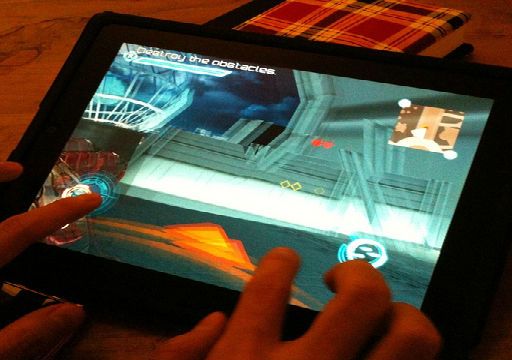
For Strauss Zelnick, the tablet computer represents a kind of Singularity - a convergence of media and productivity into a single, highly portable, optimally viewable platform.

At the time of his arrest by the FBI in 1995, Kevin Mitnick was the most wanted hacker in America. Today Kevin continues his hacking adventures legally, as a computer security expert.
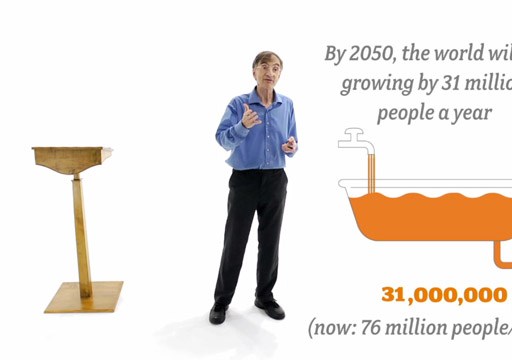
Demography is an ever-evolving tool that can help us imagine and re-imagine the future. In this clip from his lecture for The Floating University, Professor Joel Cohen explains its significance.
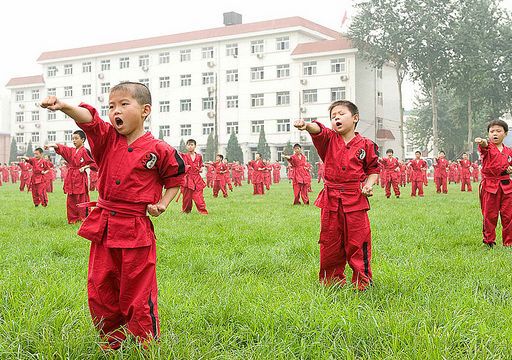
The importance of teaching children self-discipline and the educational power of fun – are also unusually well-supported by science.

Rick Field left a successful career in television to become a pickle entrepreneur. Seven years later, his Rick's Picks are carving out a mini cultural niche of their own in the American culinary landscape.

As events unfold, many are pondering what the fall of Col Qaddafi will mean for the rest of the world.

Co-authors Daniel Altman and Jonathan Berman argue that businesses will do better business and more social good by considering all of their activities – humanitarian and otherwise –in terms of how they impact long-term profits.

What the world needs now – and just might be able to listen to – are humanitarian ambassadors like Sophal Ear, who have experienced atrocity and devoted their lives to doing something about it.

Not surprisingly, the publishing industry is full of bibliophiles who love the body of the printed book almost as much as its soul. Rick Richter, the founder and president of Ruckus Mobile Media, is the rare exception.

Common wisdom, even among 'experts', is often shaped by unconscious peer influence. This effect may explain why world economic leaders at Davos 2008 failed to predict the financial crisis and meltdown that followed later that year.
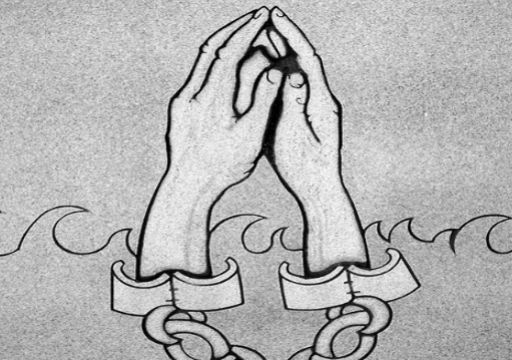
Driven, achievement-oriented people are often particularly cautious about trying something new. At the same time, complacency is a sure-fire recipe for personal and professional atrophy; if we’re not moving forward, we’re regressing.
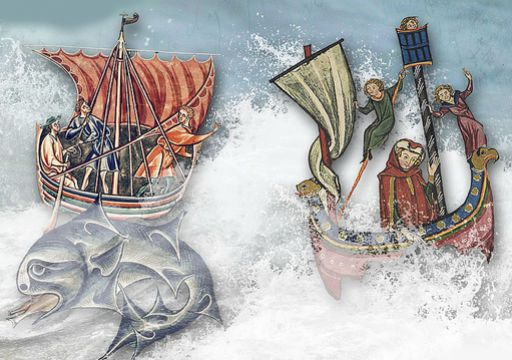
There’s nothing new about historical or literary references – artists have always used history as compost – but the pacing and logic of allusion these days feels somehow fundamentally different. The work of Singer-Songwriter-Novelist Josh Ritter exemplifies this shift.
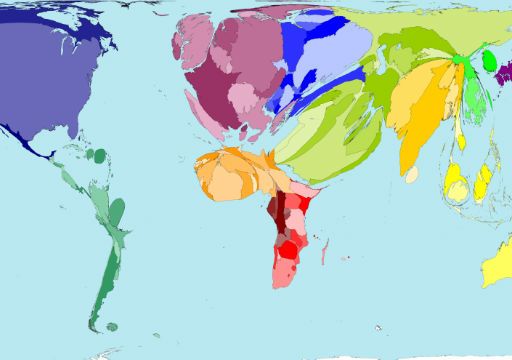
As the Brain Drain Race between wealthy nations heats up, emerging countries will continue to lose any chance at economic stability, while wealthy nations lose potential partners and markets in the global economy.

Neuroscience and psychology have identified willpower as essential to success in school and beyond. Like a muscle, it can be developed through exercise, and exhausted through overwork.