Search
Jonny Thomson

Jonny Thomson taught philosophy in Oxford for more than a decade before turning to writing full-time. He’s a columnist at Big Think and is the award-winning, bestselling author of three books that have been translated into 22 languages.
Jonny is also the founder of Mini Philosophy, a social network of around two million curious, intelligent minds. He's known all over the world for making philosophy accessible, relatable, and fun.
Read Less

When we fail to help in a bad situation, we are morally responsible. So, why don't we pick up others' litter?

A lot of research assumes happiness is measured by comfort and material conditions. For Aristotle, it is about being the best we can be.

The gaze of another person can make us conceive of our body as an object.

What makes a face trustworthy, anyway?

We value human life in a way that assumes we possess a sacred something not found in beings like lambs, turkeys, or mosquitoes.

We forget how unnatural a lot of formal education is. "Learning how to learn" requires bridging the gap between the abstract and the natural.

According to Sigmund Freud, our revulsion at taboos is an attempt to suppress a part of us that actually wants to do them.

Wordle activates both the language and logic parts of our brain and give us a nice boost of dopamine, whether we win or lose.

Non-Western thought is vast and ancient, so why don't some consider it philosophy?

The language you speak plays an important role in how you evaluate truth.
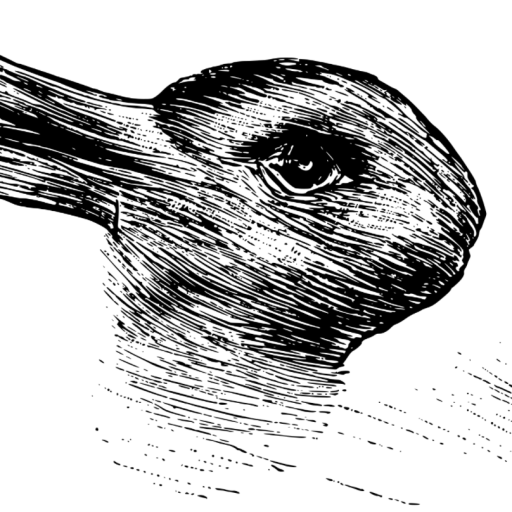
Most things in the world can be seen in surprisingly different ways.

From boosting empathy to improving therapy, virtual reality is poised to change our ideas of the self.

Death is the great and terrifying unknown, awaiting us all at the end of this life. Giving it a personality makes it easier to gaze upon.

For some people, there is only one thing to live for. They commit their entire being to that thing. They are dangerous.

Pokémon has people wandering the world to enslave wild and magical creatures so they can fight in painful blood sports. What's fun about that?
When we satisfy our curiosity, the brain has a particular way of rewarding us.

The gospels imply that Jesus became famous as much for his exorcisms as his ministry.

Jean Paul Sartre summed up the existentialist idea of "bad faith" through a waiter who acted a bit too much like a waiter.

People can lose their authentic selves when they don't honestly confront life's potential, according to the philosopher Soren Kierkegaard.

It's that time of year when the hours of meticulous wrapping of Christmas toys are viciously undone in seconds by tiny children.