Search
Jonny Thomson

Jonny Thomson taught philosophy in Oxford for more than a decade before turning to writing full-time. He’s a columnist at Big Think and is the award-winning, bestselling author of three books that have been translated into 22 languages.
Jonny is also the founder of Mini Philosophy, a social network of around two million curious, intelligent minds. He's known all over the world for making philosophy accessible, relatable, and fun.
Read Less

Did traditional Chinese thought pave the way for the philosophy of Maoism?

When faced with too many choices, many of us freeze — a phenomenon known as "analysis paralysis." Why? Isn't choice a good thing?
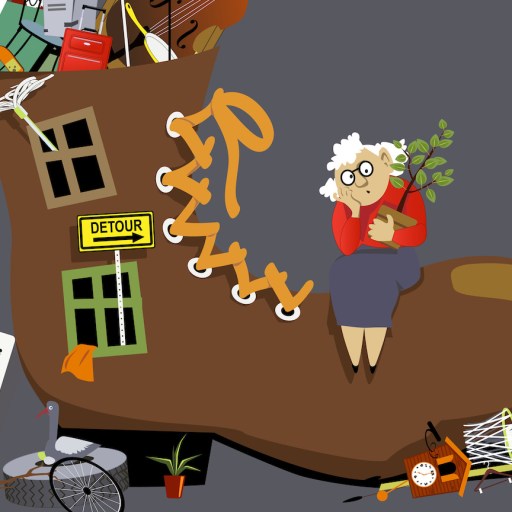
Hoarders know their habits are abnormal, and yet they cannot help themselves. Maybe you can help them.

Learning another language might make you richer, sexier, and smarter. Why not try it?

If secrets are a kind of poison, confession is the antidote.

What responsibility do social media companies like Twitter have to free speech? It depends on whether they are "landlords" or "publishers."

It may depend on whether you're an "easily empathetically embarrassed" person.

Moral dilemmas reveal the limitations of ethical principles. Oddly, the most principled belief system might not have any principles at all.

When was the last time you spent some quality time with yourself?
Will all robots think like Jeff Bezos and Mark Zuckerberg?

There is much more to the Kama Sutra than just sex. It's a guide to anyone wanting more pleasure in life, however they take it.
It's possible to measure philosophy's progress in two ways. But is that really the point?

The attitude we take to Will Smith's slap will mirror our attitudes to violence, masculinity, and protecting others more generally.

Nostalgia is a happy remembrance of the past, yet it also leaves us feeling sad. Perhaps ironically, it can serve as a painkiller.

A growing body of research shows that religious people seem to enjoy more psychological well-being compared to others.

When we fail to help in a bad situation, we are morally responsible. So, why don't we pick up others' litter?
A lot of research assumes happiness is measured by comfort and material conditions. For Aristotle, it is about being the best we can be.

The gaze of another person can make us conceive of our body as an object.

What makes a face trustworthy, anyway?