Search
Jonny Thomson

Jonny Thomson taught philosophy in Oxford for more than a decade before turning to writing full-time. He’s a columnist at Big Think and is the award-winning, bestselling author of three books that have been translated into 22 languages.
Jonny is also the founder of Mini Philosophy, a social network of around two million curious, intelligent minds. He's known all over the world for making philosophy accessible, relatable, and fun.
Read Less
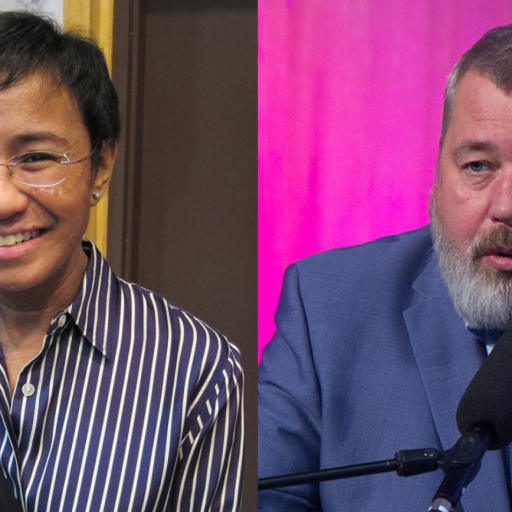
Both journalists have put themselves in danger to shed light on corruption and abuses of power in their home countries.

Our temporal experience of the world is not divided into a series of neat segments, yet that's how we talk about time.
The development of the revolutionary gene-engineering tool CRISPR is a tale fit for the big screen.

"Theory of mind" enables all people to naturally infer other people's mental states. Psychopaths don't seem to put much effort into the process.
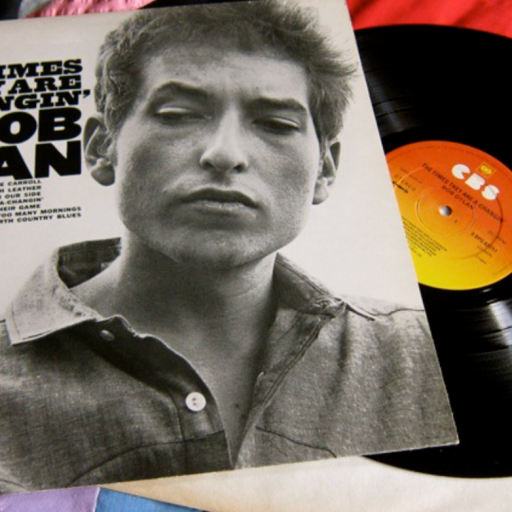
A new study suggests that depressed people may prefer a Leonard Cohen or Bob Dylan song to one from The Beach Boys or One Direction.
For some people, the emotional pull of fictional characters is profoundly strong.

Our ancestral cousins far more intelligent than we credit them for, and they did things most of us cannot.
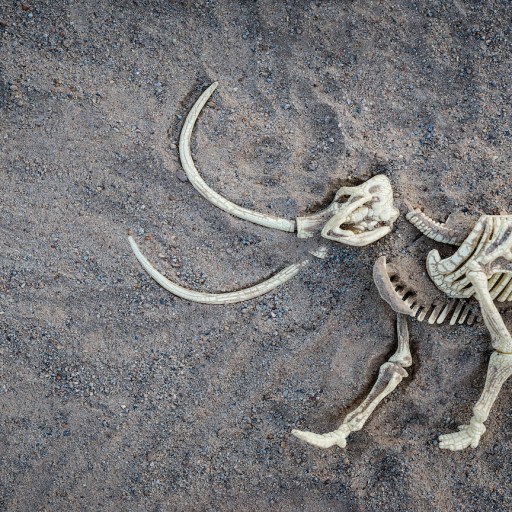
A biotech startup has received $15 million in funding to genetically recreate woolly mammoths and rewild them in Siberia.
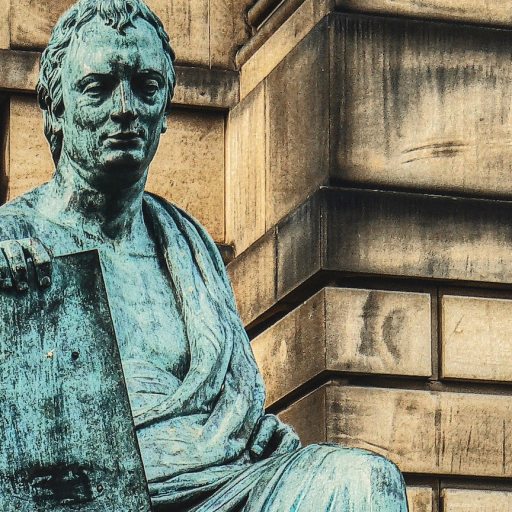
Which philosopher had the strongest arguments? David Hume, who raised some of the best challenges for science, ethics, and religion.
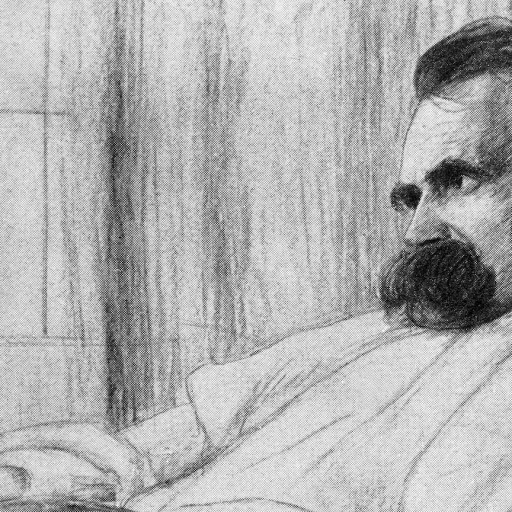
The question of anti-Semitism, Nazism, and a particularly nasty sibling haunted Nietzsche's legacy.
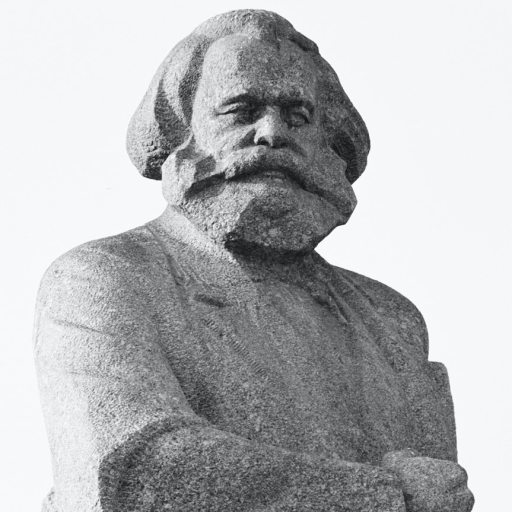
Love him or hate, Karl Marx redefined geopolitics and shook up the world order.
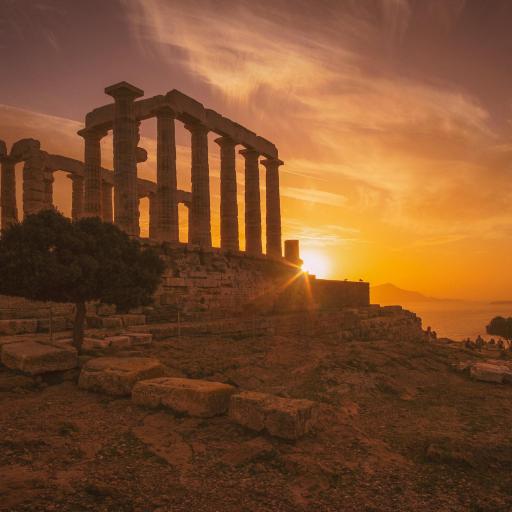
Socrates is considered the "Father of Western Philosophy," but perhaps that honorific should go to Plato.
Do right and wrong depend on culture, or does morality transcend place and time?
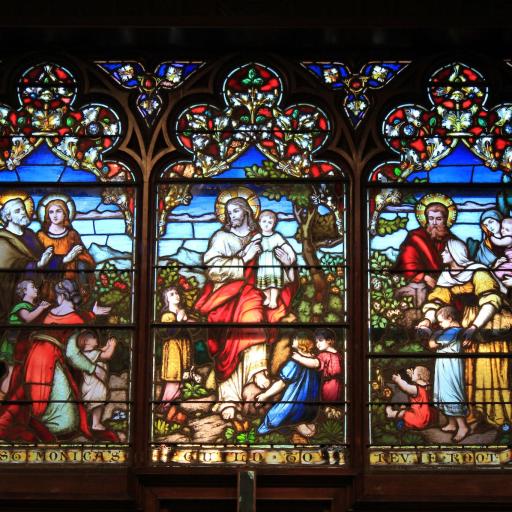
Augustine's theology came to define Christianity, but there was a rival theology.
Coherentism accepts that circular reasoning is probably the best any of us can do.

A strange philosophical thought experiment forces us to ask if the world can be completely described in physical terms.

How the brain decides what to store and what to forget.

If you had perfect foreknowledge of the blessings and tragedies that will come in your life, would you make the same choices anyway?

What if you are the only person in the world who can think?

It is difficult to save a species that does not seem to care about saving itself.