Jonny Thomson

Jonny Thomson

Jonny Thomson taught philosophy in Oxford for more than a decade before turning to writing full-time. He’s a columnist at Big Think and is the award-winning, bestselling author of three books that have been translated into 22 languages.

Jonny is also the founder of Mini Philosophy, a social network of around two million curious, intelligent minds. He's known all over the world for making philosophy accessible, relatable, and fun. 

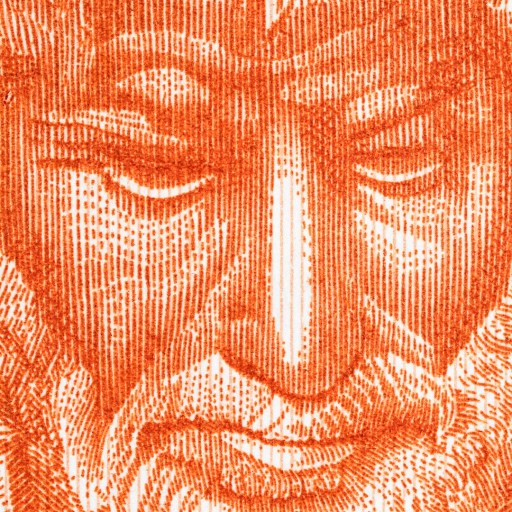
A close-up of a reddish-orange engraving shows an elderly man with a beard and focused expression, as though he's reflecting on the wisdom found in books.
Self-help often distills philosophical ideas for the modern ear. Sometimes, its better to go back to the source.
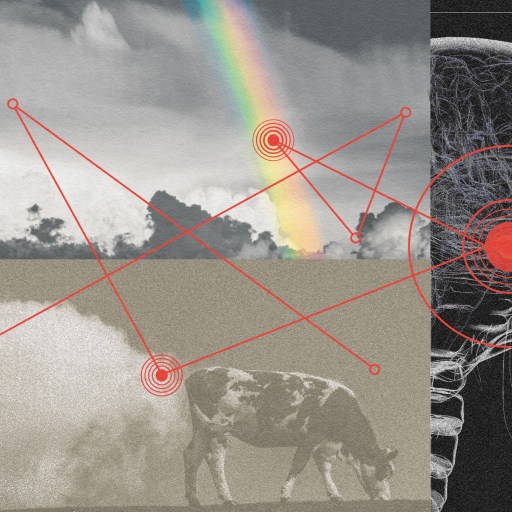
An illustration intertwines reality with imagination, featuring a cow, a rainbow, and a human skull linked by red lines and targets.
Just because you can't experience it doesn't mean it's not real.
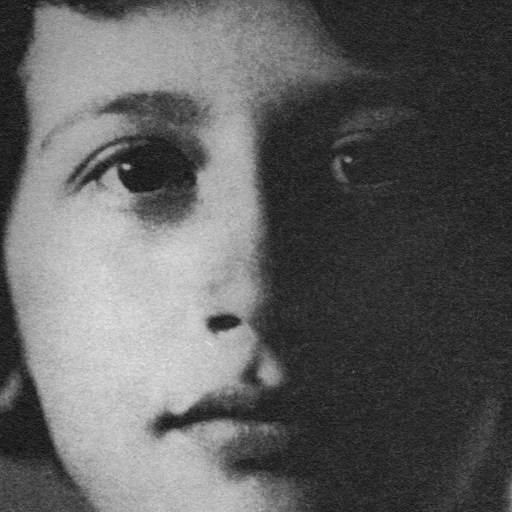
In this striking black and white portrait, a young person with short hair gazes with a serene resolve, their face half in shadow, as if to remind us all to go grudge-free.
We have it in our power to forgive a debt — and learning to use this power in the workplace can be golden.
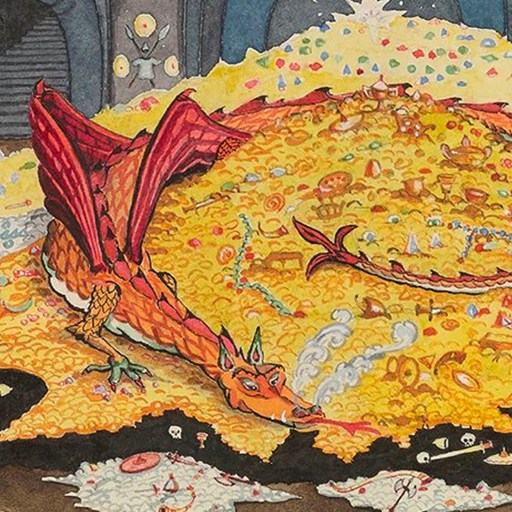
A drawing of a dragon on a pile of gold, symbolizing hope.
For J.R.R. Tolkien, the single most important element of a fairy tale was the dramatic reversal of misfortune in the story's ending.
Close-up of a weathered wooden utility pole, marked with the number "2," standing resolute against cloudy skies—a testament to the enduring habits of nature and time.
This supremely simple hack can help you establish good habits, break bad ones, and guard against failure.
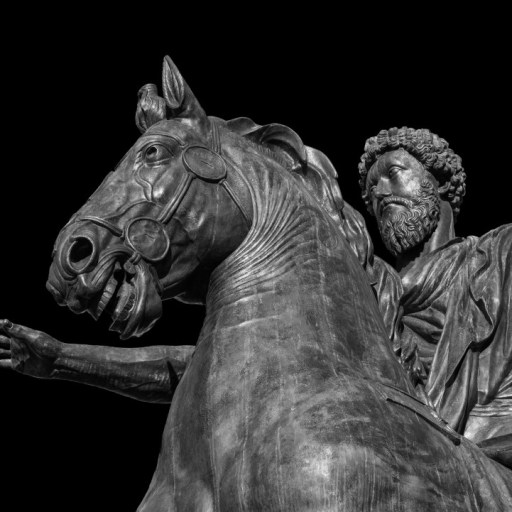
Bronze statue of a bearded man embodying stoicism, riding a horse with one arm extended forward, set against a black background.
All religions have three traits: metaphysical commitments, ethical guidance, and daily rituals or practices. So does Stoicism.
A statue of a thoughtful, seated philosopher on the right seems to be contemplating a calling, while a standing figure holding a lyre on the left adds harmony against the textured background.
If you're an atheist with a vocation, who laid that path for you?

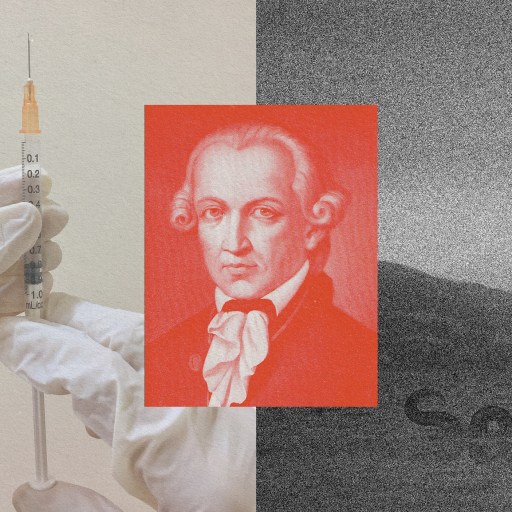
A gloved hand grips a vaccine-loaded syringe, framed by a red-tinted portrait of a historical figure in the center and a grainy black-and-white landscape on the right.
"I have a friend who thinks vaccines cause autism," writes Nina. "What can I do?"

In a split image, Taleb's surgeon stands confidently alongside two diverse medical professionals: a woman in a hijab and a woman with glasses, each wearing stethoscopes.
The truly talented are those who got to where they are despite preconceived expectations.

A silhouette of a person stands in front of three closed doors in a dimly lit room. White swirling lines surround the figure, adding a sense of motion and mystery to the scene.
In the 18th century, David Hume argued that we are only motivated to do good when our passions direct us to do so. Was he right?

Animated characters observe a family walking in a snowy scene through a viewing screen, inside a control room.
There’s little more infuriating in the world than being told to “calm down” when you’re in the midst of a simmering grump.
Black and white image of two people in hats with "The End" text, next to a red-toned anatomical illustration of a heart.
How can "you" move on when the old "you" is gone?
A man and woman stand by a wooden fence. The man leans on the fence, smiling, while the woman, focused on better productivity, holds a sickle and looks at him, wearing a headdress and shawl.
Do you always act professionally in the workplace? Depends what you mean by "professional."
Collage featuring mouths, graphs, and text elements: a bold "CANCELLED" stamp, line graphs indicating a tipping point, and "change coming," all set against the backdrop of a striking matchstick.
In his latest book, Malcolm Gladwell explores a strange phenomenon of group dynamics.
Five Lego minifigures standing in a line, each with distinct facial expressions and clothing, against a split white and orange background.
Reading this article would be such a millennial thing to do.
Two men in suits sit at a table looking stressed; one leans back with his head tilted upwards, and the other covers his face with his hand. The scene hints at the consequences of relying on the McNamara fallacy. A blurred glass pitcher is visible in the foreground.
Don't make the mistake of blindly following quantitative metrics — whether you're helping clients or looking for lunch.