Search
Kecia Lynn
Kecia Lynn has worked as a technical writer, editor, software developer, arts administrator, summer camp director, and television host. A graduate of Case Western Reserve University and the Iowa Writers' Workshop, she is currently living in Iowa City and working on her first novel.
Read Less
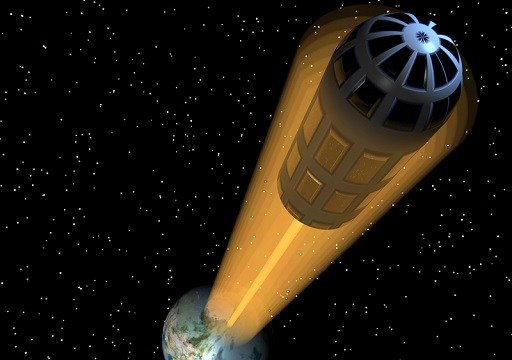
The International Space Elevator Consortium (ISEC) recently met in Seattle to discuss their progress on designing a transportation system that would cost "about 3,000 times less" than a space shuttle trip.
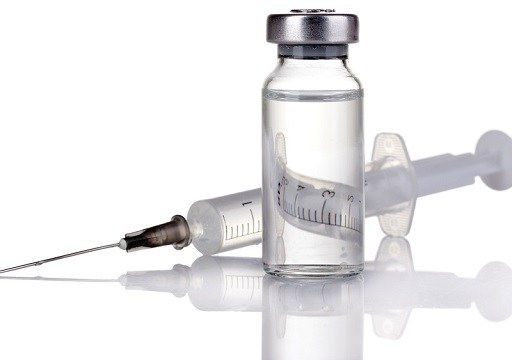
Nominated for an INDEX Award, David Swann's ABC Syringe changes color when it's exposed to air, thus providing a visual alert that it may be unsafe to use. The device could save more than a million lives each year.
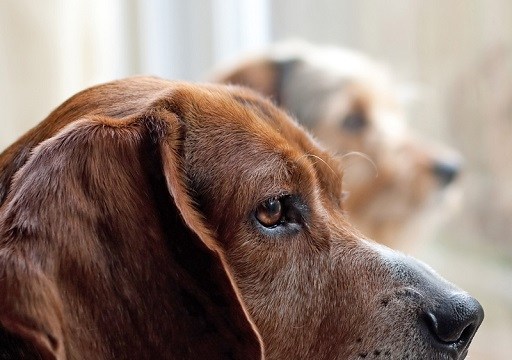
Brooke Martin's iCUPooch, which combines video and dog treats, is one of ten finalists in the Discovery Education 3M Young Scientist Challenge.
After over a decade of research, biotech startup Bionym is ready to go public with Nymi, a bracelet that uses the unique electrical activity produced by the wearer's heart as identification.
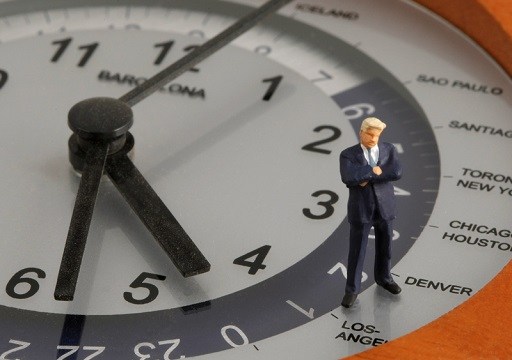
Oxford University researchers have discovered a protein that prevents genes from adapting to differing levels of light. Suppressing this protein in mice caused their body clocks to adjust much faster.
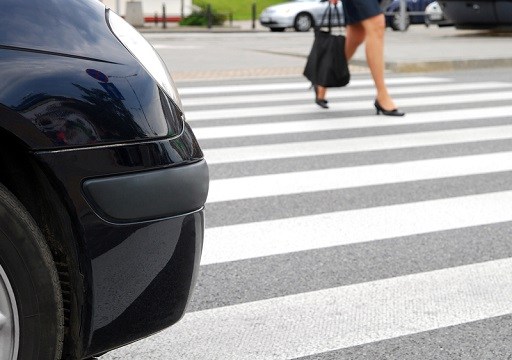
Honda is using existing vehicle-to-vehicle systems to create a network in which data broadcast and received by both cars and pedestrians will help prevent accidents.
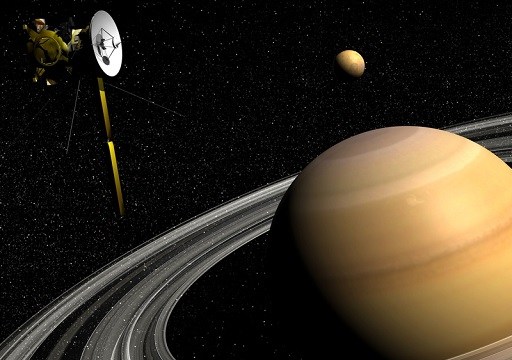
The massive storm that wrapped itself around the planet in 2010-2011 seems to have dredged up water ice from an invisible lower atmospheric layer, according to NASA researchers.

A team of California scientists combined two ingredients commonly used in firefighting into an all-natural temporary spray gel that outperformed other coatings in lab tests.
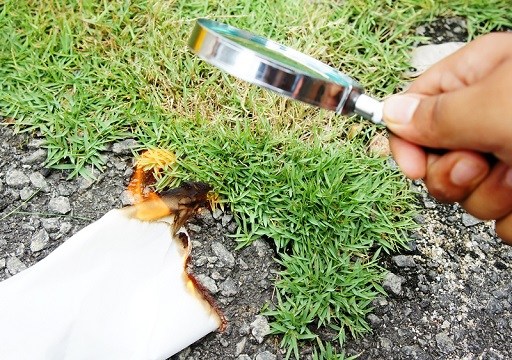
The building has been blamed for melting the plastic on a parked car, setting store carpets on fire, and shattering tiles. Believe it or not, it's the second structure architect Rafael Viñoly has built that has this "feature."

The Ohio city had never experienced an earthquake before the 2010 opening of a wastewater injection well. All 109 earthquakes that occurred in the ensuing 12 months now appear to be linked to the well, says a new study.

As part of last year's UN Rio+20 Summit, a group of financial institutions are looking into ways to put monetary value on natural resources and add incentives and penalties for their preservation or destruction.

More importantly, would your dog want one? Two Auburn University engineers have created a system that in test environments produced an obedience accuracy rate of almost 98 percent.
By entering a Twitter or Instagram handle, Ready or Not displays data showing where its user has been and what information they sent out. It was built as part of a project titled "Teaching Privacy" that targets high schoolers.

Developed by a team of Brigham Young students, the Owlet sends vitals -- including heart rate, temperature, and most notably, an alert in case the baby rolls over on their stomach -- to a smartphone app.

Fed up with British Airways' handling of his father's lost luggage, Hasan Syed took the matter to Twitter by complaining via its self-service advertisers' platform. It got the airline's attention, along with that of millions of others.

Starting next Monday (Sep. 9), Bradford Regional Medical Center will become the first US institution of its kind to offer a voluntary 10-day inpatient program.
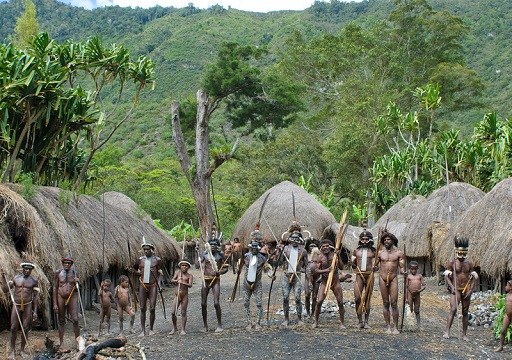
Leaders from 17 countries recently met in Sumatra to discuss how handheld GPS devices and mapping apps have helped their communities retain lands held for generations.
Harvard scientists sandwiched a layer of transparent rubber between two layers of a specially-made hydrogel. Electrical audio signals sent to the gel layers caused the rubber to vibrate and make sound.
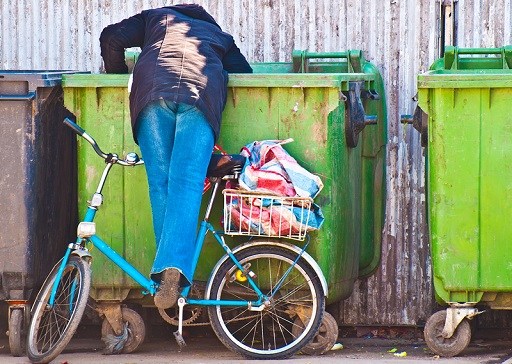
Besides the obvious, both affect the brain in ways that make a person more susceptible to bad decisions, according to a new study involving subjects in New Jersey and rural India.
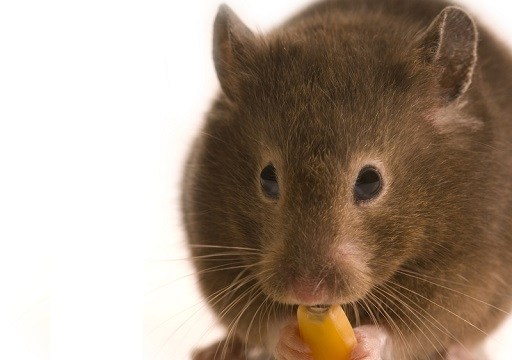
Studies show that weight gain is happening in the wider animal kingdom as well -- in our pets, yes, but also among some captive and wild animals. No one really knows why.