Search
Kecia Lynn
Kecia Lynn has worked as a technical writer, editor, software developer, arts administrator, summer camp director, and television host. A graduate of Case Western Reserve University and the Iowa Writers' Workshop, she is currently living in Iowa City and working on her first novel.
Read Less
A graduate student at MIT's Media Lab has designed a system that contains a super-cheap optical chip, which could help bring holographic technology to consumers within the next five years.

Forget solar energy: This weekend Vodafone will debut its new charger, which is made out of flexible thermocouple-based fabric and a plug. The charger comes in two forms: shorts pocket and sleeping bag.

Researchers at MIT modeled the inside of a bone and used software to create a design that could be read by a 3D printer. The resulting lightweight composite could be used in several different applications.

Two manufacturers of "smart windows" have affiliated with larger companies in recent months, indicating that this technology may finally become more widespread as commercial building owners seek to reduce energy costs.

Thanks to three solar panels and a large lithium ion battery pack, the stations can capture and store enough power to charge six phones at once and have plenty to spare.

A new US Forest Service study shows that through removing fine particles in the air, urban forests save an average of one life every year per city. In New York City alone, eight lives are saved annually on average.

The spacecraft currently in residence near Saturn will position itself to capture what our planet looks like from almost 900 million miles away. It's the first-ever intentional photo session from deep space, which means we have time to dress up.

Scientists have detected fracturing of the ocean floor near the Iberian peninsula, signaling the movement of tectonic plates that could eventually close the distance between North America and continental Europe.

One way or another: This week the agency announced an ambitious plan to locate and monitor any asteroid -- even the relatively small ones -- that could pose a danger to the planet.

In an act of defiance against poachers and traffickers, the government will destroy five tons of seized ivory worth millions on the open market.

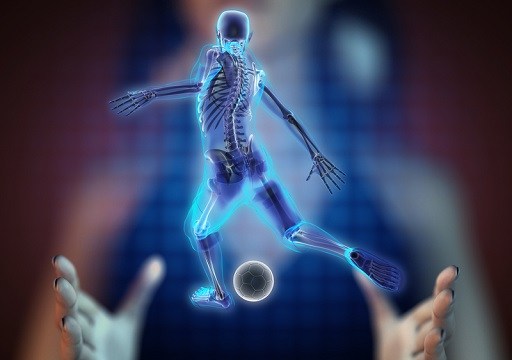
It's not quite a "Star Trek" holodeck, but two junior doctors based in London have developed a way to display 3D animated graphics of body parts on an auditorium stage.

As of this weekend, Google has begun testing Project Loon, in which solar-powered balloons flying 12 miles above the Earth to provide Internet to participating locations in New Zealand.

Hundreds of companies now offer lessons to children of immigrants living all over the world. While some say it's a timesaver, others are concerned about radical influences.

This week marks the launch of @SummerBreak, an eight-week series that can only be "watched" on Twitter, Instagram, YouTube, and similar sites. The goal: To reach Millennials on their own turf.

As privacy rights gain greater focus in the European Union, one group says that giving individuals the right to remove personal material from the Internet would complicate historical record-keeping.

MIT developers have created a system that uses a computer-generated face and specialized software to help people with social phobias and others practice their interpersonal skills.

Retaliation is illegal in the US, but businesses and organizations tired of being vulnerable to cyberattacks are reviewing what counterattack options they do have.
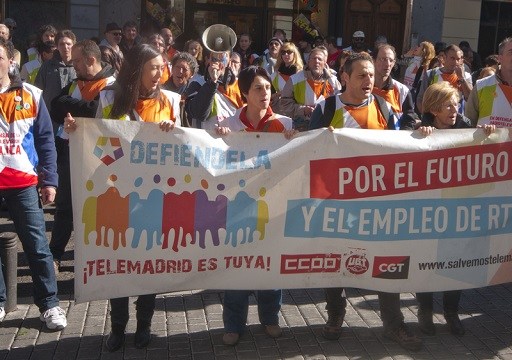
Continued high unemployment among younger workers -- and the potential for explosive social consequences -- are causing officials to think about retiring older workers. However, many economists say this is (still) a bad idea.

Three nights a week, as many as 300 Runners Venezuela members jog along the streets of Caracas to maintain their fitness while avoiding being kidnapped. It's one approach to maintaining normality in an increasingly dangerous city.

A University of Toronto study showed that people who read literary fiction have less need for "cognitive closure," allowing for more creative and sophisticated thinking.