Search
Kecia Lynn
Kecia Lynn has worked as a technical writer, editor, software developer, arts administrator, summer camp director, and television host. A graduate of Case Western Reserve University and the Iowa Writers' Workshop, she is currently living in Iowa City and working on her first novel.
Read Less
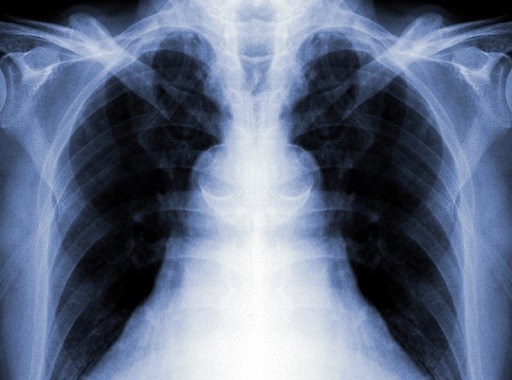
Scientists in South Korea have developed a highly-responsive sensor that can identify compounds found on a person's breath signaling the presence of diabetes or lung cancer.

Straight from the pages of "Harry Potter": The multi-camera system is currently used in nursing homes to monitor residents. However, its designers say it could help identify suspected terrorists in public settings.

Made of an abundant and inexpensive compound, the sensor could make digital cameras five times more sensitive to light, "opening up" the realms of low-light and night photography.
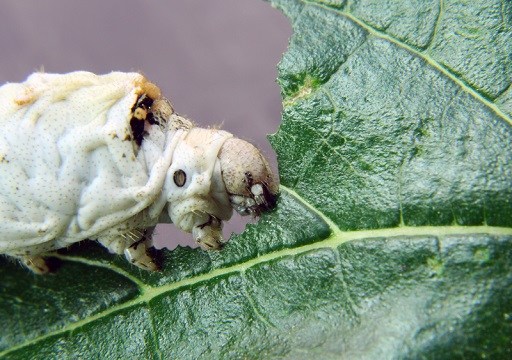
MIT designers laid 6,500 silkworms on top of a specially constructed framework and let them do what they do. Such "biological swarms" could someday be used to "print" structures organically.
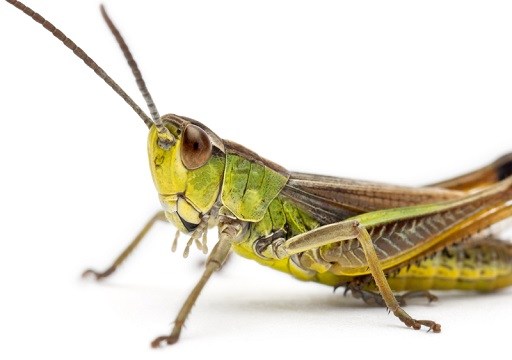
Mansour Ourasanah hopes so: He has joined with KitchenAid to create a prototypical countertop pod that allows grasshopper breeding, growing, and harvesting.

The people behind the Lone Signal project are inviting the public to contribute text and photo messages that they plan to beam into outer space as a beacon to aliens.

It goes by many names -- puma, mountain lion -- but after being all but exterminated east of the Rockies, the great cat is slowly regaining lost ground, causing concern among biologists, wildlife officials, and ordinary citizens.
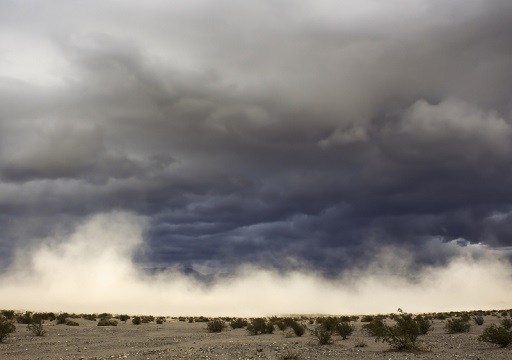
A recent study indicates that parts of the western US have experienced a significant increase in the amounts of dust being blown around. Possible causes include drought and changes in land use.

A recent paper hypothesizes that the material that comprises most of the matter in the universe may consist of a type of theoretical particle whose signature has already been detected by scientists.
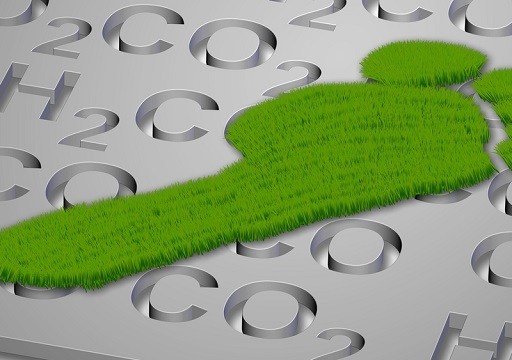
Their new report suggests that it's not too late to implement changes that will help prevent a 2-degree global temperature increase by 2100.
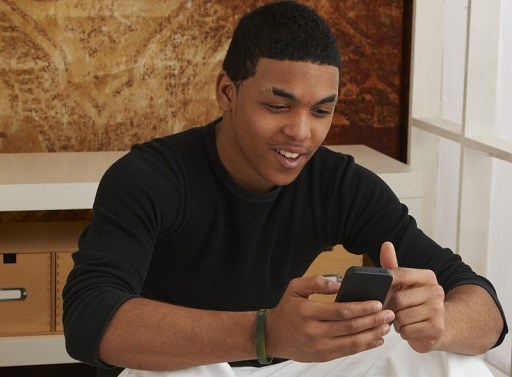
Two thousand Oklahoma City students were given free mobile phones that sent them encouraging texts each day. After nine months, they said they valued education more, but there was no corresponding increase in achievement.
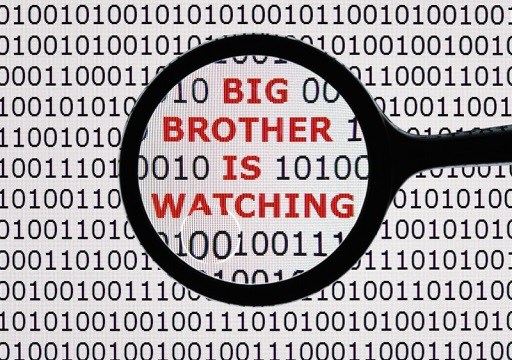
A Pew Research Center/Washington Post poll released on Monday showed that for a majority of Americans, catching terrorists is more important than intrusions on personal privacy.

A new study reveals that British parents are increasingly relying on e-mails, text messages and social media to communicate with their partners and children, even when they are all under the same roof.
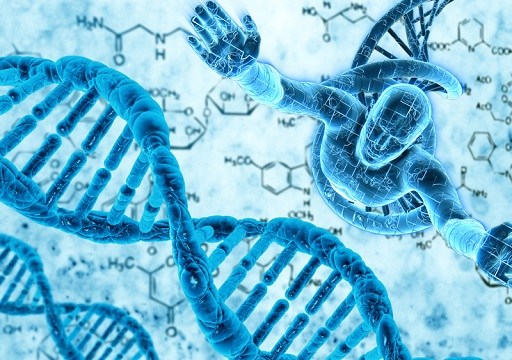
In the case of a recent exhibit displaying sculpture of people whose characteristics were determined by analyzing DNA found on cigarette butts and chewing gum, maybe not, according to New York state law.

That's the question curators at New York's Whitney Museum had to answer when looking at a Web-based work acquired in 1995.

Researchers are working on a method to teach passwords through a series of repetitive actions that, ideally, become so familiar that the user does them without conscious thought.

The Monster Dreamer uses a sensor-equipped headset to interpret children's reactions to various creatures and create a 3D-printed toy that contains the features they find most interesting.

"[I]nside the 1.3 billion tons of food wasted every year worldwide is 45 trillion gallons of water. This represents a staggering 24 percent of all water used for agriculture."
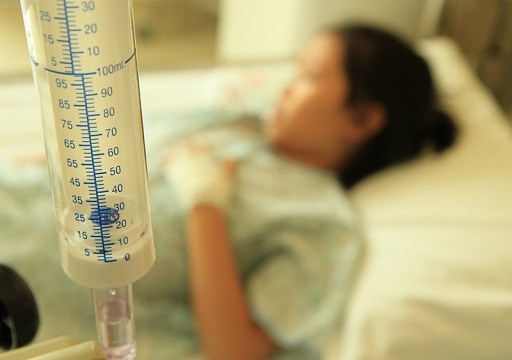
According to current policy, when a child under 12 qualifies for an adult-sized organ, they're often placed on the bottom of the adult list, even if their condition is more critical, because of a lack of comparative data.

Social scientists and health officials are concerned that their dropping survey response rates are negatively impacting research and services. Ironically, they place the blame on the proliferation of marketing surveys.