Search
Kecia Lynn
Kecia Lynn has worked as a technical writer, editor, software developer, arts administrator, summer camp director, and television host. A graduate of Case Western Reserve University and the Iowa Writers' Workshop, she is currently living in Iowa City and working on her first novel.
Read Less

A USDA scientist accepted a challenge to extend the life of strawberries in the fridge by 50 percent. His solution: LEDs that emitted dim ultraviolet light.

WiSee uses an existing wi-fi connection to enable people to control electronic devices like TVs or stereos with gestures...and they don't even have to be in the same room.

Look out, Tony Stark: Two Baltimore-based companies have teamed up to develop a suit that will allow the truly adventurous to dive to Earth from as high as 100 kilometers up.
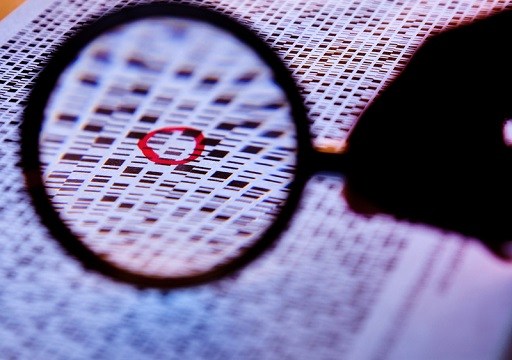
The fog releases into a vault and covers the intruder with invisible artificial DNA. Even if they get rid of their clothes, the DNA stays on the skin for two weeks.

University of Minnesota researchers have built a toy-sized aircraft that moves in response to wireless signals interpreted by an EEG cap.

New research suggests that the "green" part of "greenhouse effect" is really working. While having more plants may sound good, it's still not clear how or whether desert areas will be affected.

Writer Kyle Hill does his civic duty by providing some perspective, along with a link to the document containing the exact amounts of insects (and insect parts) the FDA considers acceptable for consumption.

MIT's Solar System software combines several sources of data to create a map that can predict the annual yield of a panel array installed at a given location.

University of Florida researchers have developed a six-inch-long, lightweight vehicle that can fly over, under, and through a hurricane while sending information in real time.

In an effort to increase the number of riders on public transit, the city is offering $220 off the price of the bikes, which are much easier to carry on and off buses and trains.
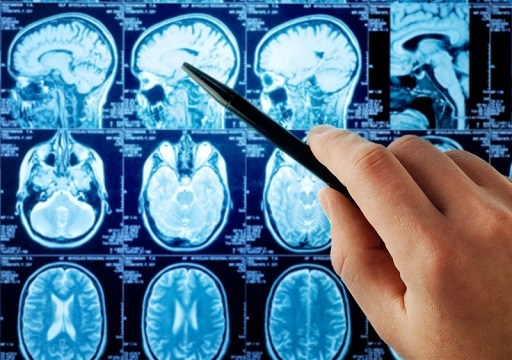
Imaging technology has advanced to the point where a brain scan can detect a lie with up to 90 percent accuracy. That's not good enough for the courtroom...yet.

More employers and employees are looking into using their own personal devices for work instead of a company computer. Writer Brian Proffitt looks at the benefits and challenges for both groups.

Researchers have launched a project that will figure out how to get the sensors we carry (or will carry) on our bodies to talk to each other, creating "cooperative interpersonal networks" that relay a wide range of data.

More than 120,000 sites are operating in the .su domain space assigned to the former Soviet Union, and a significant number of them are up to no good. Getting rid of the suffix would be "a messy operation."
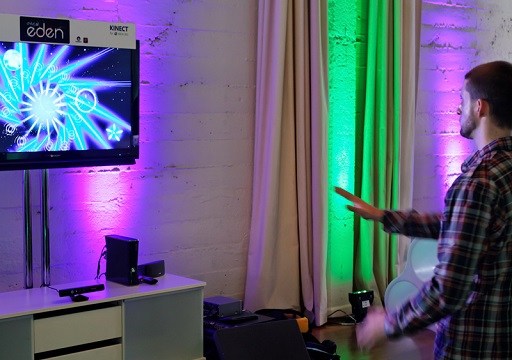
Writer Tom Chatfield says no: Despite the proliferation of mobile devices, there are still people who appreciate the transporting experience that console gaming can provide.
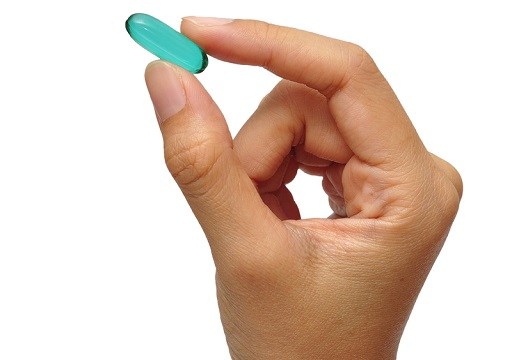
Proposed at this week's D11 conference: A chip in the form of a daily pill that, when swallowed, turns a person's body into an authentication token. Also offered: An electronic tattoo worn for a week at a time.

While other European countries are up in arms over what they say are Google's invasions of privacy, Lithuania is using Street View to uncover and go after citizens with unreported taxable assets, such as buildings and cars.
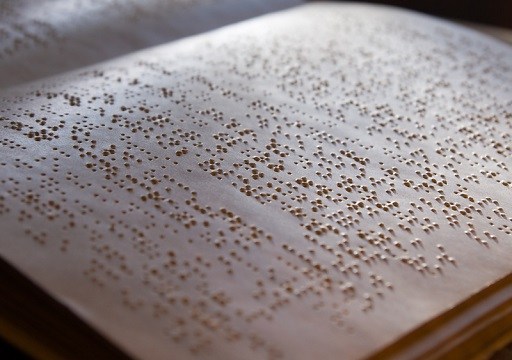
Only about five percent of books are converted into usable formats for the visually impaired. A new treaty between publishers and advocates, designed to address copyright issues, may help end this "book famine."

Writer Bill McKibben says that it doesn't make sense to invest in companies "that make sure we won't have a planet to retire on...Ask your [organizations] which side of this wager they’re taking."

With the income gap at its highest in many years, several organizations are looking at what worked for the developing world and applying it to the richest country on Earth.