Search
Kecia Lynn
Kecia Lynn has worked as a technical writer, editor, software developer, arts administrator, summer camp director, and television host. A graduate of Case Western Reserve University and the Iowa Writers' Workshop, she is currently living in Iowa City and working on her first novel.
Read Less

General Electric is the latest company to release software for utilities that takes advantage of social media and other data to identify outages and other problems.

The Pentagon has approved a plan to boost its cybersecurity force to almost 5,000 over the next several years.

A Rhode Island arts center is one of several that have created a section for audience members who are willing to live-tweet during a particular performance.

As part of a continued effort to improve women's safety, a technology trade group has announced a contest that's open to software developers, corporations, and students.

Writer Olga Khazan discusses the impact of a recent French court ruling requiring Twitter to disclose personal information of anyone tweeting hate speech.

For the first time in 15 years, the number of deaths by suicide was below 30,000. While still high, credit is going to coalitions of citizens, activists, and experts working together with the government.

On sale today, the updated "Life in the United Kingdom" study guide, traditionally used as the basis for the written citizenship test, has replaced practical questions with cultural ones.
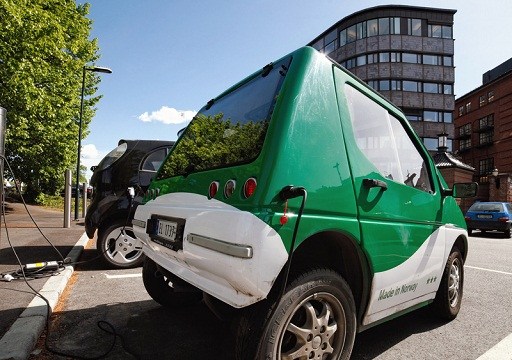
The ambitious goal is part of an €8 billion program designed to put more electric vehicles and hybrids on roads across the continent.

Cash-strapped towns are reevaluating church holdings and their use in hopes of claiming much-needed tax revenue. In response, the church asks why they're being singled out.

Local authorities have banned any property improvements, including balconies and certain bathroom conversions, that may raise rents and force established residents out.

The use of micron-sized lights as a delivery method is being researched by a consortium of UK universities hoping to make optical wireless communication a reality.

The FDA has given clearance to the first-ever autonomous robot for use in medical settings. With it, doctors can examine patients from a remote location.

If you live in Germany, that is: A court has ruled that a man should receive compensation due to being deprived of what they say is a necessity for daily life.

The government announced on Thursday that it's launching a Start-Up Visa program this spring to encourage entrepreneurs to immigrate. Included in the deal: Immediate access to investors.
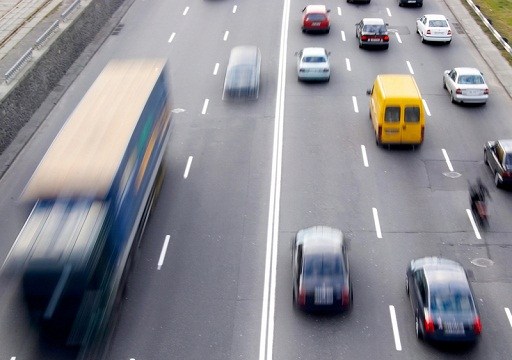
In Germany, it's serious enough such that later this year, some car models will include active safety systems that recognize signs and alert drivers.

Peugoet Citroen plans to roll out subcompact cars using its Hybrid Air system by 2016, at a price designed to compete with hybrid leader Toyota.

German designers have created a touch-sensitive floor that can recognize individuals by their weight, track their movements, and display interactive video.

FaceWash is targeted towards soon-to-be college graduates looking for a quick way to scrub their less-than-PC activities.
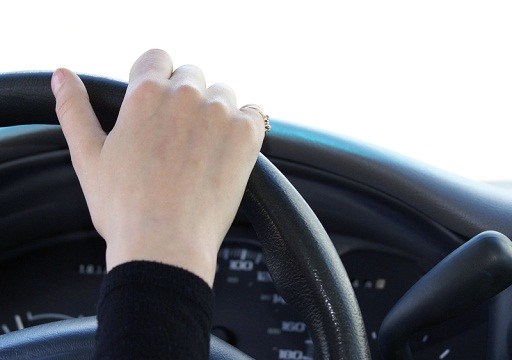
Just as some cars' seats vibrate when another car is in the driver's blind spot, the wheel uses GPS and sensors to alert drivers who may be experiencing temporary bright light blindness.

A professor in Japan has designed a "privacy visor" that uses near-infrared light to confuse cameras using facial recognition software.