Search
Kecia Lynn
Kecia Lynn has worked as a technical writer, editor, software developer, arts administrator, summer camp director, and television host. A graduate of Case Western Reserve University and the Iowa Writers' Workshop, she is currently living in Iowa City and working on her first novel.
Read Less
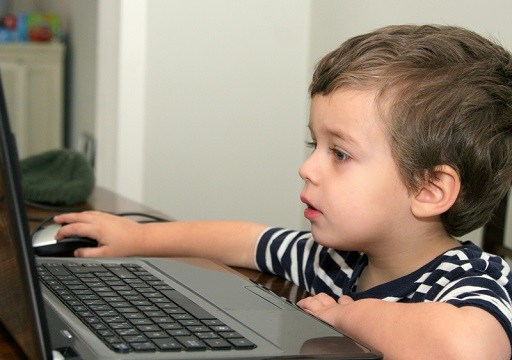
The law, signed by Governor Jerry Brown Monday (Sept. 23), allows them to delete posted content that they might regret when they're older. It's part of a larger measure designed to protect children's privacy.

For couples with lots of cash, agencies will provide a American surrogate who will carry a child to term. Once that child turns 21, they can apply for visas that will allow the whole family to emigrate to the US.
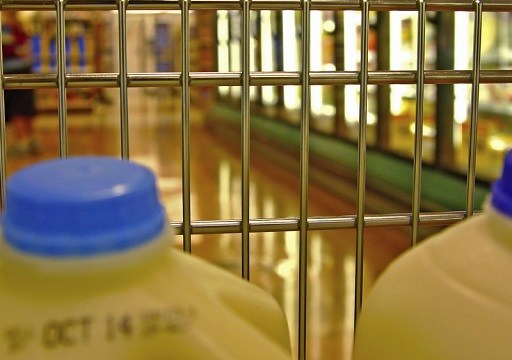
Conceived of by former Trader Joe's president Doug Rauch, the store will offer affordable foods that, while technically "expired," are still perfectly edible. He says it's one solution to the growing problem of food waste.

Prime Minister Dmitry Medvedev proposed the hike so that more people will "switch on [their] brain" when entering a marriage. It's part of a growing trend towards increased social conservatism.

It's an attempt to encourage marriage -- and the legal and financial benefits that come with it -- in a country where cohabitation has old cultural roots.

According to a research firm, Chinese could be consuming 5 million extra metric tons' worth of packaged food by 2015. The reasons mirror America's past; the potential consequences mirror America's present and future.
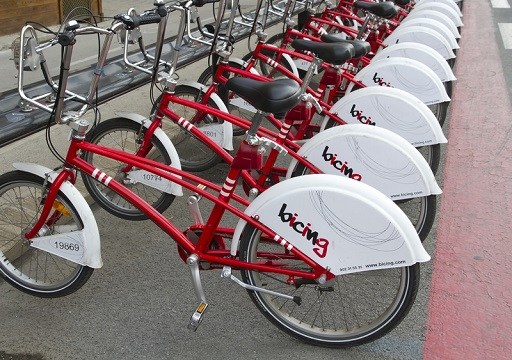
New industry figures show that, as the country still struggles in the grip of an economic crisis, bike sales have outnumbered car sales for the first time.

An Oxford University study found that up to half of US jobs are at risk of becoming computerized in the next 20 years. Industries with greatest impact include transportation, administrative support, and, perhaps surprisingly, service.

A University of Texas-Austin study showed that test subjects presented with a comments section that had a "Respect" option tended to select it more often for comments that opposed their own viewpoint.

Newly published in PLOS ONE is a study in which students showed improved speed and comprehension when reading short lines of text on the devices.

Sorry, Honey Boo Boo: The French government moved one step closer to restricting pageant participation to contestants aged 16 and over, citing concerns about hypersexualization of young girls.

And by "dreams" they're talking about the ones you have when you sleep: SHADOW provides tools to help users remember, record, and, if desired, share their dreams.

The company has announced the launch of Calico, which will most likely take advantage of Google's formidable search tools to help put more focus on aging and related diseases.

A Swedish architectural firm is preparing to roll out a standalone, environmentally-friendly 10-square-meter (108-square-foot) pod complete with a sleeping area, kitchen and toilet.
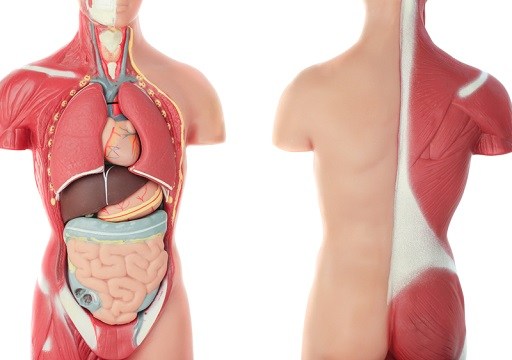
A team of researchers is working on 3D-printing different organ cells, connecting them with a tiny circulatory system, and putting the whole thing on a two-inch chip, creating a "test subject" that's steps up from animals or single-organ cell groups.
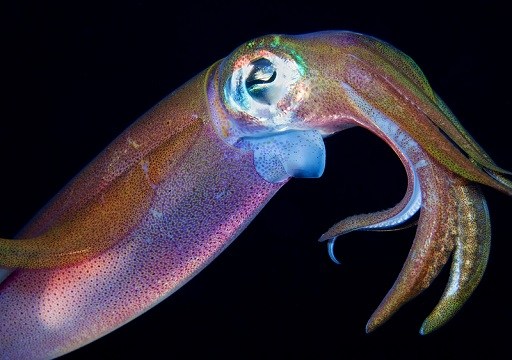
University of California-Irvine scientists combined a protein found in a chameleon-like squid with graphene to create a material that could be used to hide people and objects in infrared light.
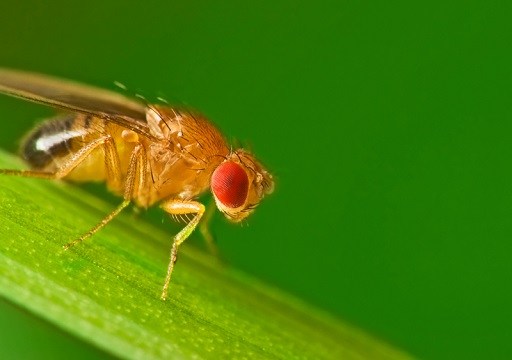
They may look like ordinary male insects, but they contain genes that kill some or all of their offspring. One test involving GM mosquitoes showed an 80-96 percent decrease in the mosquito population within six months.

Never mind Comet ISON: If all goes well, in January the European Space Agency's Rosetta probe will "wake up" in preparation for a rendezvous with Comet 67-P, currently hanging out in the vicinity of Jupiter.

Nitrous oxide makes up 38 percent of agriculture-based greenhouse gas emissions. Several new studies recommend wider development and production of a tropical "super grass" that binds nitrogen more effectively than other variations.

Now that the craft is officially in interstellar space, it should continue to send data back to Earth for another 12 years or so, barring any unforeseen complications. Understandably, scientists are excited.