Kevin Dickinson
Kevin Dickinson is a staff writer and columnist at Big Think. His writing focuses on the intersection between education, psychology, business, and science. He holds a master’s in English and writing, and his articles have appeared in Agenda, RealClearScience, and the Washington Post. Follow him on LinkedIn and Twitter @KevinRDickinson.

Reading classic books can teach you as much about the present as the past.

Natural navigator Tristan Gooley joins us to discuss the philosophy of reading nature’s hidden clues — and how relearning this ancient skill can help us see the world, and ourselves, with greater awareness.
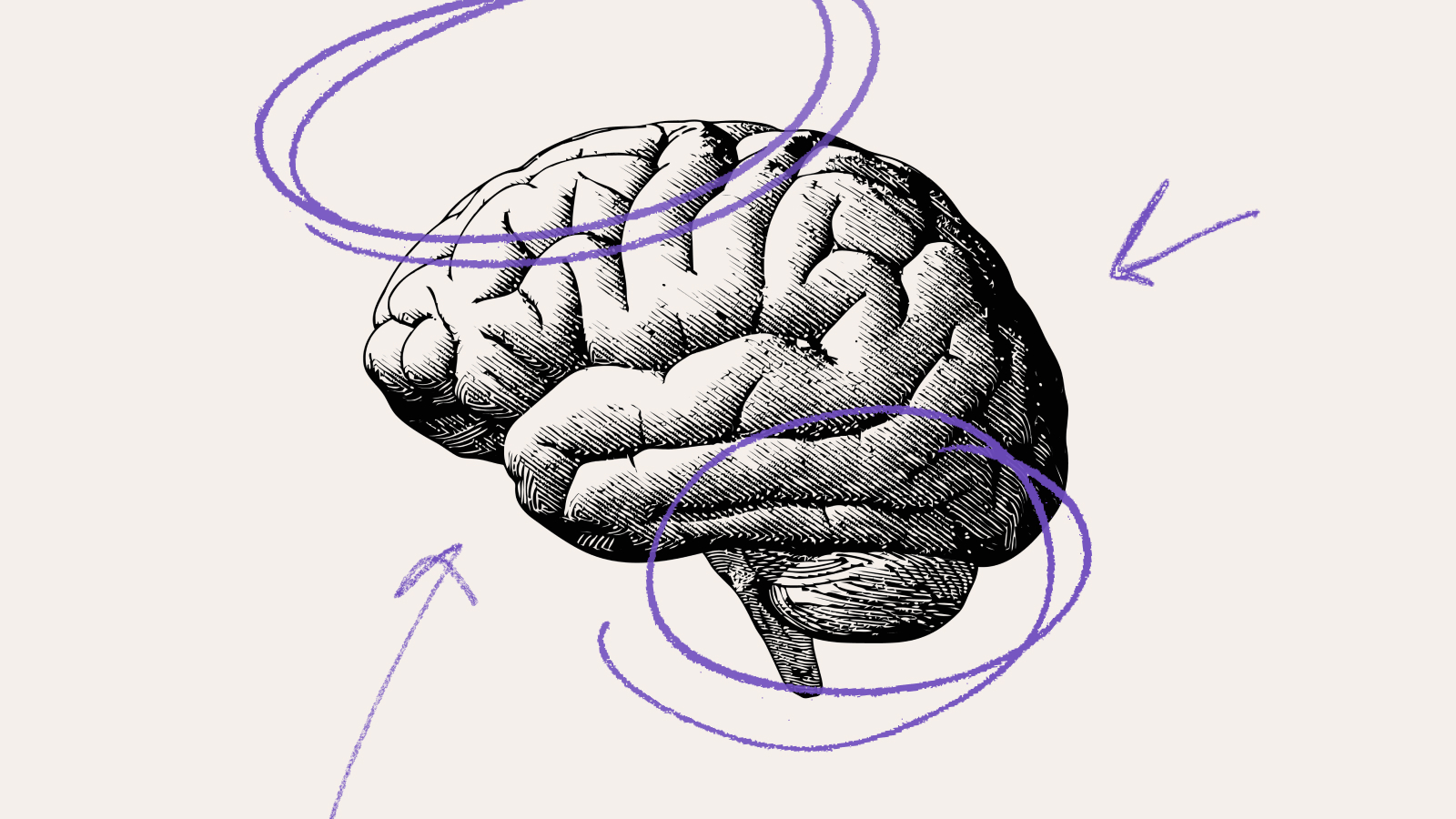
Neuroscientist Rachel Barr shares her favorite books on the brain and how they shaped her approach to the field.
In “On Liberalism,” Cass Sunstein argues that liberalism can only endure if we reclaim its core commitments and revive its spirit of freedom and hope for the future.
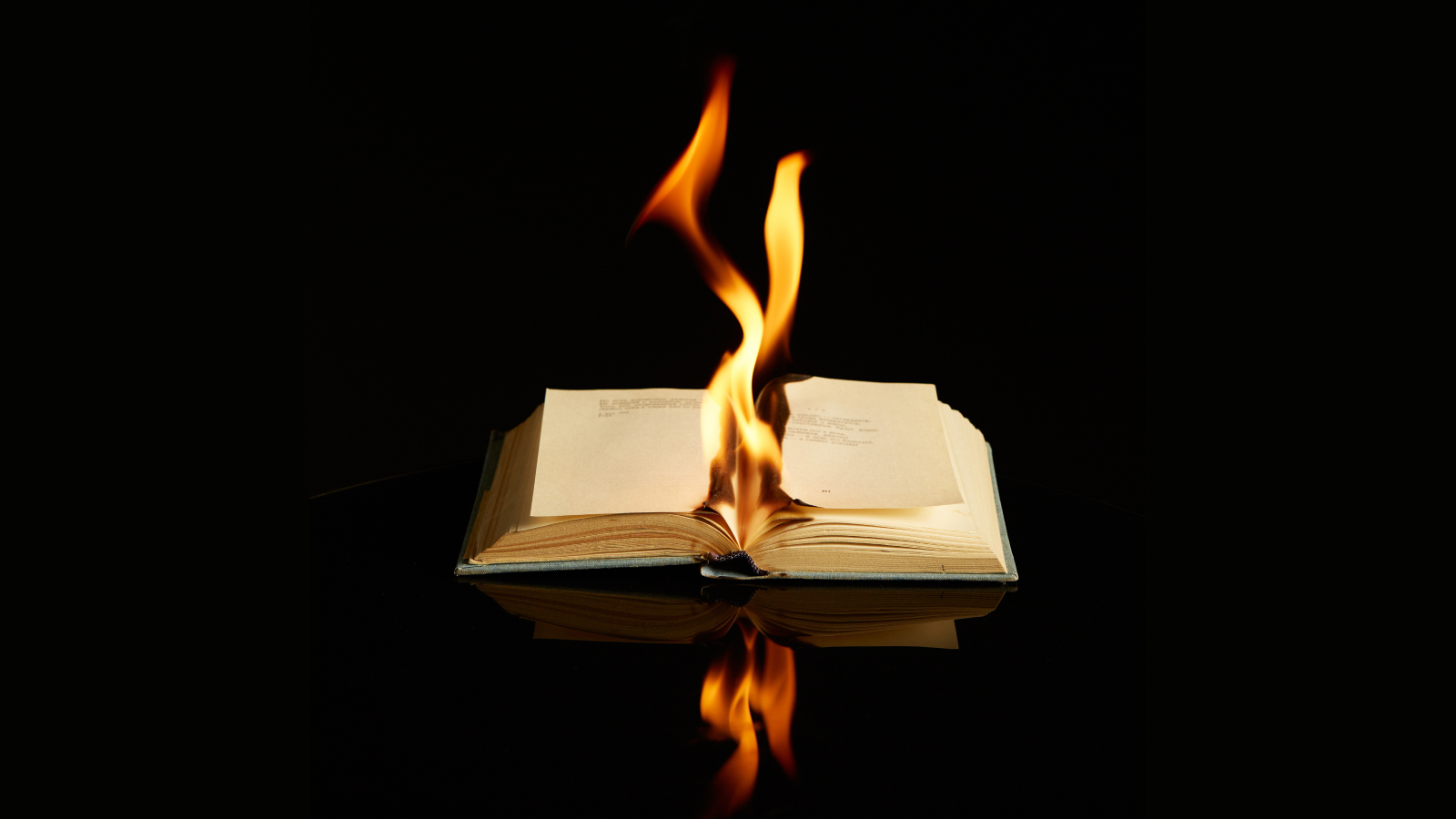
In “That Book Is Dangerous,” author Adam Szetela examines the rise of the “Sensitivity Era” in publishing and how outrage campaigns try to control what books authors can write and readers can read.
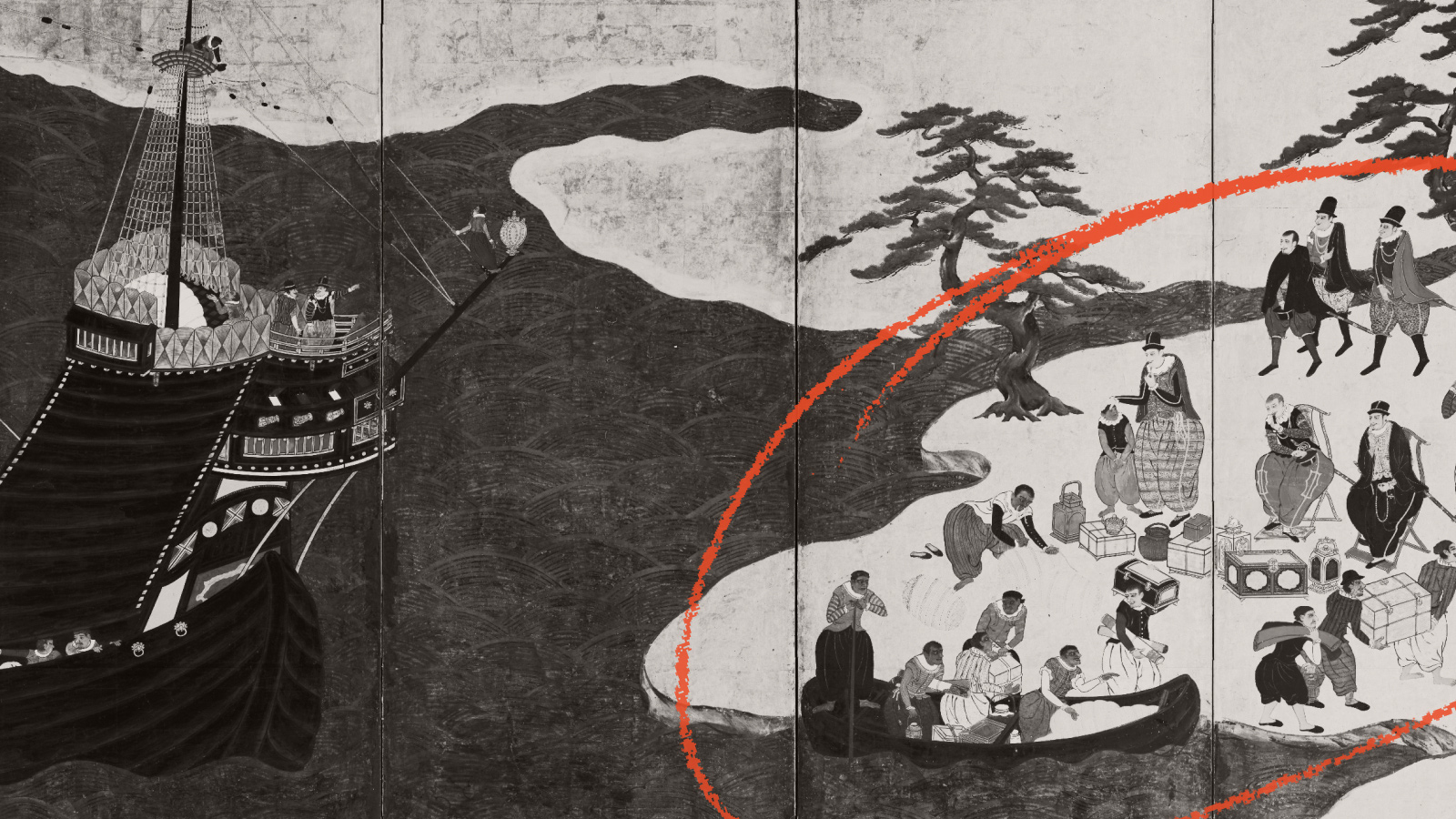
In the Embers series, historian M.G. Sheftall shares the stories of Hiroshima and Nagasaki’s last survivors and reveals why their testimony must endure.
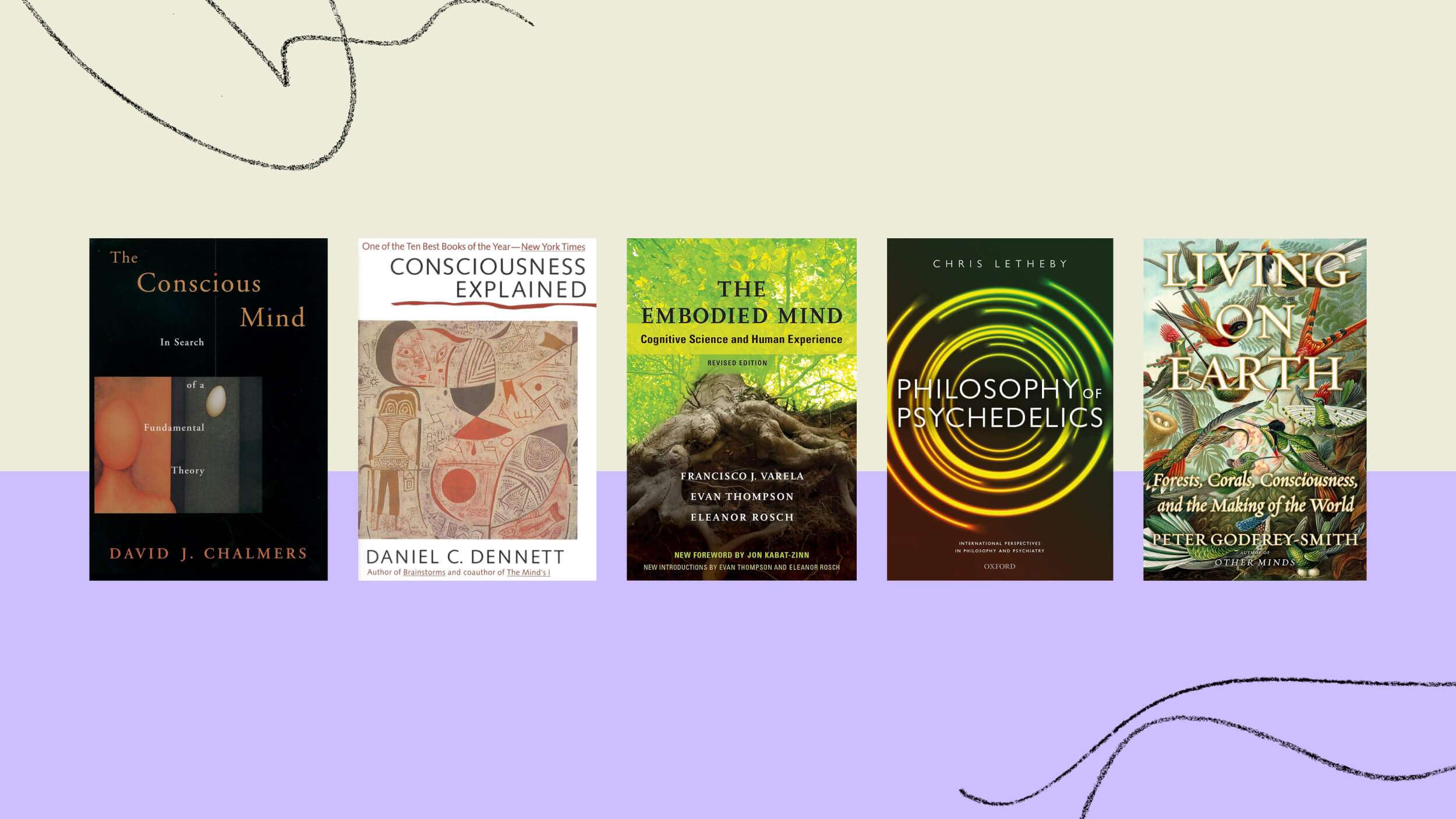
These expert-recommended books try to answer the questions of consciousness, from its fundamental nature to its role in human experience and the natural world.
“Who ya gonna believe: me or your own eyes?” Until you can assess your perception, the answer should be neither.
The Japanese practice of “tsundoku” bestows joy and lasting benefits to those who make books an important part of their lives.
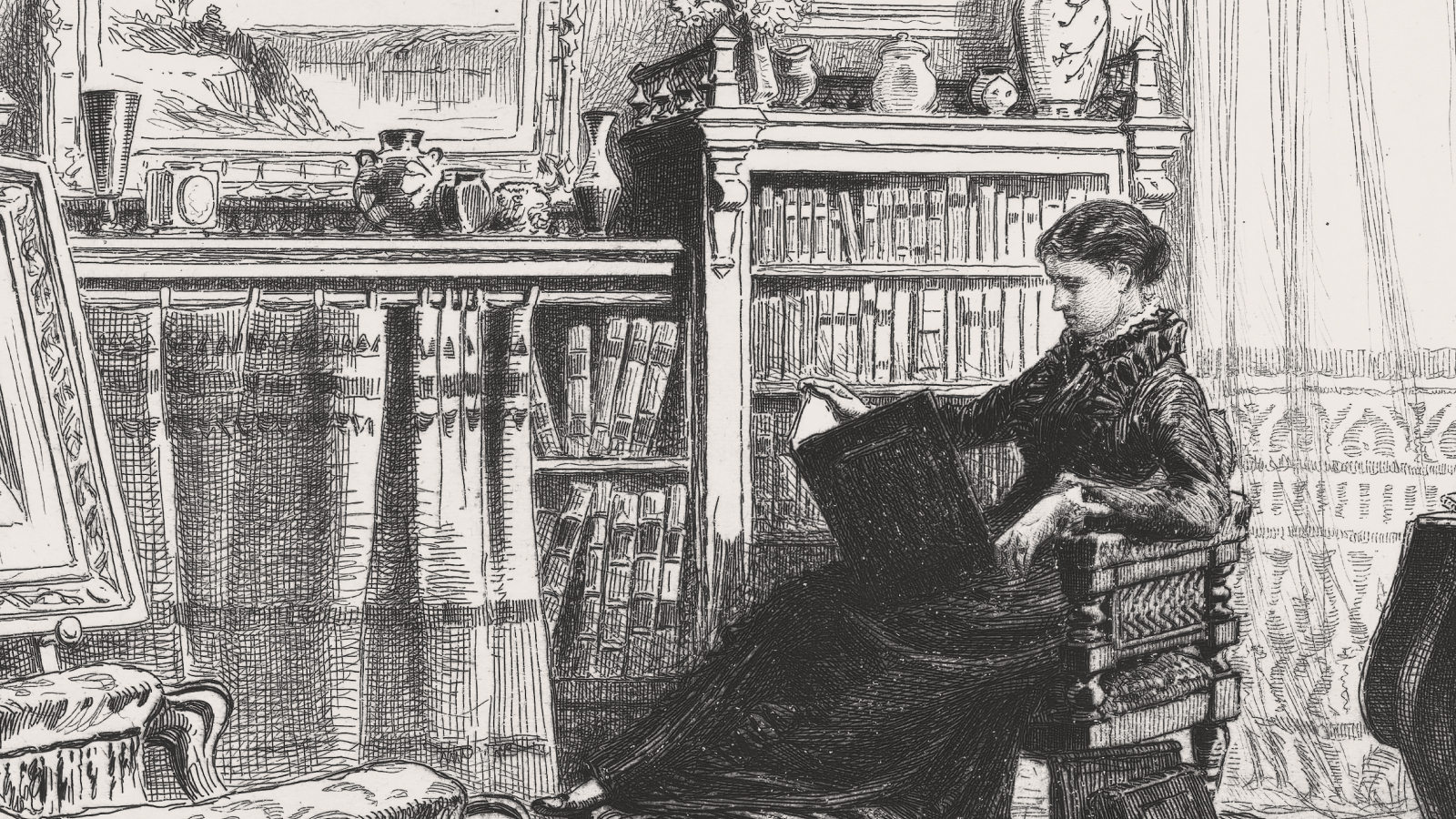
These short books offer insights and meditations on timeless themes, without the time commitment.
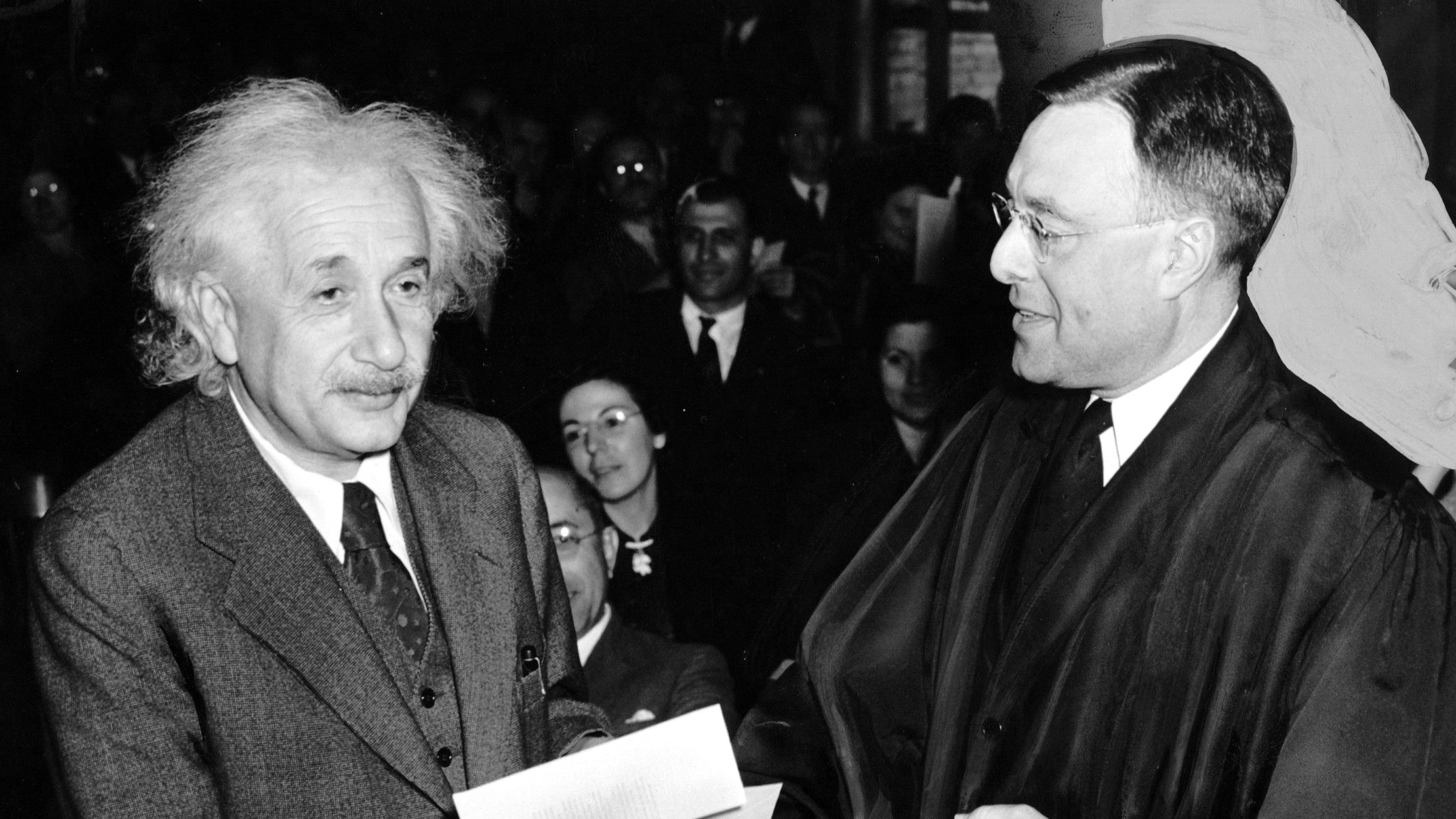
From Einstein to Twain, Garson O’Toole investigates the truth behind your favorite — and often misattributed — quotes.
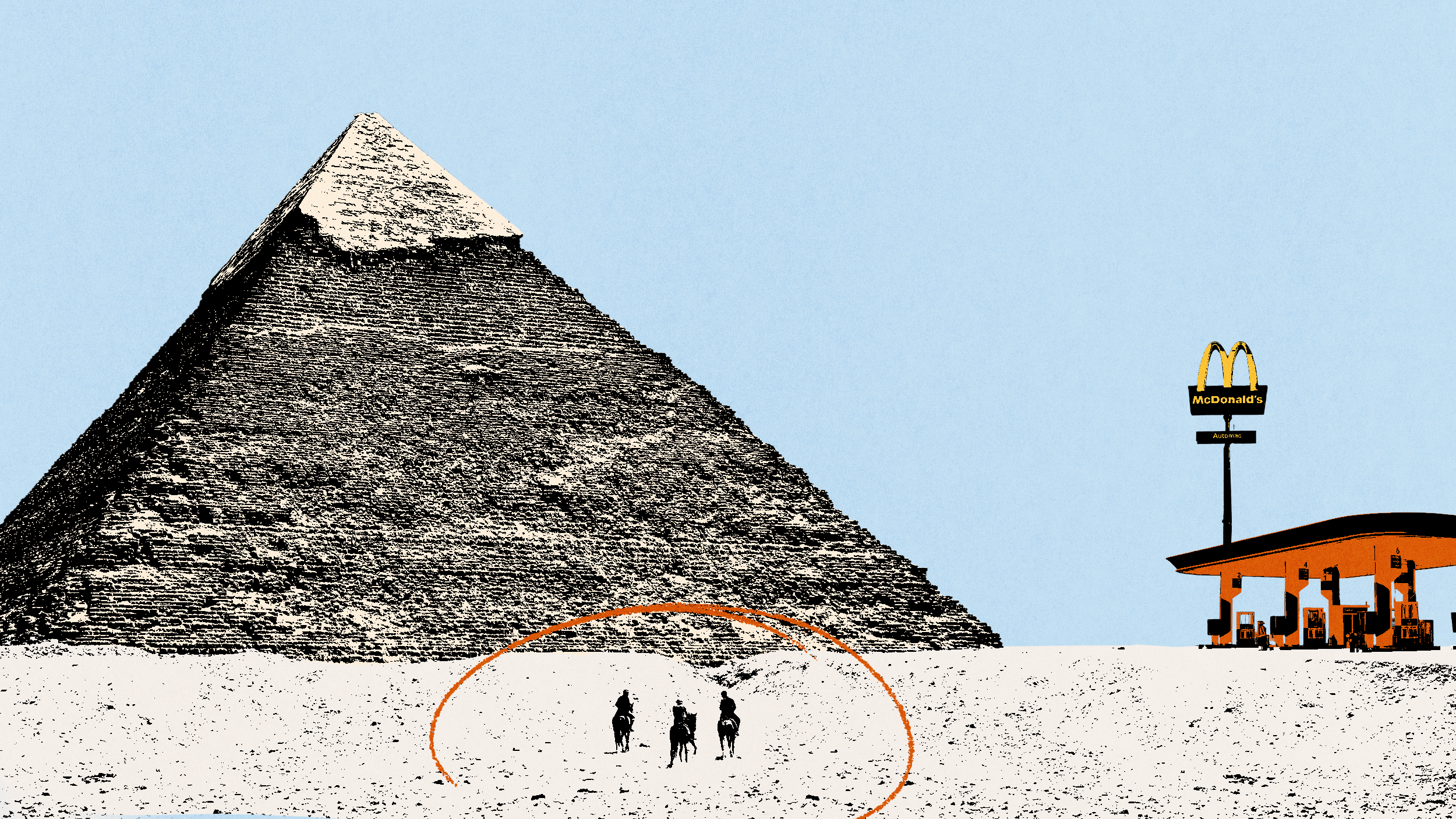
In “Dinner with King Tut,” Sam Kean examines how a burgeoning field is recreating ancient tasks to uncover historical truths.

Kathryn Harkup, chemist and author of V Is for Venom, joins Big Think to discuss why Christie isn’t just a brilliant writer but a unique science communicator.
With “Karla’s Choice,” Nick Harkaway had an impossible mission: maintain his father’s legacy while staying true to his voice.
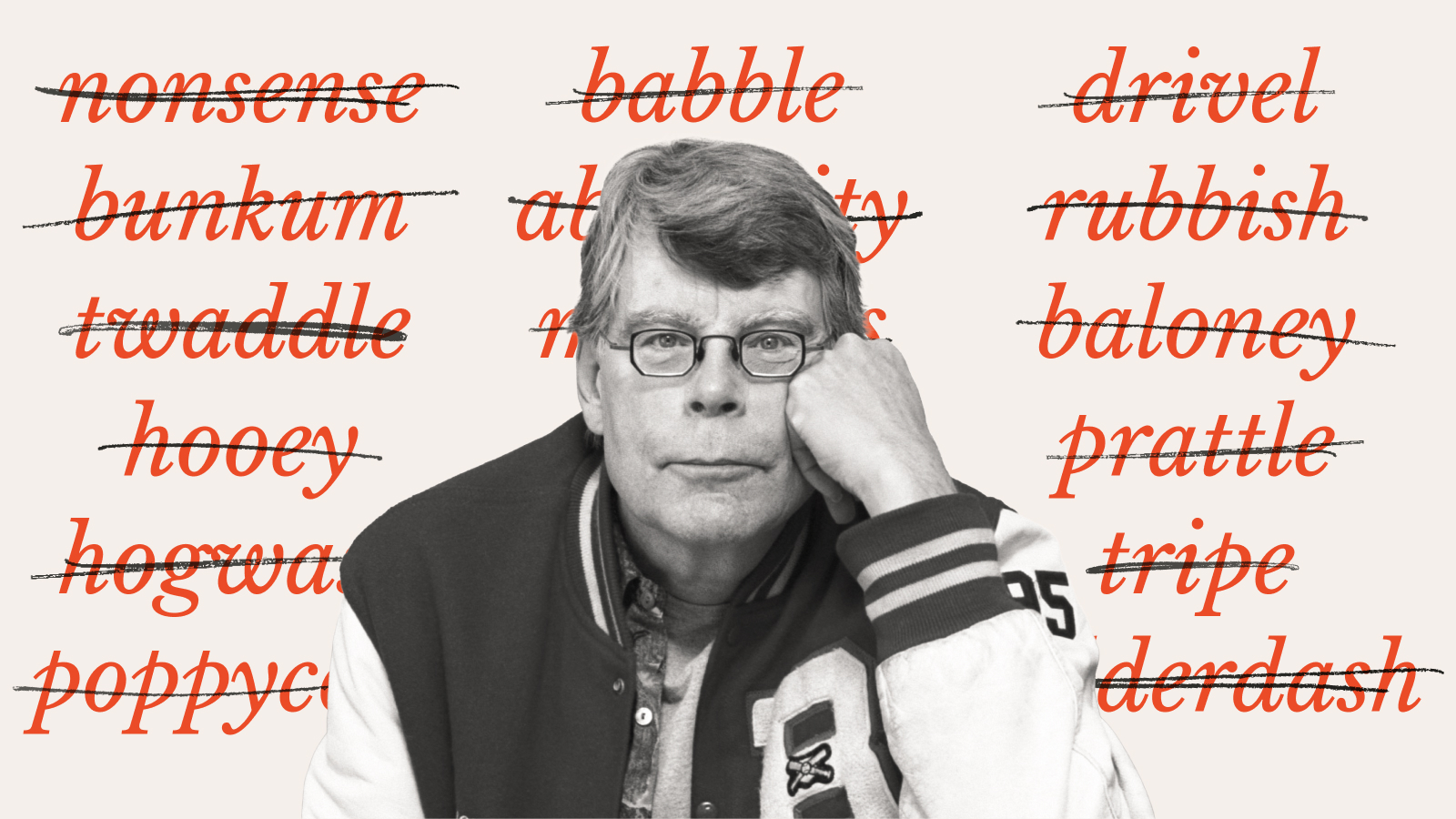
A thesaurus isn’t for finding fancy words; it’s a resource to help you keep your rhythm.
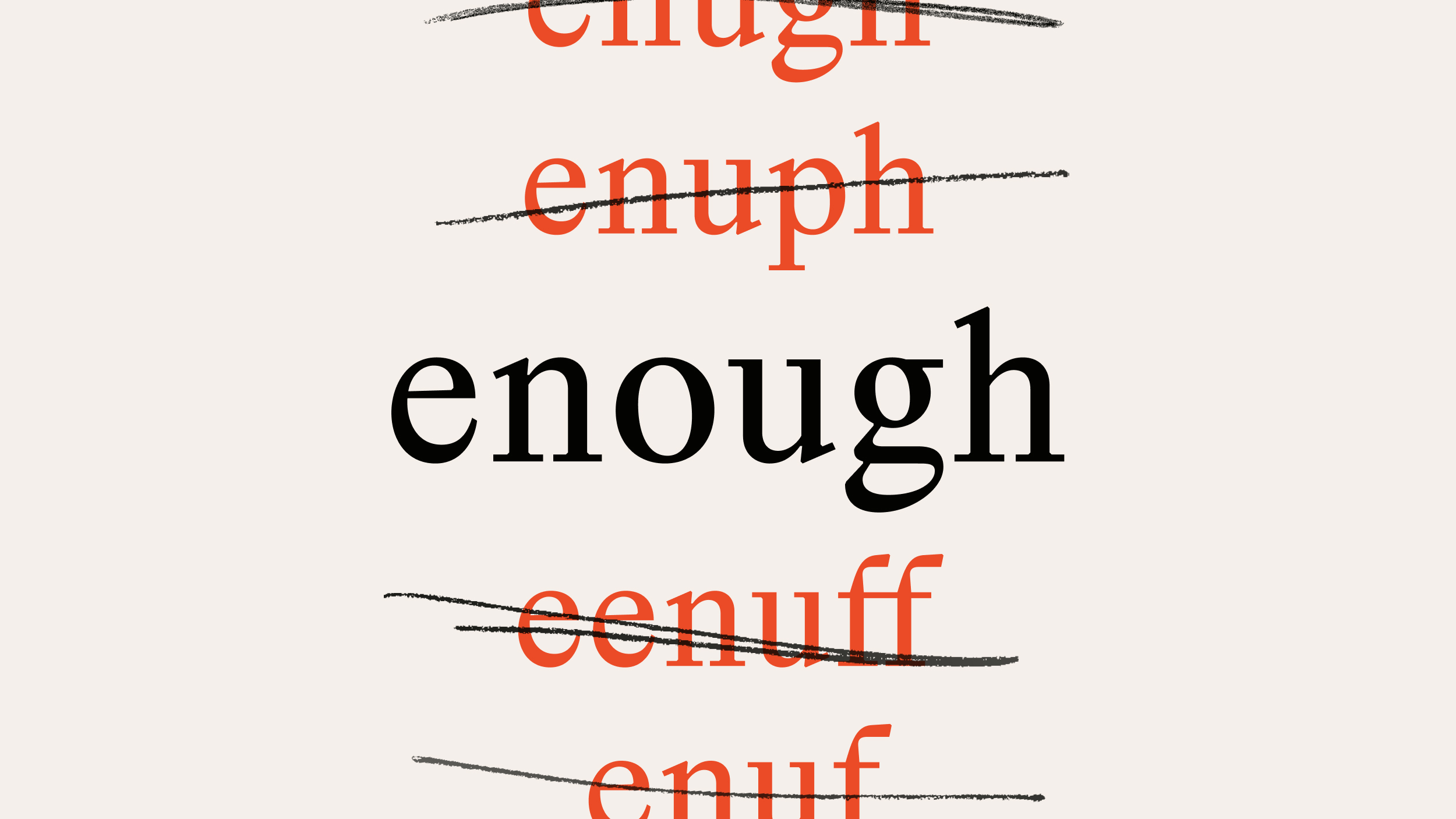
In “Enough Is Enuf,” Gabe Henry traces the history of simplified spelling movements and the lessons they teach us about language.
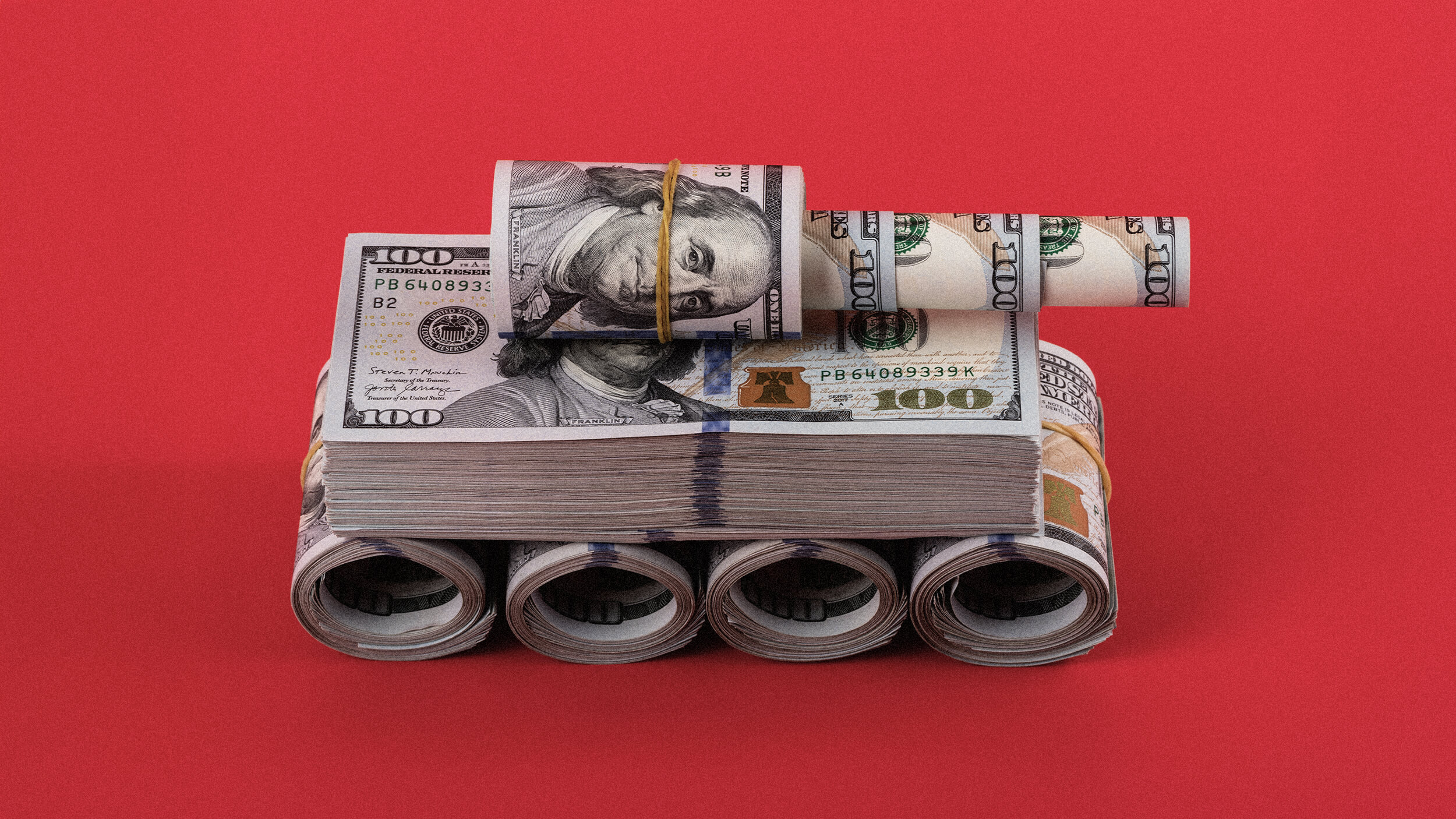
By weaponizing the global economy, the U.S. initiated a new era of economic warfare and transformed how major powers compete.
Ethan Kross, psychologist and author of “Shift,” explains how negative emotions help us live safely and well.
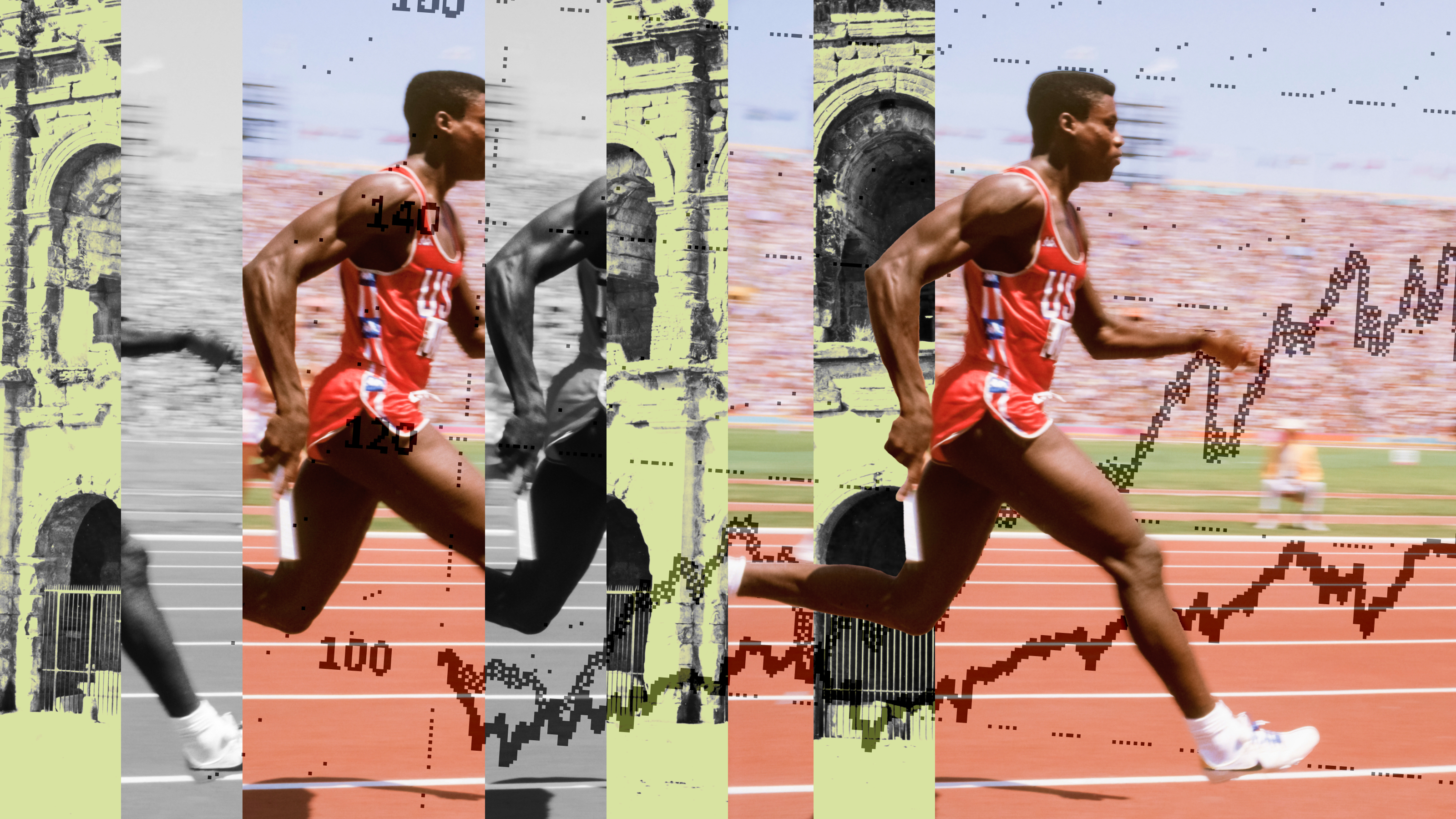
Performance psychology reveals the mental techniques elite athletes use to build and maintain their confidence.
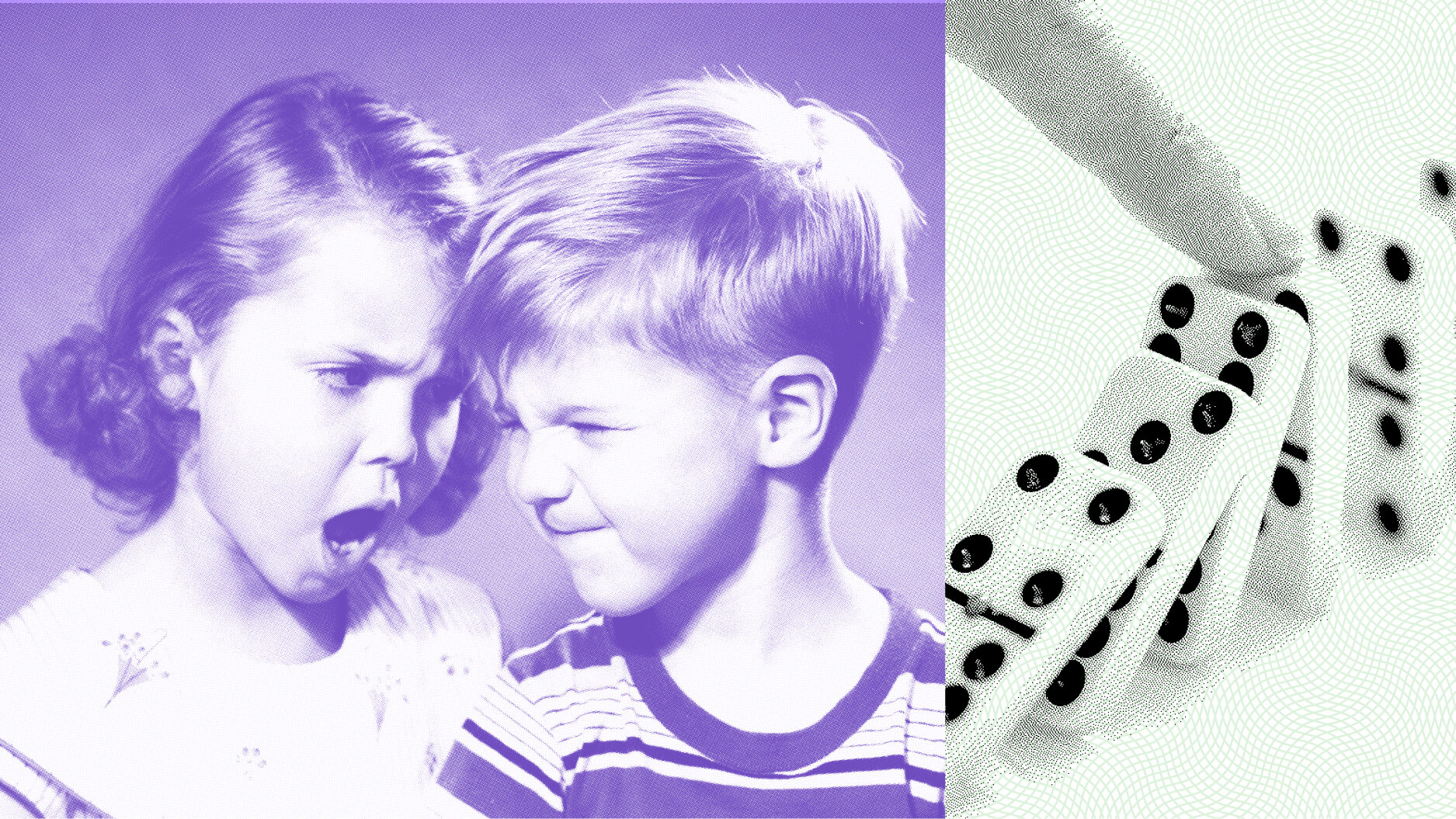
Sunita Sah hopes that by redefining defiance, we can build societies that allow people to live more authentic lives.

Caitlin Rivers wants to tell the story of epidemiology and the public health heroes who keep the world safe and healthy.
The cognitive scientist argues the current AI environment is failing us as consumers and a society. But it’s not too late to change course.
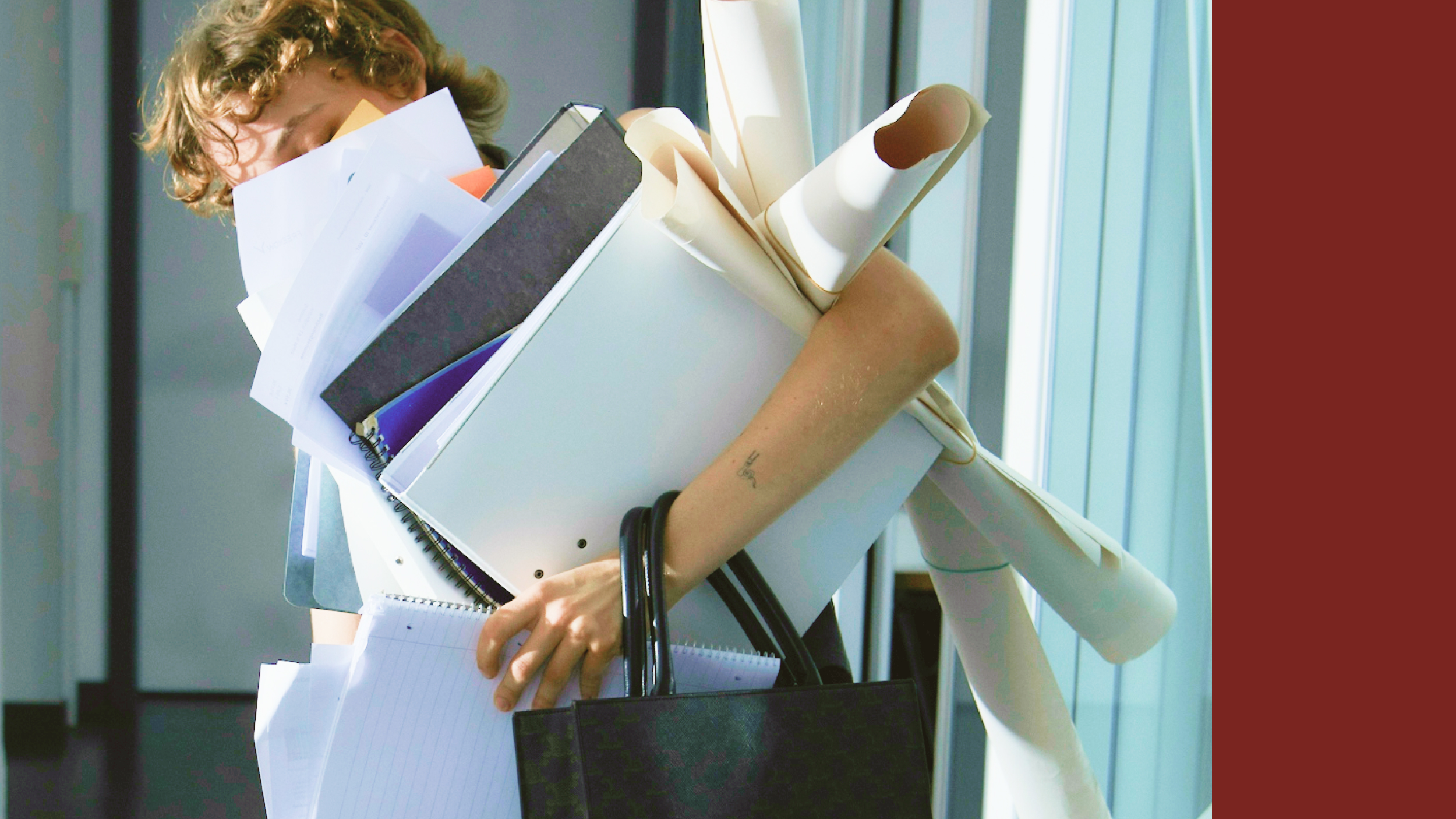
Psychotherapist Israa Nasir explains how a “value-aligned life” can help us crush our goals — without being crushed by the need to accomplish more.

Off-the-shelf consumer technology is helping people pursue their interests — and advancing science at the same time.

“The field is endless, but my life is limited, as are all of ours. But you do what you can with your time,” says CSO Mart Saarma.
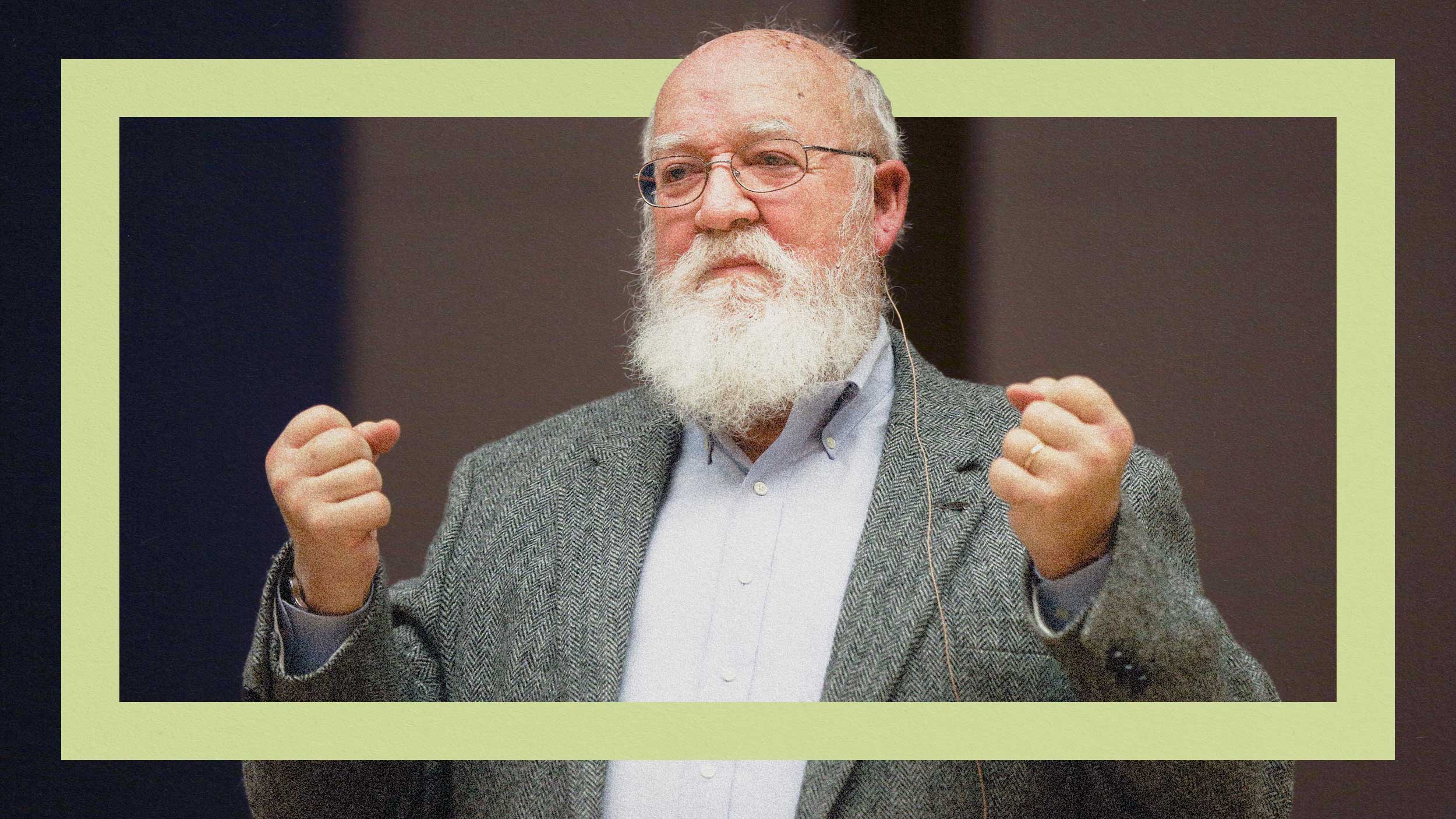
The late philosopher suggested adding a couple of “Occam’s heuristics” to your critical thinking toolbox.
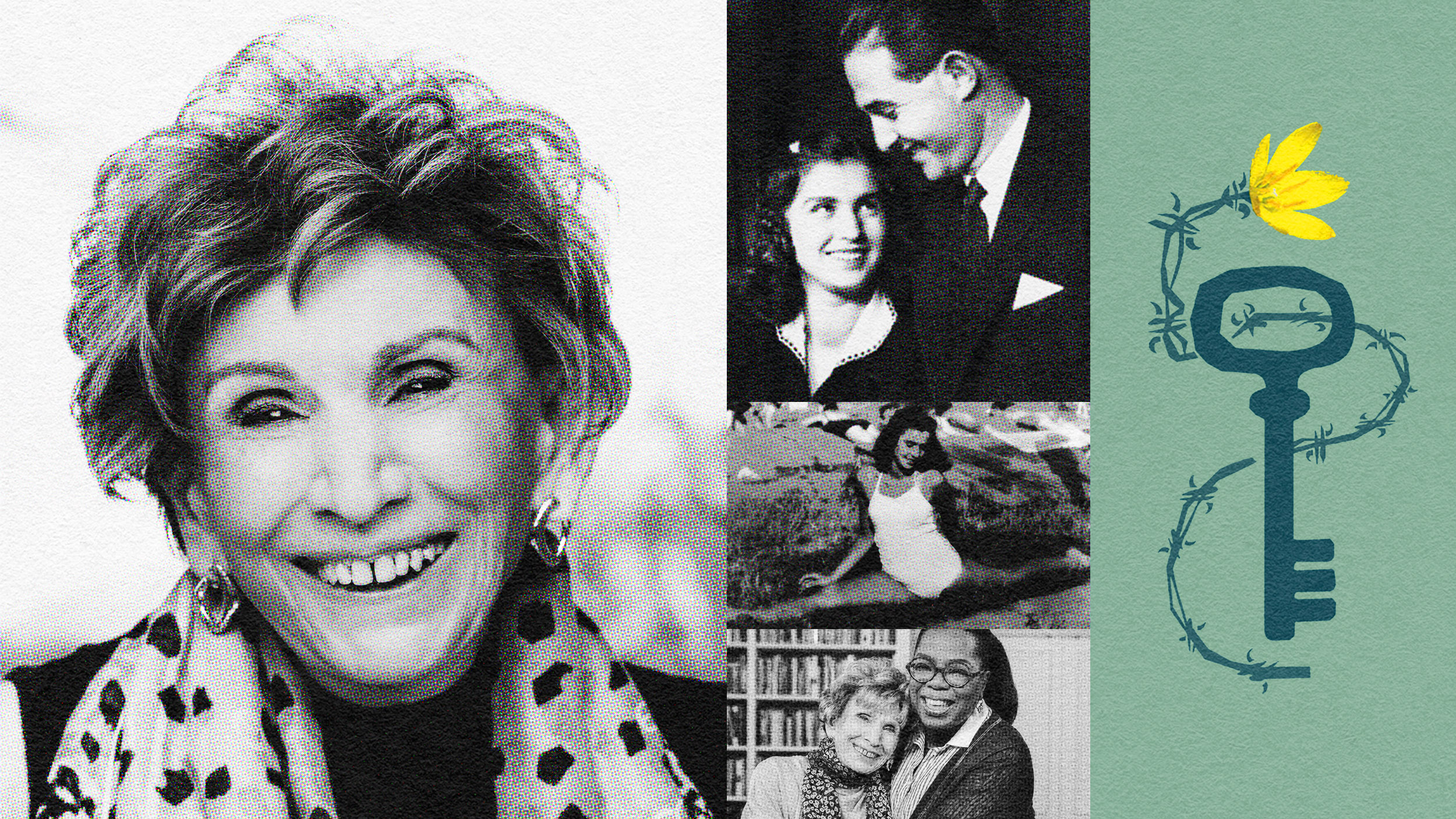
“I am free. It’s a lot of effort to be free from the prison that is in your mind, and the key is in your pocket.” – Edith Eva Eger
Man seeking meaningful relationship at the intersection of on-demand empathy and Rule 34.
To maintain momentum and flow, the great novelist Ernest Hemingway didn’t burn himself out — but learned when to put his work down.
It’s a problem on both sides of the political divide.