Search
Kevin Dickinson

Kevin Dickinson is a staff writer and columnist at Big Think. His writing focuses on the intersection between education, psychology, business, and science. He holds a master’s in English and writing, and his articles have appeared in Agenda, RealClearScience, and the Washington Post. Follow him on LinkedIn and Twitter @KevinRDickinson.
Read Less

Caitlin Rivers wants to tell the story of epidemiology and the public health heroes who keep the world safe and healthy.

The cognitive scientist argues the current AI environment is failing us as consumers and a society. But it’s not too late to change course.

Psychotherapist Israa Nasir explains how a “value-aligned life” can help us crush our goals — without being crushed by the need to accomplish more.

Off-the-shelf consumer technology is helping people pursue their interests — and advancing science at the same time.

“The field is endless, but my life is limited, as are all of ours. But you do what you can with your time,” says CSO Mart Saarma.
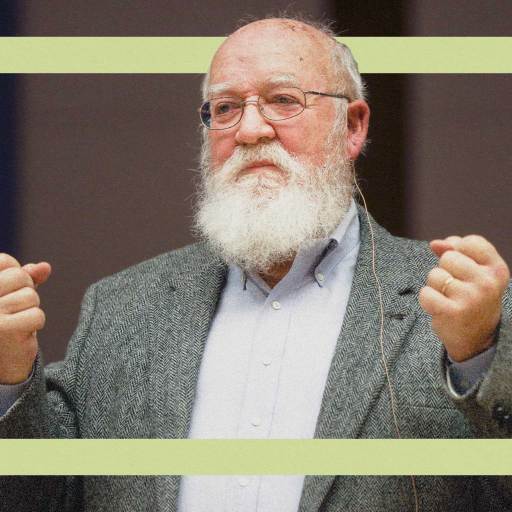
The late philosopher suggested adding a couple of “Occam’s heuristics” to your critical thinking toolbox.

"I am free. It's a lot of effort to be free from the prison that is in your mind, and the key is in your pocket." - Edith Eva Eger

Man seeking meaningful relationship at the intersection of on-demand empathy and Rule 34.
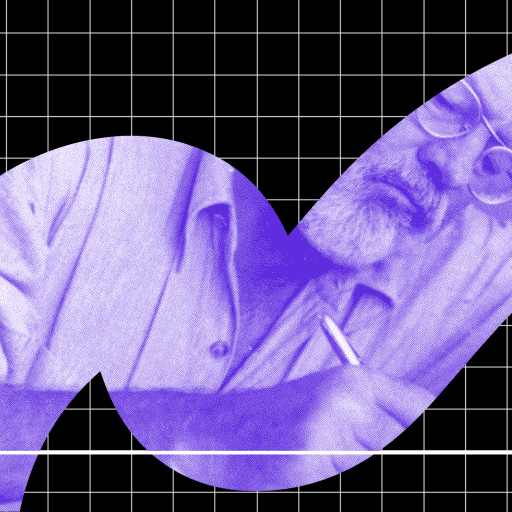
To maintain momentum and flow, the great novelist Ernest Hemingway didn’t burn himself out — but learned when to put his work down.
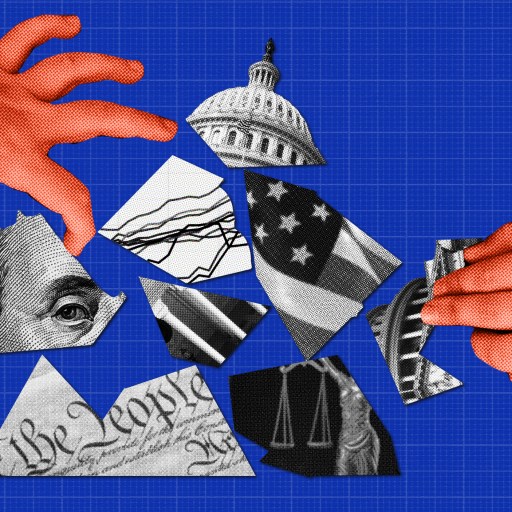
It's a problem on both sides of the political divide.

The digital world will always entail risks for teens, but that doesn’t mean parents aren’t without recourse.

Stanford psychologist Jamil Zaki discusses the dangers of cynicism and how skepticism can invigorate our relationships and communities.

A simple semantic device — invented by a forgotten senator — can help us break “the curse of knowledge.”

What are we supposed to do when experts look at the same data yet reach starkly different conclusions?

Hindsight can cloud our predictive abilities but big data can de-mist forecasting — now AI is sharpening that focus.
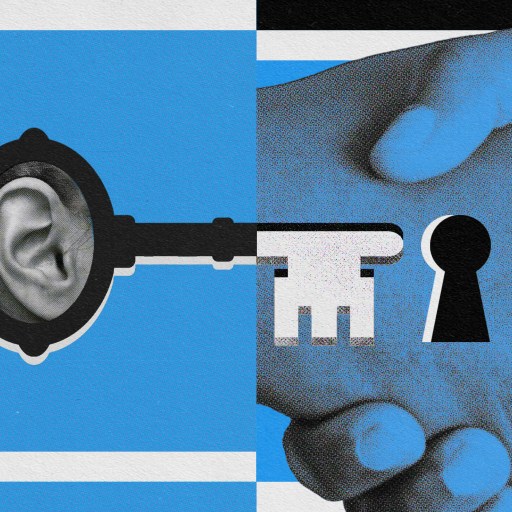
After almost a century in print, "How to Win Friends and Influence People" still has lessons to teach us.

Four startup founders explain how to derive lessons from the past while still looking ahead to what’s possible.

Have you ever noticed how many things you interact with but can’t name? So did we.
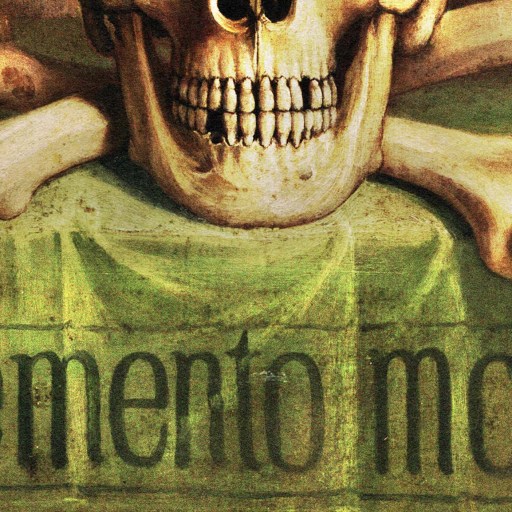
Executive coach Jodi Wellman explains how to “make it to the end with no regrets.”

Our desire for recognition at work can lead to perilous ends.