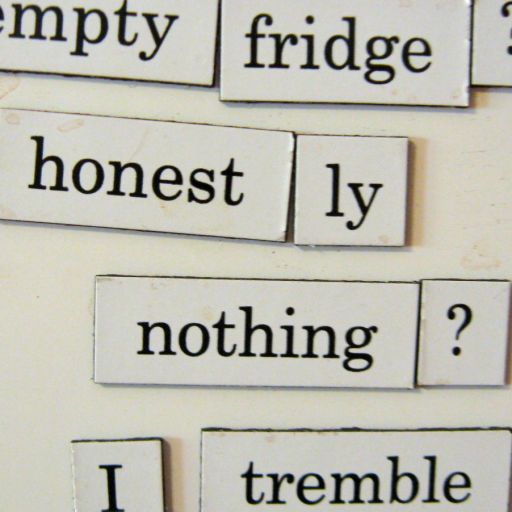
I’m hungry. I head to the fridge—but first, I shake my head and say mournfully to myself, there’s nothing to eat. I’m not looking forward to the process of choosing […]

A 5.8 earthquake hits the East Cost. New Yorkers quake. Californians laugh. Along comes a Category 1—no wait, tropical storm—hurricane. Now, not all New Yorkers are quaking; instead, while some […]

A few updates! First, Lessons from Sherlock Holmes is moving to a new home on Scientific American. So, Holmes fans can now read the column in a more continuous fashion. The […]

OMG. I better tweet this. Or post it on Facebook. Or click that oh-so-tempting like button. Maybe tumblr? Stumbleupon? Some other sharing service that I’m too slow to have noted, […]
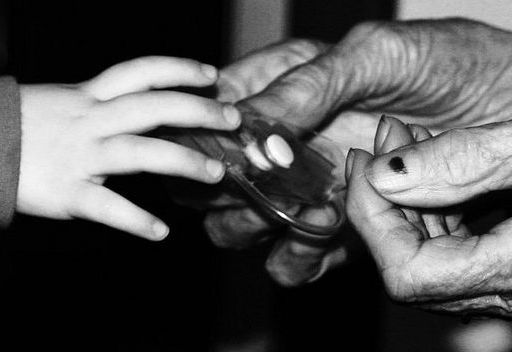
A recent article in the Wall Street Journal suggests that technology and, more specifically, time spent online might actually be helping people be friendlier, more empathetic, and in general, just […]

Pet owners are a unique breed. Even those that hadn’t wanted a pet often find themselves enthralled once they join the ranks of proud possessors of a furry (or not […]

It’s been raining and gloomy since Saturday night. I think the change of weather is nice. I don’t mind. But my brain does. And whether or not I know it, […]

Details are important, often crucial. But focus exclusively on the details, without taking a step back, and you run the risk of getting lost in minutiae – and more likely […]
Which would you rather have: an apple or a Kit-Kat bar? It’s not an easy question. The answer depends on many factors, including how hungry you are, how much you […]

The markets are a mess. That doesn’t mean you or your investment reactions should be. When everything is going well, it doesn’t take all that much for good investors to […]

When researchers asked runners to repeat a specific phrase in their heads, like "push," the runners performed substantially better than they had prior to the intervention.
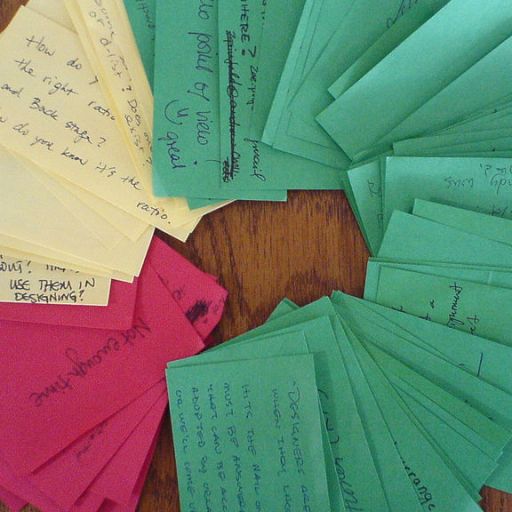
Thanks to everyone who responded to last week’s request for thoughts on the Sherlock Holmes series that has taken up the blog for the last few weeks. I was surprised […]

Today, we say goodbye to Sherlock Holmes (for the rest of the series, on the importance of true observation, seeing what isn’t there and not just what is, and preventing […]

Today’s lesson from Sherlock Holmes deals with learning to cull and to cultivate knowledge in such a way that your decision process will be optimized for the question at hand, […]
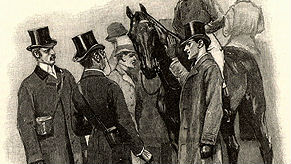
Pay attention to what isn’t there, not just what is. Absence is just as important and just as telling as presence.
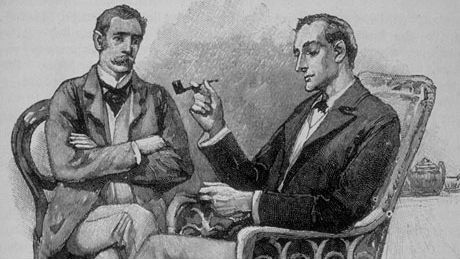
What it means to go beyond seeing and to actually observe.

The Asch effect has been replicated successfully numerous times, in a variety of contexts, and each time, peer pressure glows strong.

A recent study shows that the decision to have children, and especially to have them early, is a factor that contributes to women's educational attainment.
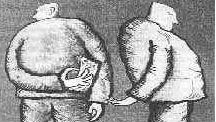
How does someone decide whether or not to offer a bribe? While there is a general consensus that bribery is not exactly the most moral act in the world, the […]

Self-control: we could all use more of it. Even those of us who are best at exercising self-control on a daily basis have so-called hot triggers, the special circumstances that would make us, too, lose our cool and start to behave less than rationally.