Search
Paul Ratner
Contributing Writer
Paul is a writer, filmmaker, and educator. He has written for years for Big Think and other outlets on transformative scientific research, history, and current events. His award-winning films like the true-life adventure "Moses on the Mesa" and the science documentary "The Caveman of Atomic City" have played at film festivals around the world. Paul also organizes numerous unique educational events, renowned film festivals, and competitions for thousands of people. He has degrees from Cornell University (BA) and Chapman University (MFA). You can follow Paul's work at paulratnerimagines.com, on Instagram, and Facebook.
Read Less

Some within the autism community take issue with seeing autistic people as having a disorder, decrying the "cure culture".

Researchers find that a compound within marijuana may potentially protect from the onset of Alzheimer's disease.

A new study links one of the world's most popular painkillers to an increase in autism spectrum and hyperactivity symptoms.

A list debunking commonly believed falsehoods, misconceptions and just bad ideas.

An expansive new study makes clear the extent of the problem and the importance of parents in avoiding teen drug use.

Neil deGrasse Tyson proposed an ideal form of government and caused a viral debate.

A new study highlights the new ethical dilemmas caused by the rise of robotic and autonomous technology, like self-driving cars.

Their thoughts were more complex than either side of the gun control / gun rights issue acknowledges.
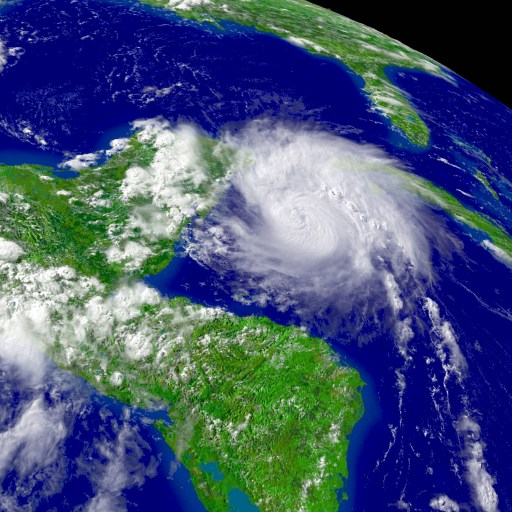
Researchers discover the source of a remarkably strange sound coming from the Caribbean.

Around the world, people are embracing minimalism as a lifestyle, focusing less on owning things.

These are some of the strangest, most mysterious books ever written.

As horrific as the Orlando Massacre was, we must not forget the Wounded Knee Massacre, the single worst mass shooting in U.S. history.

A number of scientific studies find the traits shared by intelligent people.

A report by a team of scientists highlights the dangers of "gene drive" technology that can eliminate unwanted species.
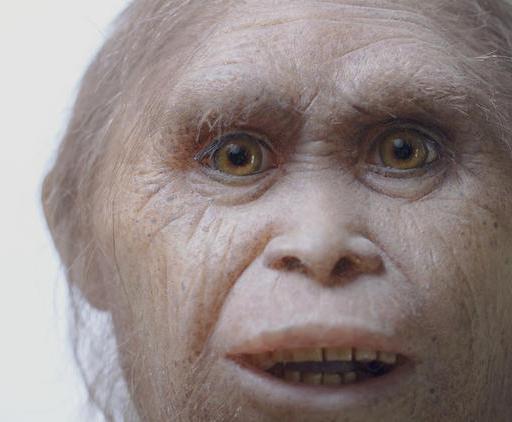
New studies shed light on a species of half-size humans who lived in Indonesia 700,000 years ago.

Norway, Europe's largest petroleum producer, makes an unprecedented commitment to green energy.
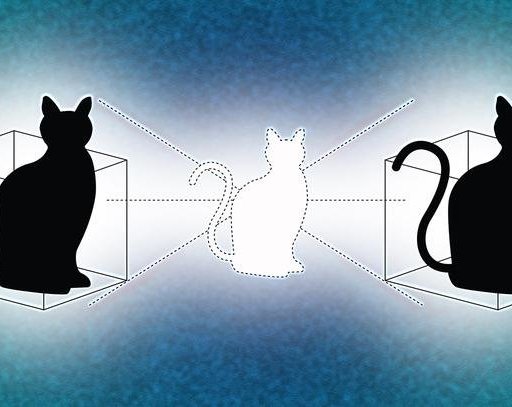
Yale researchers create a groundbreaking device that utilizes two key concepts in quantum physics.

Technically, the knife's metal had extraterrestrial origins.

A new study raises troubling questions about the use of commonly prescribed opioid painkillers.

In Japan, kawaii, the love of cuteness, is both culture and science, and it's taking over the world.