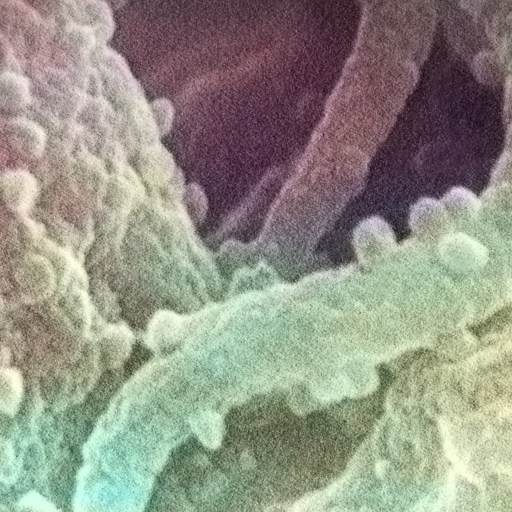
People with higher immune resilience live longer, resist diseases, and are more likely to survive diseases when they do develop.
Cancer cells hoard iron in unusually high quantities. Scientists have discovered how to leverage this to create safer cancer drugs.
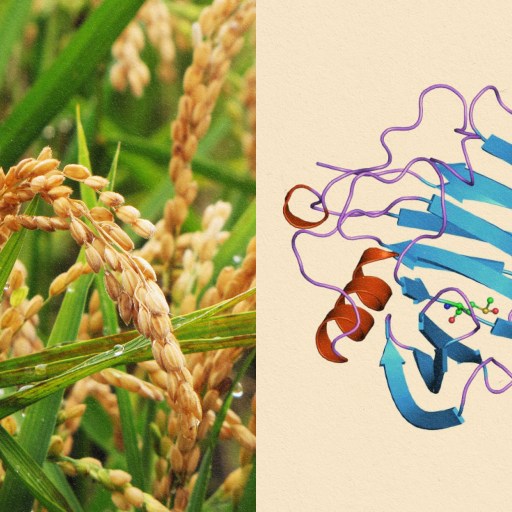
The technology could yield "made-to-order resistance genes" to protect crops against pathogens and pests.
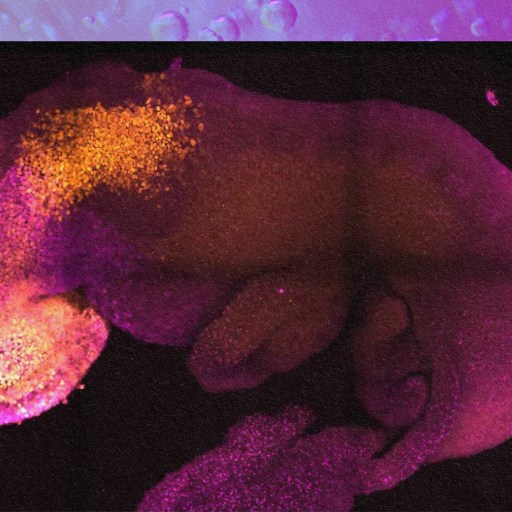
Someday, scientists could use stem cells to guide the development of synthetic organs for patients awaiting transplants.
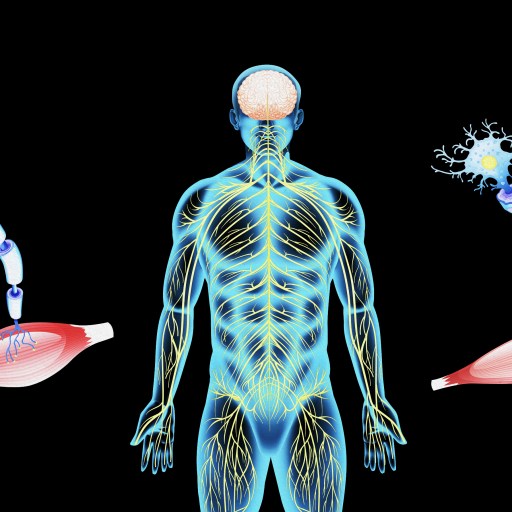
"Domesticated viral genes" may not be domesticated as scientists thought.
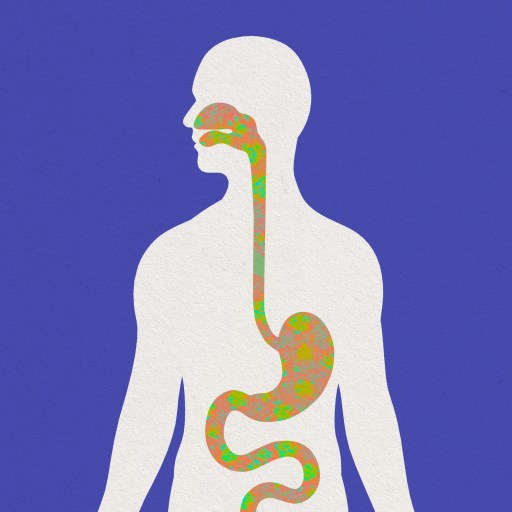
A secret to a long, healthy life may lie in the diversity of gut viruses, which can supercharge bacterial metabolism and resist disease.

It’s safe to use your face cream, as long as you aren’t eating it.
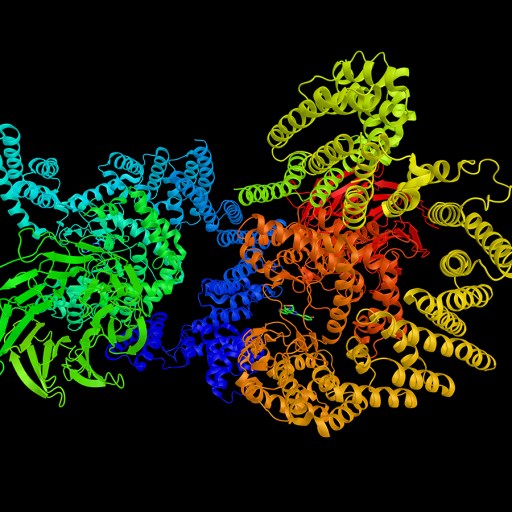
Rapamycin is potentially the most powerful anti-aging drug ever discovered. However, due to its unlucky history, few know of it.
The study was small and didn't include a placebo group, but there is reason to believe that the drugs really do work.
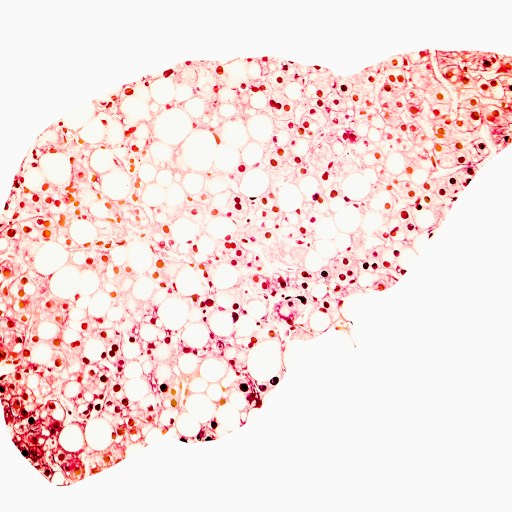
Scientists are still figuring out why tirzepatide causes weight loss. One theory is that they “accidentally” created a new hormone.
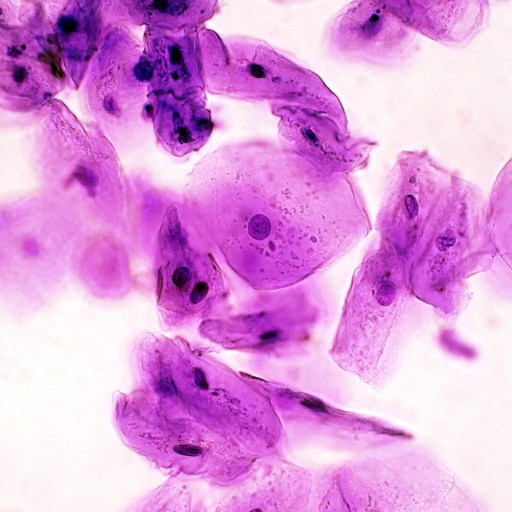
Gum disease begins in the mouth but spreads to the joints. Rheumatoid arthritis is just one of several diseases linked to poor oral health.
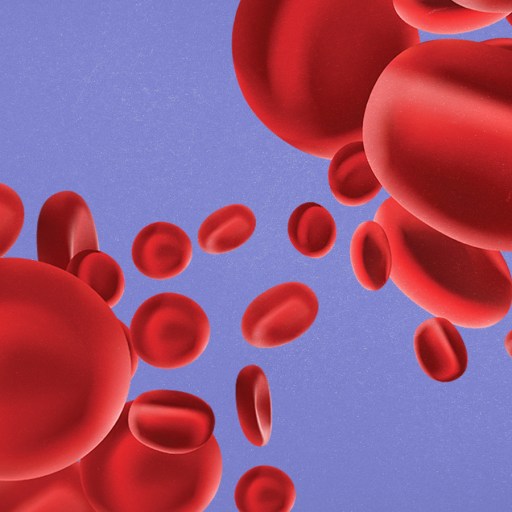
New blood types are regularly discovered by an unusual absence or an unusual presence — both of which can result in tragedy.

Pathogenic, self-propagating proteins called prions found in the brains of people with Alzheimer's are also found in Down syndrome patients.

Mycobacterium leprae, the bacteria that cause leprosy, have the surprising ability to grow and reverse aging in armadillo livers.
The potential new drug is in a class of its own, as it works differently than any other antidepressant on the market.
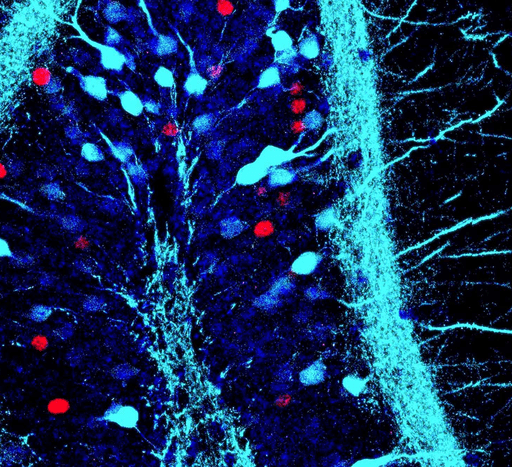
This opens the door to manipulating networks of specific neurons.
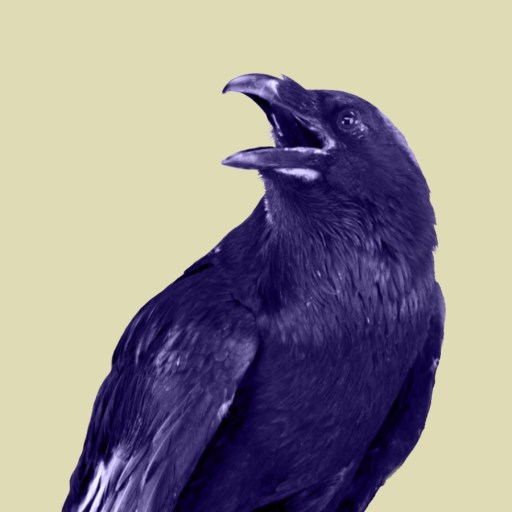
Inspired by the shape of a New Caledonian crow’s beak, researchers created a new 3D-printed prototype of tweezers.

Oxytocin can boost heart cells' ability to regenerate.

Based on product labeling claims, scientists hypothesized that green cleaners were less toxic. They were wrong.
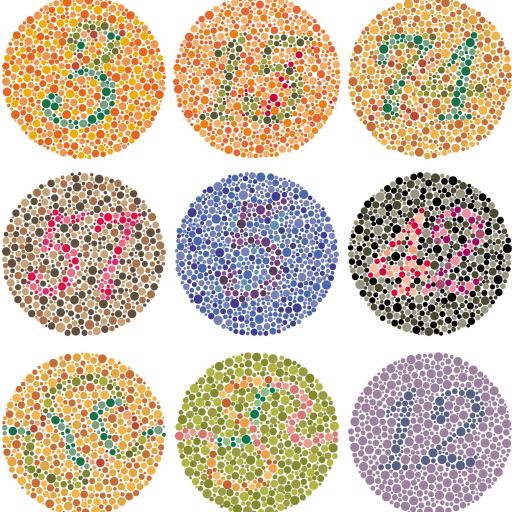
The researchers and patients are excited to see if color vision will develop over time.