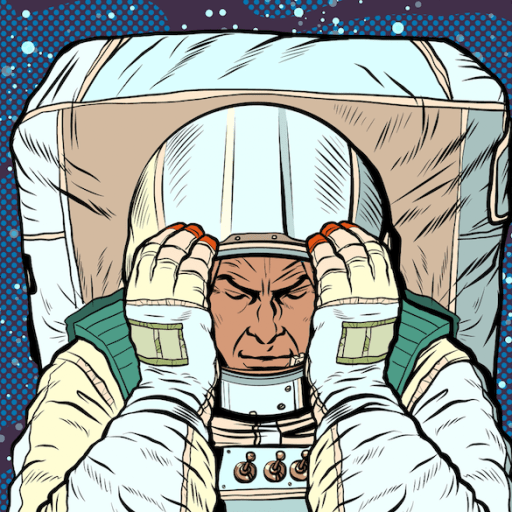
Data from NASA, ESA, and Roscosmos suggest that long durations in space cause changes in the brain, some of which are linked to vision problems.
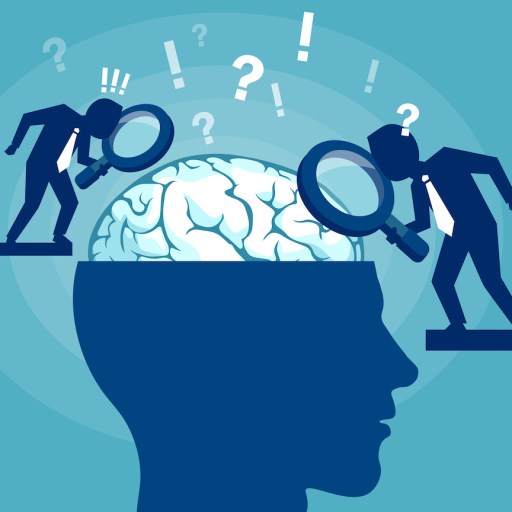
Protein fibrils accumulate in the brain during neurodegeneration. Cryo-electron microscopy has now uncovered fibrils of an unexpected protein.
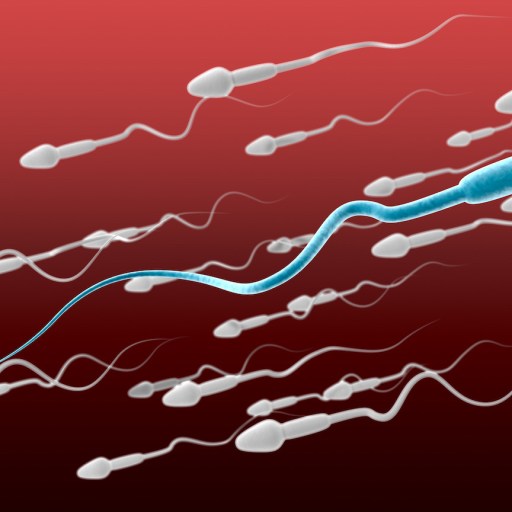
A new, easy-to-use, $5-device helps address male infertility. It isolates healthy sperm cells based on their natural behavior.
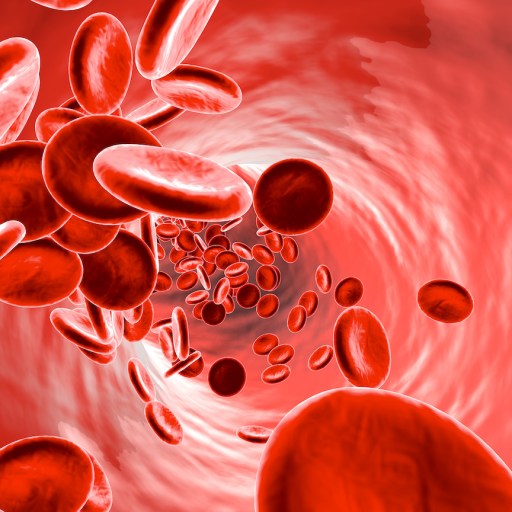
Intracellular bacteria promote cancer metastasis by enhancing the tumor cells' resistance to mechanical stress in the bloodstream

Overwashing is bad for skin health, but many people do it anyway. One reason is that our brains intimately associate stink with disgust.

The results of a recent study found that genetically engineering cats could be a solution to eliminating cat allergies.
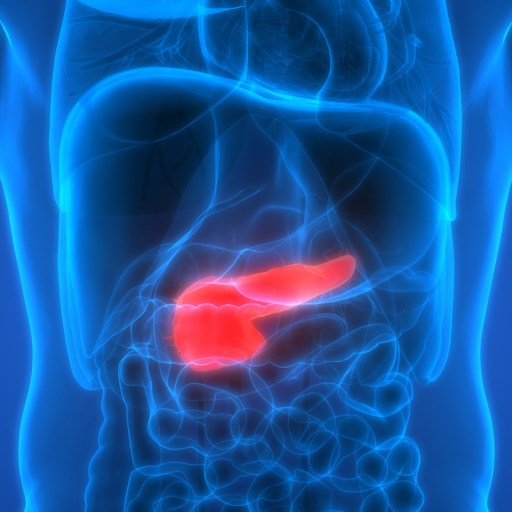
If future studies prove it to be successful, this technique for the early detection of pancreatic cancer could save thousands of lives.
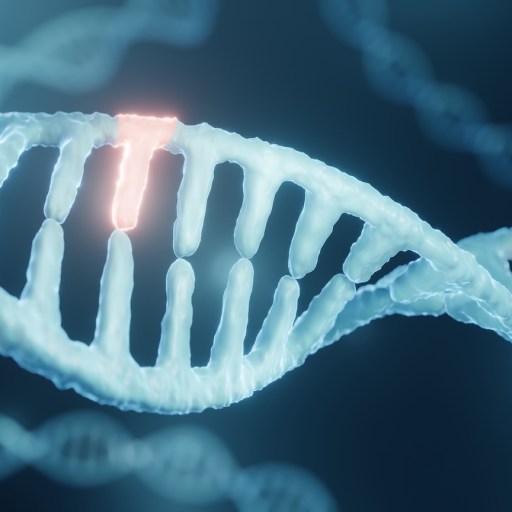
Mutations that confer malaria resistance occur more frequently in people who live in regions where the disease is endemic.
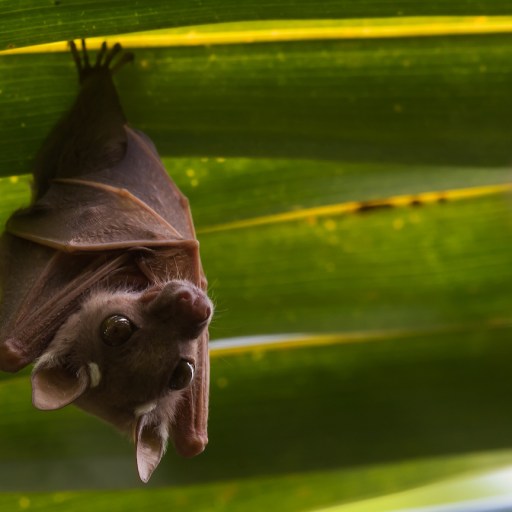
More than 200 years ago, scientists tried to figure out how bats navigate in the dark (or without eyes). This set in motion a series of events that led to the development of ultrasound as a form of psychotherapy.

Anesthesia causes animals and humans to lose consciousness. A study found it has a similar effect on Venus flytraps.

Scientists find two 30-second techniques that prevent dizziness upon standing.
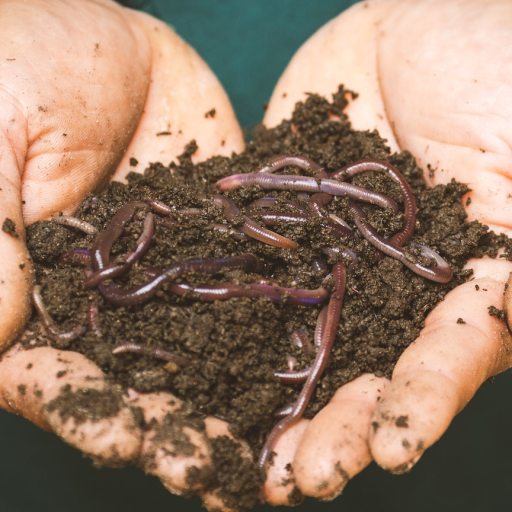
Salk scientists studied complex decision-making capabilities in a worm with just 302 neurons and a mouth full of teeth. It's smarter than you would think.
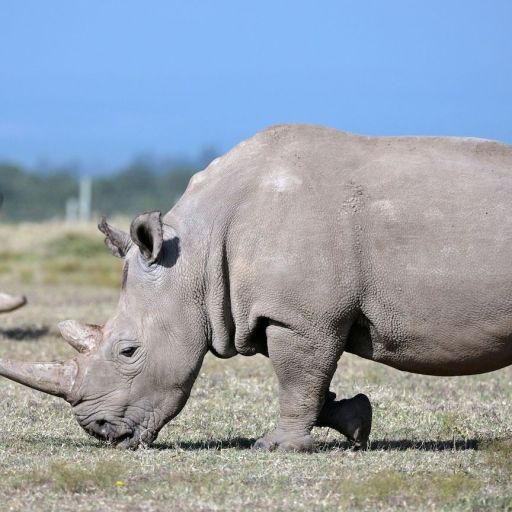
Scientists at the San Diego Zoo are on a mission to resurrect the extinct northern white rhino.
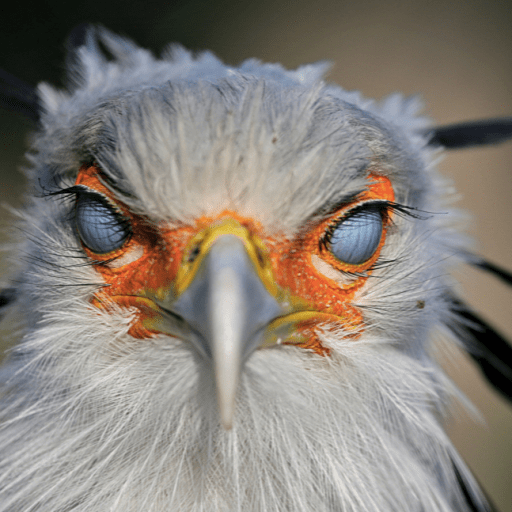
Head direction cells act like internal compasses to help the birds navigate during long flights.
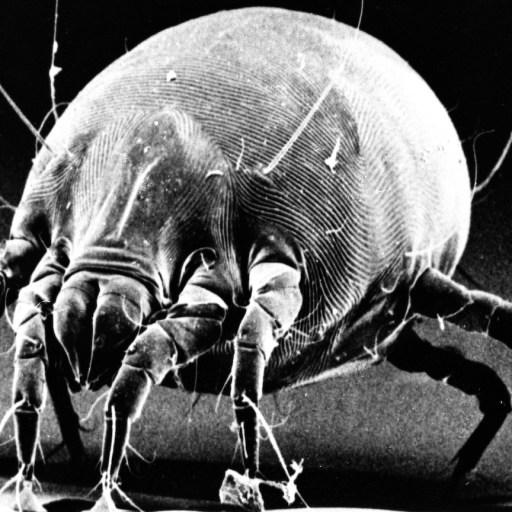
The good news is that scientists have found a new way to treat eczema. The bad news is that it's drinkable dust mite extract.

The dark genome makes up 98% of human DNA. Scientists are just beginning to understand its role in cognitive disorders.
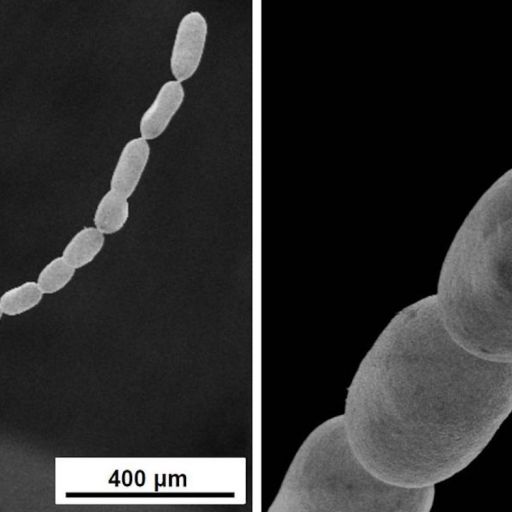
A gigantic bacterium evolved differently than fundamental models of biology would have predicted. Simply put, these bacteria shouldn't exist.

Human organs don't always show up where doctors expect.
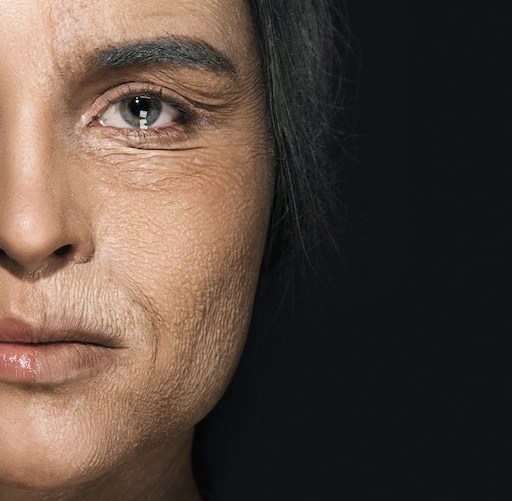
Altos Labs, a new biotech firm with $3 billion in funding, has announced plans to combat aging. But what does that mean for human life span, exactly?
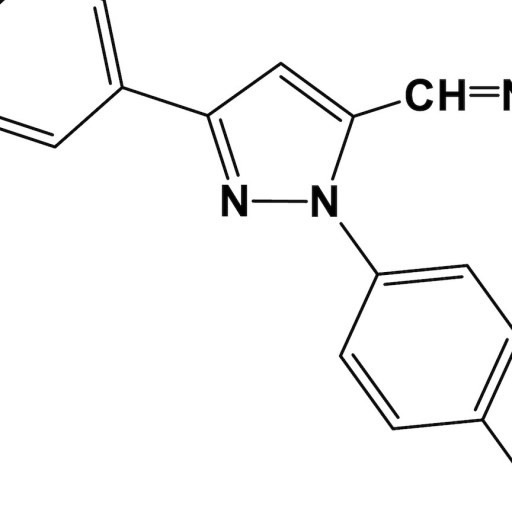
Painkillers have nasty side effects, such as organ damage or addiction. Researchers have discovered a new drug that may cause none of these.