Search
Scotty Hendricks
Contributing Writer

Scotty Hendricks is a graduate student and long-time contributor to Big Think. He resides in Chicago.
Read Less
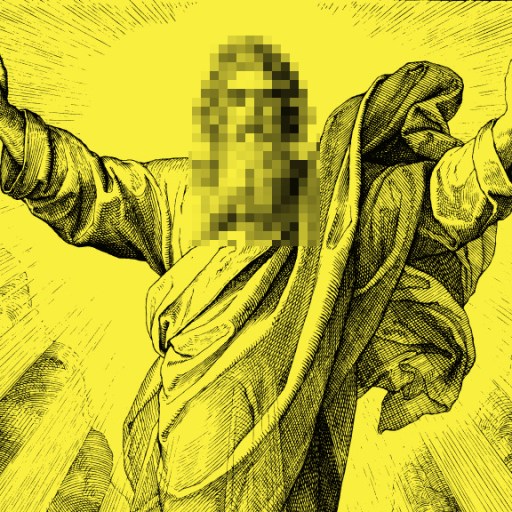
Is God an old white guy with a majestic, flowing beard? A new study has a surprise for you.

The Fermi paradox asks us where all the aliens are if the cosmos should be filled with them. The Dark Forest theory says we should pray we never find them.

The West has been doing well scientifically for a few hundred years now, but it took almost a thousand years for it to catch up to the Middle East. Here are ten of the biggest discoveries the Islamic world got first.

If the universe is teeming with life, where is everybody? If this physicist is correct, they have one foot in their graves.

Who needs a hole in the head? As it turns out, lots of people in ancient hospitals did. Why was one society so good at keeping people alive after it opened up their skulls?
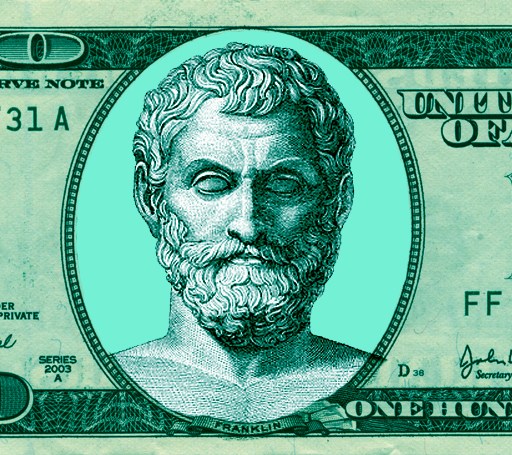
How much money does it take to be happy? How much is too much? These philosophers have a lot to say about money and how it relates to the good life.
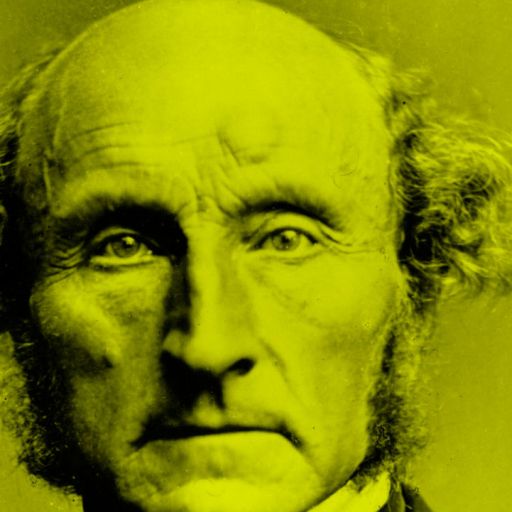
We often support ideas without knowing quite why. John Stuart Mill reminds us why capitalism can be great for us and why we should be wary of state power.
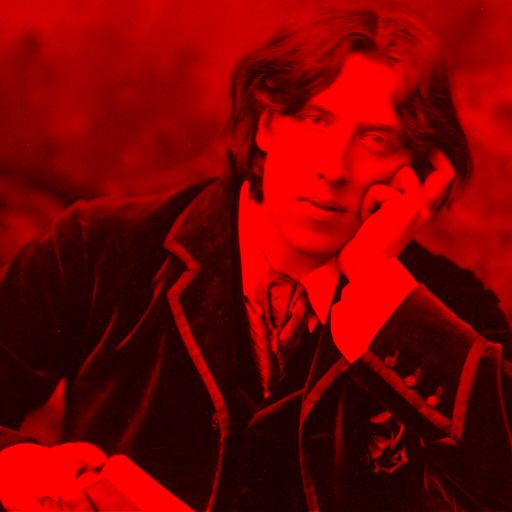
Was Oscar Wilde—witty author, gay rights icon, and lover of champagne and material beauty—a radical socialist?

Artificial intelligence will soon be powerful enough to operate autonomously, how should we tell it to act? What kind of ethics should we teach it?

Logical fallacies will be everywhere this election season. Here's how to find the bad arguments and beat them.

The United Kingdom has announced their intention to spend millions on a new AI system that promises to save thousands of lives a year, but at what opportunity cost?

Authoritarian regimes have had a long history of targeting intellectuals who don’t agree with them. What kind of people get deported? We have a list of ten people whose work got them shipped out of Russia.
Artificial intelligence and automation stand poised to put millions out of work and make inequality even more pronounced. Is it possible to solve one problem with another?

Why do we work for five days and then take two days off? The answer might surprise you.
Want to learn about philosophy but don't know where to begin? We can help.
The Matthew effect or Price's law shows us how inequality can be a fact of nature. What does this mean for our debate on inequality in our society?

You've heard of the big Greek philosophers. Now, read about the ones who inspired them.

VR technology shows no signs of slowing down. We need to start asking the question of how we deal with those of us who become addicted to the wonders VR offers.

The number of non-religious Americans has reached unprecedented heights. Are the most religious Americans to blame?

We all want to help our children learn and a new study shows that encouraging curiosity might be the best way to do it.