Search
Scotty Hendricks
Contributing Writer

Scotty Hendricks is a graduate student and long-time contributor to Big Think. He resides in Chicago.
Read Less
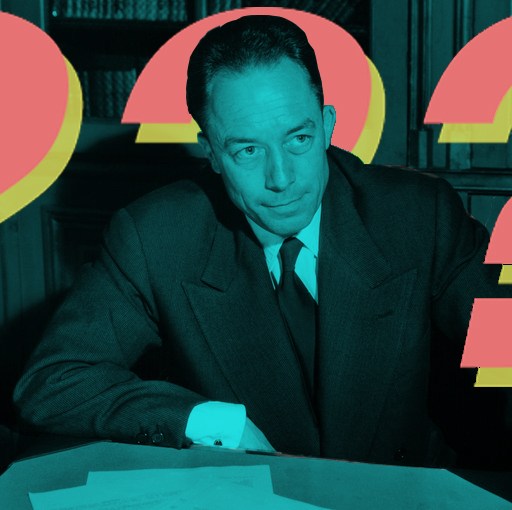
Albert Camus was a Franco-Algerian philosopher with some great insights on the meaning of life, why you should look to this life and not the next, and why suicide is a poor choice.
Take a trip through these master-crafted fantasy societies and ask yourself: Could I actually live there?

Would you want to live in any of these places?

Though ultimately incorrect, the ancient Greek philosophers blazed a conceptual trail for humankind to understand the nature of reality.

From "Thompson's violinist" to the "Experience Machine," these thought experiments will throw your mind for a loop.

Take a closer look at the different types of reasoning you use every day.

Most philosophers merely contemplate the world, but what about the ones who actually tried to change it?

Despite being called the "dismal science," economics impacts our lives every day. Here, we look at seven of the greatest economists in history.

Philosopher Slavoj Žižek argues that we often don't truly want to obtain what we think we desire.

Zen masters often have strikingly different ideas about how to live and attain enlightenment.


Add these great titles to your wish list or secure copies for yourself.

From Aristotle's lazy cosmology to Immanuel Kant's "scientific" racism, great minds are not immune to very bad ideas.

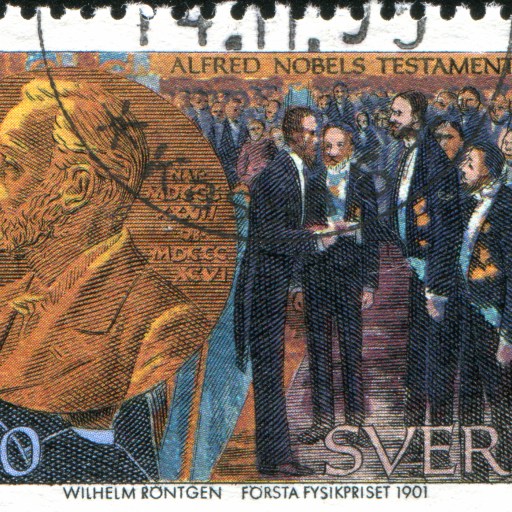
One award was for a medical procedure that incapacitated thousands of people.

Literature's first utopia shows how far we've come.
From Ramses II to Alexander the Great, these leaders helped shaped the world we know today.

The minimum wage is a popular policy, but it's not the only way governments have tried to help workers secure a decent living.

While becoming a monk is an evolutionary dead end for the individual, celibacy reaps benefits for the group as a whole.

A new study shows that political partisans are more likely to remember things that didn't happen — as long as it fits their narrative.