Search
Scotty Hendricks
Contributing Writer

Scotty Hendricks is a graduate student and long-time contributor to Big Think. He resides in Chicago.
Read Less

Dealing with rudeness can nudge you toward cognitive errors.

The Black Death wasn't the only plague in the 1300s.

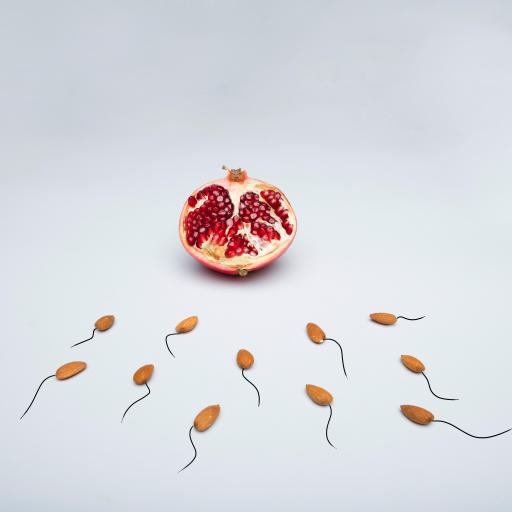
A new study suggests that reports of the impending infertility of the human male are greatly exaggerated.

Information economics suggests that "no news" means somebody is hiding something. But people are bad at noticing that.

A lithium imbalance appears linked to suicide.

Life finds a way — in this case, by smelling like death.

Dreams are weird. According to a new theory, that's what makes them useful.

Ever lose track of time while doing something? It gets worse with a VR headset on.

The way you speak might reveal a lot about you, such as your willingness to engage in casual sex.

As bad as this sounds, a new essay suggests that we live in a surprisingly egalitarian age.

Our love-hate relationship with browser tabs drives all of us crazy. There is a solution.

A new study suggests that private prisons hold prisoners for a longer period of time, wasting the cost savings that private prisons are supposed to provide over public ones.

Dunbar's number is a popular estimate for the maximum size of social groups. But new research suggests that it's a fictitious number based on flimsy data and bad theory.


New research suggests that there is no "typical" form of Alzheimer's disease, as the condition can manifest in at least four different ways.

For every good idea in evolution, there is an unintended consequence. Disease is often one of them.

Could a pill make you more moral? Should you take it if it could?

American universities used to be small centers of rote learning, but three big ideas turned them into intellectual powerhouses.

A newly discovered coronavirus — but not the one that causes COVID-19 — has made some dogs very sick.