Search
Stephen Johnson
Executive Editor, Big Think

Stephen Johnson is Executive Editor at Big Think. His writing has appeared in PBS, U.S. News & World Report, and newspapers and magazines across the Midwest. He lives in St. Louis.
Read Less

A new study shows that psychopaths have a hard time telling when someone's genuinely distressed, and that they don't seem to care much either way.

Other forms of expression—nude dancing, flag burning, donating to political campaigns—are protected by the First Amendment. Why not computer code?

A new study suggests that viewing materialistic media—even for a minute—can influence people to harbor stronger anti-welfare attitudes.

Facebook and Instagram are introducing new tools that let mobile users track and manage how they spend time on their apps, like a timer that reminds you when you’ve hit a self-imposed app use time limit, and an option to limit notifications.

Huawei sold about 54 million smartphones last quarter, achieving a record-high global market share of 15.8 percent.

Scientists have identified a new shape called the scutoid, and it helps explain the how cells in the body arrange themselves in tightly packed three-dimensional structures to form tissues.

A new report from the Boston Globe shows how a shadowy Transportation Security Administration program, dubbed 'Quiet Skies', orders undercover federal marshals to track citizens who aren't necessarily on a terrorist watchlist.

The study also showed that students who didn’t use electronic devices but attended lectures where their use was allowed also performed worse on tests.

Scientists have discovered a rare hybrid between a melon-headed whale and a rough-toothed dolphin in waters near Kauai, Hawaii.

“This is a promising line of research because omega-3 fatty acids are thought to improve brain health in children and adults.”
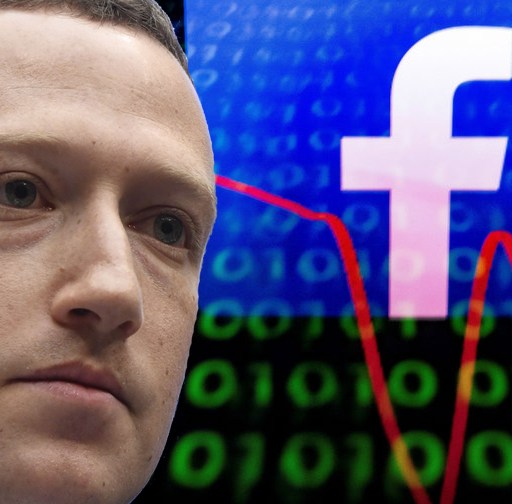
It marks the company’s biggest stock market drop ever.
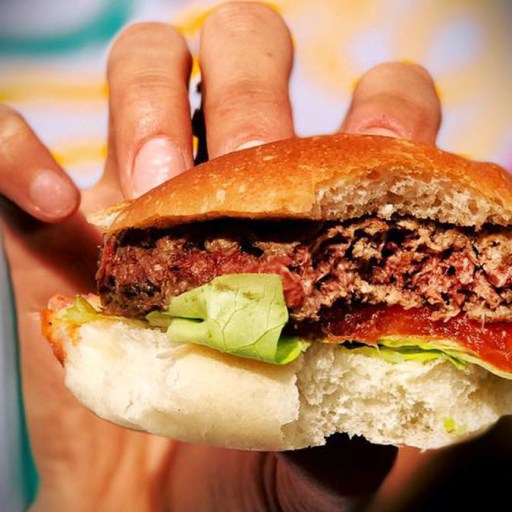
The announcement is a major victory for Impossible Foods, the San Francisco-based startup that makes Silicon Valley's favorite veggie burger.

A new study shows that U.S. students infected with the Toxoplasma gondii parasite are more likely to be business managers and entrepreneurs.

Hackers working for Russia have gained access to hundreds of U.S. electric utilities in 2017, according to new reports from federal officials.

Reports show that millennials are making and saving less than previous generations, likely setting them up to retire later in life—or not at all.

Maria Konnikova, best-selling author and former Big Think columnist, will be speaking with poker legend Erik Seidel and Big Think president Peter Hopkins at a New York City event on August 1.

A controversial article from Forbes argues that libraries, once an important public resource, are outdated, costly and should be replaced by Amazon book stores.

A new study's findings suggests that legalization has “produced some demonstrable and persistent benefit" to police departments in Washington and Colorado.

Patients who choose alternative remedies, like traditional Chinese medicine and homeopathy, are more likely to opt out of additional conventional cancer treatments.

The FDA plans to start enforcing guidelines that would prevent manufacturers of products like almond and soy milk from using the word ‘milk’ in marketing and labeling.