Search
Stephen Johnson
Executive Editor, Big Think

Stephen Johnson is Executive Editor at Big Think. His writing has appeared in PBS, U.S. News & World Report, and newspapers and magazines across the Midwest. He lives in St. Louis.
Read Less
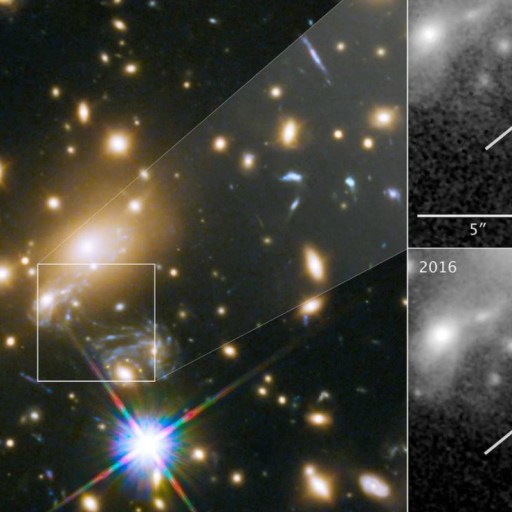
Astronomers were using images taken by Hubble Space Telescope to study a supernova when they detected an unusually strong source of light later determined to be a star.

In recent months, Russian ships have been spotted near the underwater cables that enable telecommunications service between North America and overseas nations.

A new article published in Mother Jones shows how Cambridge Analytica positioned itself to potential clients after the election of Donald Trump.
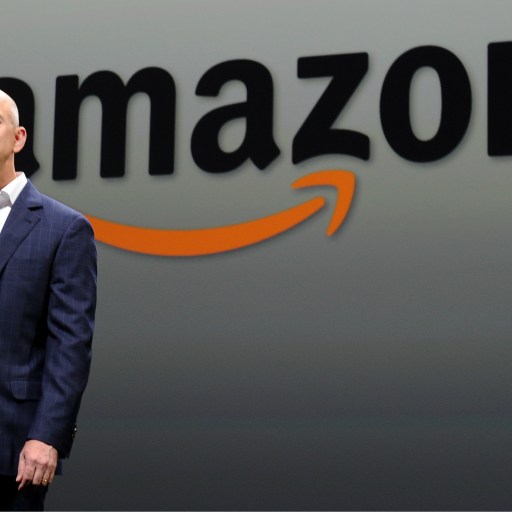
President Donald Trump attacked Amazon on Twitter Thursday morning, arguing that the online retailer doesn’t pay enough taxes and the USPS is its “delivery boy.”
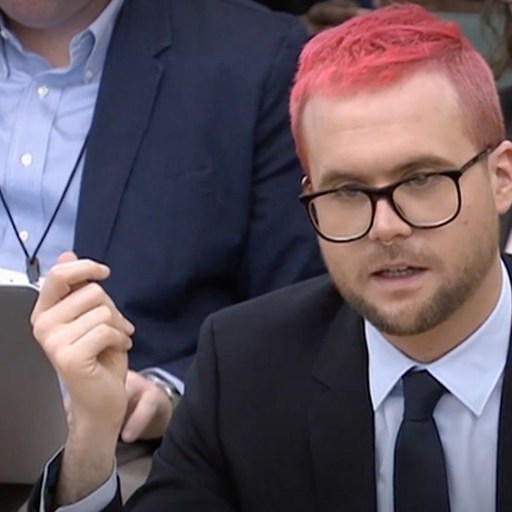
Former Cambridge Analytica employee Christopher Wylie made a series of surprising assertions about the data mining company to British lawmakers on March 27.

What’s the Boring Company going to do with all the rock it excavates while digging tunnels? Elon Musk wants to sell it to you in “LEGO-like” kits.

Mike Hughes finally launched his homemade rocket 1,875 feet into the sky. Now, the 61-year-old has plans to build another rocket to go even higher...
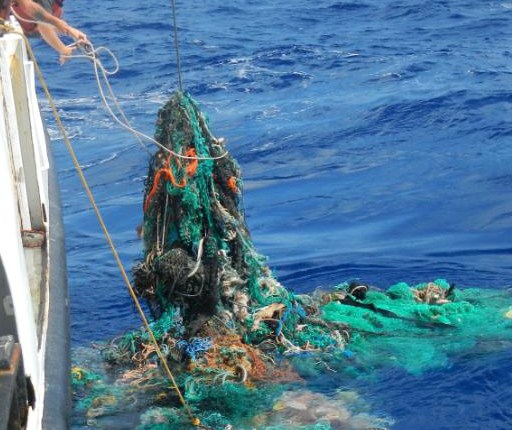
Researchers have known since 1997 that a massive patch of garbage has been swirling around in the Pacific Ocean. A new study shows that the patch has grown far faster than expected.
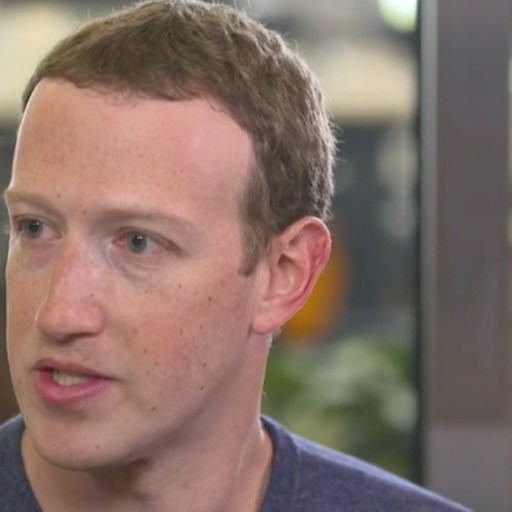
In his first media appearances since the Cambridge Analytica story broke, Mark Zuckerberg spoke to several publications about how Facebook plans to protect user data going forward.

Over the past week, former employees at Facebook and other companies have revealed how tens of millions of users' data has been harvested and passed along to outside parties.
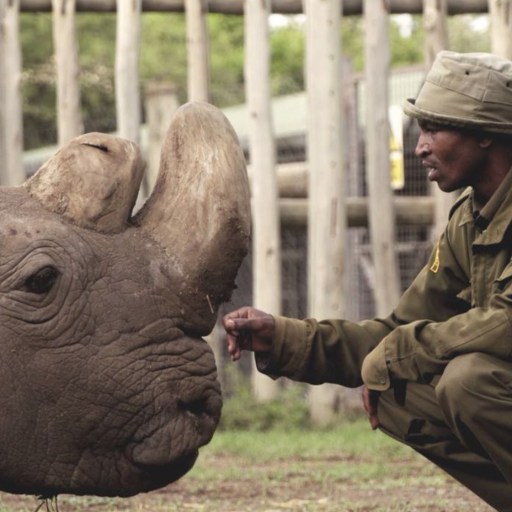
Sudan leaves behind only two other northern white rhinos, but artificial reproductive technologies could provide a future for the subspecies.
A former employee of Cambridge Analytica has revealed new information on the harvesting of Facebook users’ data prior to the 2016 presidential election.

A new study shows how increased coffee consumption interacts with the endocannabinoid system, which the body uses to process cannabinoids found in marijuana.

Amid an ongoing battle over the retail and grocery delivery market, Walmart has filed a patent for robotic bees that would pollinate crops just like the real insects.
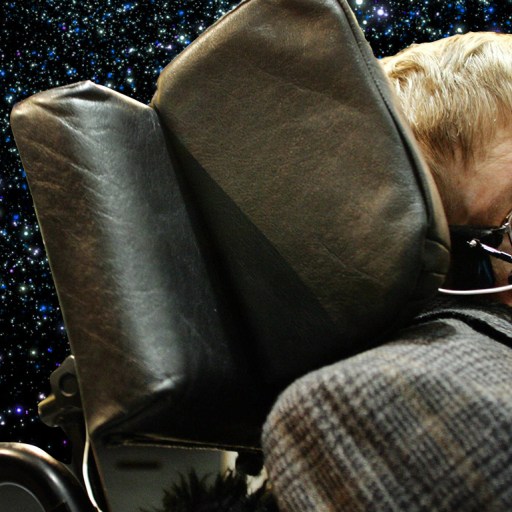
History will remember Stephen Hawking for his many contributions to cosmology and astrophysics, but his beliefs about the future could soon prove just as important.
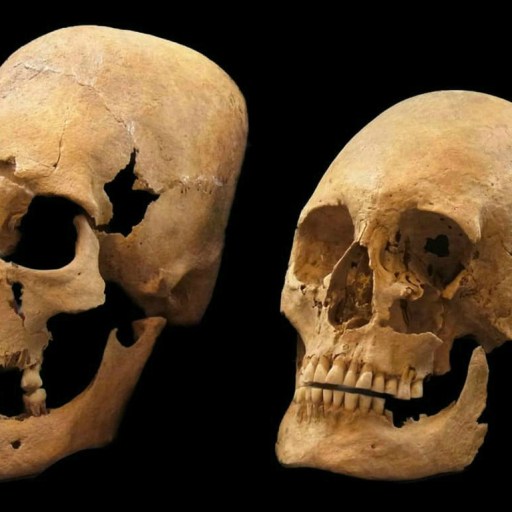
DNA testing of the remains of nine women with elongated skulls suggests a strange explanation for how they likely ended up hundreds of miles from their homeland.
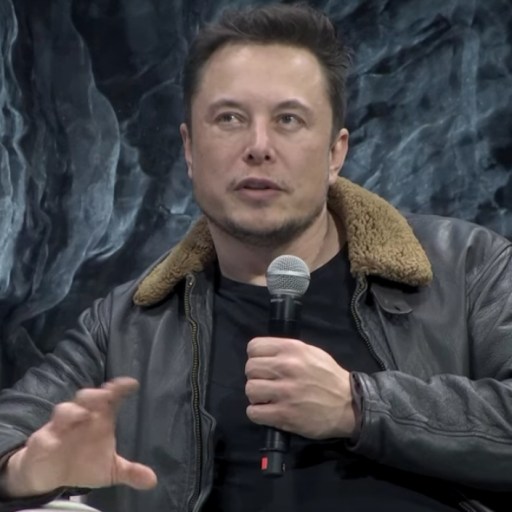
In 2017, SpaceX announced plans to send a cargo mission to Mars by 2022. But Elon Musk said the company's BFR could be ready to make the journey sooner.
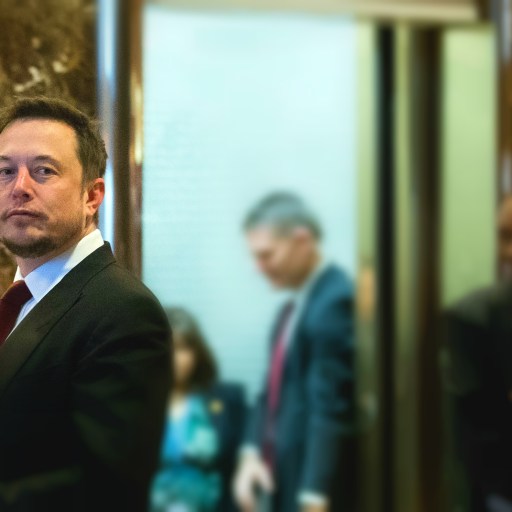
Tesla CEO Elon Musk appealed to President Trump on Twitter last week following tough talk on trade with China.
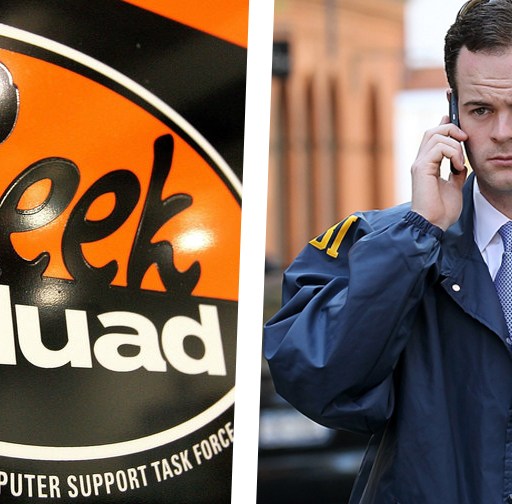
Newly released documents show how the FBI paid Best Buy Geek Squad employees to report customers who had child pornography on their computers, a relationship that might have violated customers’ Fourth Amendment rights.
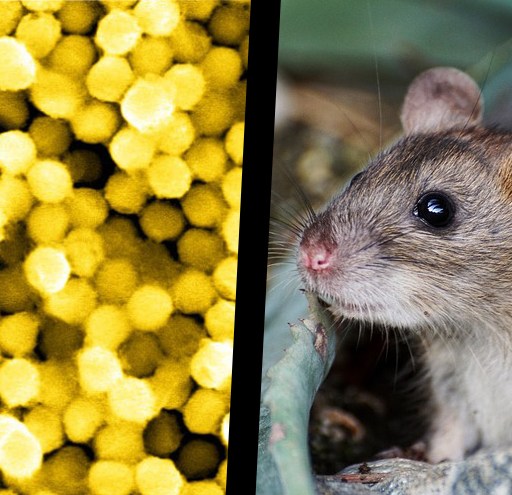
A new study from scientists in China suggests that medical devices could one day restore vision to the blind.